
18th Century Framed Canvas
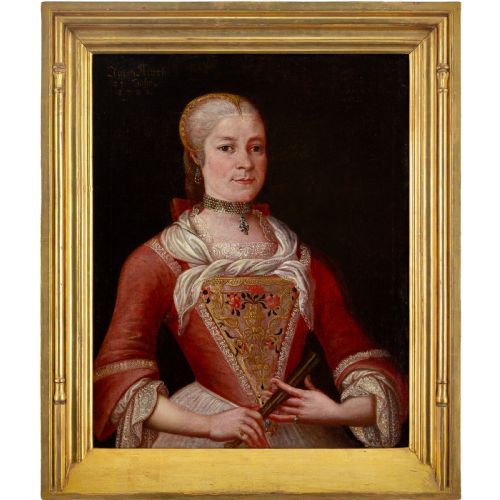
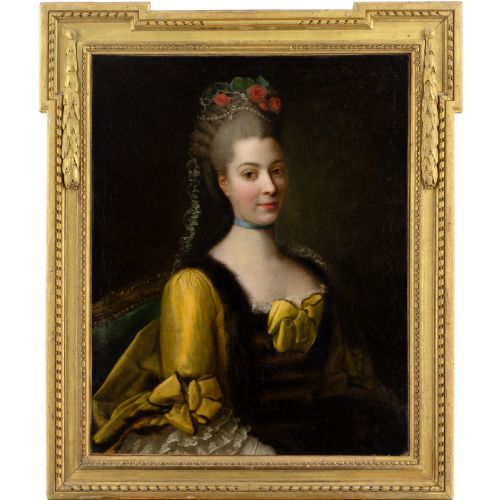
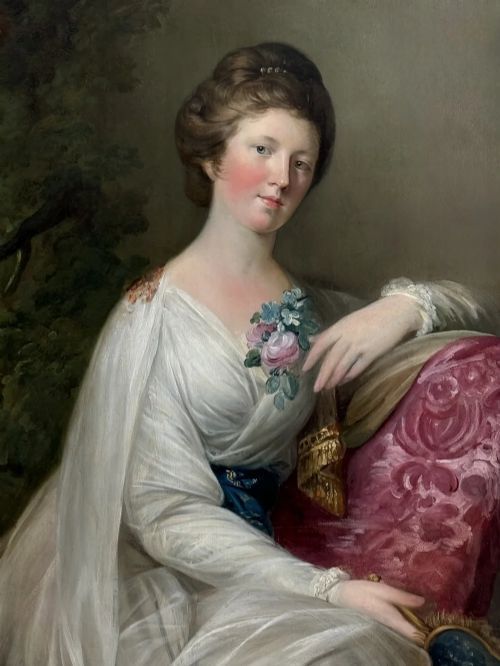
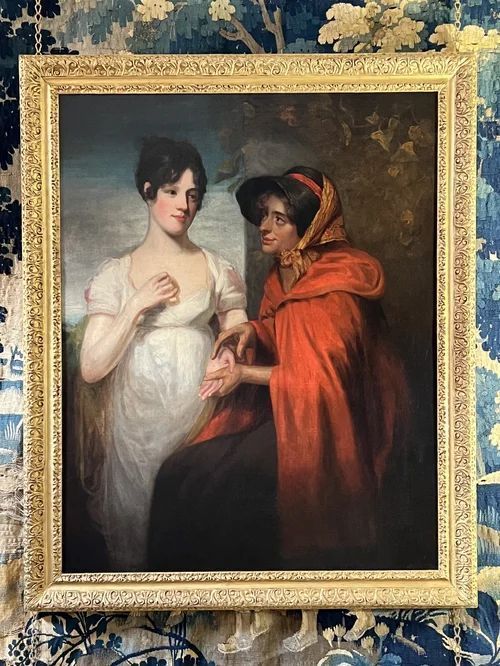
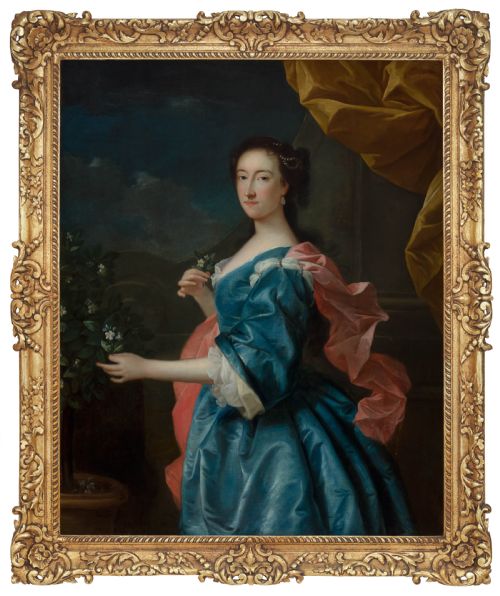
When buying an 18th century framed canvas, you acquire a period oil painting set within its original or period wooden border.
18th Century Framed Canvas
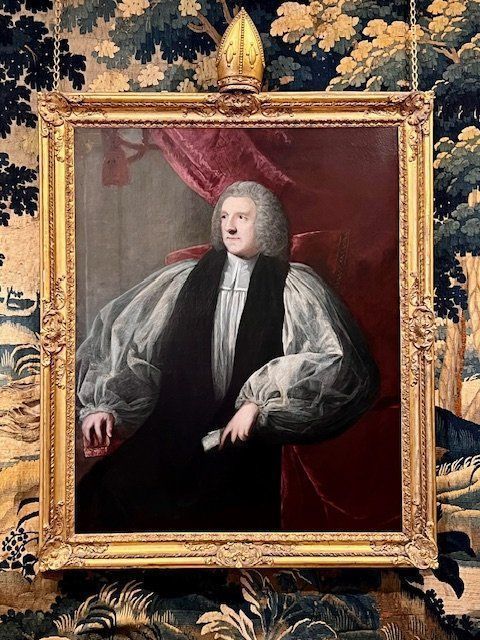
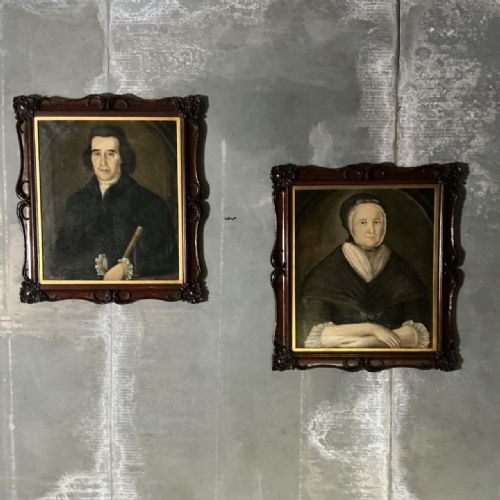
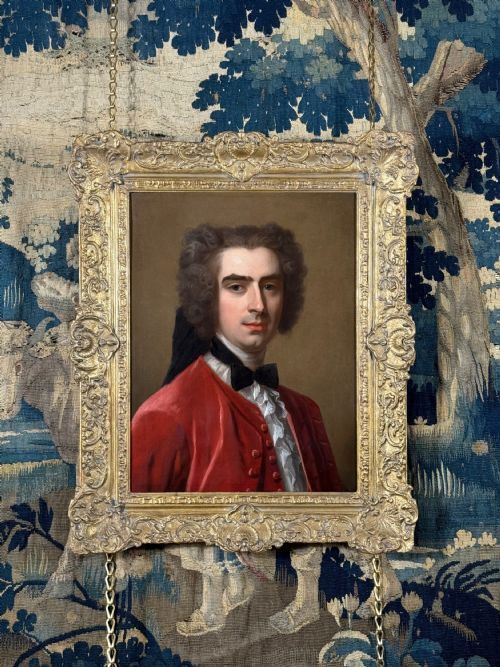
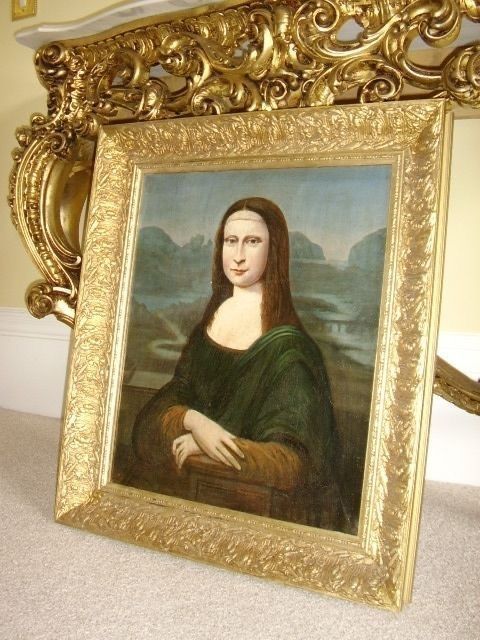
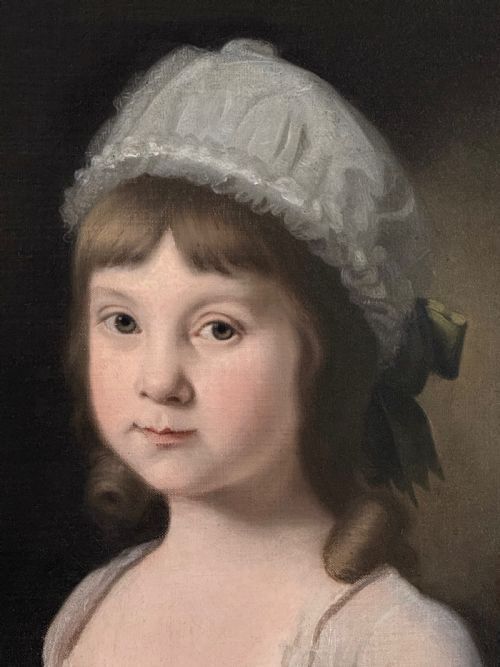
An 18th century framed canvas typically presents oil paint on woven fabric stretched over a wooden support, housed inside a period frame.
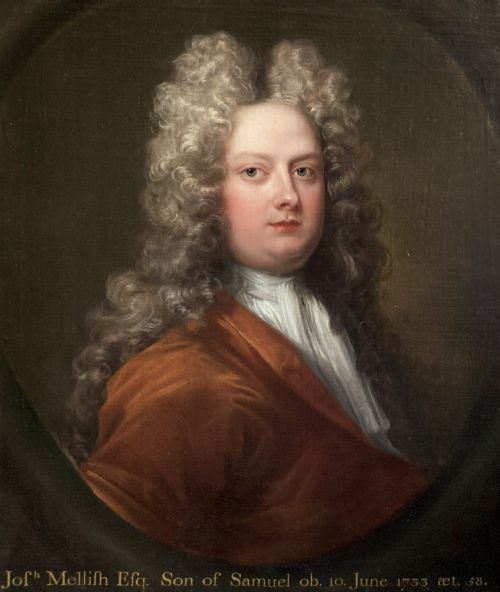
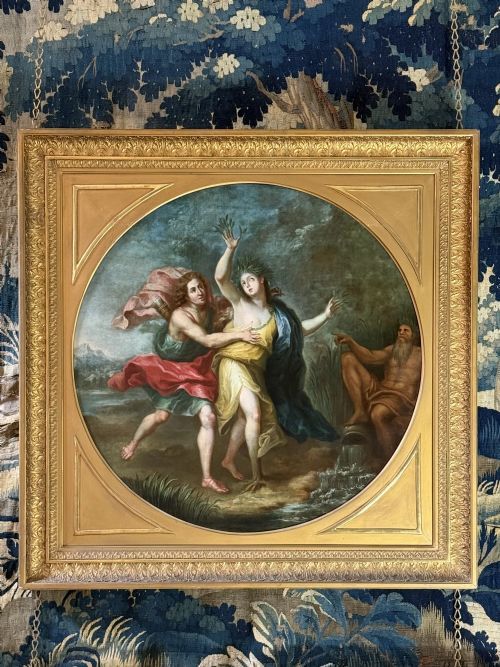
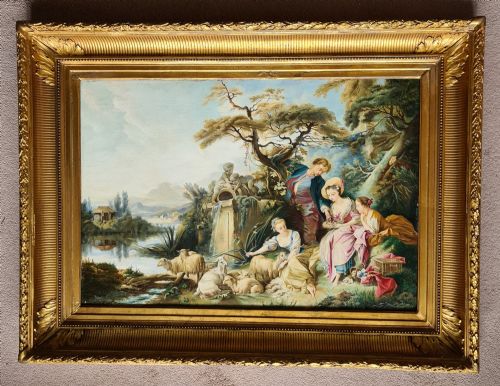
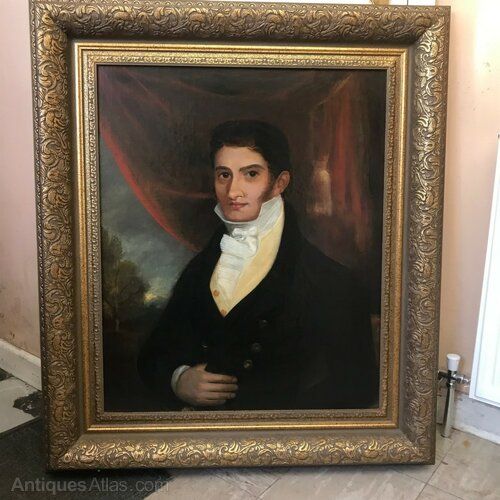
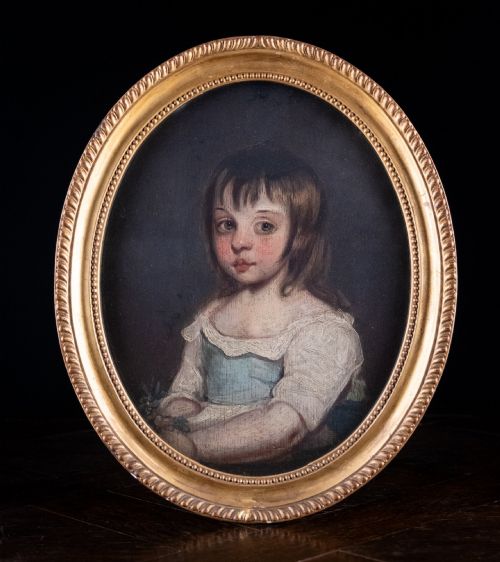
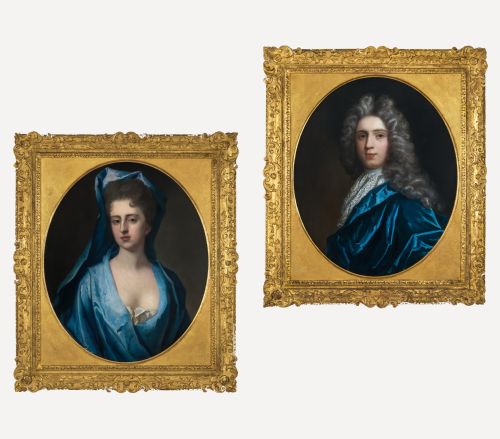
The subjects most frequently encountered within this selection are individual portraits of gentlemen, ladies, and military officers, alongside classical and mythological scenes.
Many works connect directly to British and European portrait traditions, spanning Georgian aesthetics as well as French Rococo and Baroque styles.
How they were made
Makers applied oil paint layers onto prepared canvas stretched across wooden stretcher frames, employing pigments that dried slowly to achieve deep tonal gradations.
Surrounding housings were constructed from timber, such as giltwood and gilded wood, often carved with decorative mouldings to complement the artwork.
Several portraits preserve the intense gazes of eighteenth-century sitters who sat motionless for hours in chilly studios.
What varies in quality
The standard of execution in the brushwork and the anatomical accuracy of the figures distinguish finer portraits from more routine studio output.
The preservation of the original canvas surface and the craftsmanship of the carved wooden frame heavily influence the historical integrity of the piece.
Charles Jervas·Sir Joshua Reynolds·Jean Baptiste Van Loo·John Opie·Charles Antoine Coypel
The 18th Century Framed Canvas Glossary
- Oil on Canvas
- A painting medium where pigments bound in drying oil are applied to a woven fabric support. This technique allowed artists to blend colours smoothly and rework passages over extended periods.
- Giltwood
- Timber that has been coated with a thin layer of gold leaf or powder. It provides a reflective, ornate border that enhances the visual depth of the artwork it encloses.
- Old Master
- A term applied to European painters of high skill working before the nineteenth century. These works often display sophisticated handling of light and shadow.
- Genre Painting
- Depictions of everyday life and ordinary people engaged in non-ceremonial activities. Such scenes focus on narrative and character rather than formal portraiture.
18th Century Framed Canvas: Frequently Asked Questions
How do I identify an 18th century canvas?
Examine the weave of the fabric and the composition of the stretcher frame behind the picture. Older canvases often show hand-spun irregularities and are nailed into pegged wooden frames rather than held by modern staples.
Look closely at the craquelure across the paint surface, which develops naturally as oil medium ages over centuries. Pigment analysis and stretcher construction help confirm the period of manufacture.
Were these paintings always framed in wood?
Most oil paintings from this era were housed in timber surrounds designed to protect the edges of the fabric and complete the presentation. Giltwood and carved wood mouldings were standard for domestic display.
Frames were frequently updated to match later interior tastes while the canvas remained original. Matching an authentic period frame to the painting enhances its historical context.
How should I care for an antique canvas?
Keep the artwork away from direct sunlight and maintain stable indoor humidity to prevent the fabric and wooden stretcher from warping. Sudden temperature shifts cause the oil paint and ground layers to crack.
Dust the surface gently with a soft, dry brush and avoid applying liquid cleaners directly to the paint. Professional conservators should handle any structural repairs or cleaning of darkened varnish layers.
What subjects are common in these paintings?
Portraiture dominates this category, recording landowners, military officers, clergy, and nobility of the period. These commissions served to document lineage and social standing within affluent households.
Mythological and landscape subjects also appear, reflecting the influence of the Grand Tour and classical European art traditions. Artists drew inspiration from historical narratives and contemporary theatre.