


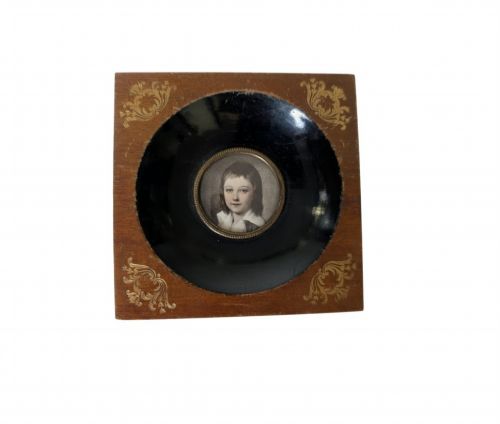
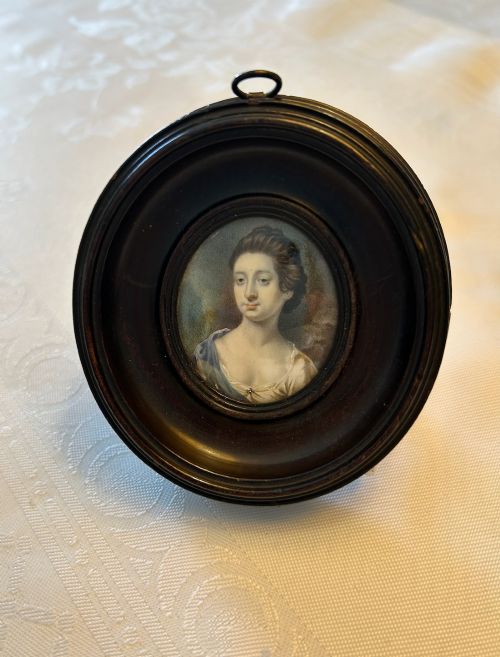
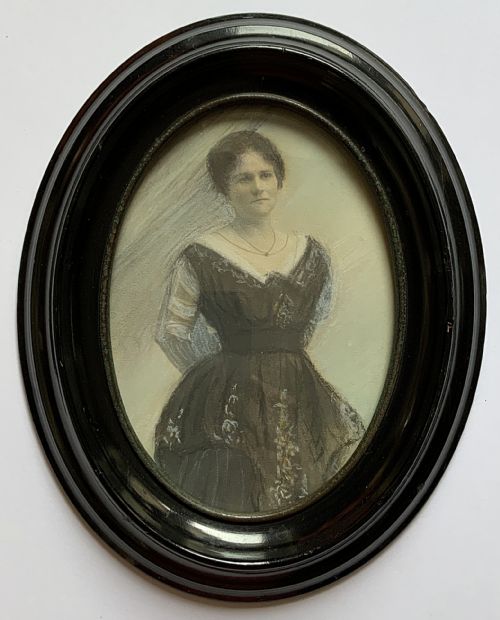
Ebonised Frame Miniature Art
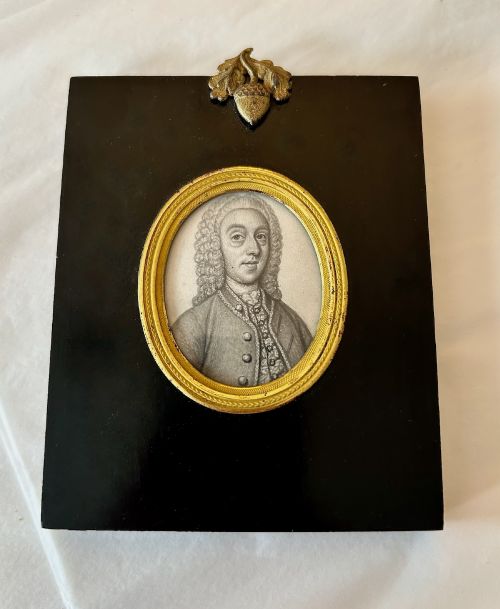
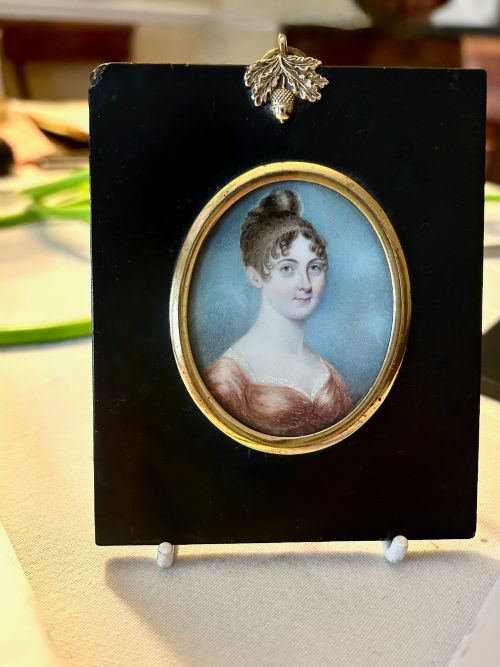
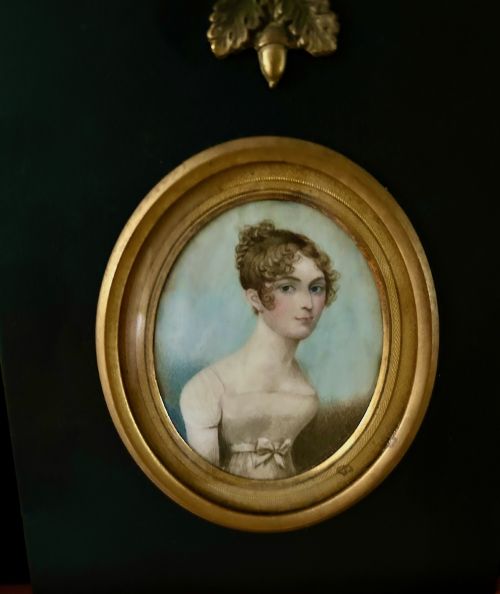
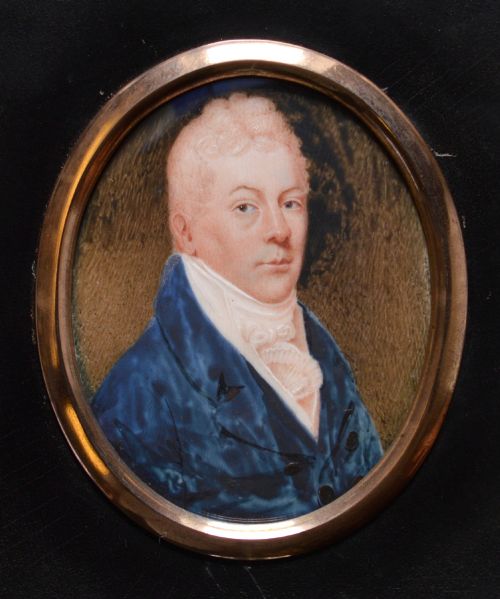
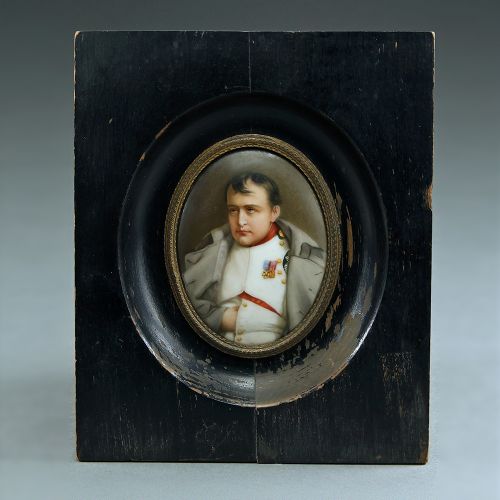
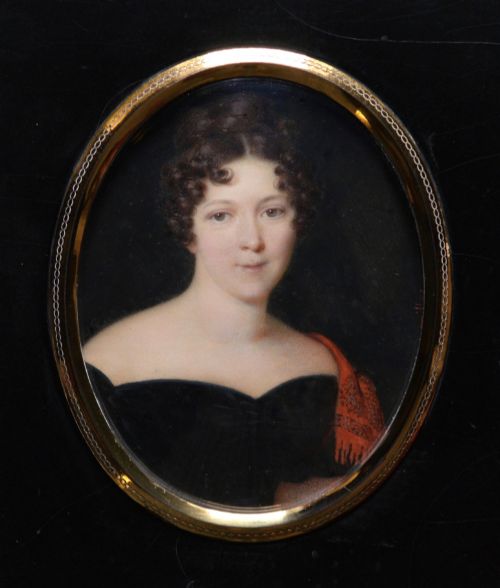
These ebonised frame miniature art pieces capture likenesses in remarkably small compass, prized for intimate portraiture and fine brushwork.
Ebonised Frame Miniature Art
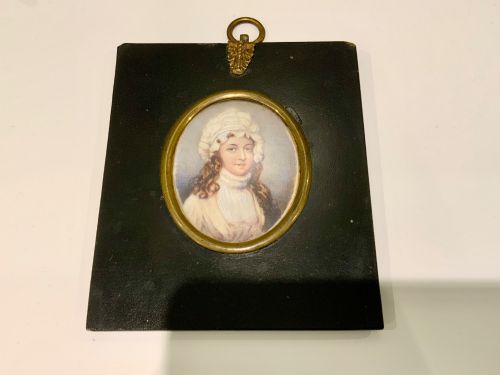
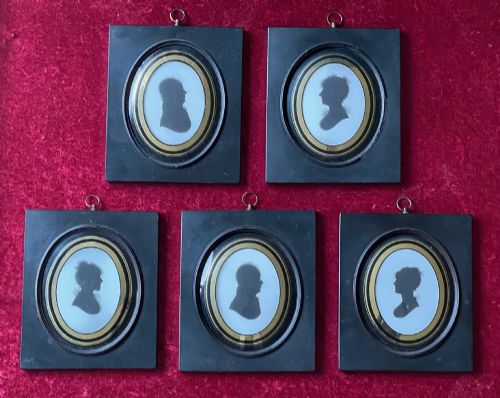
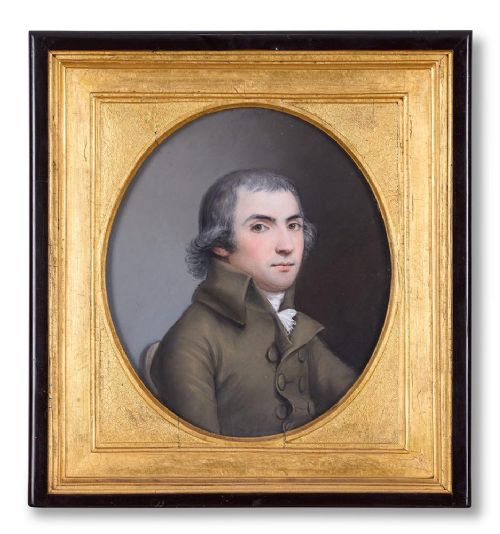
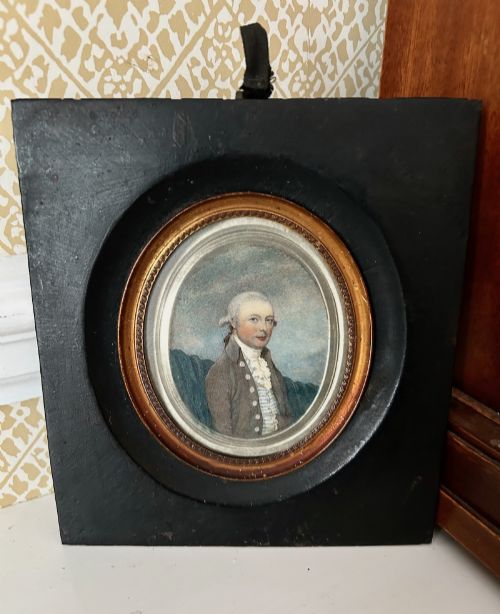
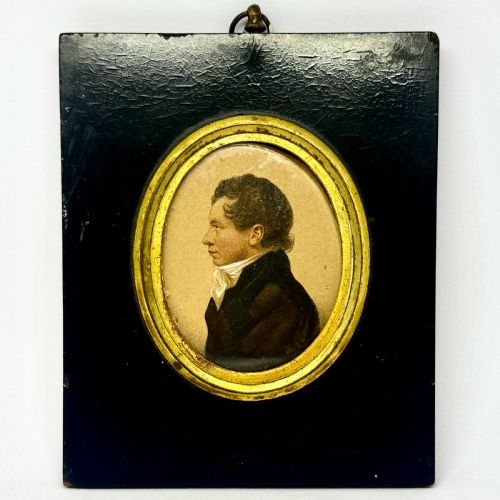
Ebonised frame miniature art encompasses small-scale portraits, silhouettes, and studies spanning the seventeenth through the nineteenth centuries. These works present subjects in fine detail, housed within dark wood surrounds that concentrate the viewer's attention entirely upon the sitter.
The selections encountered here range across Georgian, Regency, and Victorian periods, alongside American folk art and French schools. Portrait miniatures and silhouettes dominate the forms, rendered in watercolour, plumbago, or enamel on surfaces such as paper and card.
Materials and construction
Makers utilised dense timbers stained or painted black to achieve the signature ebonised finish, pairing these dark surrounds with protective glass plates. Within, works are executed in delicate watercolours, graphite plumbago, or cut paper silhouettes.
Many examples incorporate brass or gilt metal bezels and hangers, providing a sharp contrast to the matte black timber. Paper, card, and enamel serve as the primary grounds for the painted or drawn likenesses.
Ebonised Frame Miniature Art Retail Price Guide 2026
Typical asking prices for ebonised frame miniature art among the pieces listed under this phrase on Sellingantiques today, from the lower quarter to the upper quarter. They describe what is for sale here now, not the wider market.
Several silhouettes preserve the exact profile of children and family pets from centuries past.
Evaluating the works
The integrity of the original housing also shapes the standing of a piece, as period ebonised wood frames with matching brass fitments preserve the historical context of the miniature.
James Ferguson·Frederick Buck·Henri Fradelle·James Gillespie·John Taylor·Thomas London·George Atkinson·Archibald Skirving·John Miers
The Ebonised Frame Miniature Art Glossary
- Ebonised
- Wood treated with stain or black pigment to imitate true ebony. This dark finish provides a stark, traditional border for small portraits.
- Plumbago
- A drawing executed in graphite or blacklead, taking its name from the Latin term for the mineral. These monochrome works rely on subtle tonal shifts for definition.
- Silhouette
- A profile likeness filled in with solid dark pigment or cut from paper. These profiles gained popularity during the eighteenth and nineteenth centuries.
- Miniature portrait
- A painting executed on a remarkably small scale, requiring meticulous brushwork. These portable objects often commemorate family members or public figures.
Ebonised Frame Miniature Art: Frequently Asked Questions
What periods do these pieces date from?
The works span from the seventeenth century through the Georgian, Regency, and Victorian eras up to nineteen hundred. Most examples belong to the eighteenth and nineteenth centuries.
Makers working across these periods employed varying painting media and framing styles, allowing collectors to trace the evolution of miniature portraiture over several hundred years.
How were miniature portraits displayed originally?
These small artworks were designed to be hung closely on walls in intimate rooms or kept in protective travel cases. Their modest scale suited domestic spaces where personal mementos were gathered.
The inclusion of loops or rings on the ebonised frames allowed owners to suspend them securely from picture rails or wall hooks.
What is a silhouette portrait?
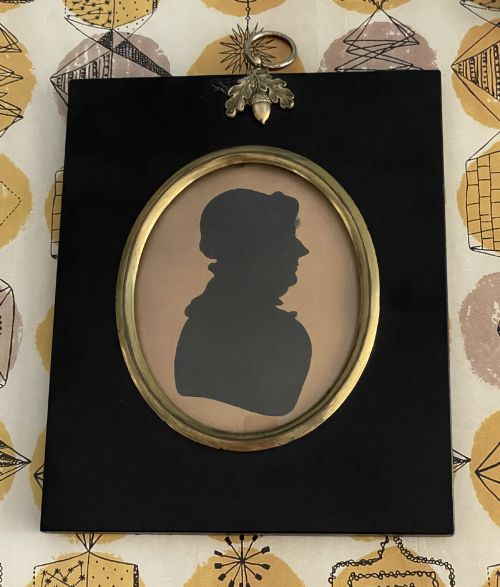
A silhouette is a profile portrait cut from black paper or painted directly onto glass, card, or plaster. They recorded likenesses swiftly before the invention of photography.
Artists utilised fine scissors or brushes to capture the distinct outline of a sitter's facial profile, often adding highlights in gold paint.
Are the frames original to the art?
Many pieces retain their period ebonised wood frames, which complement the dark tones of the silhouettes and watercolours within. These frames often feature curved mouldings and small brass hangers.
Examining the backboards and fixings helps determine whether the frame has held the miniature since its creation.