


Ebonised Display Bookcase
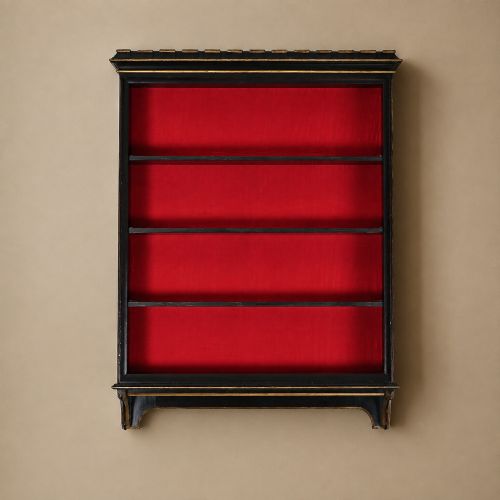
An ebonised display bookcase brings deep, dark timber and glass together to showcase a collection with Victorian drama.
Ebonised Display Bookcase
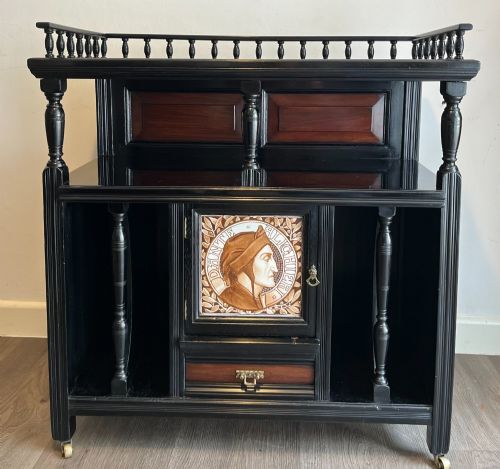
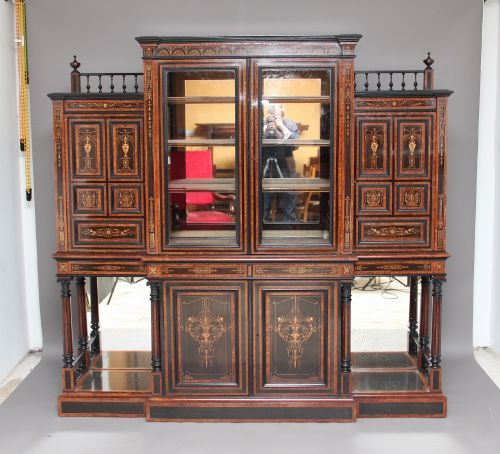
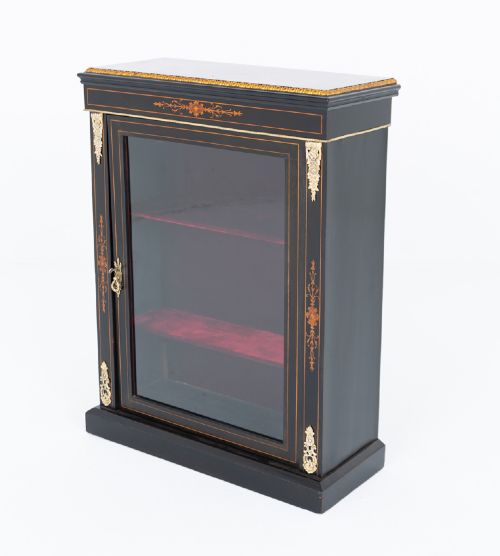
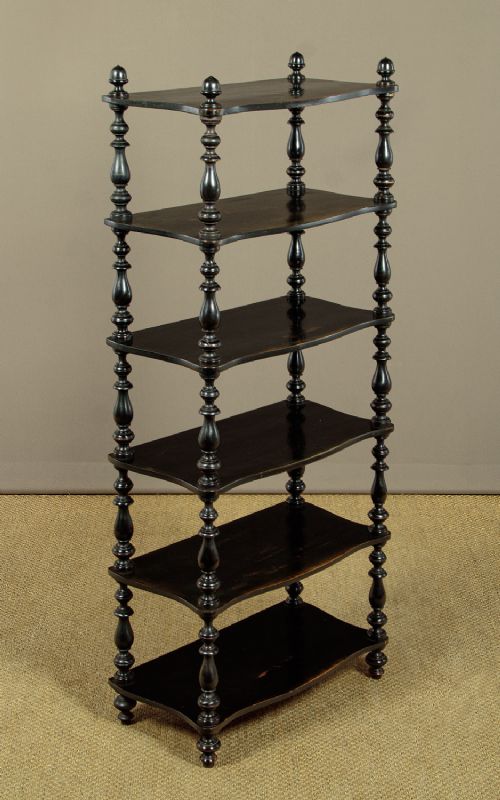
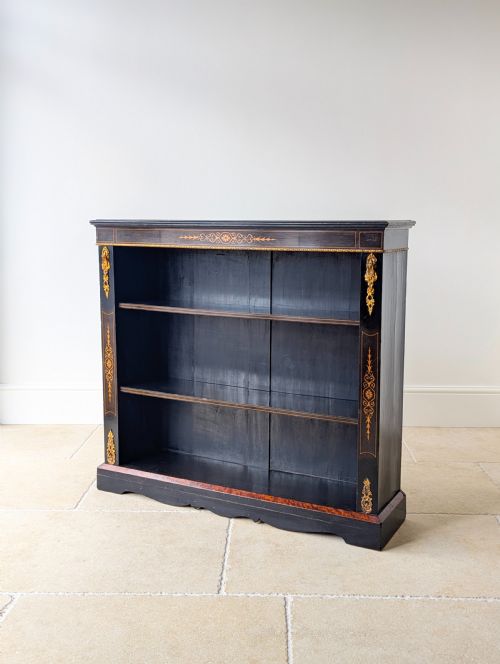
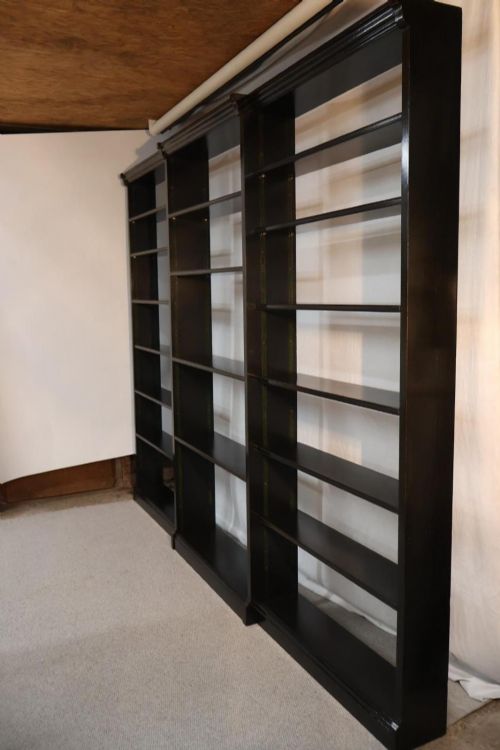
An ebonised display bookcase combines shelving for volumes with glazed or open fronts to exhibit prized objects, drawing heavily on Victorian and Napoleon III aesthetics. When searching for an ebonised display bookcase, a buyer encounters pieces originating primarily from the nineteenth century, including styles such as Gothic Revival, Aesthetic Movement, and French Empire.
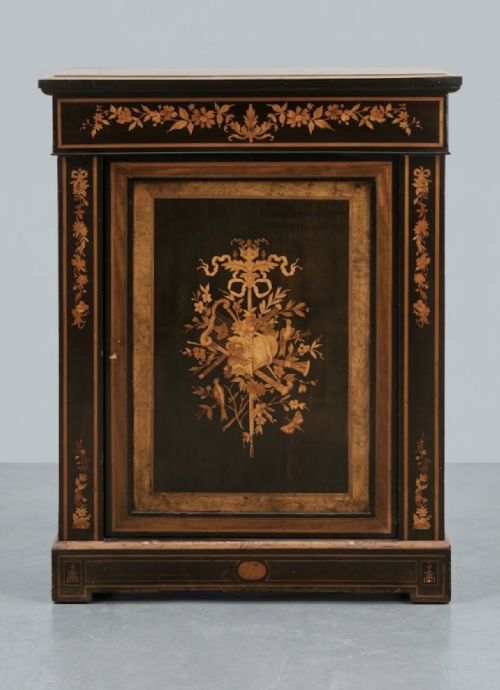
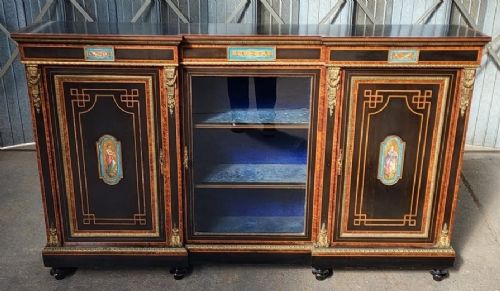
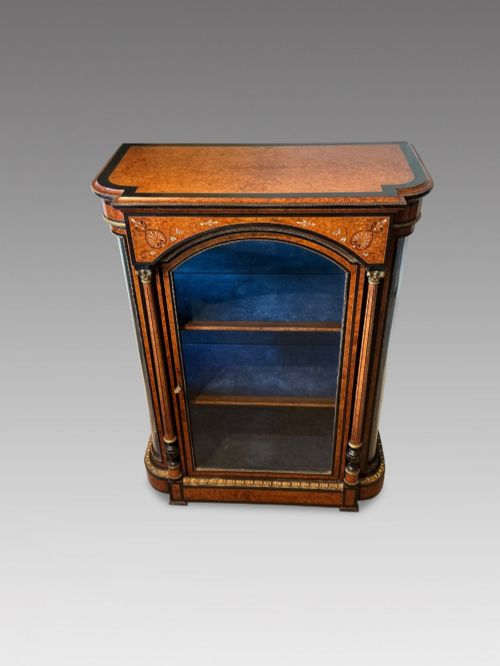
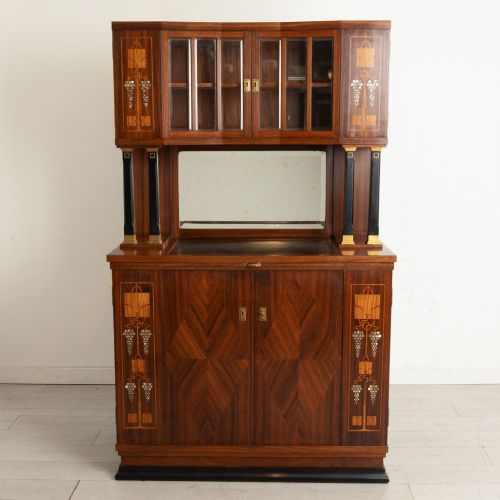
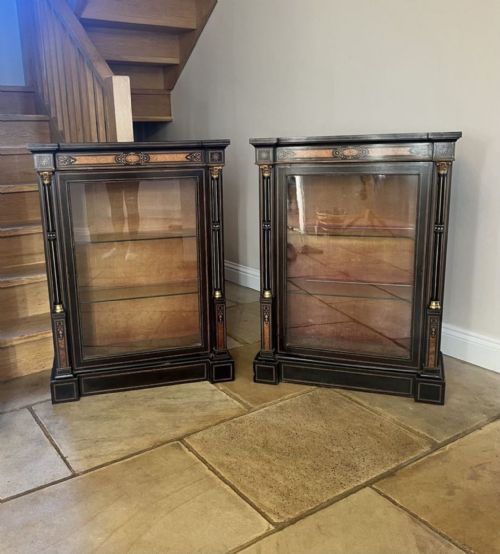
The forms span breakfront bookcases, open bookshelves, and pier cabinets fitted with glass doors. Cabinets often integrate side storage or display sections, reflecting the diverse cabinet-making traditions of English, French, and Austrian workshops.
How they were made
Craftsmen built these pieces using timber carcasses, frequently applying ebonising to simulate costly ebony alongside veneers of walnut, amboyna, or burr walnut. Ormolu mounts, brass inlay, and parcel-gilt details accent the dark surfaces.
Glazing protects the interior shelves, while intricate marquetry and inlaid brass or tortoiseshell in Boulle techniques decorate the panels and friezes.
Listings feature pieces spanning the nineteenth century through to the early twentieth century, incorporating French, Austrian, and English origins.
What varies in quality
The refinement of the brass mounts and the precision of the inlaid Boulle work distinguish standard production from exceptional examples. Cabinet-making skill shows in the handling of amboyna veneers and the crispness of parcel-gilt details.
Proportion and scale dictate the visual weight of the piece, where disciplined architectural detailing elevates the composition.
George Edmund Street·Lamb of Manchester·August Ungethüm
The Ebonised Display Bookcase Glossary
- Ebonised
- Wood treated with a dark stain or finish to imitate ebony. This technique gained immense popularity during the Victorian era for furniture.
- Ormolu
- Gilded brass mounted onto furniture as decorative hardware. It provides a bright metallic contrast against dark ebonised timber.
- Boulle
- Marquetry technique utilising tortoiseshell and brass inlaid in contrasting patterns. Named after French cabinet-maker André-Charles Boulle.
- Pier Cabinet
- A low cabinet designed to stand against a wall pier between windows. These often feature glazed single doors for displaying porcelain.
Ebonised Display Bookcase: Frequently Asked Questions
What is an ebonised display bookcase?
An ebonised display bookcase is a nineteenth-century storage piece featuring darkened wood and glass panels designed for showing books and decorative objects. These cabinets draw on Victorian, French, and Aesthetic Movement styles.
They combine enclosed shelving with display space, often accented with brass mounts, porcelain plaques, or marquetry inlay.
How do I date an ebonised bookcase?
Dating relies on stylistic clues such as Gothic Revival motifs, Aesthetic Movement decoration, or Napoleon III Boullework. Construction methods and secondary woods also help place a piece within the nineteenth century.
Makers' marks or attribution to specific workshops provide further chronological context.
Where should I place a pier cabinet?
Pier cabinets fit well in reception rooms, traditional libraries, or hallways against narrow wall spaces. Their shallow depth suits rooms where floor space is limited.
Pairing them with appropriate nineteenth-century seating or lighting enhances the period aesthetic.
How do I care for ebonised wood?
Protect ebonised and polished timber surfaces from direct sunlight and excessive humidity changes. Dust gently with a dry, soft cloth and avoid chemical polishes.
Treat Ormolu mounts and brass inlay with care to preserve their original patination.