

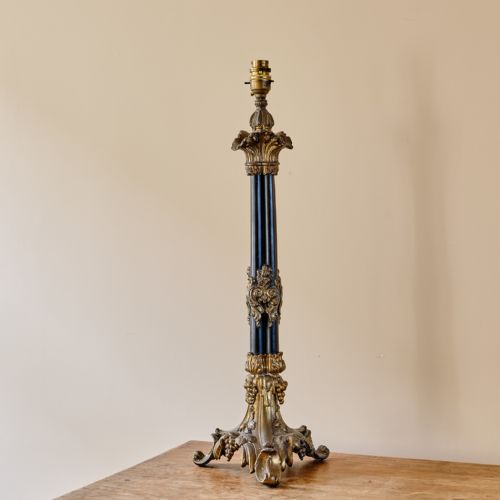
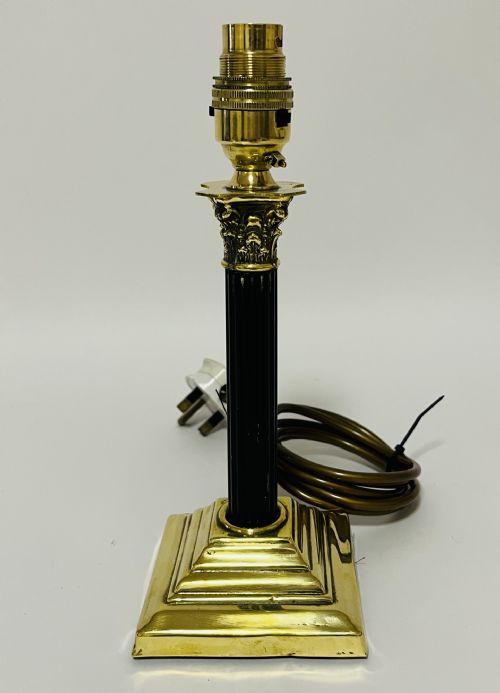


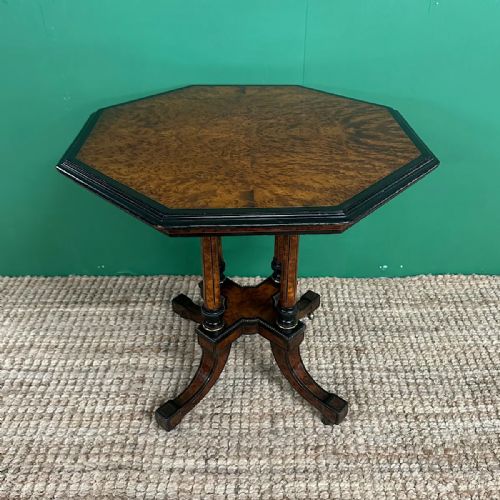


Ebonised Column Table
An ebonised column table delivers architectural severity and a dark, absorbing finish that grounds a room instantly.
Ebonised Column Table
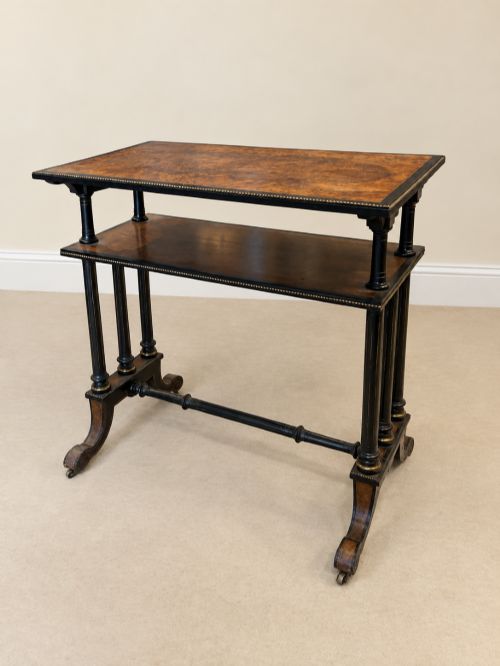
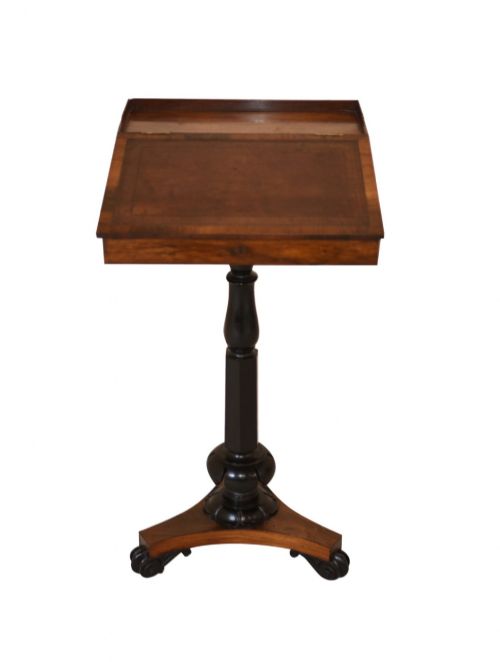
An ebonised column table combines architectural support with a blackened wood finish, drawing on periods from the Georgian era through to the early twentieth century. Buyers seeking this search phrase encounter occasional tables, pedestals, and lamp bases that utilise column forms in varying heights.
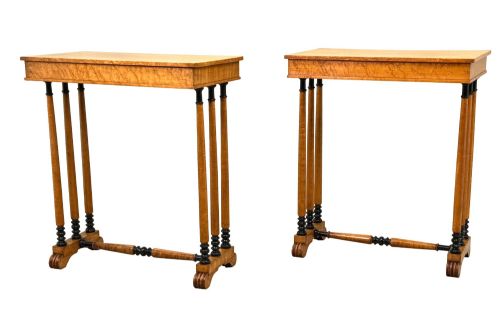
The material vocabulary spans ebonised wood alongside mahogany, oak, and birdseye maple, reflecting Victorian, Regency, and revival styles such as Neoclassical and Swedish Empire. These items serve functional roles as stands, lamps, and occasional surfaces while retaining a strong sculptural presence.
How they were made
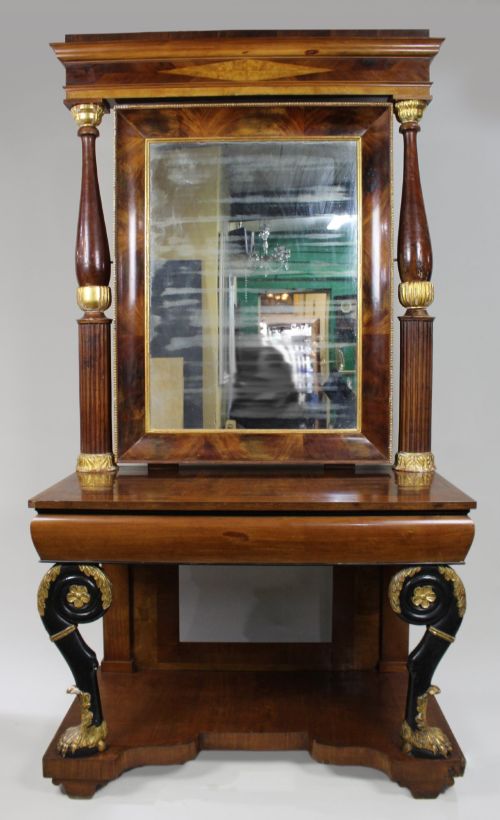
The construction relies on turning and joining dense timbers, applying an ebonisation process to mimic the deep, matte or polished appearance of ebony. Workshops combined these blackened wooden columns with brass mounts, gilt bronze details, and occasional glass elements.
Makers utilised native and exotic hardwoods like mahogany and birch beneath the ebonised surface, employing joinery appropriate to the Georgian, Victorian, and later revival periods.
Ebonised Column Table Retail Price Guide 2026
Typical asking prices for ebonised column table among the pieces listed under this phrase on Sellingantiques today, from the lower quarter to the upper quarter. They describe what is for sale here now, not the wider market.
Listings for ebonised column items incorporate materials such as brass, gilt bronze, and birdseye maple across Georgian and Victorian periods.
What varies in quality
Quality rests in the precision of the column turning, the depth of the ebonised finish, and the integration of secondary materials like gilt brass. Pieces showing crisp architectural detailing and harmonious proportions stand apart from simpler utilitarian examples.
The choice of underlying timber and the crispness of applied cast brass or bronze enrichments distinguish finer production from standard workshop output across the nineteenth and early twentieth centuries.
The Ebonised Column Table Glossary
- Ebonised
- Wood treated with stain or paint to imitate ebony. This finish was widely utilised during the Victorian and Regency periods to create high-contrast furniture.
- Corinthian
- An order of classical architecture featuring ornate capitals decorated with acanthus leaves. Column tables and lamps frequently adopt this motif.
- Regency
- A British design period spanning the early nineteenth century characterised by neoclassical restraint and archaeological revival. Furniture from this time often employs dark wood and classical columns.
- Pedestal
- A support or base for a statue, urn, or lamp. These vertical structures often take the form of architectural columns.
Ebonised Column Table: Frequently Asked Questions
What is an ebonised column table?
An ebonised column table is a piece of furniture featuring a darkened, ebony-mimicking finish formed around a vertical column structure. These items draw on classical architectural forms.
They appear across various nineteenth-century and early twentieth-century styles, serving as occasional tables, stands, or lamp bases.
How do I date an ebonised table?
Dating relies on examining the underlying timber, the turning style, and any metal mounts. Revival periods often reinterpreted earlier Georgian and Regency designs.
Secondary woods and construction methods offer further clues to whether a piece originates from the early nineteenth century or later revival eras.
Where should I place a column table?
Column tables function well as accent pieces in hallways, drawing rooms, or studies where their vertical lines can create contrast. Their compact footprint suits corners or beside seating.
They also support table lamps or decorative objects, utilising their height to draw the eye upward.
What woods are used beneath ebonising?
Makers used various hardwoods beneath the black finish, including mahogany, oak, and birch. The choice depended on the workshop and the period of manufacture.
Exotic timbers sometimes appear alongside ebonised sections to create visual contrast in revival-style furniture.