



Earthenware Transferware Plates
These earthenware transferware plates bring nineteenth-century British scenes and blue-printed patterns to your table through durable ceramic tableware.
Earthenware Transferware Plates
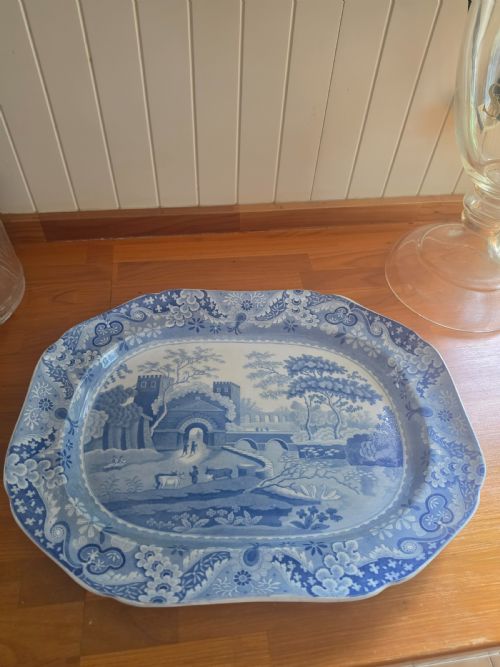
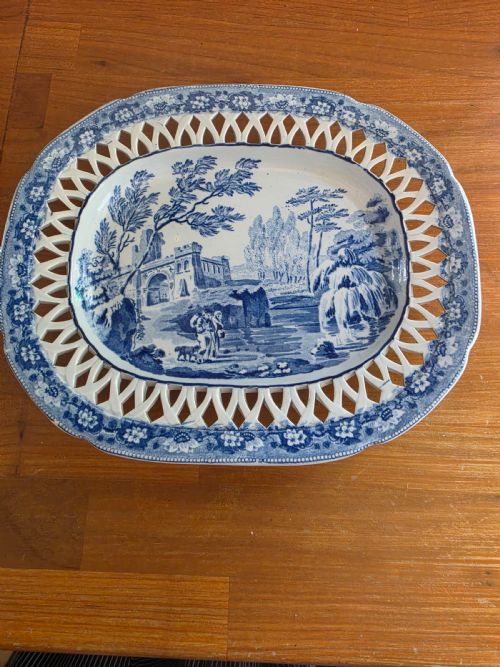
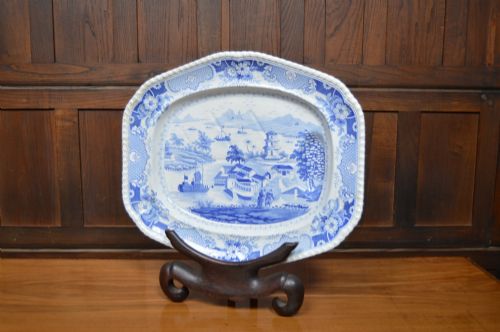
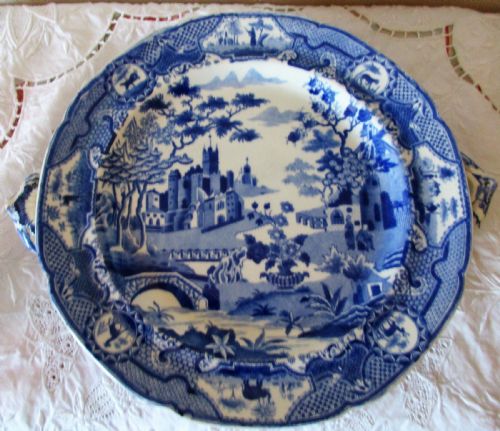
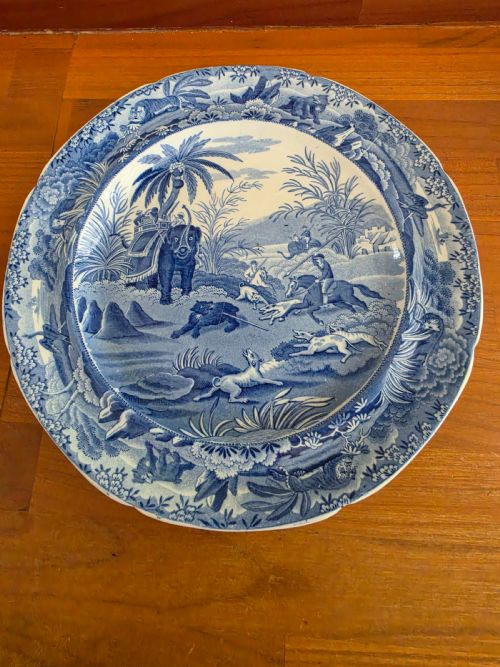
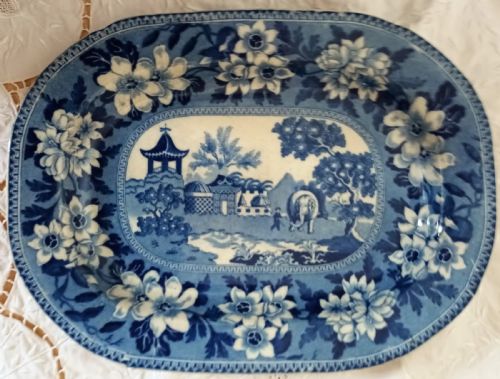
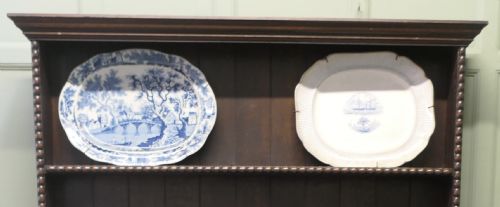
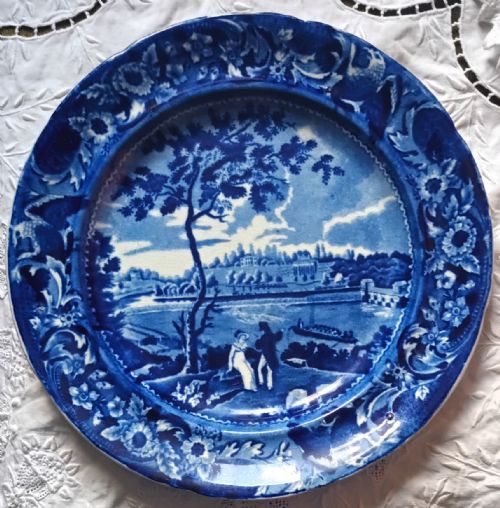
Earthenware transferware plates represent a major pillar of nineteenth-century British ceramic production, spanning the Georgian, Regency, and Victorian periods. You will frequently encounter blue and white examples featuring scenic views, topographical subjects, architectural landmarks, and classical chinoiserie motifs.
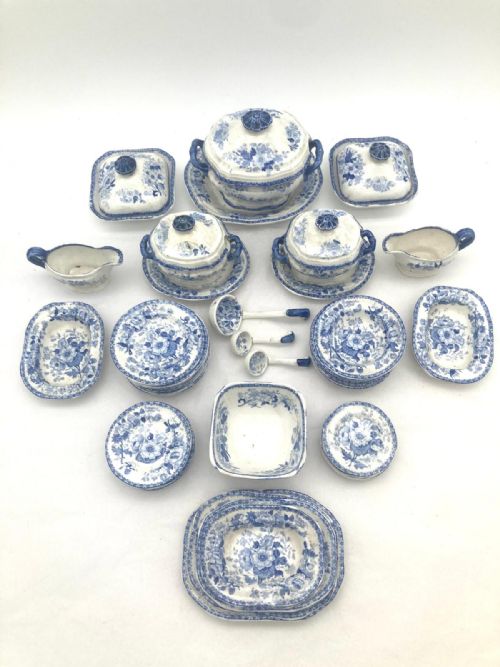
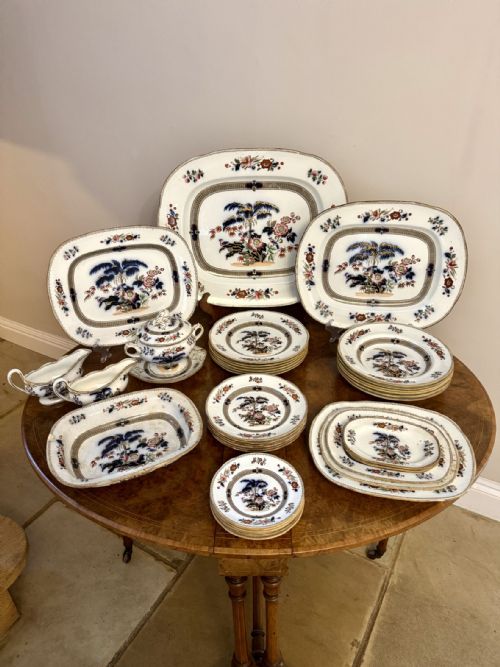
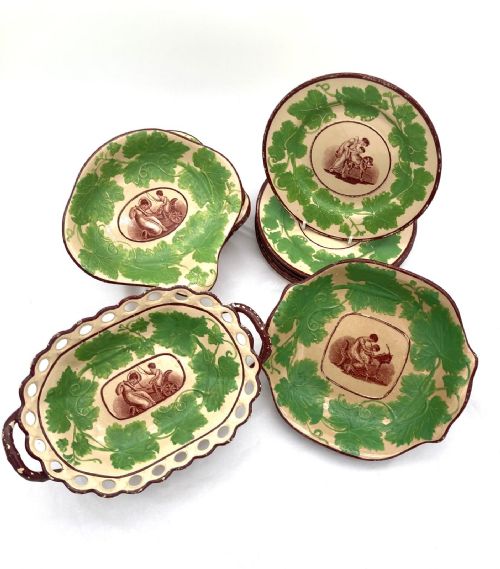
The forms range from small dessert plates and children's service pieces to large meat platters, chargers, and hot-water plates. Many pieces record specific historical events, famous buildings, or pastoral scenes transferred directly onto the ceramic body during manufacture.
Materials and transfer printing techniques
Potters shaped these objects from refined earthenware, pearlware, or creamware before applying printed designs using copper plates and tissue paper. Cobalt pigment carried the blue transfer image onto the biscuit fired clay prior to glazing.
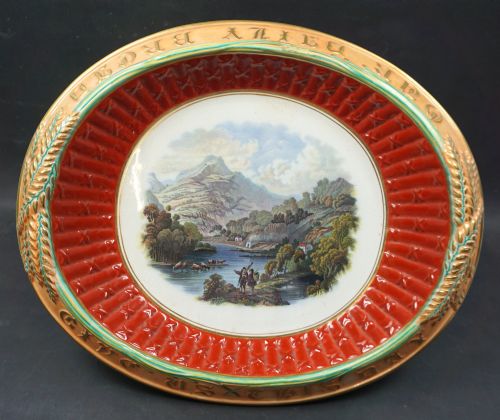
A transparent ceramic glaze covered the transferred design before a final kiln firing sealed the surface and set the colour. Some specialised items incorporate additional hand-painted enamel highlights over the top of the blue transfer print.
The listings show earthenware, pearlware, and ceramic glaze combined across Georgian, Regency, and Victorian periods.
Judging quality in printed pottery
Quality depends heavily on the crispness of the transfer print and the alignment of the pattern across the surface of the plate or platter. Smudged lines, blurred edges, and pooling cobalt pigment indicate a rushed manufacturing process rather than the careful work of top-tier potteries.
The weight, throwing skill, and stability of the ceramic blank also separate standard utility wares from the grand chargers and matching dinner services produced by leading makers. Flawless glaze coverage and well-balanced forms distinguish superior examples.
Spode·Davenport·John Rogers and Son·Minton·Wedgwood·Stubbs·Copeland and Garrett·Caughley·William Adam
The Earthenware Transferware Plates Glossary
- Transferware
- Pottery decorated by transferring a printed design from an engraved copper plate onto paper and then onto the ceramic body. This technique allowed factories to produce intricate patterns with high consistency.
- Pearlware
- A refined type of earthenware developed in the late eighteenth century featuring a subtle bluish tint in the glaze. It provided a paler, whiter surface than standard creamware to imitate Chinese porcelain.
- Charger
- A large decorative or serving plate meant for formal dining tables rather than individual daily use. These large pieces often display complex topographical or historical scenes.
- Hot-water plate
- A specialised hollow ceramic plate designed to hold hot water in a concealed compartment beneath the surface. This kept food warm throughout lengthy nineteenth-century meals.
- Biscuit
- Fired unglazed pottery that has undergone its initial baking in the kiln. Ceramic bodies are glazed and fired a second time after the transfer print is applied.
Earthenware Transferware Plates: Frequently Asked Questions
How do I care for antique plates?
Wash these ceramic pieces gently by hand using warm water and mild soap rather than placing them in an electric dishwasher. Avoid harsh scrubbing brushes that might scratch the historical glaze or wear down the printed surface.
Store them securely in plate racks or use felt dividers between stacked items to protect the rims. Proper handling preserves the integrity of the earthenware body and the cobalt decoration.
Can I use them for dining?
Many collectors use nineteenth-century plates for special meals or display them on walls and dressers as decorative art. The sturdy earthenware construction remains physically capable of holding food.
Consider the age of the glaze and any historical wear when deciding whether to serve food on them. Displaying them safely prevents accidental chips or cracks on pieces from the Georgian and Victorian eras.
How do I date these patterns?
Examine the style of the border, the tint of the ceramic body, and any printed or impressed maker marks on the reverse. Pearlware bodies and specific chinoiserie motifs often point toward the earlier Georgian and Regency periods.
Later Victorian pieces frequently feature heavier bodies and different framing borders around the central image. Comparing marks with known factory operating dates helps narrow down the decade of manufacture.
Why are some patterns blue?
Cobalt pigment proved uniquely stable at the high temperatures required to fire ceramic glazes during the nineteenth century. This chemical resilience made blue the dominant and most reliable colour for transfer printing.
Factories could achieve consistent results across large dinner services without the pigment burning away in the kiln. This technical advantage established blue and white as the defining aesthetic of early transferware.