


Earthenware Mantel Ornament
An earthenware mantel ornament brings the colourful, sturdy character of nineteenth-century domestic displays straight to the shelf.
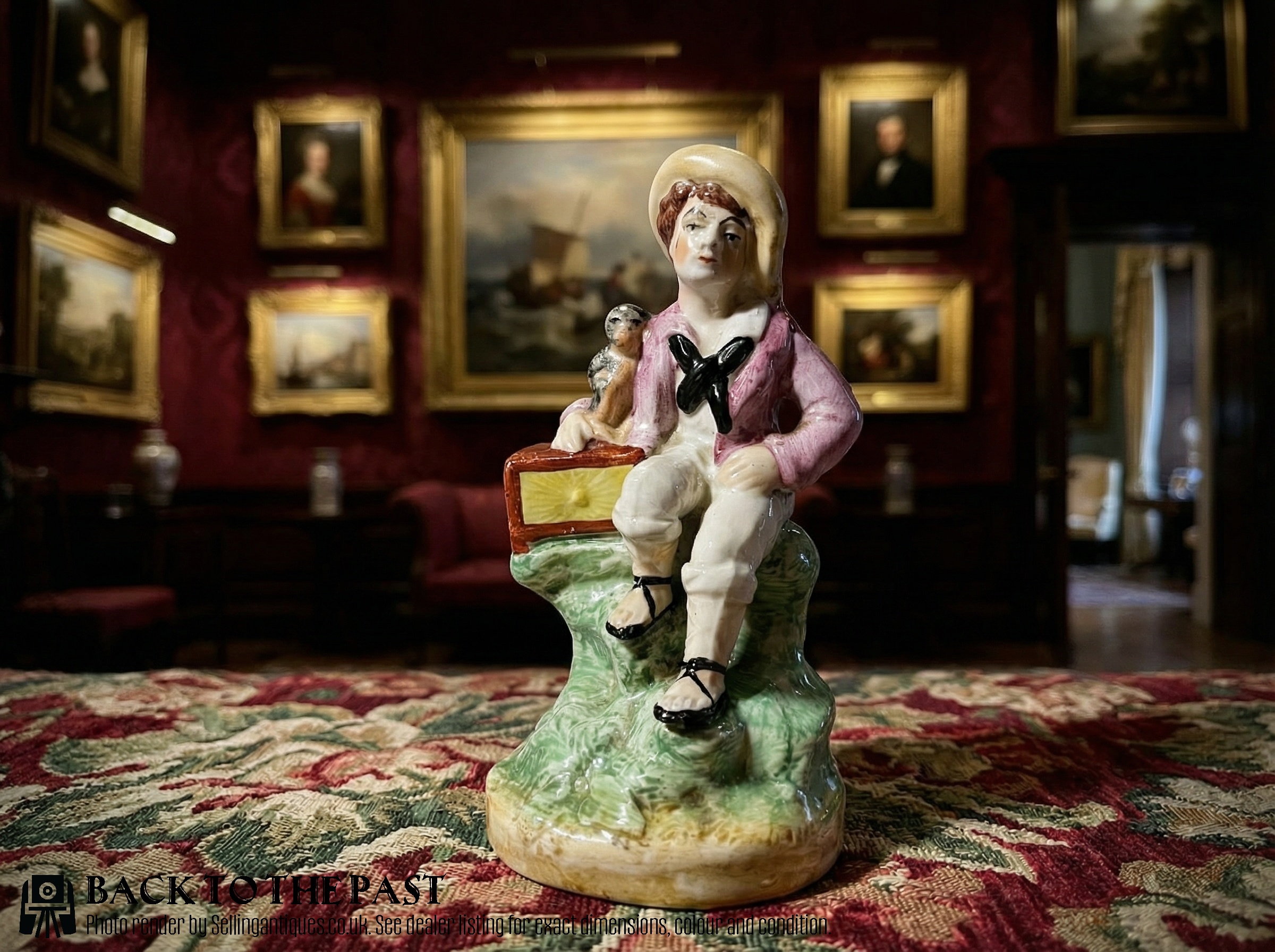
Earthenware Mantel Ornament
When you search for an earthenware mantel ornament, you encounter the robust ceramic figures and spill vases that enlivened British fireplaces during the Victorian period.
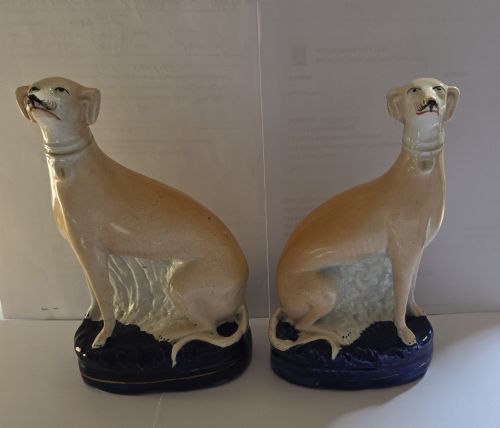
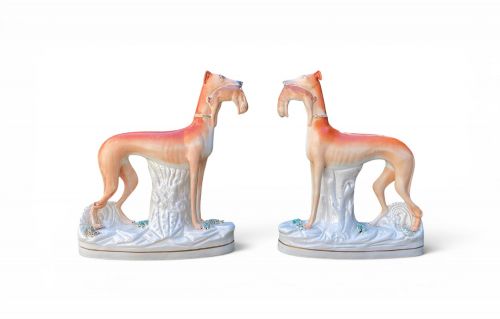
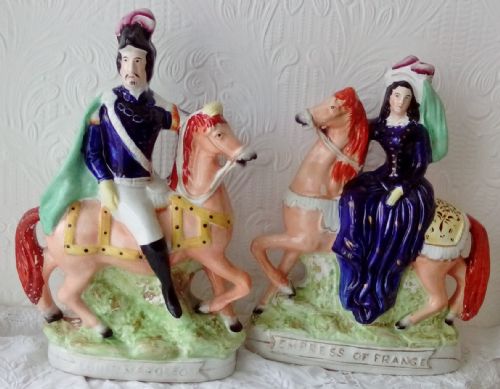
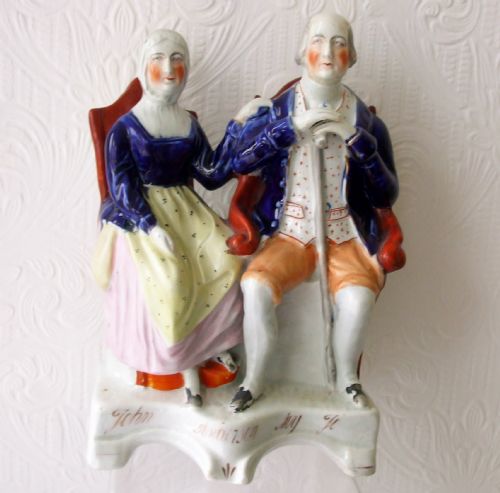
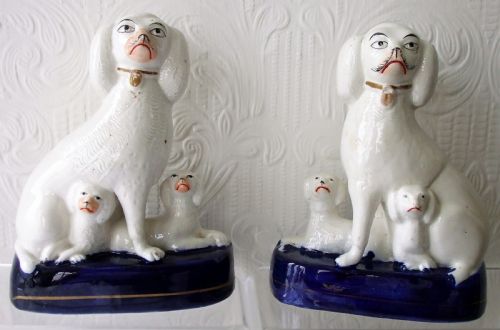
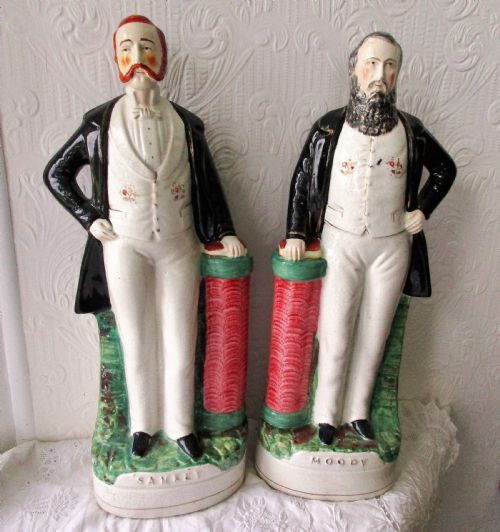
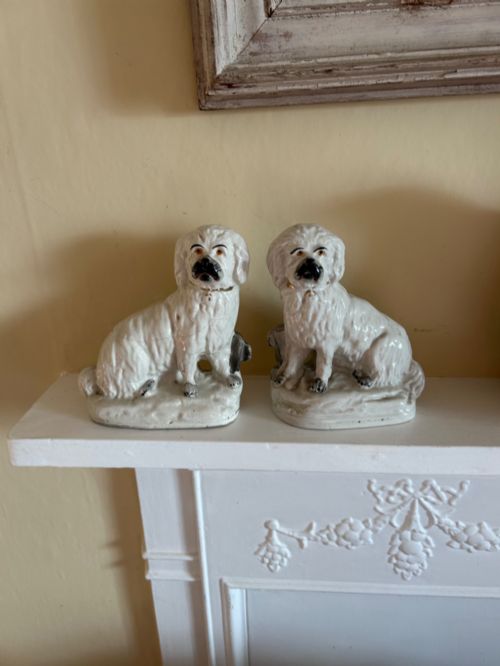
The pieces appearing on this page centre predominantly on nineteenth-century Staffordshire pottery, spanning seated spaniels, greyhounds, pugs, and narrative portrait figures.
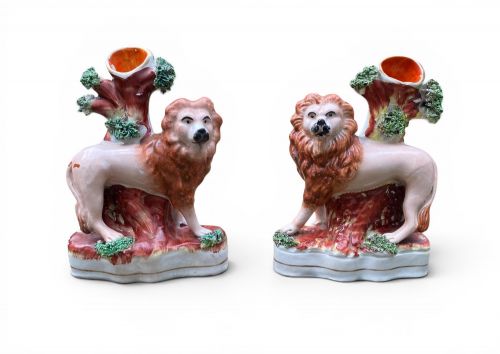
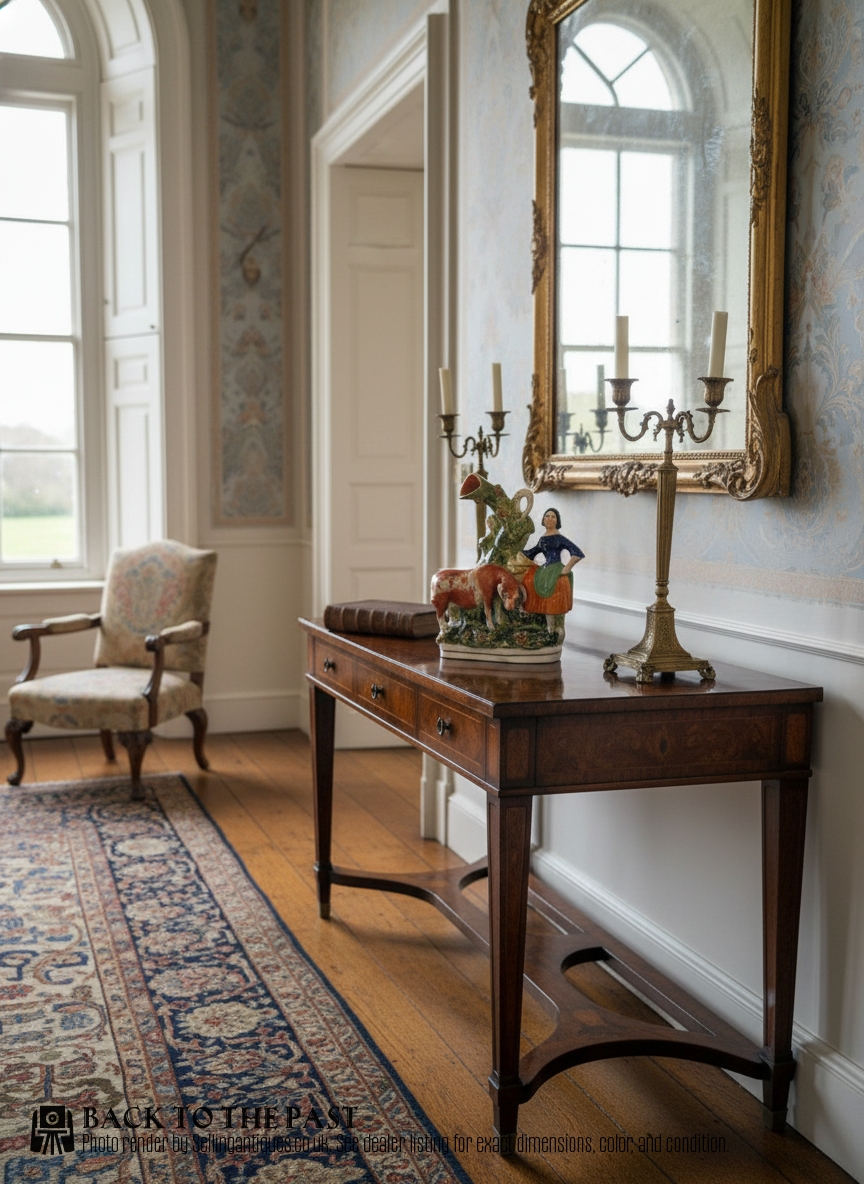
Makers shaped these ornamental objects to sit upon the mantelpiece, pairing symmetrical animal pairs with theatrical castles and historical personages.
How they were made
Potters formed these ornaments using earthenware clay, often shaping flatback figures designed to stand flush against a wall.
Artisans applied lead glaze and enamel paint to bring colour and surface shine to the ceramic body, occasionally adding gold leaf highlights.
Many dogs and spill vases emerged from moulds in matched pairs, reflecting the rigorous output of Victorian country potteries.
The listings here consist entirely of Victorian earthenware ceramics, spanning portrait figures, spill vases, and animal pairs.
What varies in quality
The standard of an earthenware mantel ornament rests upon the crispness of the mould impression and the steady hand of the enamel painter.
Earlier nineteenth-century pieces display sharper facial details and more careful hand-painting, whereas later variants can show softer lines in the ceramic body.
The preservation of the original glaze and the vibrancy of the enamel paint dictate the visual strength of the surviving figure.
Thomas Parr·Walton
The Earthenware Mantel Ornament Glossary
- Earthenware
- Porous ceramic fired at lower temperatures, serving as the primary body for these figures.
- Flatback
- A figure moulded with a flat unglazed or simply painted reverse so it sits neatly against a wall.
- Spill vase
- A hollow cylindrical holder attached to a figure, designed to hold wooden splints for lighting fires.
- Lead glaze
- A glossy coating containing lead oxide that creates a shiny waterproof finish over the ceramic.
Earthenware Mantel Ornament: Frequently Asked Questions
What is an earthenware mantel ornament?
These pieces are nineteenth-century ceramic figures and spill vases made in British potteries to decorate domestic fireplaces.
They depict animals, portraits, and literary scenes intended to bring colour and narrative interest into Victorian rooms.
Where were these mantel ornaments placed?
Victorian households positioned them along the mantelpiece above the fireplace, often arranging matched pairs symmetrically.
Because most feature flat backs, they sat securely against the wall on narrow wooden shelves.
How do I identify a flatback figure?
A flatback figure has a finished, detailed front and a largely unadorned, flat reverse side.
This construction allowed potters to use less clay and ensured the ornament rested flush against the chimney breast.
What are spill vases used for?
A spill vase combines a decorative figure with an integrated hollow tube used to hold wooden fire lighters.
Householders stored thin spills inside the vase to transfer flames from the hearth to candles and lamps.