



Antique Earthenware Sculpture
These antique earthenware sculpture pieces span centuries of ceramic artistry, offering buyers tangible historical figures and animals shaped from fired clay.
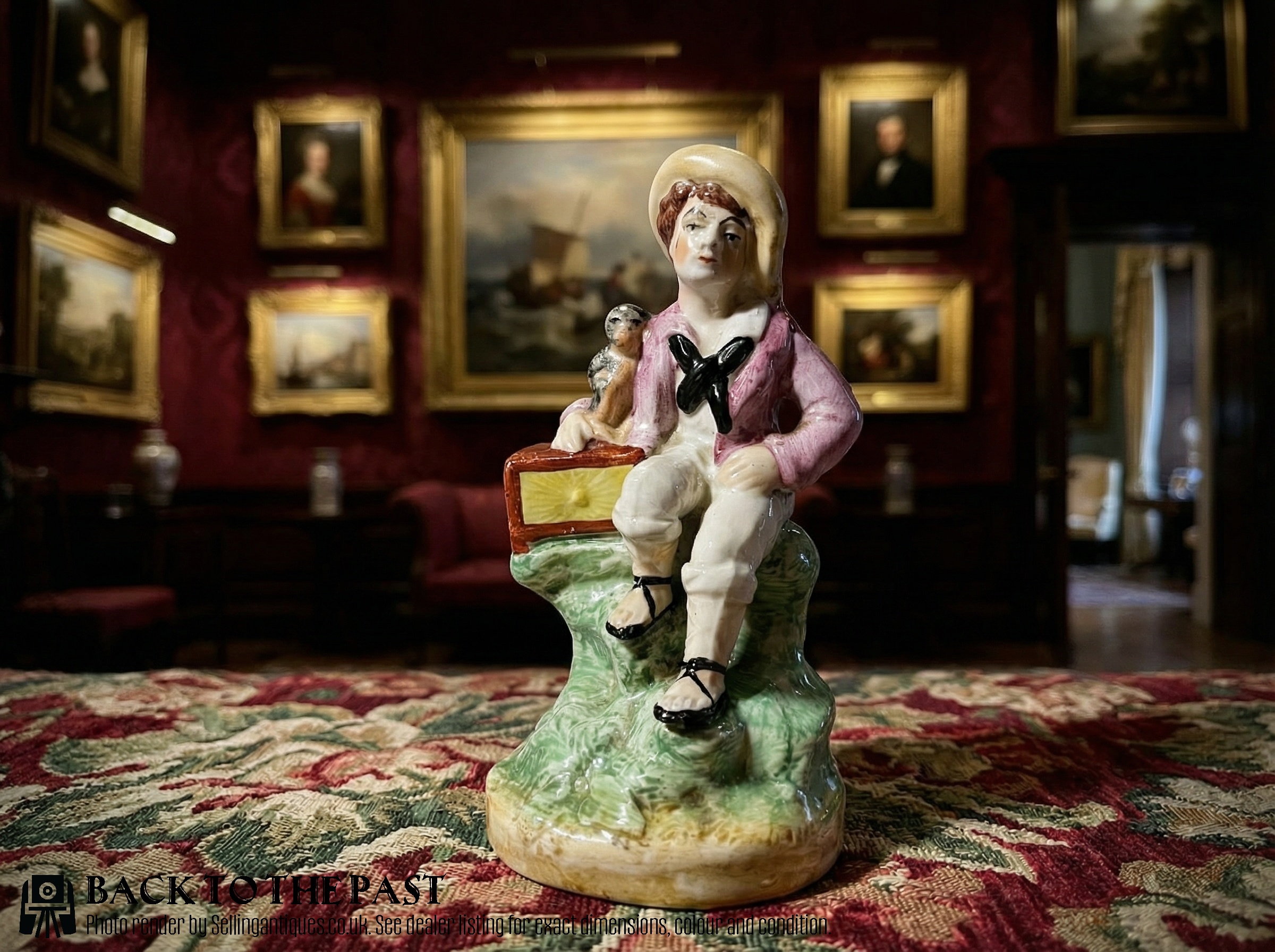
Antique Earthenware Sculpture
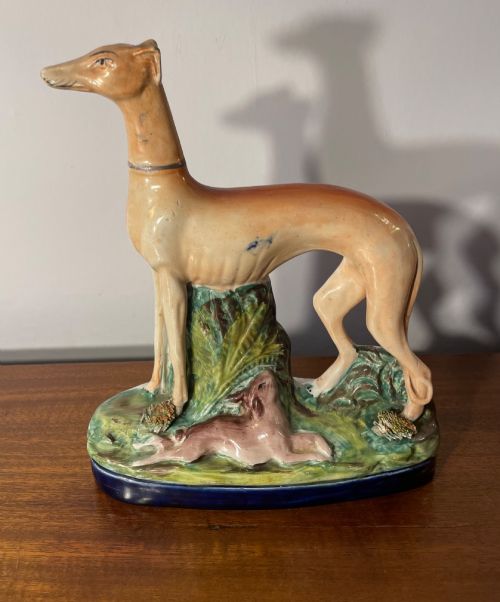
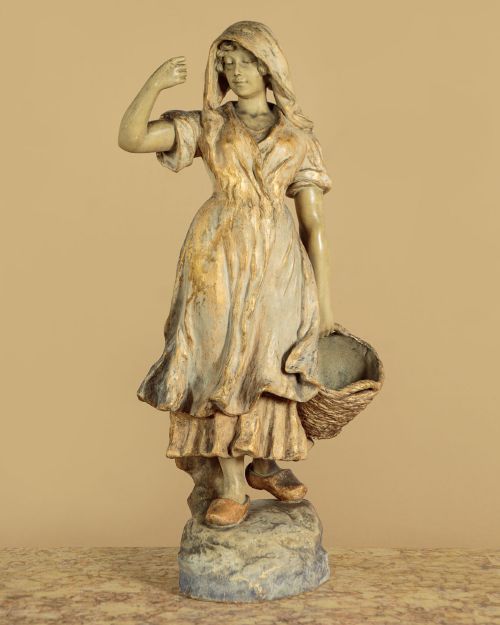
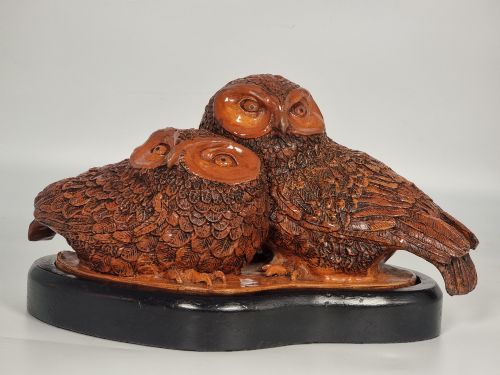
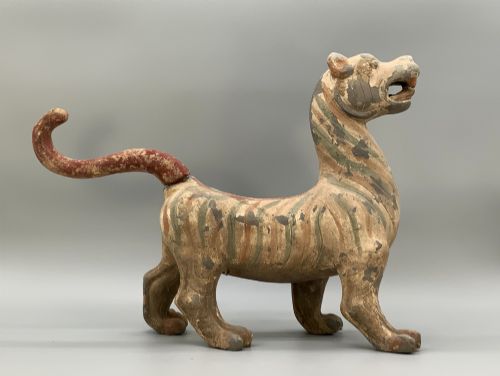
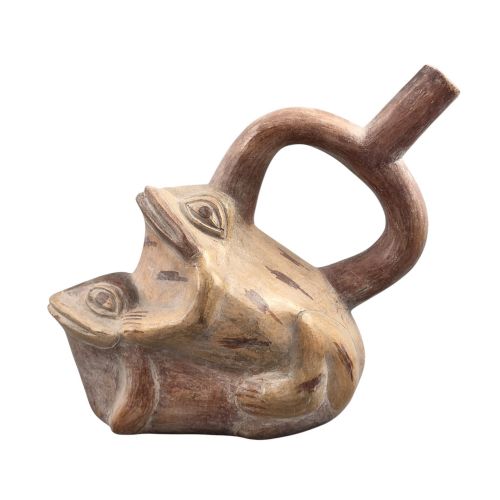
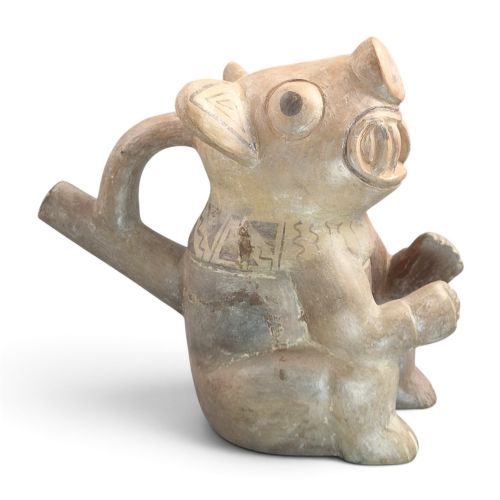
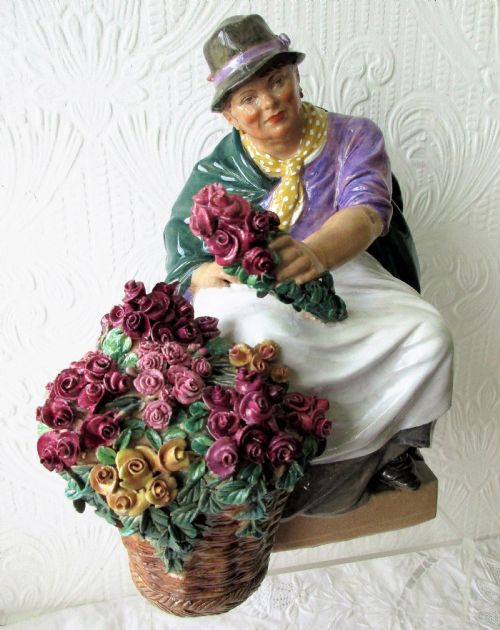
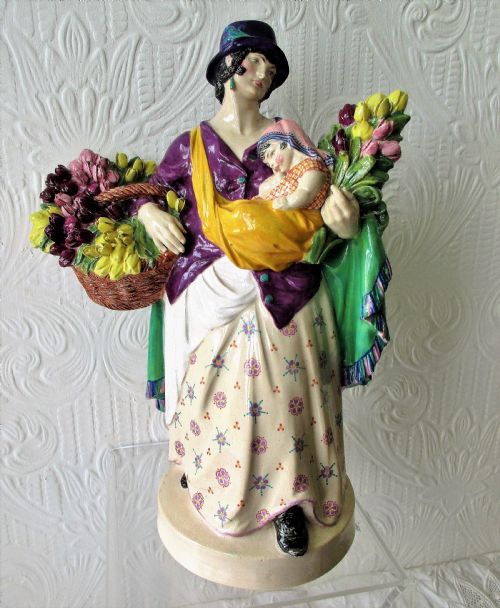
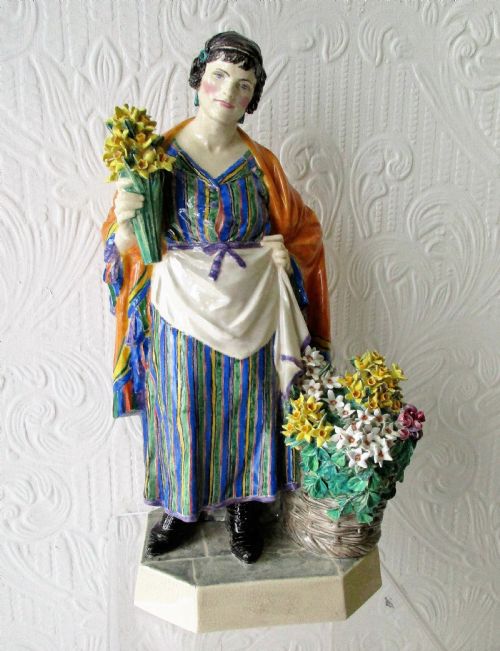
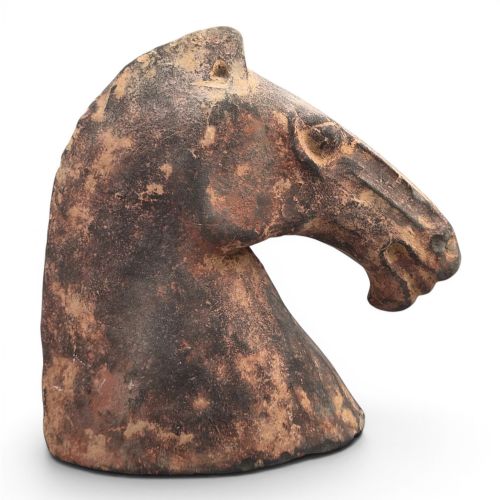
When you search for antique earthenware sculpture, you encounter a diverse array of figural works ranging from ancient tomb pottery to Victorian Staffordshire animals and Art Nouveau terracottas. The pieces appearing here bridge utilitarian clay forms and pure artistic expression, taking the shape of human figures, mythical beasts, domestic pets, and architectural ornaments.
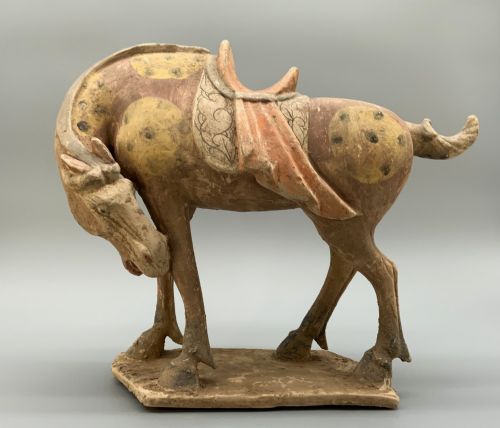
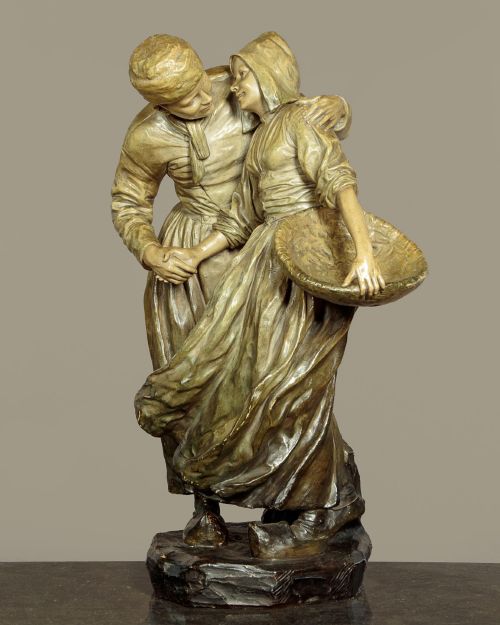
You are most likely to meet 19th-century European terracotta figures alongside Staffordshire pottery dogs and figures, as well as earlier Chinese funerary pieces. These works utilise porous, fired clay bodies finished with glazes, paints, or slip casts to bring character and form to domestic interiors and collections.
How they were made
Makers shaped these sculptures from earthenware and terracotta clays, utilising methods that ranged from simple hand-modelling and mould-pressing to slip casting. Once shaped, the pieces underwent kiln firing to harden the clay body into a durable ceramic structure.
Surface decoration defined the final appearance, employing lead glazes, polychrome enamel paints, or sancai glazes to add colour and sheen. Many European and Asian workshops combined these finishing techniques to highlight the intricate details of hair, clothing, and animal coats.
A ceramic pig from Normandy stands shoulder to shoulder with solemn temple guardians and elegant dancers.
What varies in quality
The sophistication of the glaze application also determines the tier of the piece, with richly mottled lead glazes or controlled polychrome enamels elevating the object. Studio pottery and factory works alike succeed when the clay body supports a balanced, harmonious silhouette without distortion from the kiln.
Goldscheider·Charles Vyse·Thomas Parr·Compton Potters Art Guild·Bernard Bloch·Ernst Wahliss
The Antique Earthenware Sculpture Glossary
- Terracotta
- Unglazed or slip-covered fired earthenware of a brownish-red colour. It provides a warm, porous material ideal for expressive figural modelling.
- Lead glaze
- A transparent or coloured glossy coating containing lead oxide applied to earthenware. This glaze gives pottery a vitreous, protective sheen.
- Sancai
- A three-colour lead glaze tradition originating in China, typically utilising amber, green, and cream tones. These glazes run pleasingly across Tang dynasty figures.
- Mingqi
- Ancient Chinese burial goods placed in tombs for the afterlife, including earthenware attendant and animal figures. They provide vital archaeological records.
- Slip cast
- A manufacturing technique where liquid clay slip is poured into a plaster mould to create hollow figures. It allowed European factories to produce consistent figural forms.
Antique Earthenware Sculpture: Frequently Asked Questions
How do I clean antique earthenware?
Dust these porous sculptures gently with a dry, soft brush to protect the fragile clay and old painted surfaces. Avoid using water or chemical cleaners, as moisture penetrates unglazed terracotta and damages historical finishes.
Keep the pieces away from areas prone to high humidity or direct sunlight to preserve the integrity of the ceramic body. Careful handling prevents chipping on delicate extremities like fingers or ears.
Were these figures meant for display?
Most of these sculptures served as decorative ornaments for mantelpieces, drawing rooms, or architectural display. Staffordshire groups and Art Nouveau terracottas were designed specifically to enrich domestic interiors with narrative scenes and natural forms.
Earlier examples, such as Chinese tomb figures, originated as ritual objects placed inside burial chambers before entering collector markets. Over time, all these pieces transitioned into cherished cabinet displays and sculptural focal points.
How can I tell different periods apart?
Stylistic cues and material characteristics offer the clearest indicators of age for these sculptures. Art Nouveau pieces reveal flowing organic lines and characteristic female forms, while Victorian Staffordshire items display distinct moulded bases and enamel painting.
Ancient Asian and pre-Columbian works show specific potting traits, mineral patination, and kiln methods unique to their original dynasties or eras. Comparing the clay body and glaze palette against known historical examples confirms the period.
Why is terracotta used so often?
Terracotta provides a versatile, accessible medium that responds immediately to the sculptor's hands and moulds. Its malleability allows artists to capture fine textures in hair, drapery, and facial expressions before the firing process.
The warm reddish-brown hue also offers an appealing natural aesthetic that requires little embellishment to look complete. This combination of workability and visual charm made it a favourite for centuries of figural sculpture.