

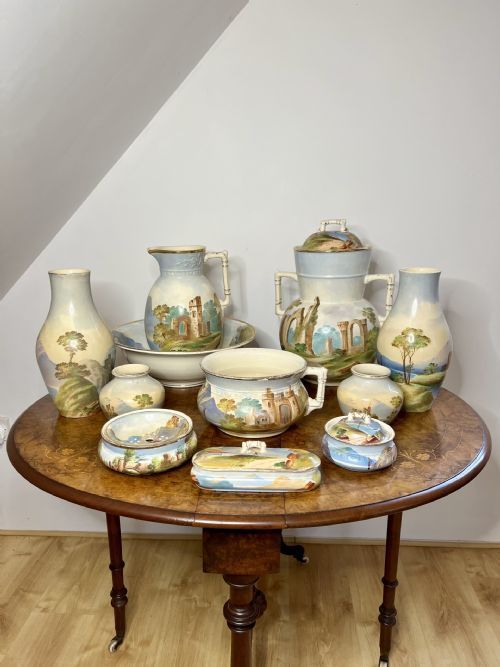


Earthenware Jug Painting
These earthenware jug painting items comprise hand-decorated ceramic vessels from the eighteenth and nineteenth centuries, sought after for their vibrant pigments and historic glaze techniques.
Earthenware Jug Painting
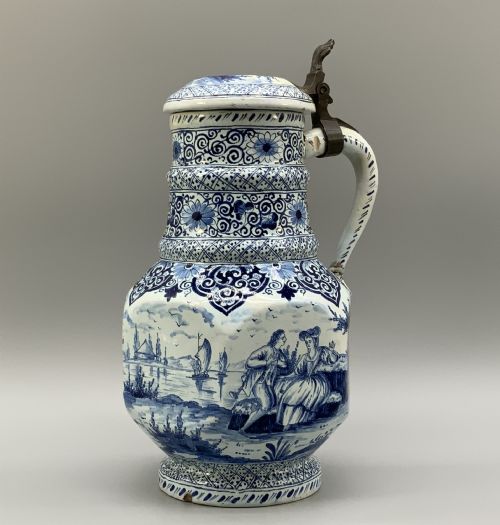
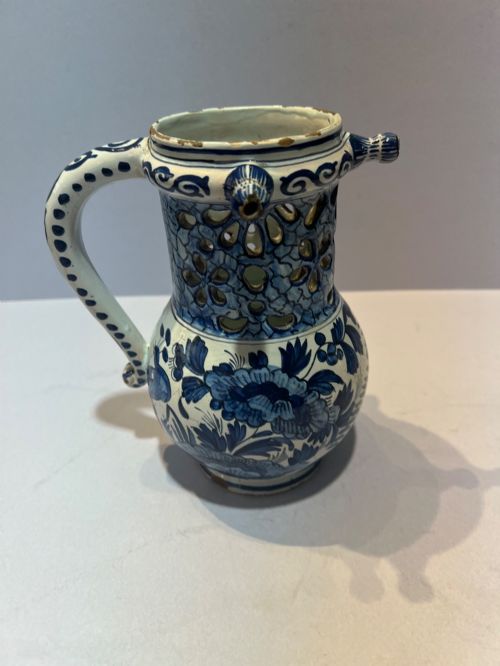
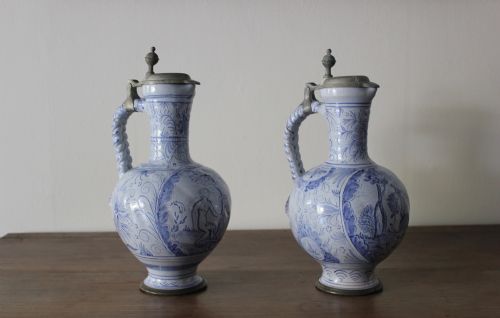
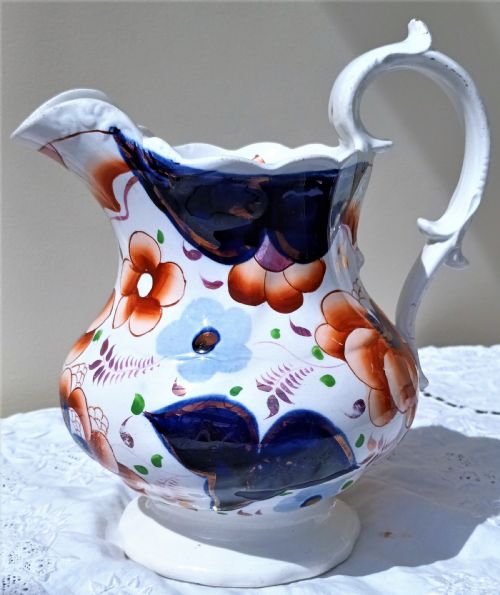
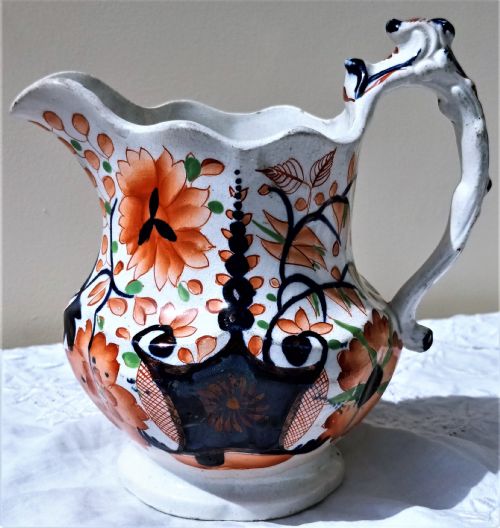
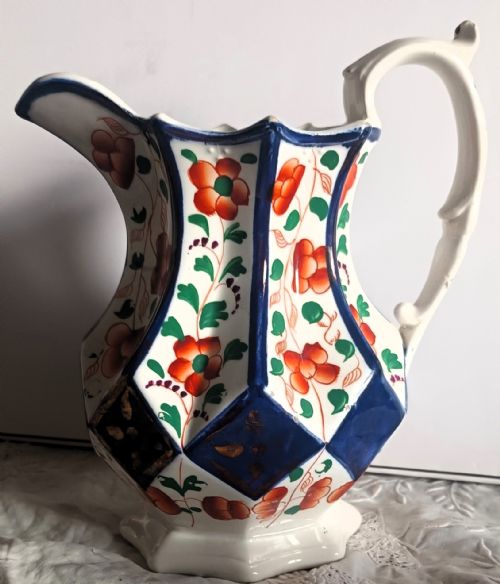
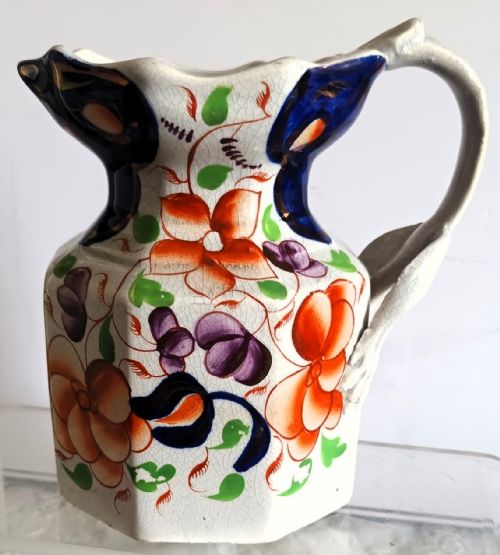
An earthenware jug painting selection brings together glazed ceramic pitchers, ewers, and figural vessels spanning the Georgian, Victorian, and Edwardian eras. Buyers encounter a diverse array of forms, from functional pouring vessels to characterful Toby jugs and intricate Dutch Delftware pieces.
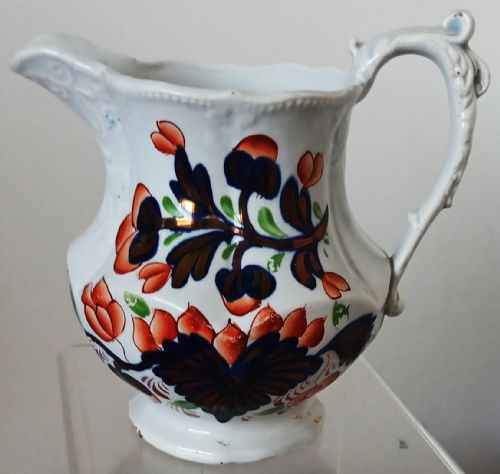
The inventory leans heavily towards nineteenth-century Gaudy Welsh patterns, alongside eighteenth-century tin-glazed earthenware and Staffordshire productions. These pieces showcase domestic table use and ornamental display traditions across Britain and continental Europe.
Materials and Construction
Potters shaped these vessels from porous earthenware and pearlware bodies, frequently applying tin glazes or copper lustre finishes to seal the porous clay. Pigments and enamel colours were then painted directly onto the surface before firing.
Moulding techniques permitted intricate relief details, such as cabbage leaf textures or figural representations, while hand-painting ensured individual character in floral motifs and polychrome scenes.
Listings feature earthenware and pearlware materials alongside tin-glazed and copper lustre finishes from the eighteenth and nineteenth centuries.
Assessing Quality and Execution
Quality rests upon the crispness of the moulded relief and the precision of the hand-painted decoration across the earthenware body. Superior examples display vibrant, stable enamel colours and carefully controlled glaze application without excessive pooling.
The artistic merit of the painted surface, whether depicting floral patterns or mythological figures, dictates the standing of a piece within its period.
Charlotte Rhead·Gien Faience
The Earthenware Jug Painting Glossary
- Earthenware
- A porous pottery type fired at lower temperatures, requiring a glaze to hold liquids. It forms the structural base for the majority of these decorated vessels.
- Tin Glaze
- An opaque white glaze containing tin oxide, used to create a smooth background for hand-painted blue and polychrome decoration. It is characteristic of Delftware production.
- Pearlware
- A refined earthenware developed in the late eighteenth century featuring a subtle bluish glaze over a whiter body. It mimics the appearance of porcelain.
- Copper Lustre
- A metallic glaze application that imparts a reflective, coppery sheen to the ceramic surface. It appears frequently on nineteenth-century milk and cream jugs.
- Toby Jug
- A pottery jug modelled in the shape of a seated person, usually a robust eighteenth-century figure holding a mug and jug of beer. These figural pieces combine sculpture with functional pouring.
Earthenware Jug Painting: Frequently Asked Questions
What is a Gaudy Welsh jug?
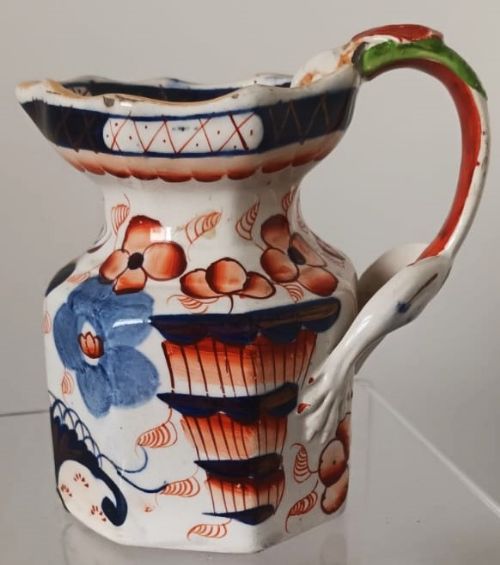
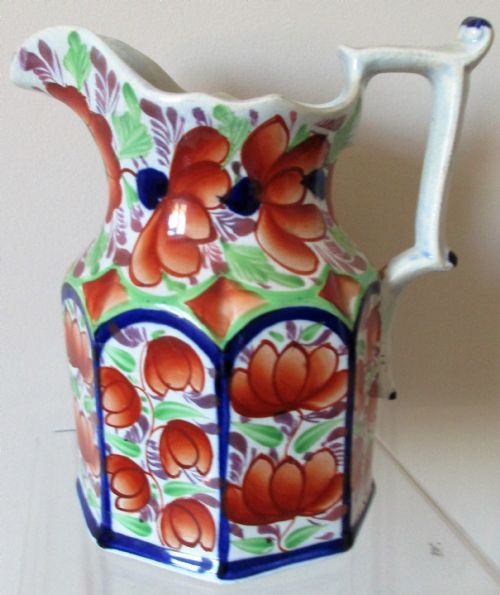
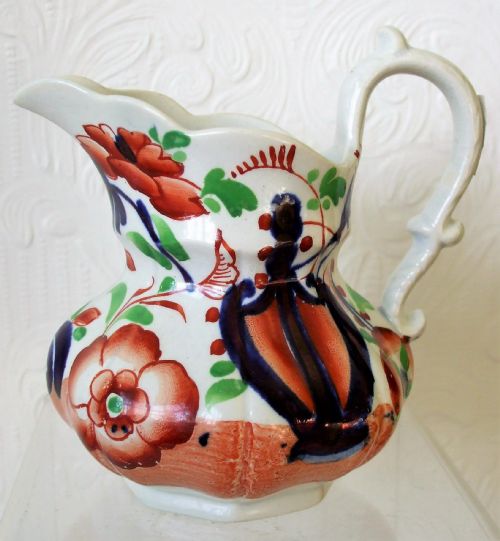
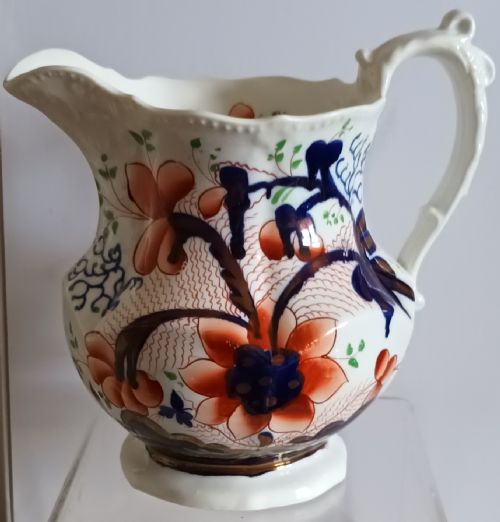
Gudy Welsh pottery refers to nineteenth-century earthenware featuring bright cobalt blue, copper lustre, and iron-red painted motifs. These domestic pieces were widely produced for everyday use.
Collectors prize them for their exuberant palette and traditional patterns named after Welsh locations.
How do I care for antique earthenware?
Antique earthenware requires gentle handling and protection from sudden temperature changes to preserve the glaze and painted surface. Dusting with a soft cloth is preferred over washing.
Keep these vessels out of direct sunlight to prevent fading of the historic enamels.
What distinguishes Delftware from standard pottery?
Delftware uses a tin-glazed earthenware body painted with mineral oxides, traditionally resulting in blue and white designs. This technique originated in the Netherlands before spreading to England.
The opaque white glaze provides a canvas for intricate hand-painted floral and pictorial scenes.
Are these jugs suitable for daily use?
Most of these historic pieces function better as decorative display items rather than functional tableware. Age makes the porous earthenware and painted surfaces vulnerable to modern detergents and liquids.
Enjoying them on a shelf preserves the integrity of the glaze and pigments.