

European Oil Painting
European oil painting works across centuries of continental schools, offering portraits, landscapes and still lifes that bring historic depth to any room.
European Oil Painting
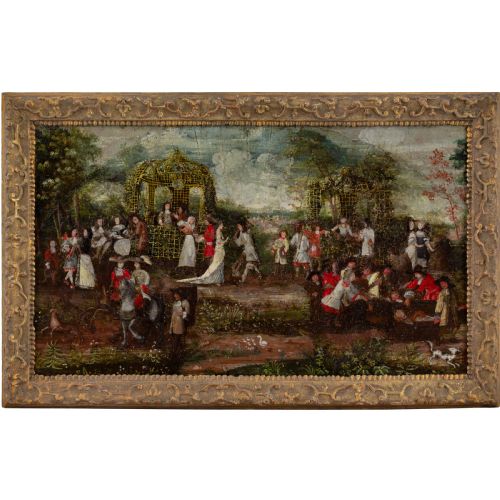
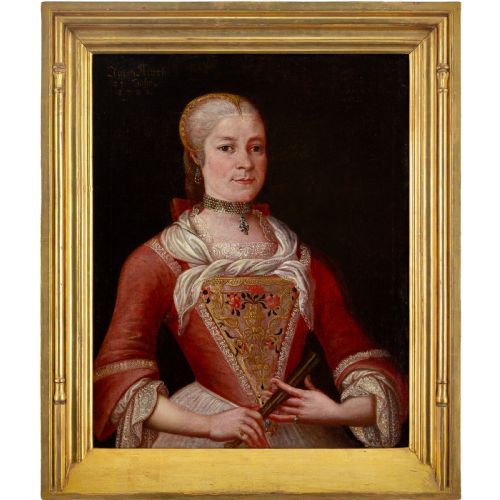
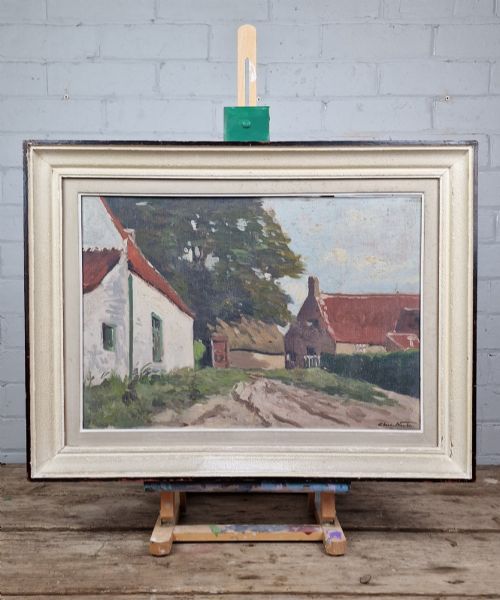
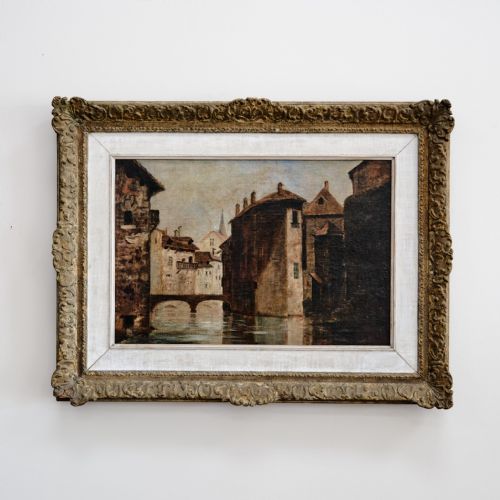
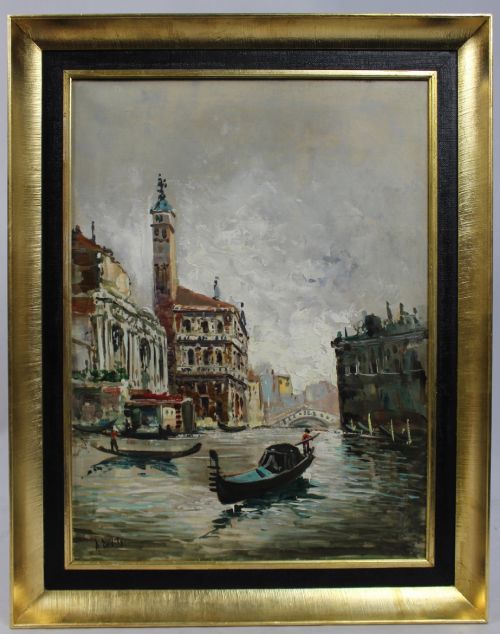
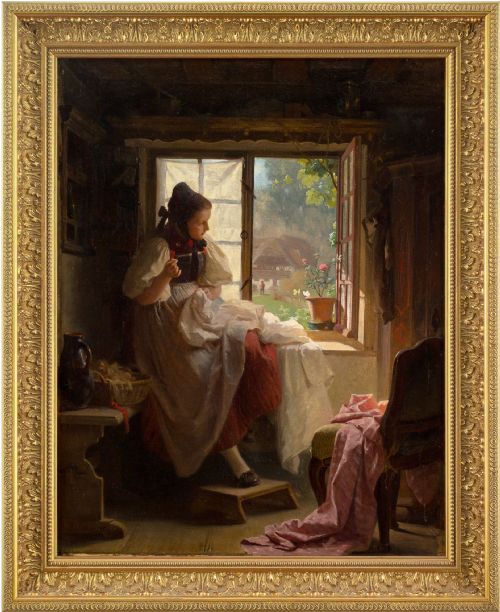
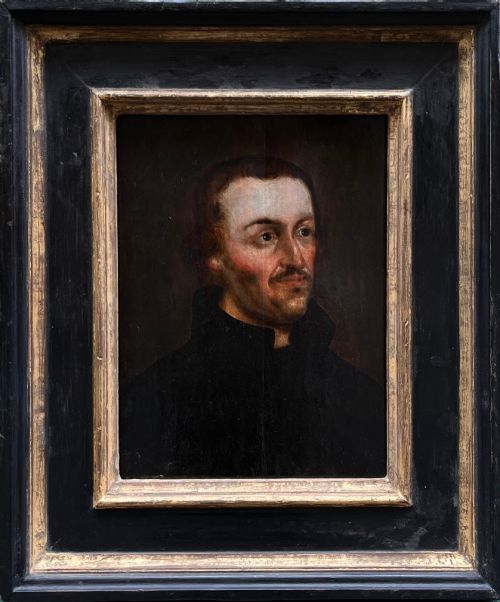
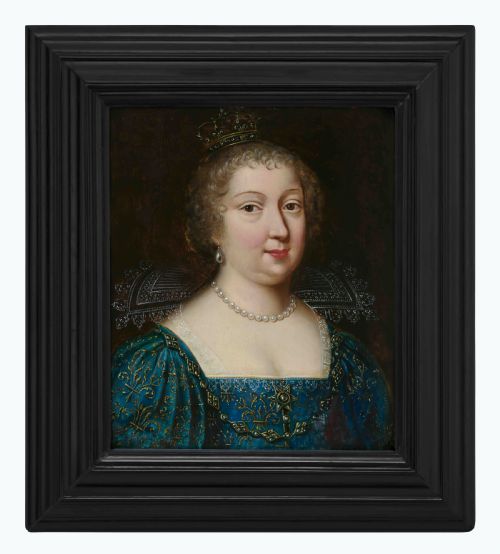
When you search for european oil painting, you encounter works spanning from the seventeenth century through to the mid-twentieth century. The selection ranges from formal aristocratic portraits to rural landscapes and atmospheric city scenes originating from Flemish, Dutch, French, German, and Italian schools.
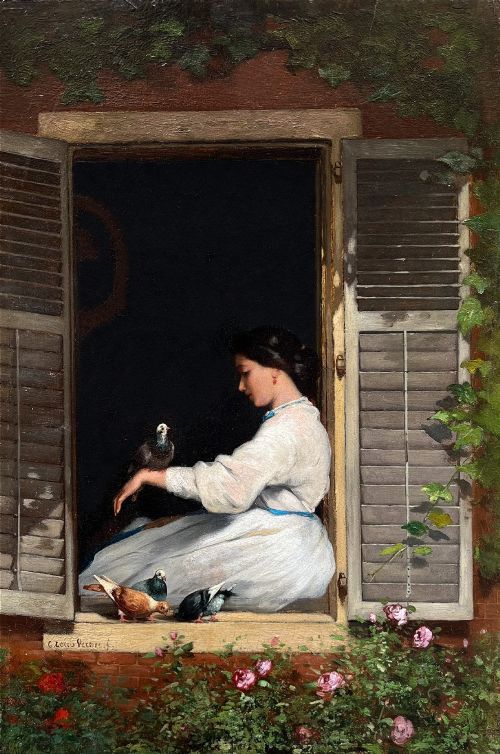
You are most likely to meet nineteenth-century canvases and mid-century impressionist works on this page. These pieces include both signed compositions by recognised continental artists and atmospheric works by regional European schools.
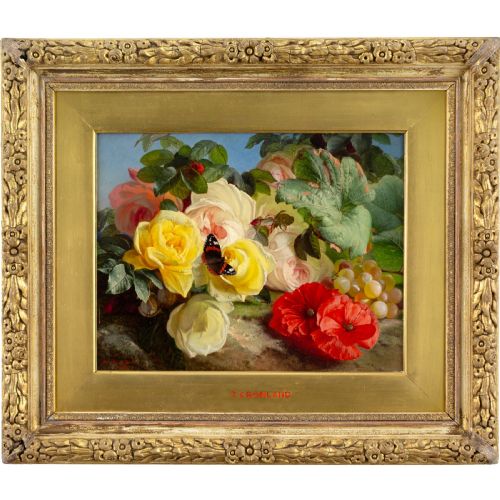
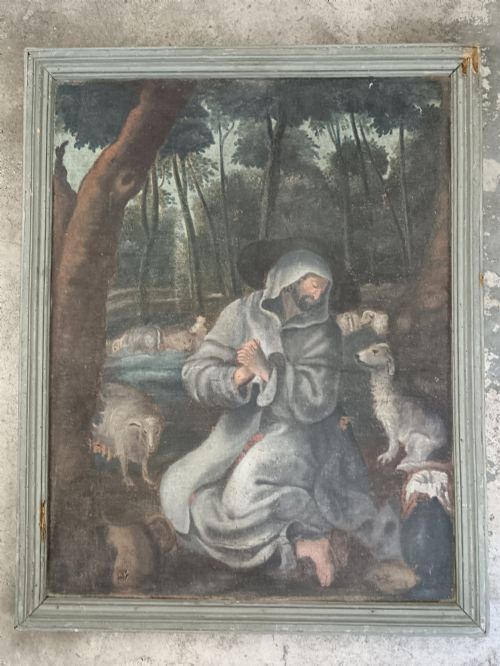
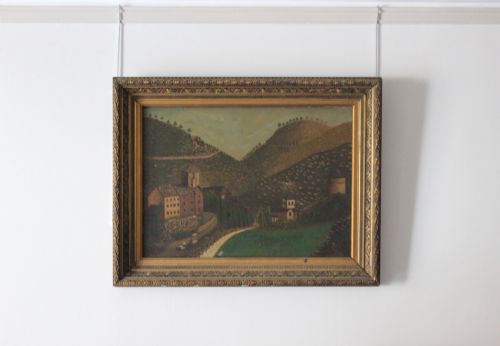
The subjects cover everything from quiet farmyards and alpine views to intricate floral still lifes and religious scenes. Each painting reflects the artistic conventions and regional aesthetics of its period and origin.
How They Were Made
These works rely on oil paint applied to supports such as woven canvas, wooden panels, board, and extended fan leaves. Artists built up compositions using pigmented oils, sometimes incorporating gesso grounds to prepare the surface.
Many of the surviving pieces retain their period frames constructed from wood, giltwood, or finished with gold leaf. These frames often feature applied moulding or ornate decoration characteristic of their century.
Materials recorded across the inventory include oil paint, canvas, wood panels, gesso, and giltwood frames.
What Varies in Quality
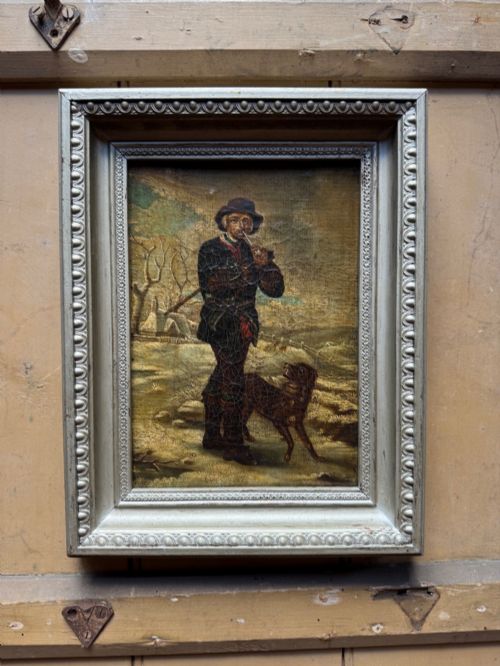
The distinction between standard works and exceptional pieces lies in the handling of light, brushwork confidence, and anatomical or spatial precision. Masterful portraits and landscapes demonstrate nuanced colour blending and psychological depth, whereas naive or regional school pieces display simpler, more direct execution.
Preservation of the original paint layer and the condition of the support also define the tier of a piece. Works retaining their untouched historic surfaces and period gilt frames sit at the upper end of the scale compared to those requiring substantial conservation.
Theude Grönland·Charles Houben·Antonio DeVity·Max Kaltenmoser·Louis Charles Verwee·Albert Rieger·Paul-Élie Gernez·Victor Simonin·Frans Gailliard·Cecil Rochfort D'Oyly-John·Jules Rambo·Mercedes Legrand·Johan Horner
The European Oil Painting Glossary
- Oil on Canvas
- A traditional painting method where pigment suspended in oil is applied to a stretched woven fabric support. This technique allowed artists to create rich textures and subtle tonal gradations.
- Giltwood
- Wood carved and coated with a thin layer of gold leaf or metallic powder. It provides a reflective, ornate border for historic paintings.
- Pentimento
- An alteration in a painting evidenced by underlying visible brushstrokes or contours that show an earlier stage of the composition. This occurrence often authenticates the organic creative process of the artist.
- Impressionism
- A nineteenth-century style characterised by relatively small, thin yet visible brush strokes and an emphasis on accurate depiction of light. It captures the visual impression of the moment rather than meticulous detail.
- European School
- A term applied to artworks created by continental European artists whose specific individual identity is unrecorded or part of a shared regional tradition. It groups pieces by geographic and stylistic origin.
European Oil Painting: Frequently Asked Questions
How do I identify a seventeenth-century portrait?
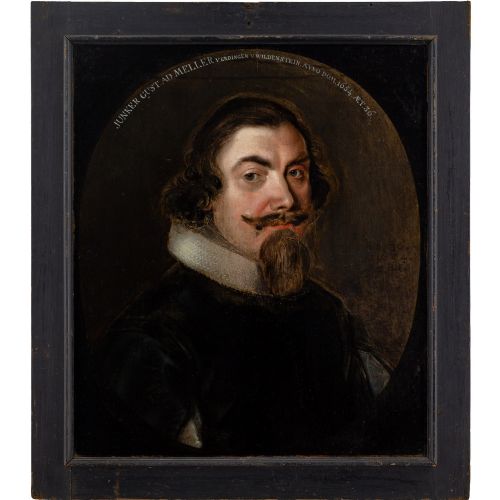
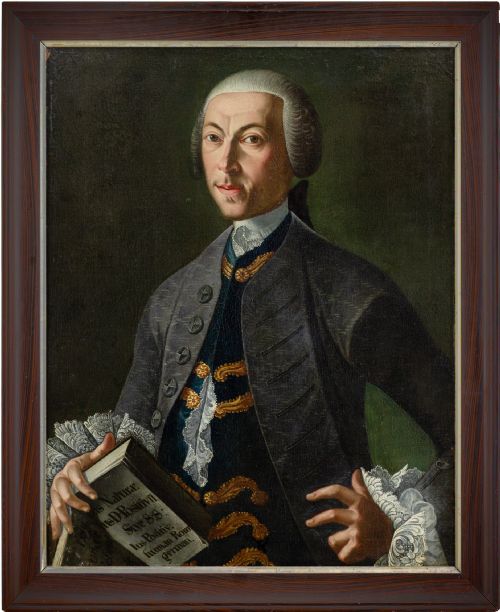
Seventeenth-century portraits typically feature rigid formal postures, dark backgrounds, and specific costume details such as lace ruffs or velvet doublets. Artists of this era focused heavily on capturing status through precise facial rendering and heavy drapery.
You will also find regional school attributions in the titles that point towards Dutch, Flemish, or German workshops of the period. Examining the construction of the canvas or wood panel often confirms the age.
What is the difference between canvas and panel paintings?
Canvas paintings utilise a stretched woven textile support that yields slightly to the touch and allows for expansive brushwork. Panel paintings use solid wood boards or blocks, providing a rigid, smooth surface favoured in earlier centuries.
Panels can sometimes show splits or warping across the grain over time, whereas canvases are susceptible to punctures or slackening. Both methods dictate how the oil paint ages and adheres.
How should I hang an oil painting?
Hang your oil painting away from direct sunlight and sources of extreme heat or humidity to protect the canvas and paint layers. Use sturdy picture hooks rated for the combined weight of the painting and its frame.
Ensure the wall fixings anchor securely into masonry or wall studs rather than plaster alone. Regular inspection of the hanging wire and D-rings maintains structural safety.
Are gilt frames original to the paintings?
Many nineteenth and twentieth-century works retain their original giltwood or gold leaf frames, matching the period of creation. Earlier works have frequently been reframed across the centuries to suit changing interior aesthetics.
Matching frame styles and patination offer clues to whether a frame has remained with the canvas since its creation. Wear patterns on the gold leaf often correspond directly to the age of the frame.