


Traditional Canvas Painting
Traditional canvas painting brings centuries of portraits, landscapes, and still lifes into interiors through oil on canvas mounted in wood and gilt frames.
Traditional Canvas Painting
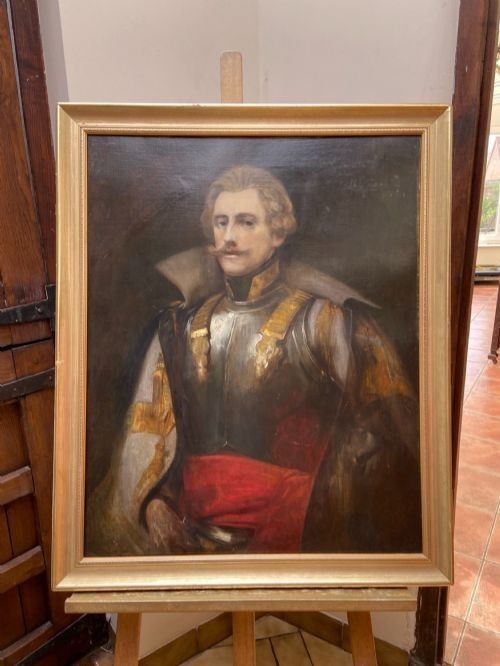
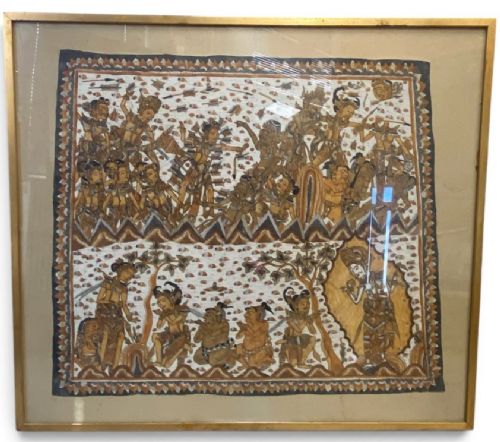
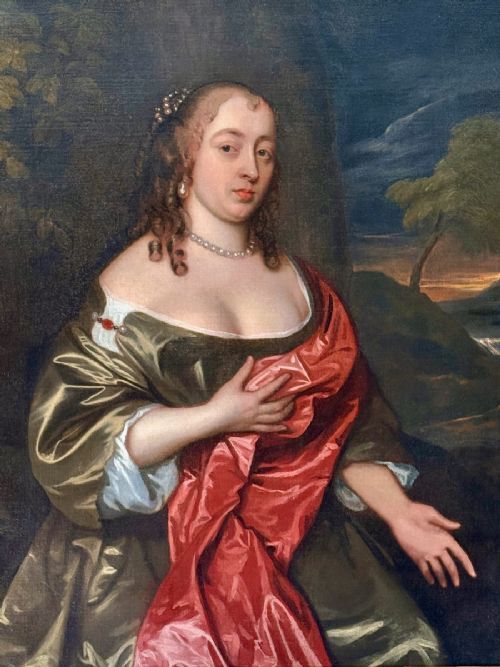
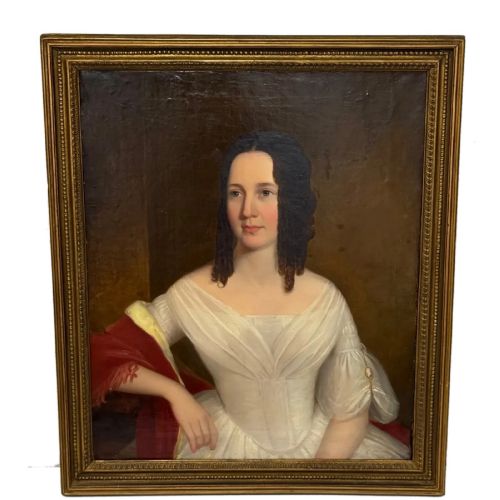
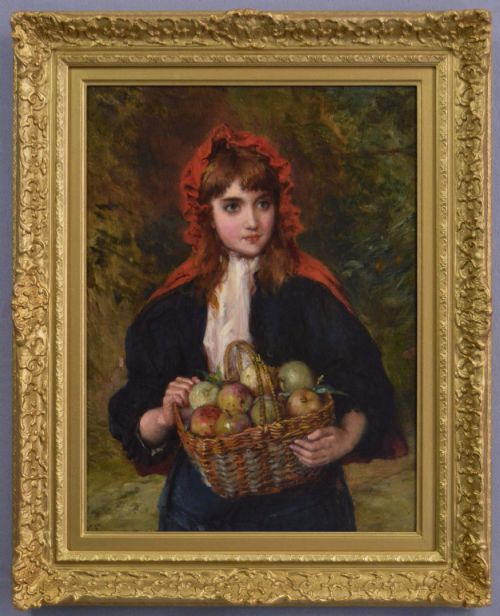
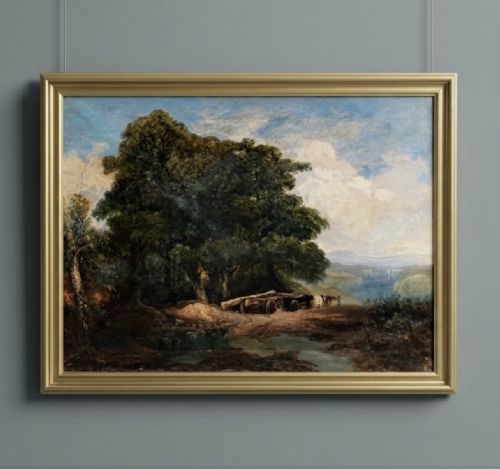
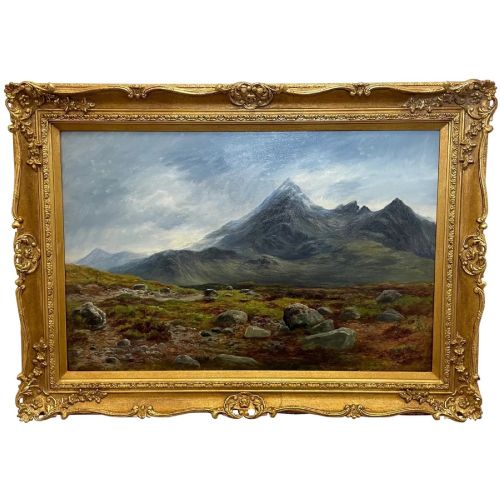
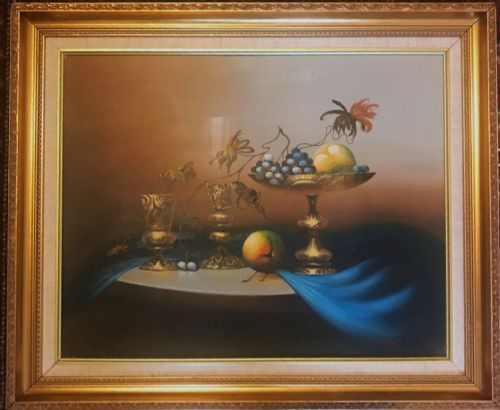
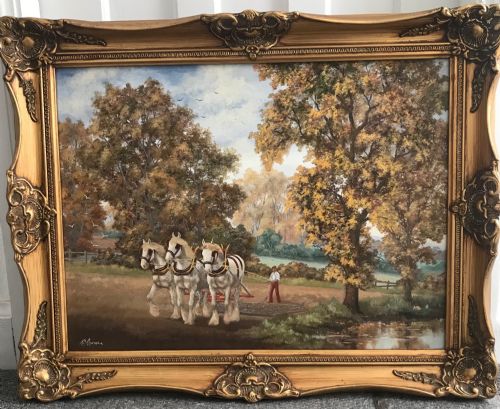
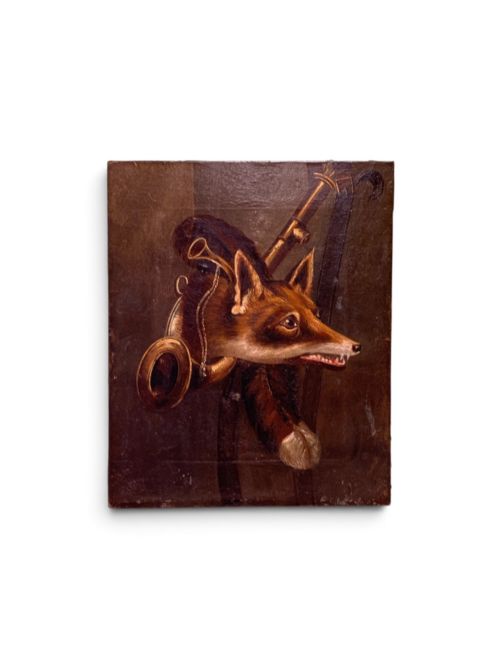
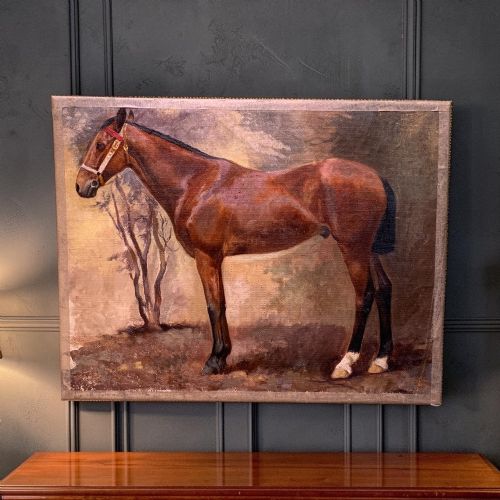
A traditional canvas painting is an artwork rendered in oil paint on a woven fabric support, primarily encountered here across the eighteenth, nineteenth, and early twentieth centuries. These works span distinct genres including portraiture, pastoral landscapes, marine scenes, sporting art, and floral still lifes.
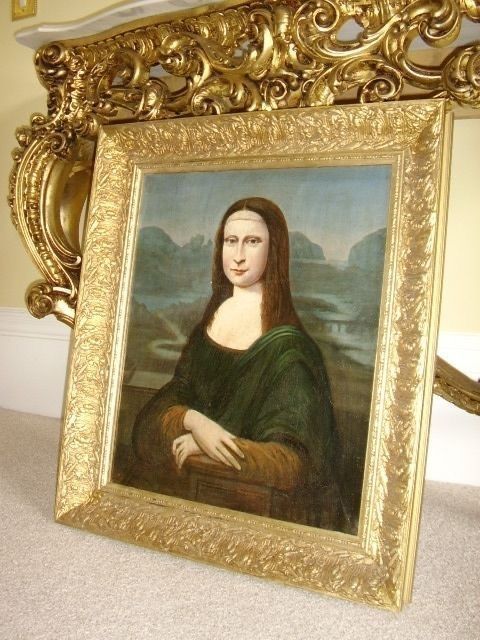
The pieces on this page originate from British, French, and Dutch schools, ranging from intimate domestic portraits to monumental romantic landscapes. Buyers encounter both signed original compositions by named artists and accomplished period copies executed after historical masters.
Framing forms an integral component of these works, with many examples housed in period giltwood and gesso frames that complement the canvas. The subjects reflect changing aesthetic priorities across Georgian, Victorian, and Edwardian eras, from rigorous realism to expressive plein-air capture.
Materials and construction
Pigments ground in oil are applied to stretched canvas, utilising the textile grain to hold viscous brushwork and subtle glazes. Wood stretchers support the fabric ground while heavier timber and gilt frames enclose the perimeter.
Artists built depth through successive layers of opaque paint and translucent colour, creating lasting luminosity. Gilt gesso frames combine carved wood mouldings with applied plaster ornament finished in gold leaf.
Listings feature works spanning the 18th, 19th, and 20th centuries, executed in oil on canvas and housed in giltwood frames.
Markers of quality
Quality rests in the handling of light, anatomy, and spatial depth, distinguishing accomplished academic execution from stiff mechanical copying. Subtle tonal gradation in portraiture and atmospheric perspective in landscape separate superior canvases from rudimentary works.
The integrity of the canvas support and the preservation of the original paint layer dictate condition quality. Original period frames matching the exact scale and era of the artwork elevate the standing of the piece.
John Hayls·William Oliver·Richard Sebastian Bond·William Beattie-Brown·Jozsef Molnar·William H Myers·George Graham·George Willison·Hendrik Willem Schweickhardt·Alfred Fontville de Breanski Jr·George Houston
The Traditional Canvas Painting Glossary
- Canvas
- A heavy woven fabric, usually linen or cotton, stretched tightly across a wooden frame to serve as the painting surface.
- Giltwood
- Wood carved and coated with gold leaf or metallic powder, commonly utilised for ornate nineteenth century picture frames.
- Gesso
- A plaster-like mixture applied to wood frames to create a smooth surface for gilding and ornamentation.
- Still Life
- An artwork depicting inanimate subject matter, typically commonplace objects such as fruit, flowers, or game.
- Plein Air
- The act of painting outdoors to capture direct natural light and atmospheric conditions.
Traditional Canvas Painting: Frequently Asked Questions
How do I clean a canvas painting?
Surface dust may be gently removed with a soft, dry natural bristle brush. Avoid touching the paint film directly with water or chemical solvents.
Professional conservators should handle deeper cleaning or varnish removal to prevent permanent damage to the oil pigments.
Are these paintings original works?
The selection includes original signed compositions by period artists alongside historical studio copies and tributes to earlier masters. Each listing records the specific attribution and date associated with the artwork.
Cataloguing details indicate whether a piece is an autograph work or executed in the manner of a specific school.
How should I hang a heavy oil painting?
Large canvases in timber and gilt frames require secure wall fixings anchored directly into masonry or solid studs. Weight distribution must rely on rated picture wire and sturdy brass D-rings screwed into the wooden stretcher frame.
Keep paintings away from direct sunlight, heating vents, and damp walls to protect the canvas and wood.
What is the difference between an oil and a watercolour?
Oil paint utilises slow-drying linseed binders that allow rich blending, heavy impasto, and deep colour saturation on a woven canvas support. Watercolours employ water-soluble pigments on paper under glass, yielding a lighter and more translucent finish.
Oils are traditionally heavier, more durable, and housed in substantial frames without protective glazing.