
Earthenware Ceramic Jug
These earthenware ceramic jug pieces carry centuries of utility and decoration into the modern home.
Earthenware Ceramic Jug
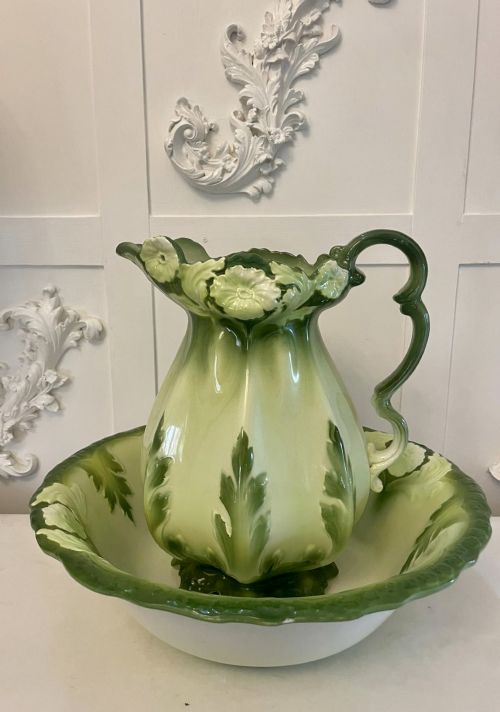
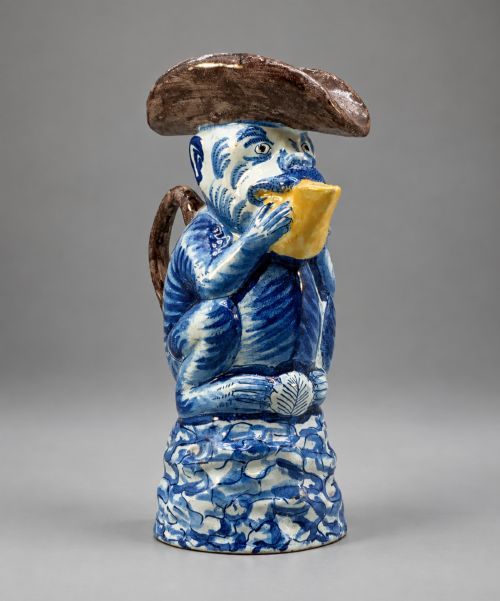
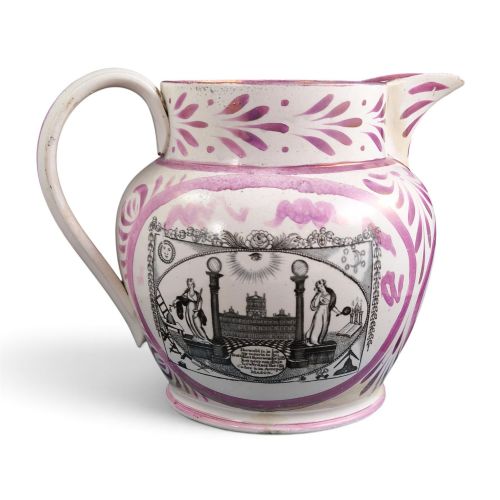
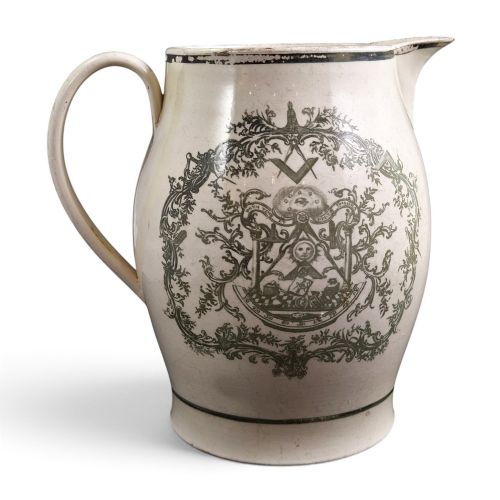
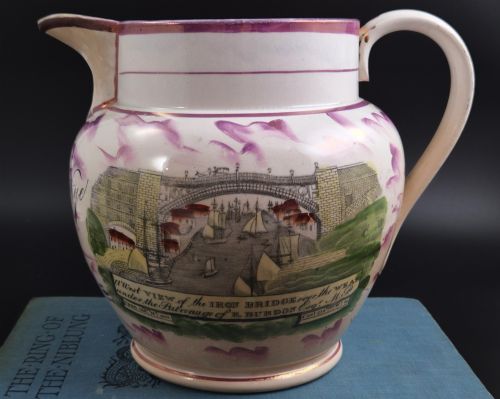
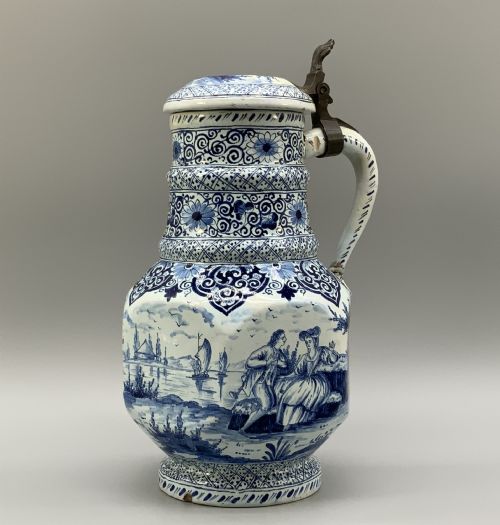
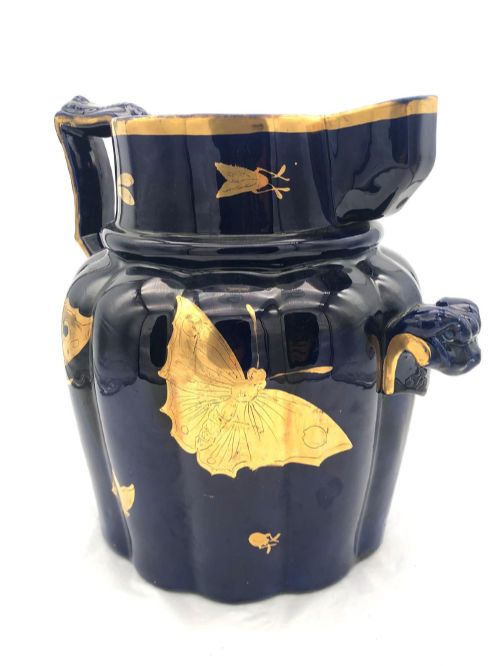
When you search for an earthenware ceramic jug, you encounter vessels produced primarily during the Georgian, Victorian, and Edwardian eras, alongside earlier 18th-century examples. The most common forms met on this page include Sunderland lustre pieces, Staffordshire creamware, and Dutch Delftware vessels.
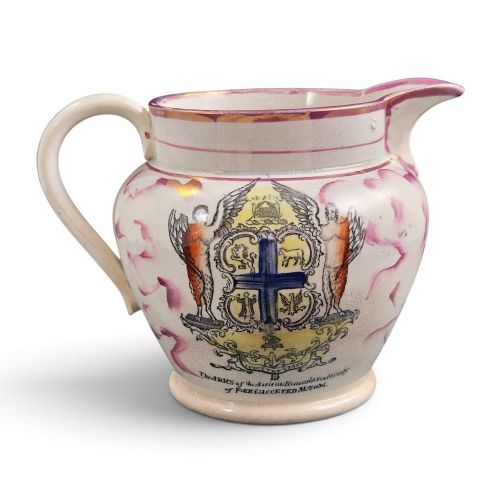
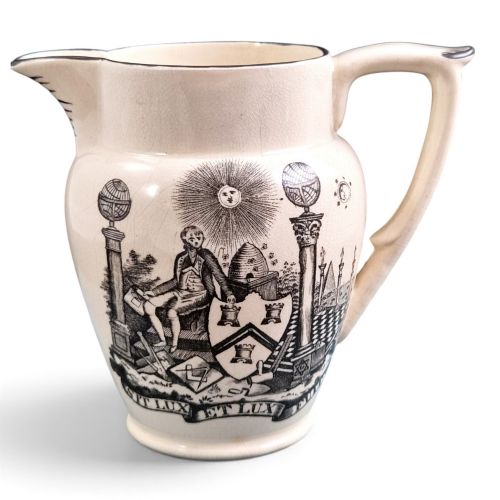
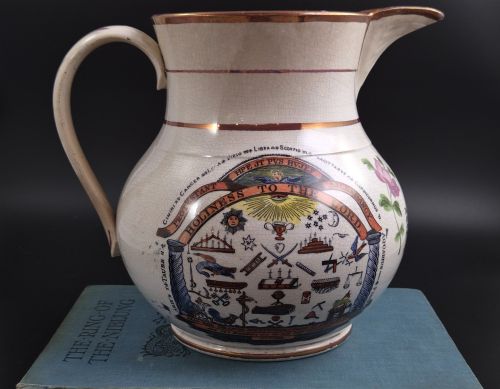
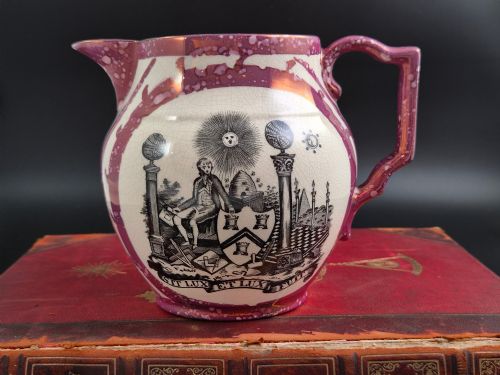
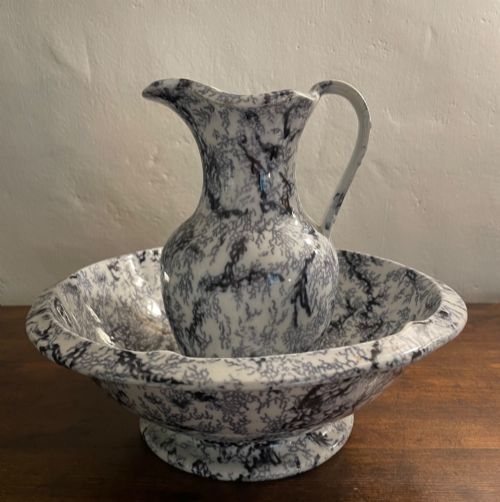
Makers shaped these pots for varied household tasks, ranging from large wash sets and footbath jugs to toby jugs and transfer-printed pitchers. Many pieces record specific commemorations, maritime themes, or fraternal symbols like the Masonic and Orange Order designs.
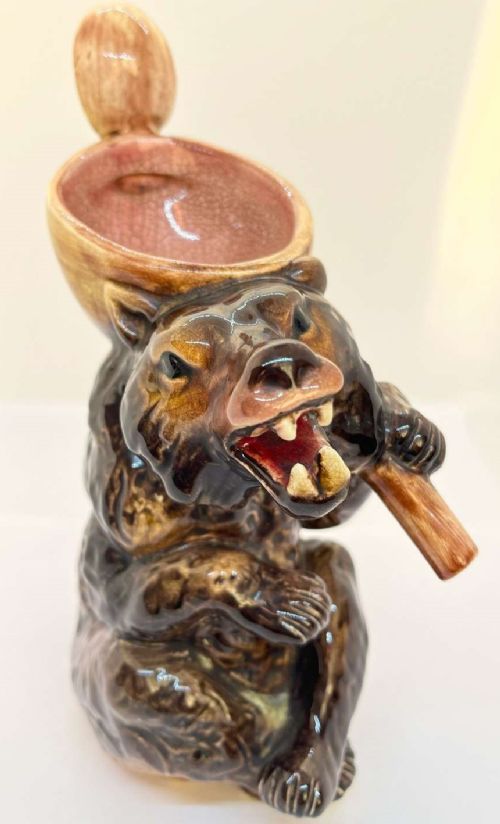
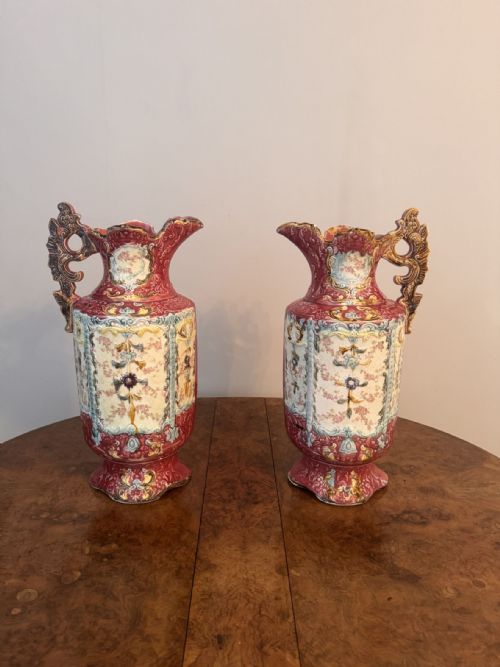
Geographic origins span English potteries, Dutch kilns, French workshops, and Italian majolica centres. Buyers frequently encounter moulded figures, such as cow creamers and character jugs, as well as simple slipware and glazed ceramic vessels.
Materials and production methods
Potters relied on porous earthenware bodies finished with tin glaze, metallic lustre, or transparent lead glazes. Creamware and pearlware bodies provided a pale, smooth surface suitable for intricate transfer printing in black, blue, or magenta.
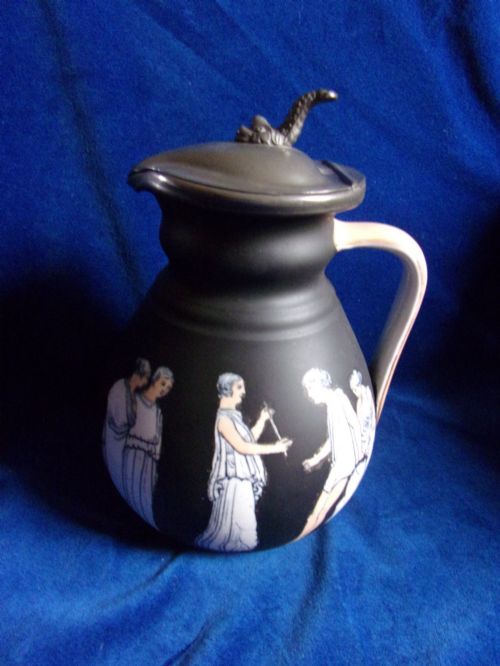
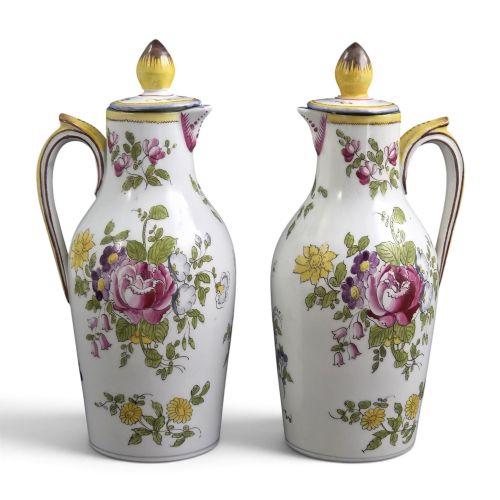
Decoration often involved hand-painted polychrome enamels, pink splash lustre, and moulded relief work. Some Dutch and English pieces incorporated pewter lids, while specialised wares utilised flow blue techniques to blur pigment into the damp glaze during firing.
Listings span Georgian, Victorian, and Edwardian eras, encompassing materials from tin glaze and creamware to metallic lustre and earthenware.
Distinctions in craftsmanship and condition
The standard of a piece depends on the crispness of the moulded relief and the alignment of transfer-printed designs. Finer examples display richly saturated enamel colours and even distribution of metallic lustre without muddy pooling.
Artistic execution differentiates ordinary utility vessels from exhibition-quality display pieces like Cantagalli majolica ewers or Holdcroft majolica. The stability of the earthenware body and the preservation of the original glaze surface dictate overall desirability.
Holdcroft Majolica·Garrison Pottery·Minton·Cantagalli Florence·Keeling & Co
The Earthenware Ceramic Jug Glossary
- Creamware
- A fine-grained, cream-coloured earthenware developed in Staffordshire during the 18th century. It superseded heavier salt-glazed stonewares for table and display use.
- Lustreware
- Earthenware coated with a metallic glaze that produces an iridescent sheen. Sunderland pink splash and copper lustre varieties are particularly prevalent.
- Transfer printing
- A decoration method where an engraved copper plate transfers a design onto paper, which is then impressed onto the ceramic body before glazing and firing.
- Toby jug
- A pottery jug modelled as a seated, jovial person holding a mug and a jug of beer. These character vessels gained popularity during the Georgian and Victorian periods.
- Slipware
- Pottery decorated with liquid clay applied to a contrasting clay body before firing. It represents an older, traditional technique seen in late 18th-century pieces.
Earthenware Ceramic Jug: Frequently Asked Questions
What is a creamware jug?
Creamware is a refined earthenware body developed in 18th-century England, valued for its warm, pale tone and smooth surface. These jugs served functional dining roles before evolving into decorative display items.
Peculiar to the Georgian and Regency periods, creamware allowed potters to apply delicate transfer prints in black or magenta with exceptional clarity.
How were lustre jugs decorated?
Potters applied metallic salt solutions over a fired glaze and subjected the vessel to a secondary, reduced-oxygen kiln firing. This process left a thin, shimmering metallic film on the surface.
Sunderland potteries excelled at creating pink splash lustre effects, often incorporating maritime transfer prints and religious or fraternal emblems.
How do I care for antique earthenware?
Antique earthenware possesses a porous clay body beneath the glaze, making it sensitive to prolonged moisture immersion. Display these jugs away from direct sunlight and extreme temperature fluctuations to protect the glaze.
Cleaning requires only a gentle dusting with a dry cloth, avoiding abrasive pads or harsh chemical detergents entirely.