





Earth Tone Fine Art
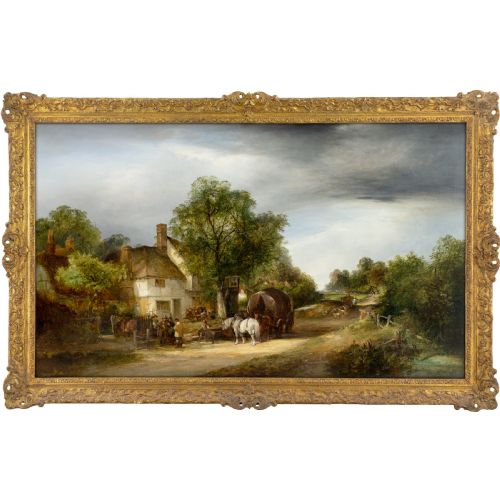
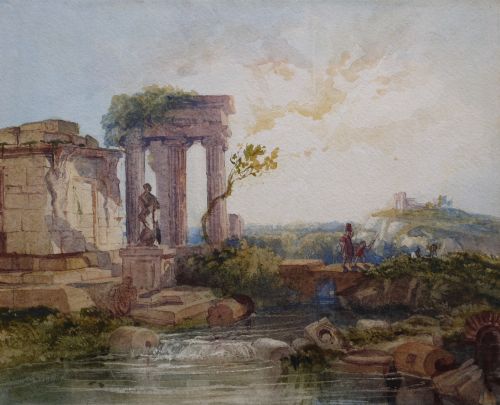
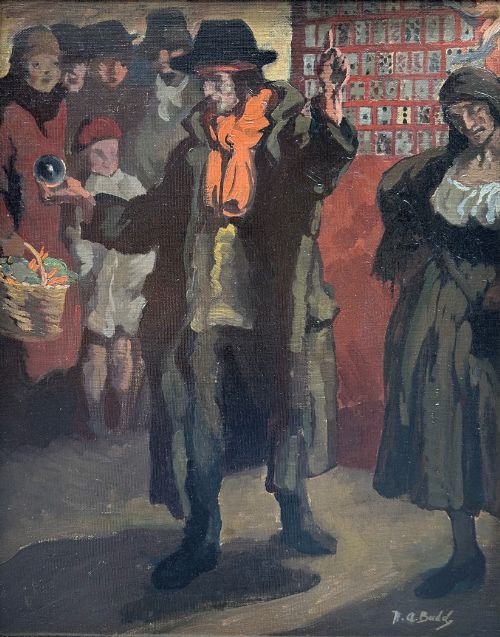
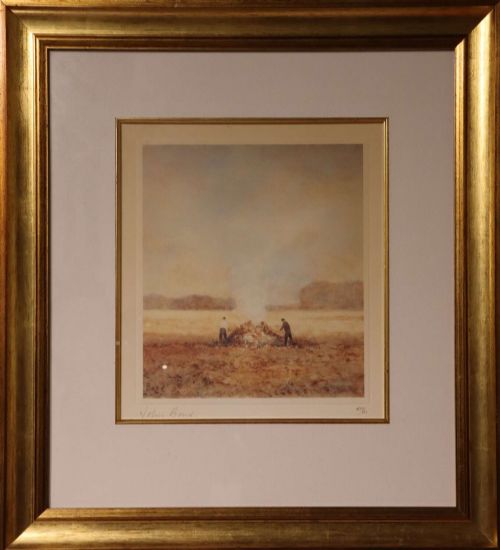
Earth tone fine art brings together muted palettes across oil paintings and watercolours from the nineteenth century onward.
Earth Tone Fine Art
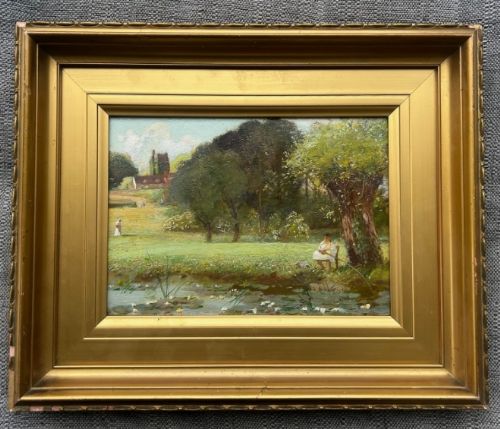
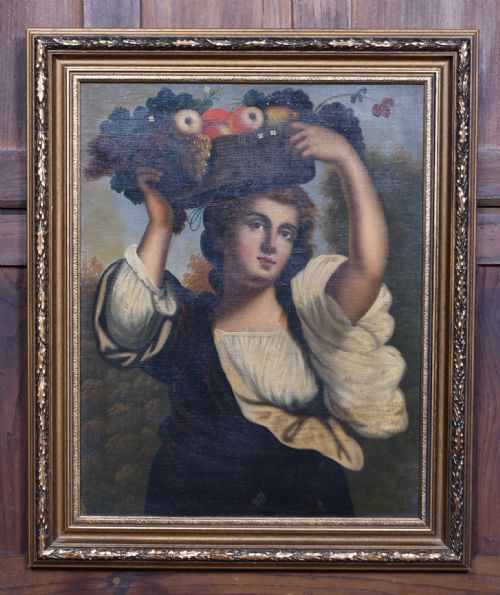
Earth tone fine art encompasses oil paintings, watercolours, and mixed media works created across the nineteenth and twentieth centuries. When searching for earth tone fine art, a buyer encounters landscapes, portraits, and genre scenes rendered in restrained palettes of ochre, umber, and muted greens.
The selection includes pieces from the Victorian and Edwardian eras, alongside works from the nineteen-teens, twenties, thirties, and sixties. Landscapes predominate, ranging from British countryside views to European river scenes.
Mediums vary between traditional canvas, paper, board, and wood panel, framed frequently in period giltwood. These works reflect movements such as British Impressionism, Realism, and the Barbizon School.
Materials and Technique
Artists painted primarily with oil or watercolour, applying pigment to stretched canvas, heavy paper, wooden panels, or board. Oil paints provided rich textures and deep opacity, allowing for layered brushwork, whilst watercolours offered translucency on paper supports.
Surviving works often retain their original giltwood frames, which complemented the warm, subdued palettes favoured by painters of these periods. Support techniques varied, with some twentieth-century works utilising canvas laid directly onto board for stability.
Listings feature canvases, watercolours on paper, and wood panels spanning the nineteenth and twentieth centuries.
Judging Quality
Quality rests in the handling of the medium and the fidelity of the composition, distinguishing accomplished hands from routine studio production. Confident brushwork in an oil painting or controlled washes in a watercolour demonstrate technical mastery.
The preservation of the original surface and the harmony of the muted palette dictate the visual impact of each piece. Superior works display a deliberate balance of tone and light that holds the composition together without relying on bright pigments.
Richard Principal Leitch·Herbert Ashwin Budd·John Bond·Sir David Murray·William Greaves·Kershaw Schofield·Ralph Hedley·Charles Henry Harrison Burleigh·Frederick J. Knowles·John Percy Cooke·Hendrik Yan Wolter·Raymond Arthur Roadnight·Thomas Swift Hutton·James Kerr McArthur·J.D. Walker·Charles Edward Wilson·F.W. Jackson·John Atkinson·Sir Ernest Albert Waterlow·Henri Harpignies·Peter de Wint·Fred Cecil Jones
The Earth Tone Fine Art Glossary
- Giltwood
- Carved wood treated with a thin layer of gold leaf, commonly used for framing traditional paintings.
- Board
- A rigid flat substrate used by artists as an alternative to stretched canvas.
- Watercolour
- A painting method in which the paints are made of pigments suspended in a water-based solution.
- Barbizon School
- A nineteenth-century art movement part of an intricate movement towards realism in landscape painting.
- Impressionism
- A style of painting characterised by relatively small, thin, yet visible brush strokes.
Earth Tone Fine Art: Frequently Asked Questions
What periods do these paintings cover?
The works span from the seventeenth century through the Victorian and Edwardian eras into the mid-twentieth century.
Most pieces date from the nineteenth century up to the nineteen-sixties, representing various traditional European schools.
How should I hang these artworks?
Keep them away from direct sunlight to protect watercolours and oil pigments from fading over time.
Ensure wall fixings match the weight of the original giltwood frames that accompany many of these pieces.
Are these works signed by the artists?
Several pieces feature artist signatures or inscriptions within the composition or on the reverse.
Others are attributed to specific schools or circles when direct signatures are absent.
What surfaces are used for these paintings?
Artists utilised canvas, heavy paper, wooden panels, and board as supports for their compositions.
Some twentieth-century examples feature canvas laid directly onto board for added support.