
Antique Pottery Painting
These antique pottery painting pieces bring hand-applied glaze, enamel and pigment onto earthenware, porcelain and tin-glazed vessels from past centuries.
Antique Pottery Painting
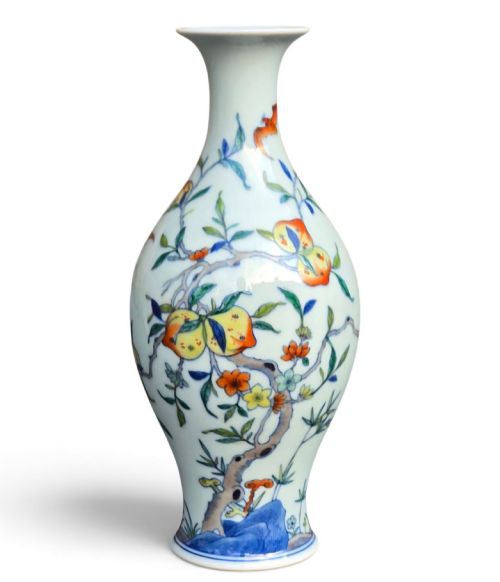
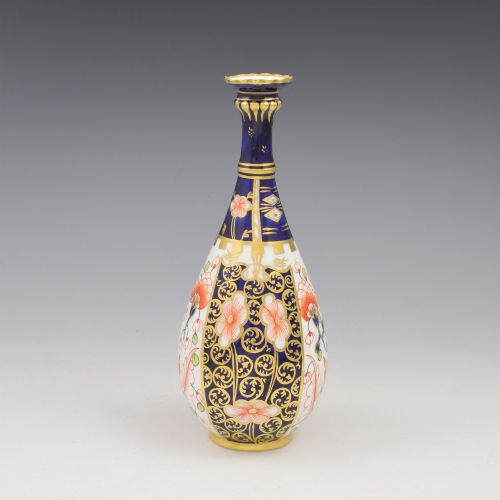
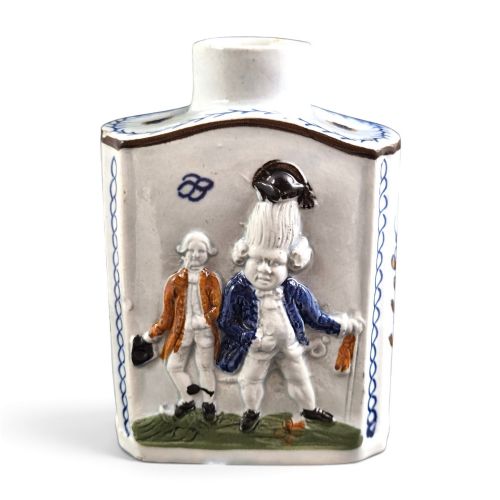
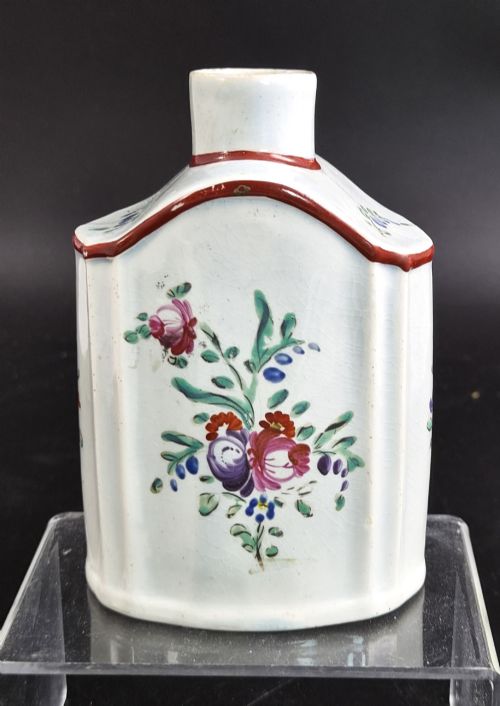
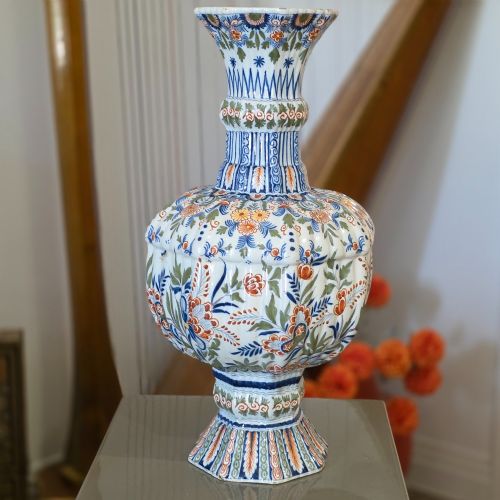
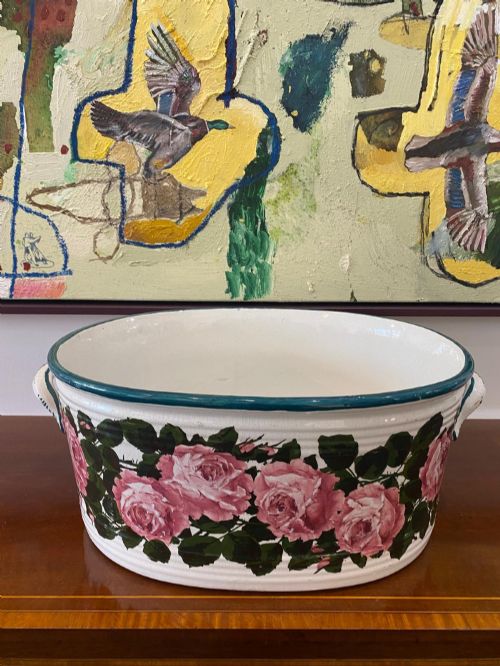
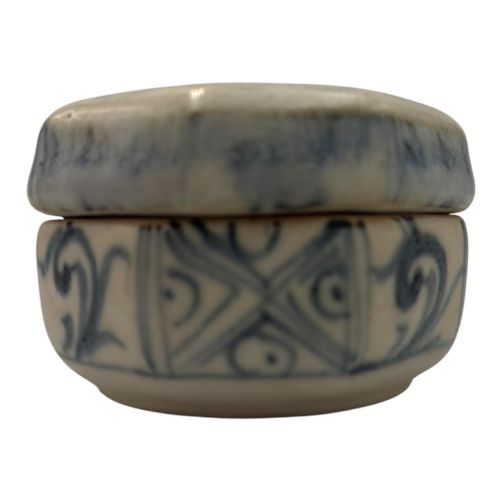
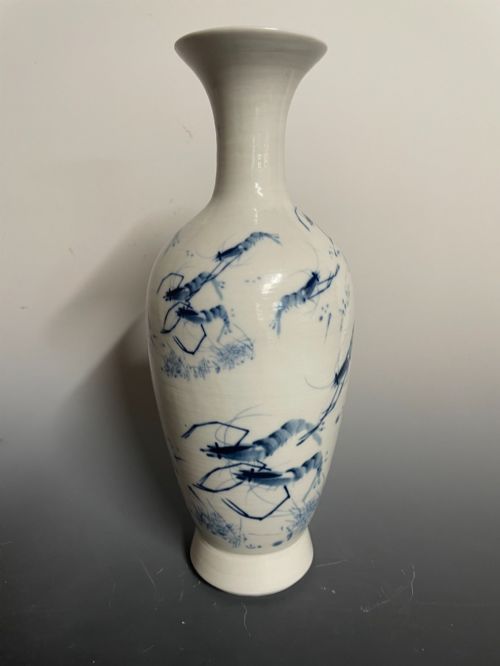
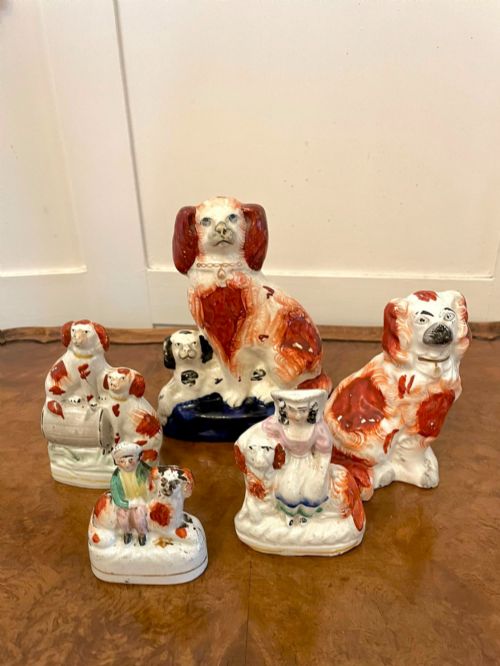
When you search for antique pottery painting, you encounter decorated vessels, plates and figures carrying hand-painted designs from British, European and Asian workshops. These objects span periods from the eighteenth century through the Victorian era and the early twentieth century.
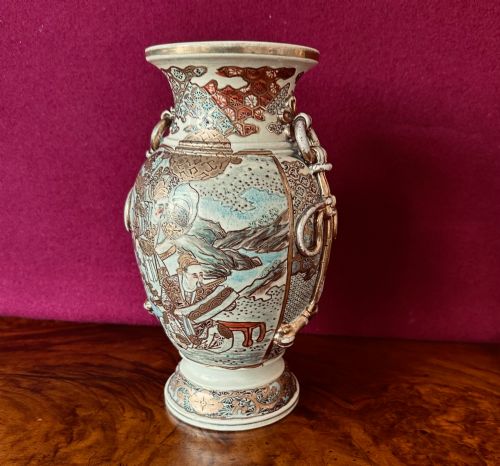
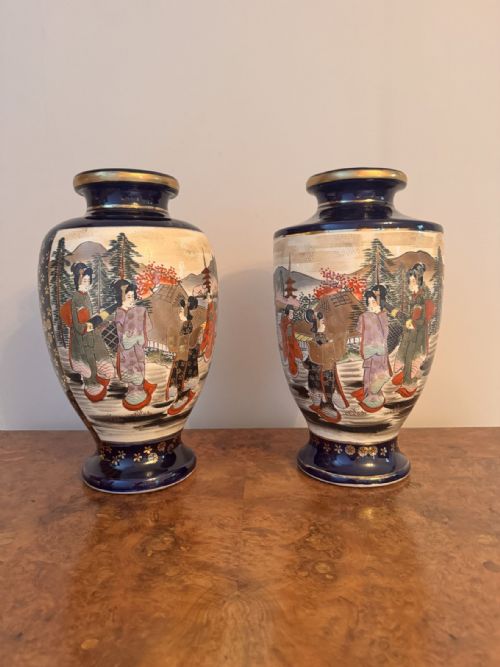
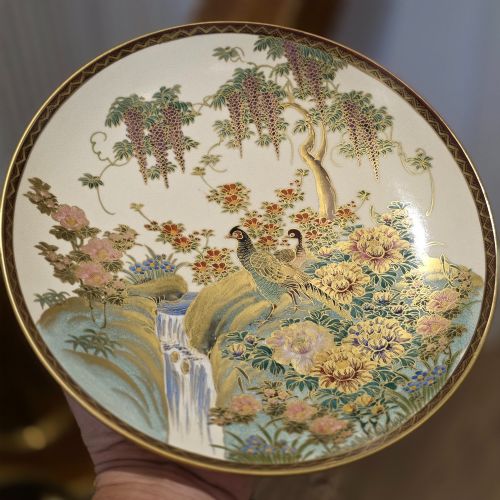
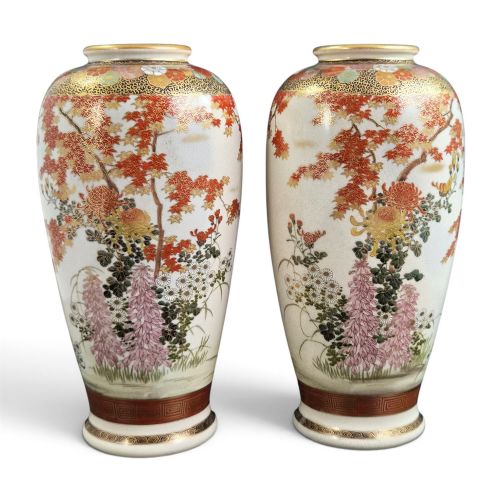
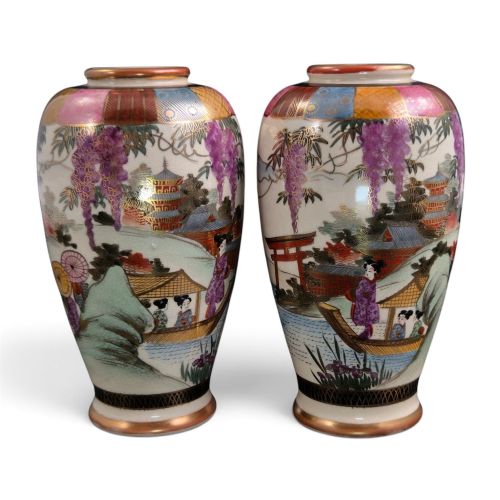
You are most likely to meet tin-glazed chargers, Staffordshire figures, Japanese Satsuma vases and creamware vessels decorated with floral, landscape or figural motifs. Forms range from utilitarian jugs and pitchers to cabinet vases and garden seats.
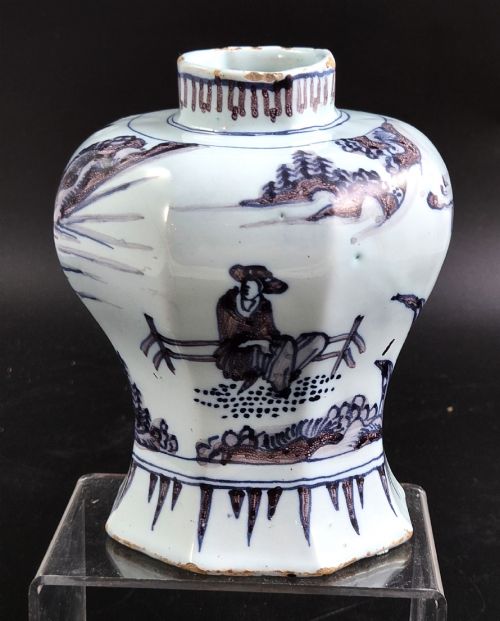
The selection includes pieces shaped by distinct regional traditions, such as Dutch Delft, French faience, Italian majolica and English ironstone. Each category displays the specific palette and brushwork characteristic of its origin and period.
Materials and technique
Makers shaped bodies from earthenware, creamware, porcelain, ironstone and terracotta before applying mineral pigments, enamel and glaze. Tin glaze and lead glaze provided opaque or glossy surfaces that received the painted decoration.
Artisans applied pigments by hand using brushwork under or over the glaze, sometimes firing vessels multiple times to fix cobalt blues, polychrome enamels and gilding. Potters utilised local clays and traditional kilns to achieve the final body density and surface sheen.
Stoke pottery designers once sketched cheeky cartoon geese designs specifically for factory production.
What varies in quality
Execution of the brushwork defines the upper tier of these works, where controlled lines and nuanced polychrome detail reveal the hand of a skilled painter. Weaker examples show hesitant strokes, muddy pigment mixing or poorly aligned transfers.
The harmony between the ceramic body, glaze opacity and applied colour distinguishes superior items from standard production pieces. Finer examples retain crisp definition in the painted motifs and a balanced interaction between the glaze and the underlying clay.
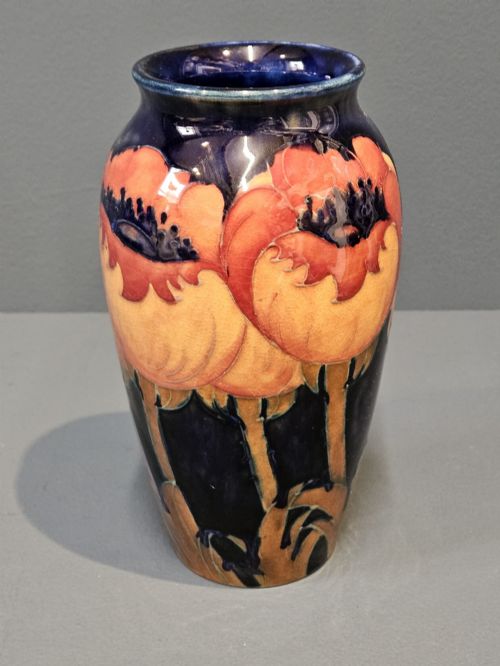
Maruni Kobe·Moorcroft·Jacob Petit·Cantagalli·Fourmaintraux Courquin·Wedgwood·Minton·Goldscheider
The Antique Pottery Painting Glossary
- Tin Glaze
- A ceramic glaze made opaque by the addition of tin oxide, providing a white surface for painted decoration. This technique underpins traditional Delftware and faience production.
- Creamware
- A refined earthenware developed in eighteenth-century England featuring a pale yellowish cream colour. It often received painted or transfer-printed enamel decoration.
- Majolica
- Tin-glazed earthenware produced in Italy and later adopted across Europe, known for bright polychrome painting. The style embraces rich mineral pigments applied directly to an absorbent white ground.
- Satsuma
- Japanese pottery featuring a crackle-phase ivory earthenware body decorated with intricate enamels and gilt. These wares gained widespread popularity during the Meiji period.
- Underglaze
- Pigment applied to the ceramic body before the application of a clear glaze and subsequent firing. This method protects the painted design beneath a glassy surface layer.
Antique Pottery Painting: Frequently Asked Questions
What is antique pottery painting?
Antique pottery painting refers to decorative designs applied by hand to ceramic bodies using enamel, glaze or pigment before being fired in a kiln. These pieces encompass everything from Delft chargers and Staffordshire figures to Japanese Satsuma vases.
Collectors prize the evidence of the maker's brush and the chemical reactions of historical mineral pigments across different centuries. Each object records the aesthetic preferences and technical capabilities of its specific region and period.
How were Satsuma vases decorated?
Satsuma vases feature an ivory-coloured earthenware body covered in a fine network of crackled transparent glaze. Artisans applied dense polychrome enamel painting and raised gilt highlights over this surface.
Motifs typically included floral arrangements, landscapes, court figures and mythical beasts executed with extreme precision. These pieces reflect late nineteenth-century Japanese craftsmanship tailored for international export markets.
How should I display painted ceramics?
Display painted ceramics away from direct sunlight to prevent the gradual fading of delicate overglaze enamels and pigments. Stable indoor humidity and temperature protect the underlying ceramic body and glaze integrity.
Utilise secure shelving or dedicated display cabinets that support the weight of denser items like ironstone jugs or charger plates. Proper placement ensures these fragile painted surfaces remain safe from accidental knocks.