



Early Victorian Portrait
When you handle an early victorian portrait, you touch a tangible link to 19th-century likenesses captured through delicate watercolours and rich oil on canvas.
Early Victorian Portrait
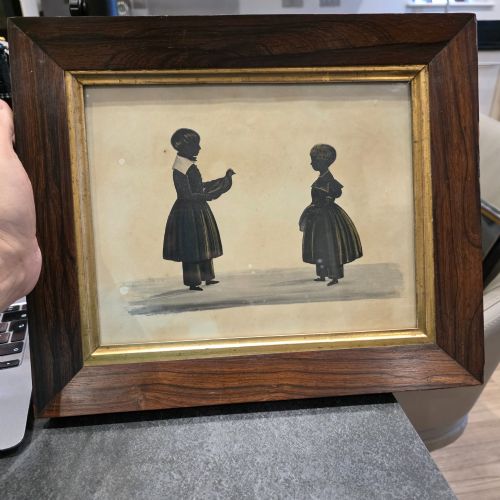
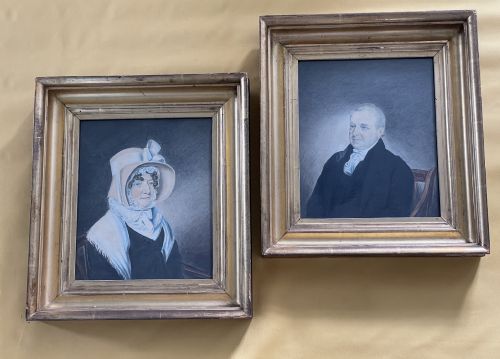
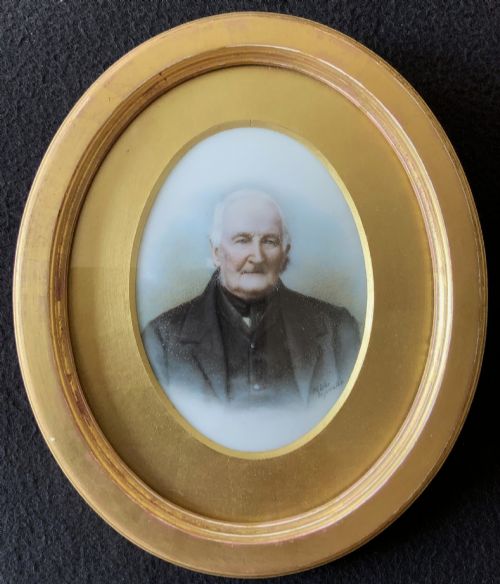
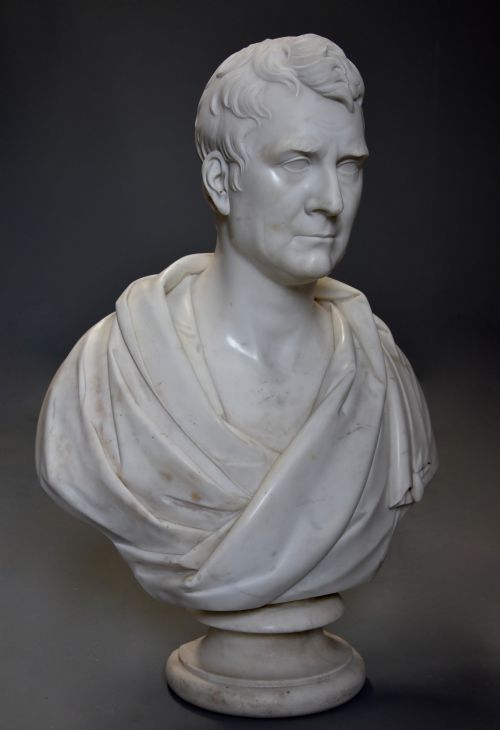
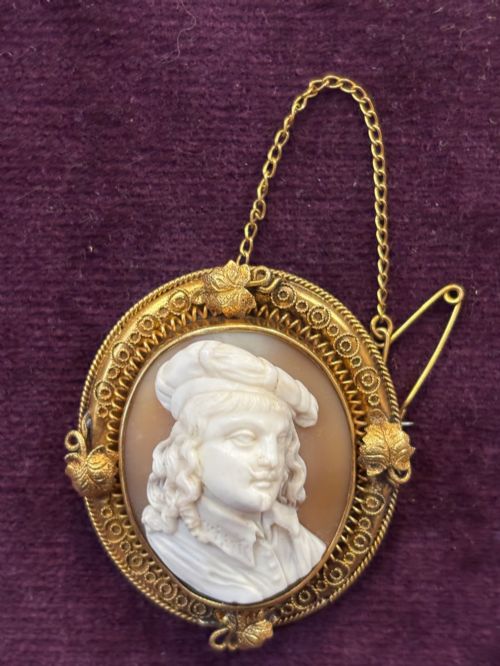
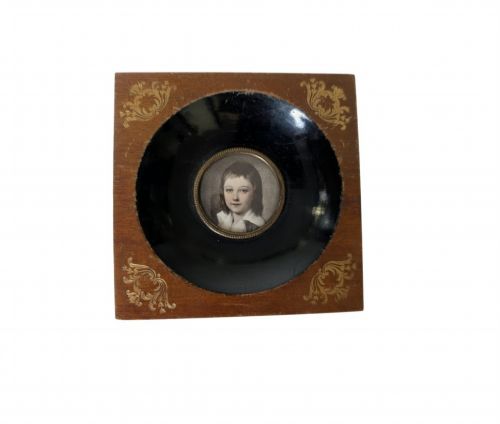
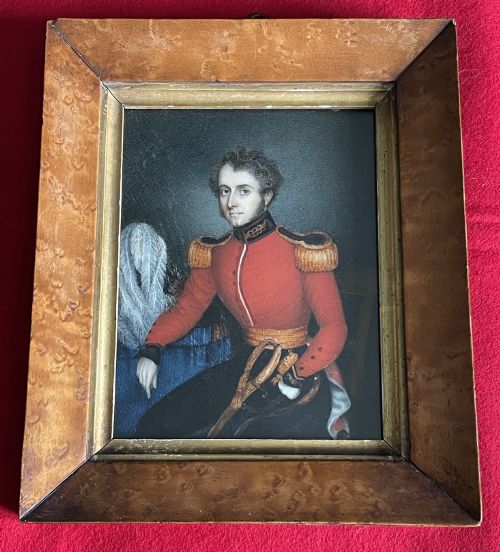
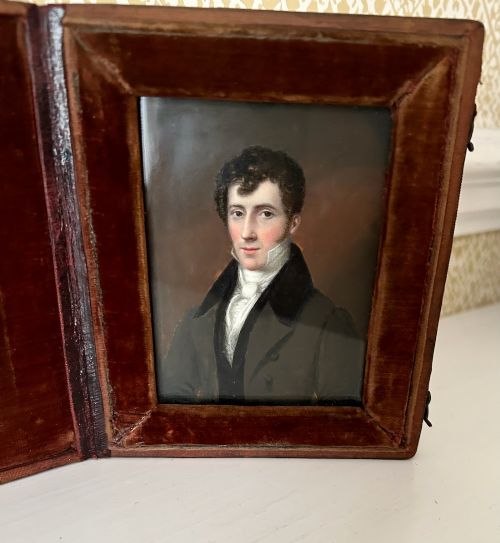
An early victorian portrait encompasses intimate painted miniatures, oil canvases, and silhouettes that record the faces of gentlemen, ladies, and children from the mid-nineteenth century. You will frequently encounter works executed in watercolour on paper or card, alongside framed oil paintings depicting subjects in period attire.
The makers range from provincial English schools to named artists working within the Regency and Victorian aesthetic traditions. These artworks serve as historical documents, preserving the specific dress, hairstyles, and societal bearing of the era.
How they were made
Artists utilised watercolour on paper, card, or glass, often pairing these pigments with delicate cut paper silhouette work and gold leaf accents. Larger works rely upon oil on canvas or board, framed in gilt wood, maple, or ebonised wood.
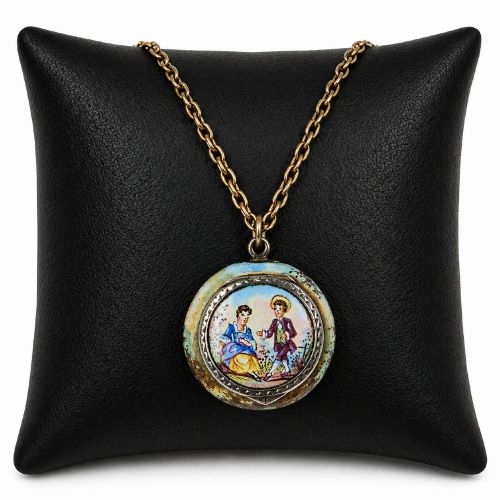
Miniatures frequently incorporate brass or 20ct gold frames, sometimes backed with enamel or glass to protect the fine brushwork from atmospheric damage.
Early Victorian Portrait Retail Price Guide 2026
Typical asking prices for early victorian portrait among the pieces listed under this phrase on Sellingantiques today, from the lower quarter to the upper quarter. They describe what is for sale here now, not the wider market.
Several portraits quietly record the steady gaze of family pets, including dogs and an ox.
What varies in quality
Material preservation also dictates value, with untouched original frames and signed inscriptions adding significant historical context to the piece.
William James Hubard·Frederick Frith·George Chinnery·William Egley·J Francis
The Early Victorian Portrait Glossary
- Silhouette
- A solid shape of a person's profile, typically cut from black paper or painted in ink and mounted on a contrasting background. These profiles often feature white highlights added in watercolour.
- Miniature
- A small-scale painting executed with immense precision, commonly created on ivory, vellum, or paper during the nineteenth century. These tiny likenesses were designed to be worn or carried close to the body.
- Ebonised
- Wood that has been treated to resemble dense, black ebony, frequently utilised for nineteenth-century picture frames. This dark finish makes the gilt or bright pigments of a portrait stand out.
- Enamel
- A decorative coating fused to a metal surface through firing, often seen in intricate lockets and miniature cases. Viennese examples from this period display remarkable colour saturation.
- Provincial School
- Art produced by regional practitioners outside metropolitan centres, often displaying a charmingly naive or direct approach to perspective and likeness.
Early Victorian Portrait: Frequently Asked Questions
How do I date an early victorian portrait?
Examine the sitter's clothing, hairstyles, and any inscriptions written on the reverse of the canvas or frame. Costume changes provide the most reliable chronological markers for the nineteenth century.
Paper watercolours often bear contemporary handwritten dates or signatures that corroborate the period style.
Were these portraits painted from life?
Most works from this period were painted directly from life, requiring the sitter to sit for the artist over several sessions. Silhouette artists also traced shadows or cut profiles freehand while facing the subject.
Photographic references only began to supplement traditional painting methods toward the middle of the nineteenth century.
How should I display watercolour miniatures?
Keep watercolours away from direct sunlight to prevent the fugitive pigments from fading permanently over time. Maintaining stable indoor humidity levels also protects the paper support from warping.
Use acid-free mounting materials if framing work to ensure long-term preservation.
What frames are original to these paintings?
Original frames generally consist of ebonised wood, maple veneer, or moulded gilt wood appropriate to the Regency and Victorian eras. Deep shadow box frames are typical for housing delicate cut paper silhouettes.
Matched pairs often retain their original matching surrounds.