


Early Victorian Figures
Early victorian figures capture human and animal forms through period craftsmanship, offering collectors tactile history from the nineteenth century.
Early Victorian Figures
When you search for early victorian figures, you encounter a range of sculptural and ceramic objects that reflect nineteenth-century design. The evidence on this page spans pottery figures, ceramic figurines, and sculptures from various periods including Victorian and Regency.
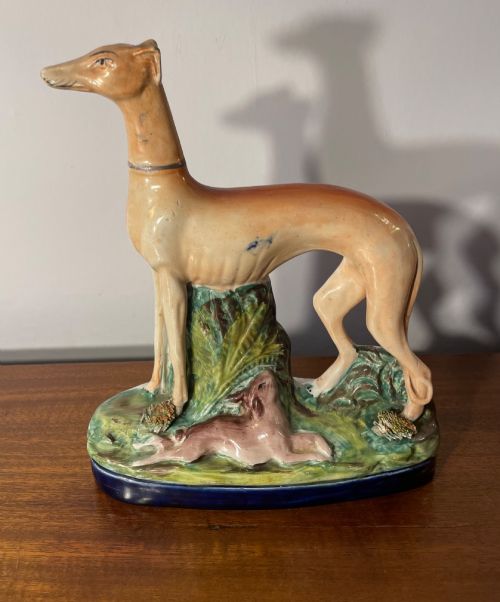
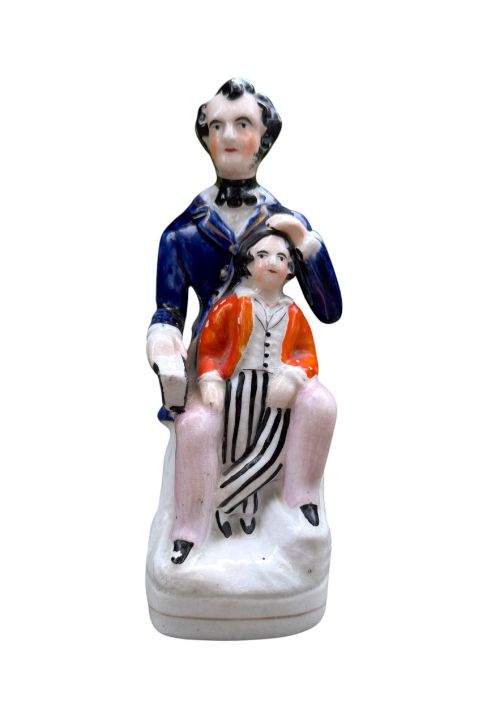
You are most likely to meet earthenware pieces such as Staffordshire pottery figures depicting dogs, hounds, and historical subjects. These domestic ornaments form a distinct category of early victorian figures alongside framed artwork and metal studies.
The selection also includes sculptural works and toys, showing how makers interpreted human and animal subjects across different materials. Each piece connects back to the aesthetic standards of the nineteenth century and earlier transitional decades.
How they were made
Makers utilised earthenware and porcelain with lead glaze finishes to shape ceramic figurines and pottery figures. These materials were moulded and painted by hand to achieve the characteristic appearance of nineteenth-century ornamental ware.
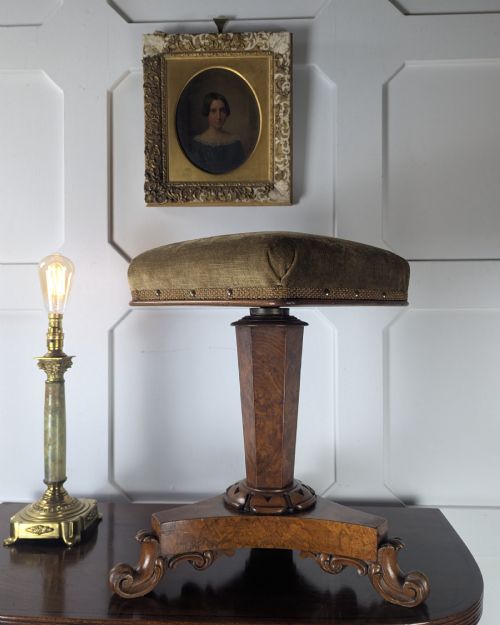
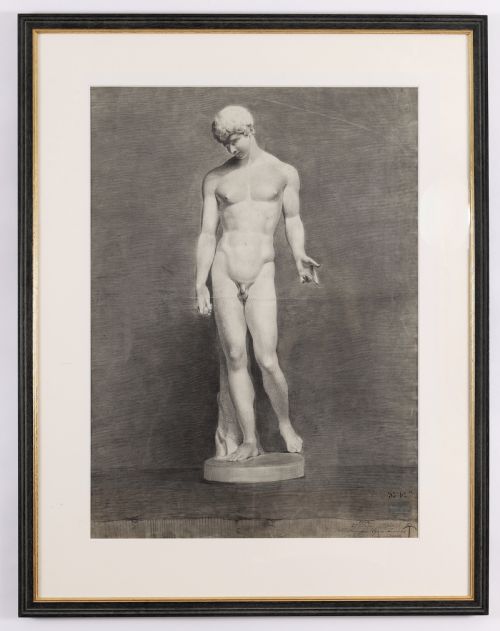
Metalwork pieces involve bronze casting and cold painting techniques, visible in studies and decorative items. Wood and paper appear in framed drawings, watercolours, and furniture items associated with the broader period context.
Listings combine ceramic figurines with bronze studies, wooden furniture, and works on paper from the nineteenth century.
What varies in quality
The degree of detail in the modelling and hand-painting separates finer ceramic figures from simpler works. Subtle facial expressions and careful application of glaze indicate superior production standards among earthenware pieces.
Material selection and structural integrity define the standard of bronze castings and wooden objects. Well-preserved surfaces and crisp cast lines distinguish the higher tier of sculptural works from ordinary examples.
The Early Victorian Figures Glossary
- Earthenware
- Porous pottery fired at lower temperatures, commonly used for nineteenth-century Staffordshire figures. It requires a glaze to become impermeable to liquids.
- Lead glaze
- A glossy coating containing lead oxide applied to pottery before firing. This technique produces a smooth, shiny surface finish on ceramic figures.
- Staffordshire
- A geographic region in England famous for its potteries that produced earthenware figures and animals. These works are staples of the nineteenth-century ceramic market.
- Cold painted
- A method where bronze or metal objects are painted with oil or similar paints without subsequent firing. This technique permits fine polychrome detail on sculptural studies.
Early Victorian Figures: Frequently Asked Questions
How do I identify a Staffordshire figure?
Staffordshire figures typically present as earthenware animals or human subjects with hand-painted details and lead glaze finishes. They date predominantly from the nineteenth century.
Subjects range from dogs and hounds to notable public figures produced in regional potteries.
Are all these pieces from the Victorian era?
The listings span multiple periods including the 19th Century, Victorian, Regency, and Georgian eras. Some items date slightly outside the strict Victorian timeframe.
Stylistic influences overlap between late Georgian, Regency, and early Victorian design traditions.
How were ceramic figures displayed?
These decorative earthenware objects were designed as mantelpiece ornaments and interior displays for nineteenth-century homes. Their flat bases allowed stable placement on surfaces.
Owners arranged pairs of dogs or figurative subjects symmetrically on shelves and tables.