

Early Side Table
An early side table brings centuries of practical timber and refined proportion into a modern room, offering compact surface space rooted in historic craftsmanship.
Early Side Table
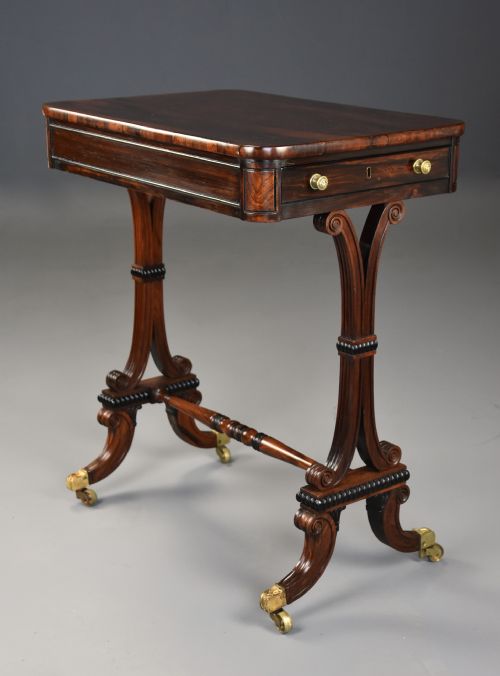
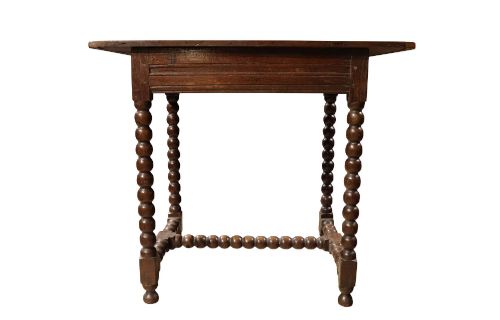
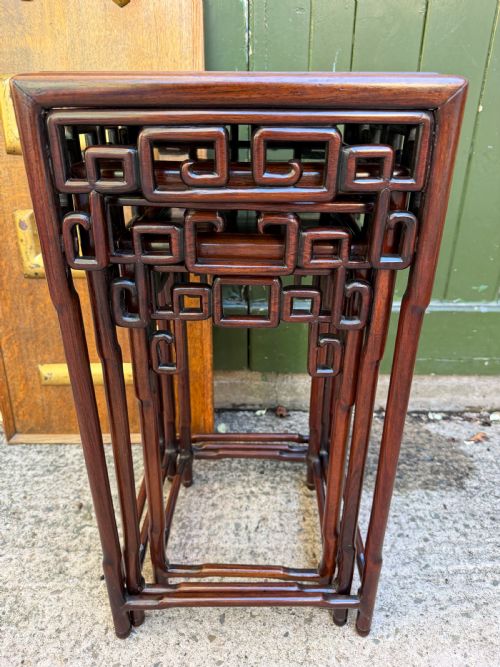
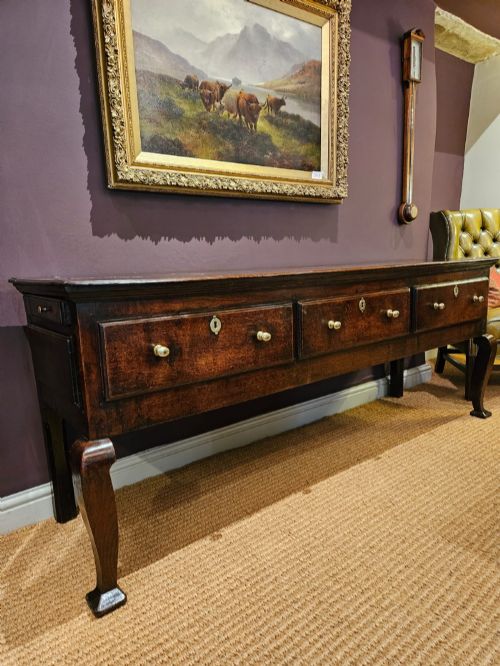
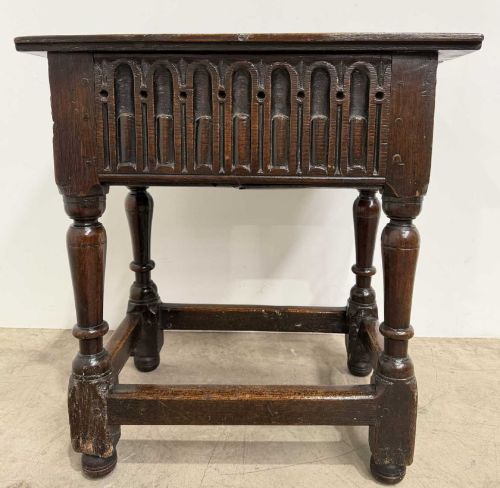
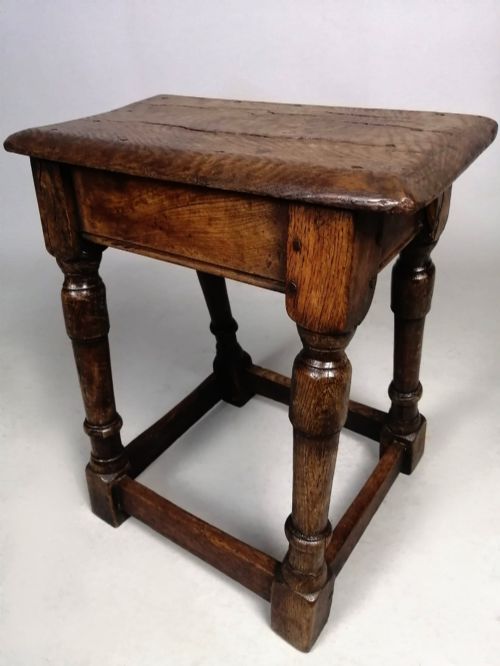
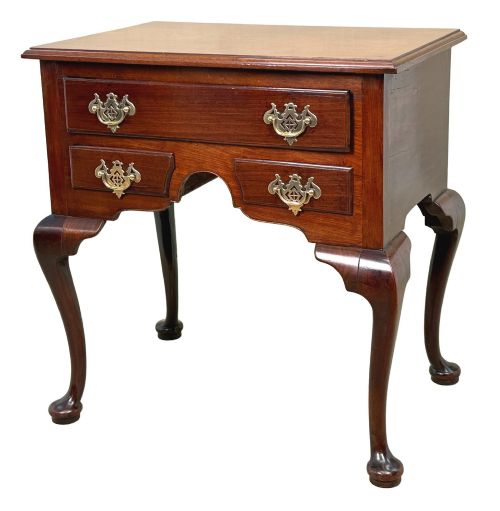
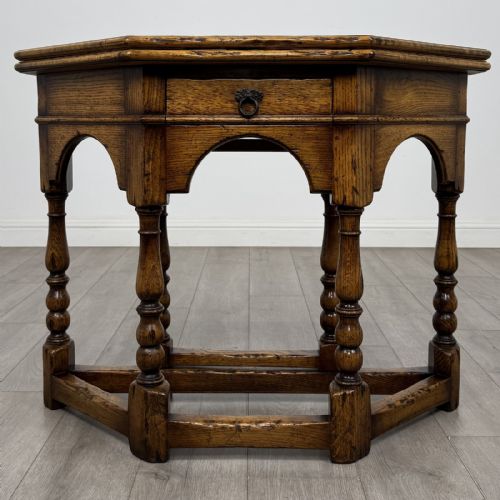
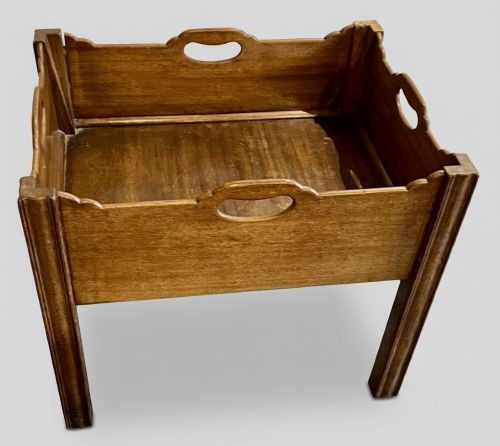
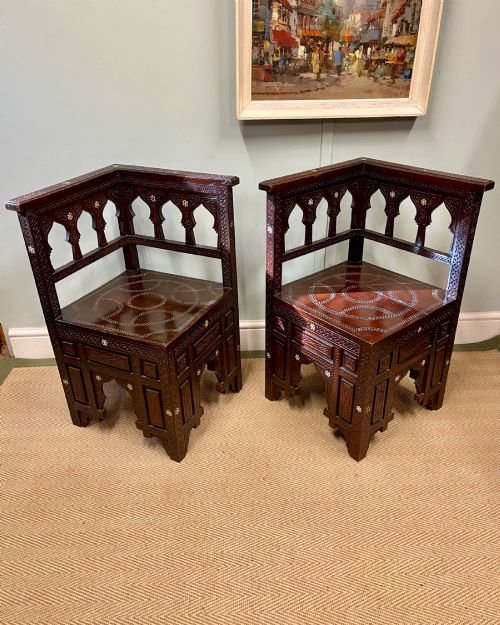
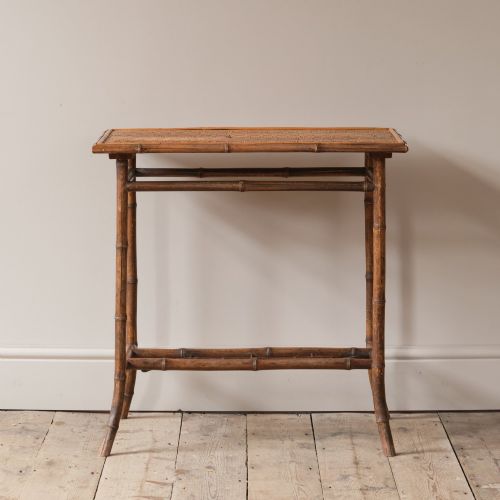
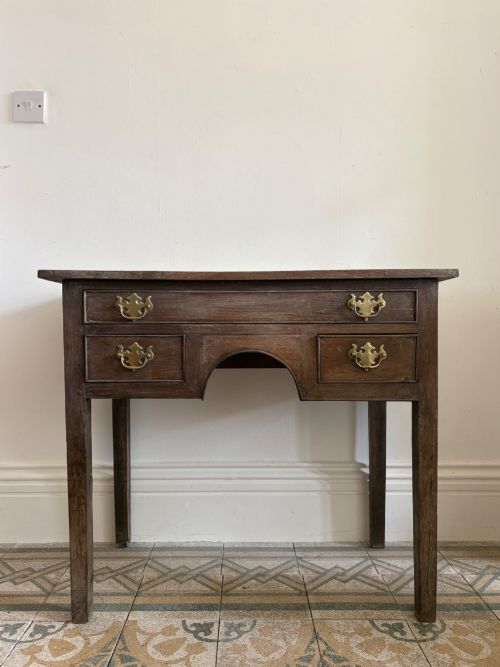
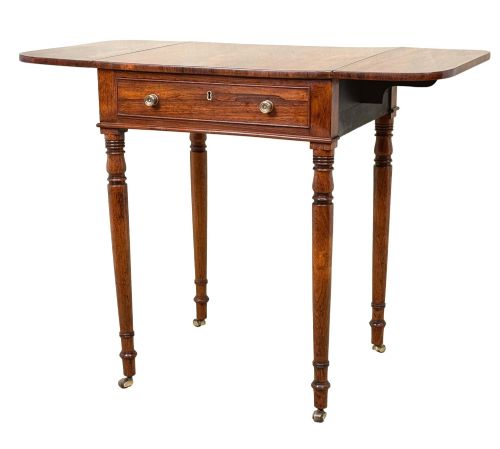
When you search for an early side table, you encounter a varied group of utilitarian and formal small furniture pieces stretching from the seventeenth century through to the early twentieth century. These include lowboys, occasional tables, console tables, and Pembroke variants designed for specific domestic tasks in hallways, parlours, and bedrooms.
The pieces you are most likely to meet on this page date from the eighteenth and early nineteenth centuries, alongside revival and vernacular pieces from the twentieth century. Oak, mahogany, and walnut dominate these forms, appearing in styles ranging from plain Georgian and Queen Anne to Jacobean Revival.
Function dictates form across these listings, shifting from sturdy joint stools and work tables to elegant tea tables and tripod tables. Every item provides a compact surface for lamps, books, or daily use while carrying the distinct aesthetic of its period of origin.
Materials and Construction
Cabinet makers relied heavily on native hardwoods like oak, elm, and ash for early vernacular furniture, employing pegged joints and solid boards. Walnut and mahogany gained prominence in the eighteenth century, allowing for finer grain patterns, turned legs, and delicate drawer construction.
Surface treatments and secondary materials define the construction of these tables, utilising brass handles, marble tops, and fruitwood inlays. Joinery methods evolved from rigid seventeenth-century framing to sophisticated folding mechanisms on Pembroke and gateleg tables by the Regency period.
Early Side Table Retail Price Guide 2026
Typical asking prices for early side table among the pieces listed under this phrase on Sellingantiques today, from the lower quarter to the upper quarter. They describe what is for sale here now, not the wider market.
Several folding tables hide clever campaign mechanisms, ready to pack flat for an officer's tent on a dusty road.
Markers of Distinction
Quality in these pieces rests upon the integrity of the timber and the honesty of the surface finish. Tables retaining a dry, untouched surface with original patination command greater appreciation than heavily restored examples.
Proportion and execution separate everyday utility items from finer workshop productions. Crisp carving, well-chosen timber figuring, and balanced structural lines reveal the hand of a skilled maker working within Georgian or earlier traditions.
Finnigans·Gillows
The Early Side Table Glossary
- Lowboy
- A small oak or mahogany table with one or more drawers, standing on four legs, commonly used as a dressing or side table in the eighteenth century.
- Pembroke table
- A small rectangular table with hinged flaps on either side that can be raised to increase surface area.
- Joint stool
- A sturdy wooden stool constructed with mortise and tenon joints, typical of the seventeenth century and earlier.
- Tripod table
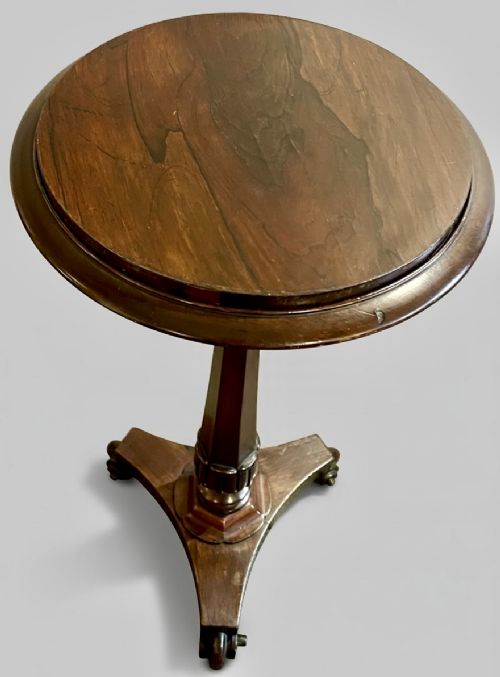
- A small occasional table supported by a central pillar resting on three spreading feet.
- Console table
- A table designed to be fixed against a wall, frequently topped with marble and supported by carved brackets or legs.
Early Side Table: Frequently Asked Questions
How were early side tables originally used?
These tables served specific domestic functions in private rooms, holding candles, tea equipment, or sewing materials close to seating areas.
Over time their roles adapted, transitioning from utilitarian work surfaces in kitchens and halls into display pieces for decorative objects in formal reception rooms.
What is the difference between a lowboy and a side table?
A lowboy is specifically a low, drawer-equipped table usually dating from the eighteenth century or earlier, designed for personal grooming or storage.
General side tables encompass a broader range of heights, forms, and drawer configurations intended simply to stand against a wall.
How do I identify a Georgian piece?
Georgian pieces display the classical proportions, restraint, and timber choices typical of the eighteenth century, particularly mahogany and walnut.
Look for architectural mouldings, cabriole or straight square legs, and traditional drawer construction using hand-cut dovetails.
Where should I place an antique table in a modern home?
These compact tables fit easily beside sofas, in narrow hallways, or as bedside surfaces where floor space is limited.
Their historic timbers and neutral tones allow them to sit comfortably alongside contemporary furnishings without dominating a room.