
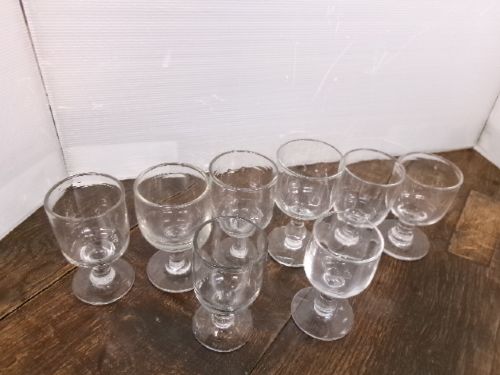
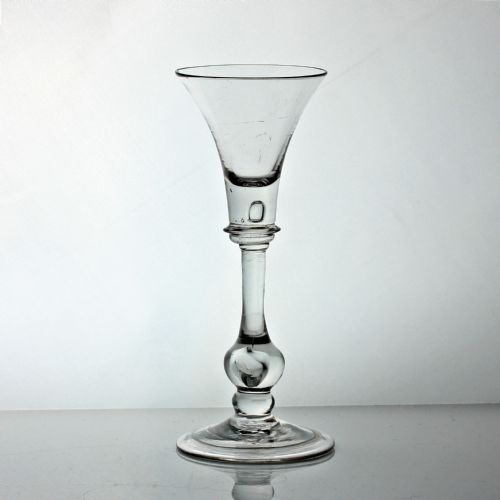

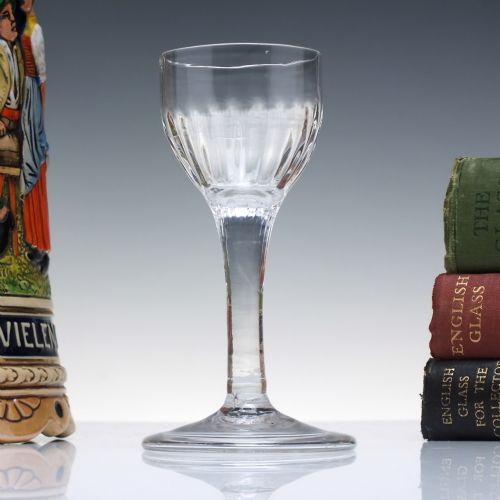


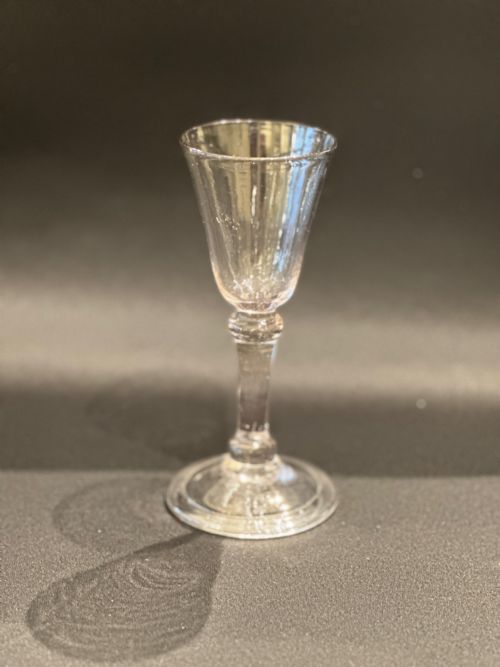


Early Georgian Goblet
An early georgian goblet brings heavy lead glass and turned wood to the table, offering tactile weight and historic form that collectors prize.
Early Georgian Goblet
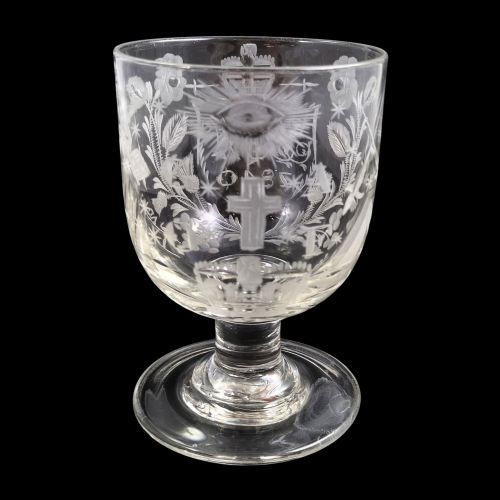
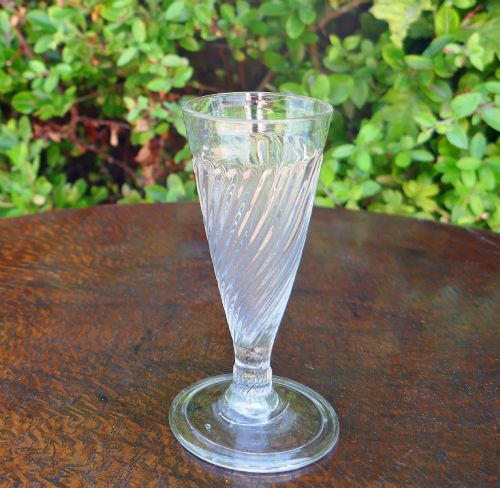
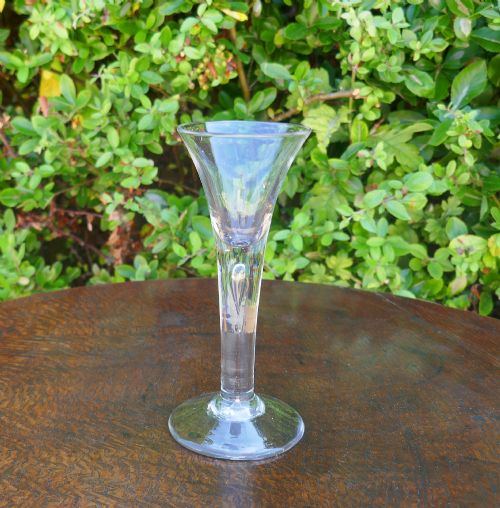
When you search for an early georgian goblet, you encounter drinking vessels and stemware spanning the Georgian, Regency, and Queen Anne periods. These pieces include baluster wine glasses, rummers, dram glasses, and turned wooden vessels.
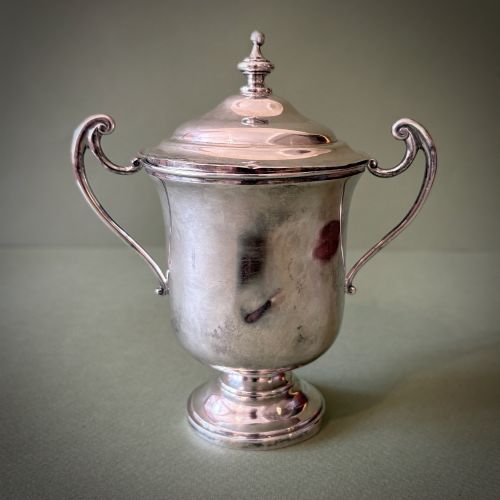
The most frequent examples on this page are lead glass wine glasses and baluster forms featuring folded feet and heavy stems. Alongside glass, the selection includes fruitwood and silver drinking vessels from the eighteenth and early nineteenth centuries.
What varies in quality
Quality rests upon the proportion of the vessel and the purity of the metal or material. Superior examples display balanced baluster stems, clean folded feet without excessive ripple, and crisp wheel engraving on the bowl.
The presence of deliberate stylistic elements like domed feet, basal bubbles, and well-executed wrythen or nut-moulded patterns distinguishes finer glass. In turned wood and silver, precision of form and retention of original surface texture define the upper tier.
Listings feature lead glass, flint glass, fruitwood, and sterling silver across eighteenth and nineteenth-century forms.
The Early Georgian Goblet Glossary
- Baluster stem
- A heavy, swelling stem form reminiscent of architectural balusters, common in early eighteenth-century drinking vessels. It gives the glass substantial physical weight in the hand.
- Folded foot
- A rim turned underneath the base of a glass to create a smooth, thickened edge. This technique added durability to fragile vessel bases.
- Air twist
- A spiral of elongated air bubbles trapped inside the stem of a glass during manufacture. Makers produced this effect by drawing and twisting heated glass rods.
- Rummer
- A short, capacious drinking glass with a thick stem and heavy foot, popular for serving ale or wine. They frequently feature engraved ornamentation or bucket bowls.
- Wrythen
- A decorative spiral pattern moulded into the body of a glass. It creates a subtle optical twist across the surface of the bowl.
Early Georgian Goblet: Frequently Asked Questions
What is a folded foot?
A folded foot has the outer edge of the glass turned underneath to create a double layer of metal at the base. This adds strength to the rim where the glass meets the table.
You can feel the folded edge clearly by running a finger beneath the perimeter of the foot.
Are all these items made of glass?
While lead glass and clear glass dominate the selection, the category includes pieces fashioned from other historical materials. You will find turned fruitwood and sterling silver vessels alongside traditional stemware.
Each material reflects the domestic drinking habits of the Georgian and Regency eras.
How were these glasses used?
These vessels served various alcoholic beverages including wine, ale, rum, and gin at the table or tavern. Different bowl shapes suited specific drinks, from small dram glasses to large rummers.
Their substantial weight made them durable enough for daily toasts and communal gatherings.