




Early Century Rug
When you explore an early century rug, you step into a world of traditional weaves and tribal textiles spanning the nineteenth and early twentieth centuries.
Early Century Rug
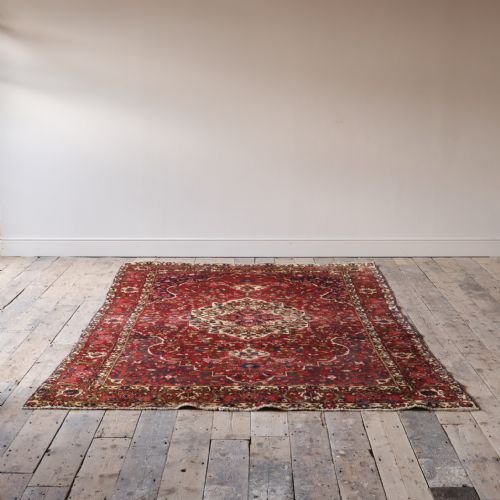
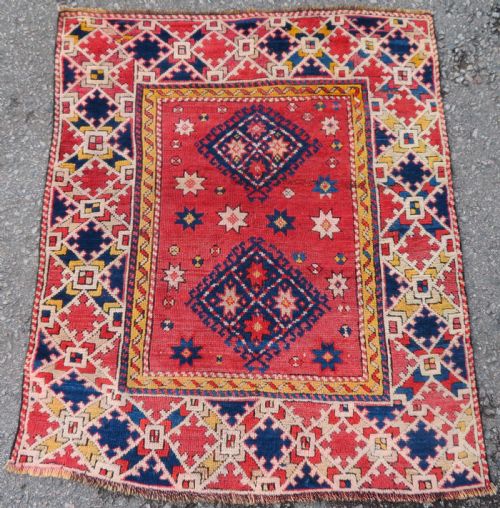
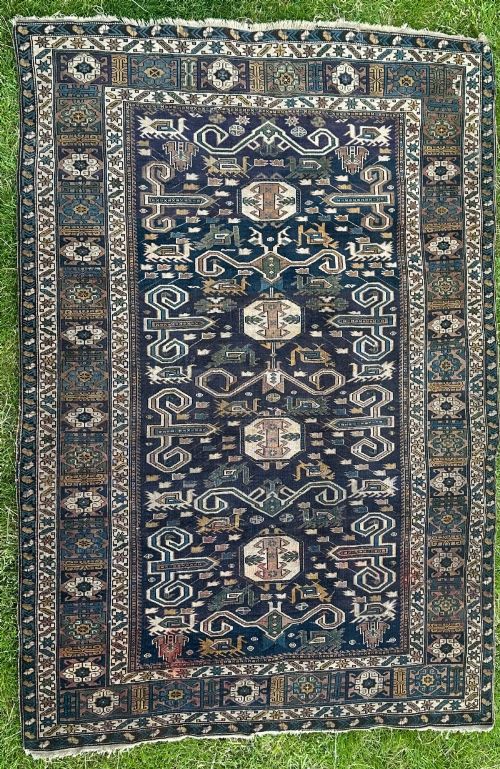
An early century rug covers woven floor coverings, wall hangings, and flat weaves produced around the transition from the nineteenth to the twentieth century. These textiles include Persian carpets, Anatolian village pieces, Caucasian tribal works, and Central Asian embroideries.
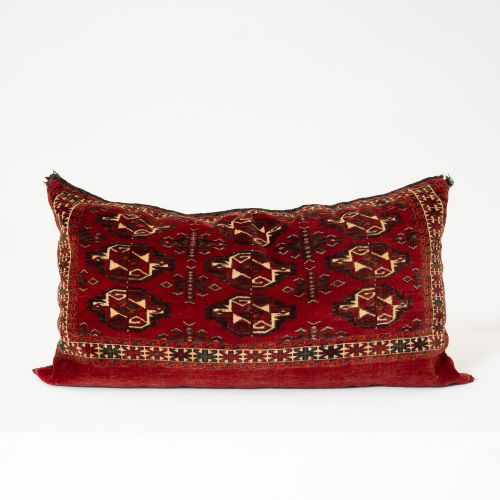
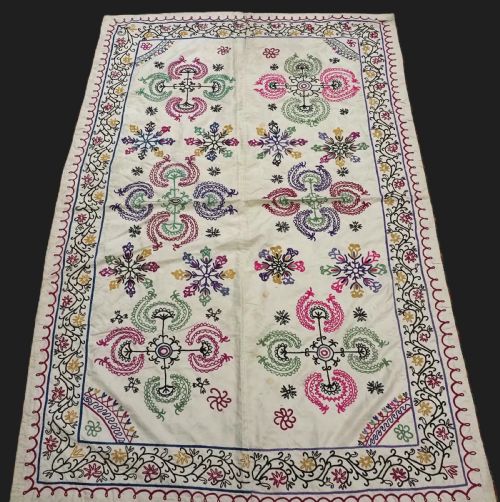
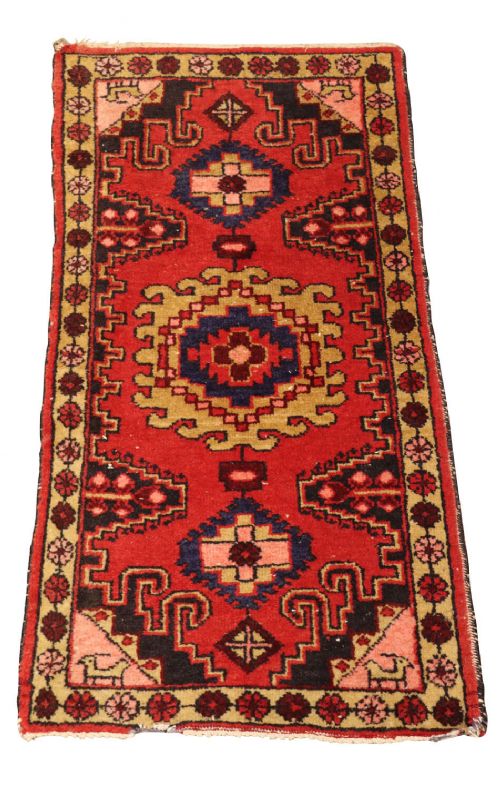
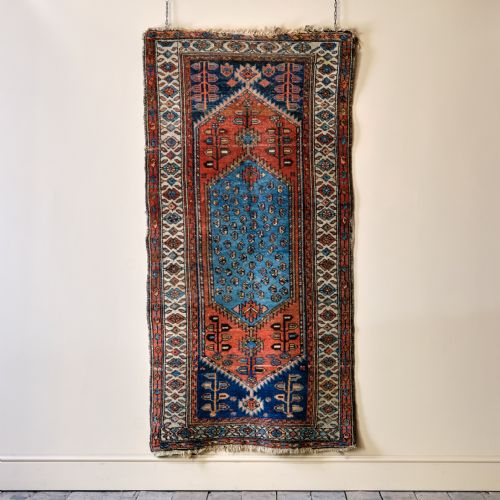
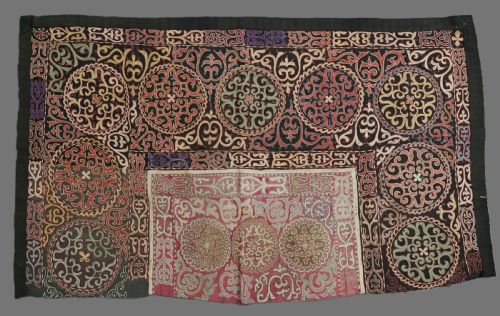
The pieces most commonly met on this page date from the early decades of the twentieth century alongside nineteenth-century examples. Buyers encounter runner rugs, area rugs, cushions, and Suzani textiles originating from regions such as Persia, Turkey, and Uzbekistan.
Makers ranged from village weavers and nomadic tribes to urban workshops producing intricate carpets and ceremonial horse covers. Their output reflects traditional motifs, prayer formats, and regional patterns passed down through generations.
How They Were Made
These textiles rely primarily on wool, cotton, and silk foundations and piles, often worked with natural dyes derived from plants and minerals. Artisans employed hand-knotting and flat-weave techniques, while others utilised silk thread embroidery upon cotton or adras silk grounds.
Nomadic and village groups constructed pieces on portable or upright looms using local fleeces and hand-spun yarns. Specialised workshops in cities achieved finer weaves through dense knot counts and complex floral designs.
Early Century Rug Retail Price Guide 2026
Typical asking prices for early century rug among the pieces listed under this phrase on Sellingantiques today, from the lower quarter to the upper quarter. They describe what is for sale here now, not the wider market.
Listings feature traditional materials including wool, cotton, silk, adras, and natural dyes across nineteenth and early twentieth-century formats.
What Varies in Quality
The standard of a piece depends heavily on the fineness of the weave and the integrity of the materials. Tightly knotted piles and secure foundations distinguish durable carpets from looser structures.
The richness and stability of the dye work also set examples apart. Natural dyes that age gracefully contribute to the enduring appeal of superior tribal and village textiles.
Franz Bergman
The Early Century Rug Glossary
- Suzani
- An embroidered tribal textile originating from Central Asia, typically worked in silk thread upon a cotton or silk ground. These decorative pieces often served as wall hangings or dowry items.
- Kilim
- A flat-woven carpet or rug produced without a pile through an interweaving of warp and weft threads. These textiles are known for their geometric patterns and lightweight structure.
- Prayer Rug
- A textile featuring a Mihrab niche design intended to indicate the direction of prayer. These portable rugs were produced across Anatolia, Persia, and the Caucasus.
- Yastik
- A small traditional Turkish rug or cushion face traditionally used on low seating. They measure smaller than standard area rugs.
- Adras
- A traditional hand-woven fabric combining silk and cotton fibres. It frequently provides the ground cloth for Central Asian embroideries.
Early Century Rug: Frequently Asked Questions
How do I clean an antique rug?
Maintenance requires gentle surface dusting and professional textile cleaning tailored to natural fibres and natural dyes. Avoid harsh detergents and excessive moisture to preserve the wool and silk.
Regular rotation prevents uneven wear from foot traffic and sunlight exposure. Placing a suitable underlay beneath the textile protects the foundation from friction.
Where were these tribal rugs made?
Production centres span Central Asia, Persia, Anatolia, and the Caucasus. Nomadic tribes and village weavers created these textiles using local materials and traditional motifs.
Specific regions such as Uzbekistan, Shirvan, and Konya developed distinct colour palettes and weaving structures. These geographical traits help identify the origin of each piece.
Can I use these rugs on the floor?
Many sturdy wool carpets and flat weaves suit moderate floor placement when paired with a protective underlay. Thinner embroideries and delicate silk pieces function better as wall hangings or decorative textiles.
Assessing the pile density and foundation strength determines whether a textile handles daily walking. Runner rugs and area rugs often serve well in hallways and low-traffic rooms.
What is a prayer format?
A prayer format incorporates an arch or mihrab design at one end of the textile. This architectural motif points toward Mecca during daily devotions.
Weavers across Anatolia and Persia utilised this layout for personal worship rugs. The design remains a key identifier for specific regional prayer pieces.