




Early 20th Century Low Table
These early 20th century low table pieces bring low-slung utility and period character to a room, offering surface space with distinctive historical presence.
Early 20th Century Low Table
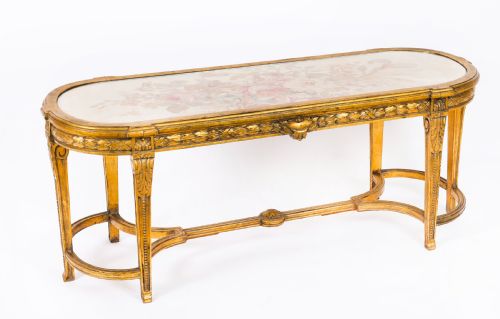
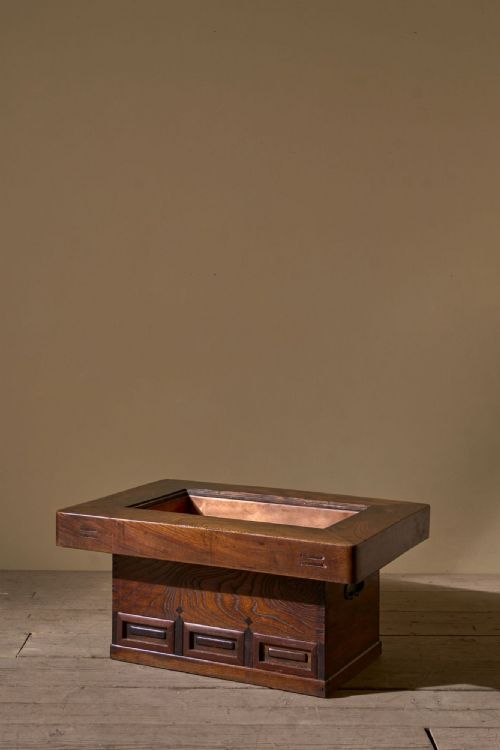
An early 20th century low table selection brings together a varied group of low-slung surfaces spanning coffee tables, side tables, occasional tables, and stools. The examples found here draw on periods from the 1900s through to the 1930s, reflecting diverse design impulses from European revivals to Eastern traditions. Buyers will encounter forms ranging from formal giltwood parlour pieces to rustic farmhouse cheese press tables and Chinese hardwood designs.
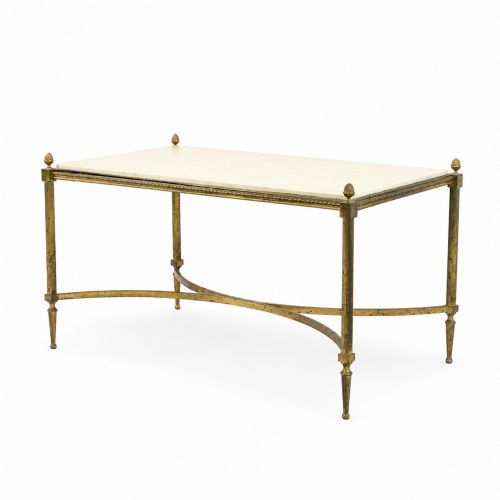
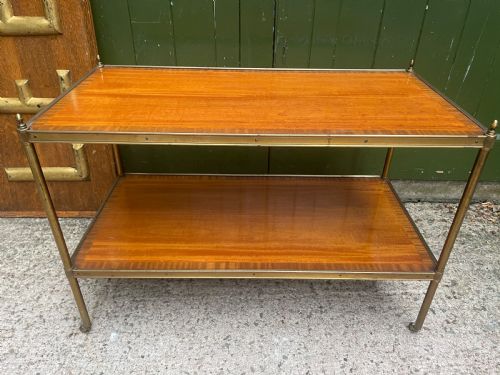
European pieces in this group often channel Edwardian tastes or Louis XVI Revival and Neoclassical styles, frequently incorporating marble tops, brass framing, and fine wood veneers like satinwood and walnut. Alongside these sit distinct regional traditions, including Japanese hibachi tables, Chinese Republic period lacquered surfaces, and Kashmiri or Chinoiserie decorated items. This mix provides sturdy functional furniture that doubles as a focal point in contemporary interiors.
How they were made
Construction relies heavily on traditional cabinet-making timbers such as oak, walnut, mahogany, sycamore, and dense exotic hardwoods like padouk and elm. Joinery is robust and suited to the lower loads and heights of these domestic pieces, utilising mortise and tenon frames alongside parquetry surface layouts. Metal components in brass and iron provide structural framing, corner mounts, or tier supports.
Decorative finishes define many of the finer items, from hand-applied black and gilt lacquer to carved giltwood and detailed parquetry work. Marble insets offer durable, cool-touch surfaces on French revival and neoclassical designs, while natural wax patinas preserve the grain of solid hardwoods.
Listings feature woods spanning oak, walnut, mahogany, sycamore, elm, satinwood, and padouk, alongside marble, brass, and lacquer.
What varies in quality
Quality reveals itself in the integrity of the materials and the crispness of decorative detail, such as the depth of hand-carved giltwood or the precision of parquetry geometric patterns. Superior items employ dense, well-selected hardwoods and high-grade metalwork that remain stable over decades of use. The richness of the natural patina on older wood surfaces also distinguishes finer examples.
The sophistication of the design lineage plays a major part, separating straightforward utilitarian workshop pieces from refined pieces made within established stylistic traditions. Finish execution, whether through smooth lacquer application or tight stone fitting in marble-topped frames, marks the difference between standard domestic furniture and exceptional craftsmanship.
Waring and Gillow·Gillows
The Early 20th Century Low Table Glossary
- Parquetry
- A geometric mosaic of wood pieces used for decorative ornamentation on floors and furniture surfaces. It creates patterned tops that catch the light.
- Giltwood
- Wood that has been treated with gold leaf or a gold-coloured finish for decorative effect. It appears frequently on revival and neoclassical furniture.
- Padouk
- A heavy, durable tropical hardwood prized for its rich reddish-brown colour and fine grain. It is often found in Chinese export furniture.
- Etagere
- A piece of furniture consisting of a set of open shelves for displaying small objects. These often feature multi-tiered brass framing.
- Hibachi
- A traditional Japanese heating device adapted here into a low table form. These items combine practical hearth utility with distinctive craft traditions.
Early 20th Century Low Table: Frequently Asked Questions
What rooms suit an early 20th century low table?
These low surfaces fit naturally into living spaces as central coffee tables or alongside seating as occasional and side tables. Their modest height makes them practical for resting books and drinks without dominating the field of view.
Different stylistic choices allow them to anchor both traditional period rooms and modern minimalist interiors. A lacquered or gilt piece adds contrast to neutral spaces, while plain hardwood versions warm up contemporary settings.
How do I distinguish between regional styles?
European examples often draw on classical architectural motifs, utilising giltwood, marble, and neoclassical symmetry. They look to French or Edwardian drawing room traditions for their decorative cues.
Asian and Middle Eastern pieces rely on distinct surface treatments like black lacquer, intricate parquetry, or carved low altar proportions. Examining the timber species and decorative motifs usually clarifies the geographic origin.
Were these always used as coffee tables?
Many of these pieces served different original functions before modern living redefined them as coffee tables. Items like Japanese hibachi containers or Chinese low altar tables were built for entirely separate domestic rituals.
Other formats started life as serving tables, low etageres, or even industrial items like cheese presses. Their current utility relies on their convenient proportions rather than their initial purpose.
How do I care for antique wood and lacquer surfaces?
Maintenance requires keeping wooden and lacquered surfaces away from direct heat sources and strong sunlight to prevent drying and cracking. Regular dusting with a soft cloth preserves the finish without abrasive chemicals.
Occasional application of appropriate wax feeds solid hardwoods like oak and walnut. Lacquered and gilded items need gentle handling to protect the delicate top layers.