


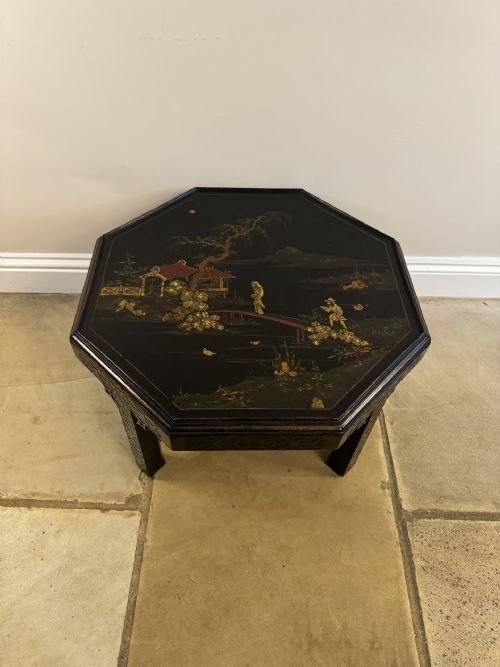

Asian Black Lacquer Table
An asian black lacquer table brings depth and decorative polish to a room, spanning coffee tables, low tables, and cabinets.
Asian Black Lacquer Table
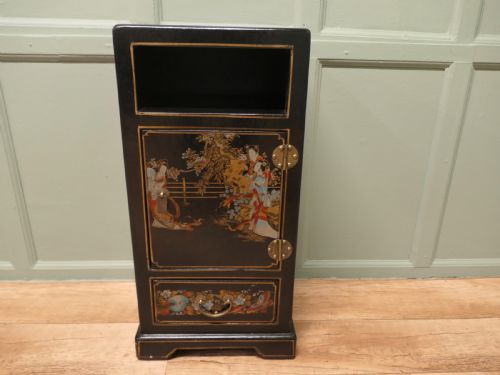
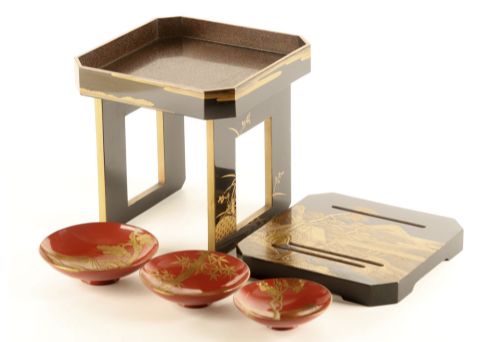
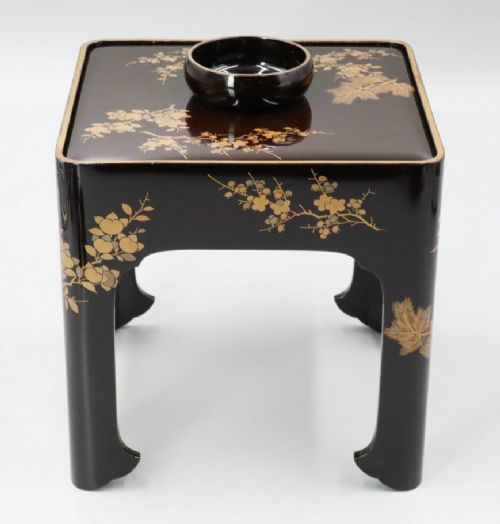
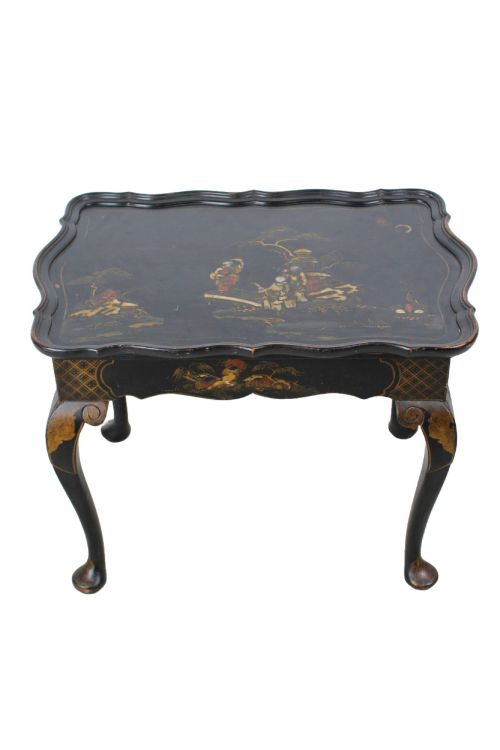
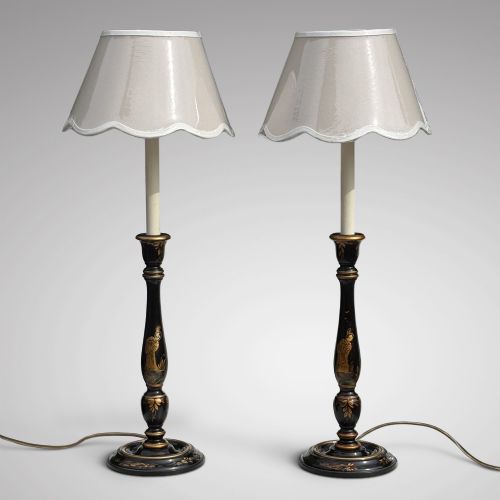
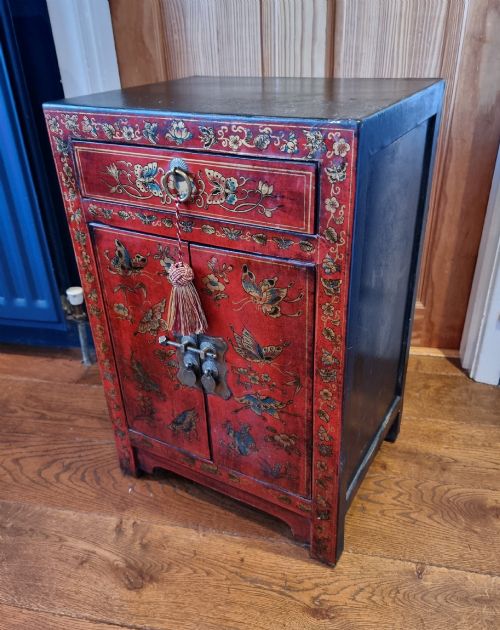
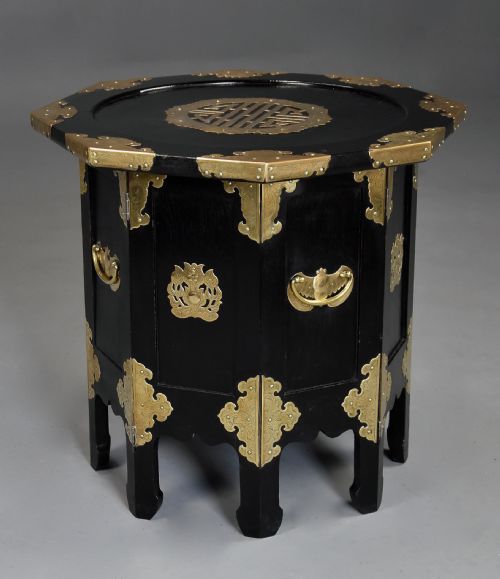
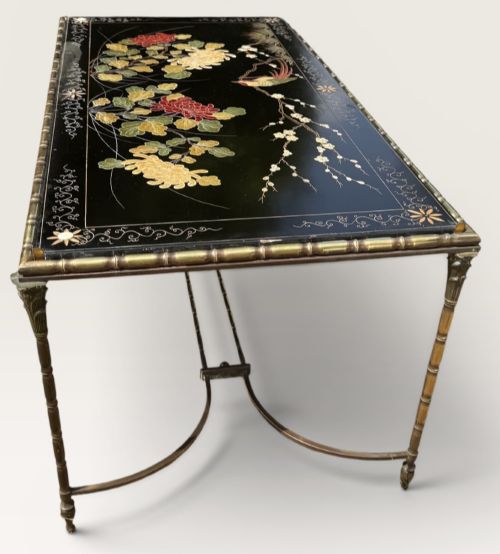
An asian black lacquer table appears in various forms across this selection, including coffee tables, tray top tables, console tables, and occasional tables. These pieces draw on styles such as Chinoiserie, Chinese Export, Japanese Meiji, and traditional Chinese design.
The dates range from the eighteenth century through the Victorian and Edwardian periods, extending into the early twentieth century and mid-century French interpretations. Makers and regions represented include Japanese, Burmese, and Chinese origins alongside European adaptations.
Buyers will find low tables suited for central seating areas alongside smaller side tables and table cabinets designed for storage. Each format utilises lacquered surfaces to bring dark, reflective tones into domestic interiors.
How they were made
Construction relies on wood foundations built into tables, cabinets, and stands, finished with layers of lacquer to create a smooth, durable surface. Artisans apply these coatings over timber frames to build deep, reflective finishes.
Decoration often incorporates gold leaf, gilt, brass, and metal details, sometimes pairing with raised relief work, painted motifs, and bone inlay. These decorative elements contrast sharply against the dark lacquered backgrounds.
Materials such as glass and marble also appear on specific table tops, combining stone or glass inserts with wooden and lacquered structures to form console and coffee tables.
Materials recorded across the selection include lacquer, wood, brass, gold leaf, glass, and marble.
What varies in quality
The refinement of the surface finish separates standard examples from finer works, particularly in the depth of the lacquer and the precision of the applied details. Pieces incorporating gold leaf, meticulous hand-painting, or raised relief work demonstrate greater artisan skill.
Structural integrity and the preservation of the original decorative scheme dictate the standing of each piece within the range. Items retaining their early brass mounts, intact bone inlay, and stable timber frames represent the higher tier of craftsmanship.
Maison Bagues
The Asian Black Lacquer Table Glossary
- Chinoiserie
- European decorative style reflecting Chinese artistic influences, commonly seen in painted furniture and lacquerwork. This aesthetic became particularly popular during the Edwardian era.
- Kodansu
- A small Japanese table cabinet or portable chest with multiple internal drawers. These decorative storage pieces frequently employ black lacquer finishes.
- Meiji
- A period in Japanese history spanning from 1868 to 1912, known for intricate lacquerware and metalwork exported to Western markets. Pieces from this era often display detailed craftsmanship.
- Gilt
- Application of gold leaf or gold paint to a surface for decorative enhancement. It provides striking contrast against dark lacquer backgrounds.
- Occasional table
- A small, movable table designed for specific, intermittent use in a room. These formats include low coffee tables and decorative side pieces.
Asian Black Lacquer Table: Frequently Asked Questions
Where should an asian black lacquer table be placed?
These tables fit well as central coffee tables in sitting rooms or as accent console tables in hallways. Their dark reflective surfaces contrast effectively against lighter walls and upholstery.
Smaller side tables and table cabinets work well beside seating or on top of larger sideboards to display objects.
How do I clean an asian black lacquer table?
Dust the surface regularly with a soft, dry cloth to prevent accumulation. Avoid harsh chemical cleaners or abrasive pads that can scratch the lacquer.
For stubborn marks, use a slightly damp cloth followed immediately by a dry one to protect the finish.
What periods do these tables come from?
The selection includes pieces dating from the eighteenth and nineteenth centuries, through the Victorian and Edwardian eras, up to the early twentieth century and mid-century periods.
Styles range from traditional Chinese Export and Japanese Meiji works to European Chinoiserie interpretations.
Are these tables sturdy enough for daily use?
Most pieces are built from solid wood foundations with protective lacquer coatings designed for domestic use. Coffee tables and console tables handle normal daily placement of objects.
Care should be taken with older lacquer surfaces to avoid excessive heat or moisture exposure.