



Early 20th Century Console
An early 20th century console brings formal presence or rustic utility to a room, offering sturdy tables surfaced in marble, mahogany, or oak.
Early 20th Century Console
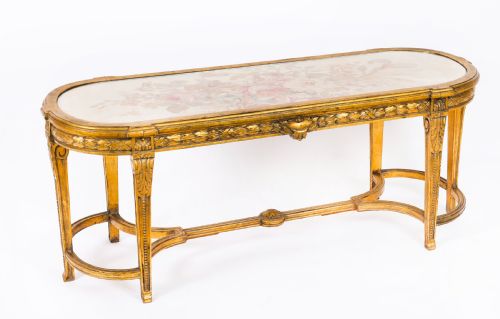
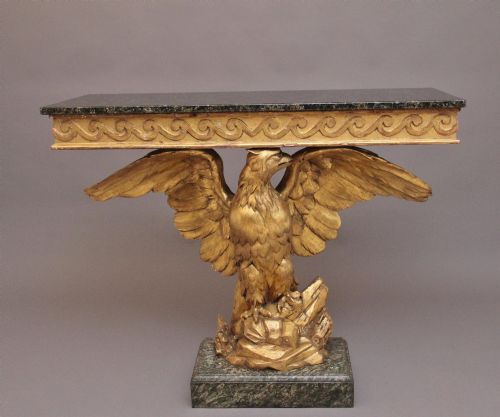
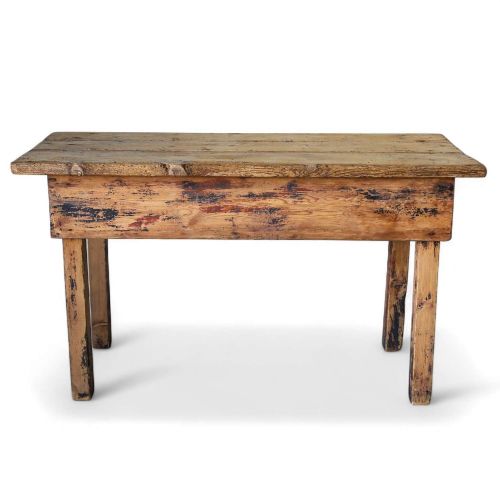
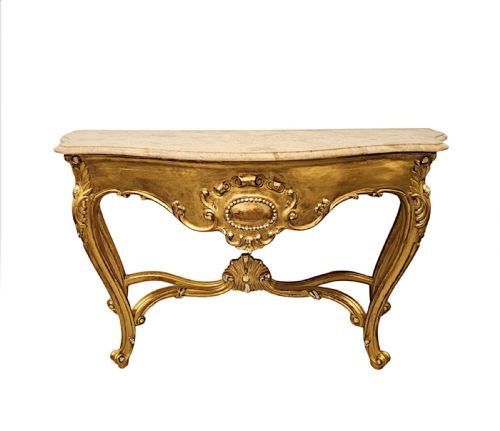
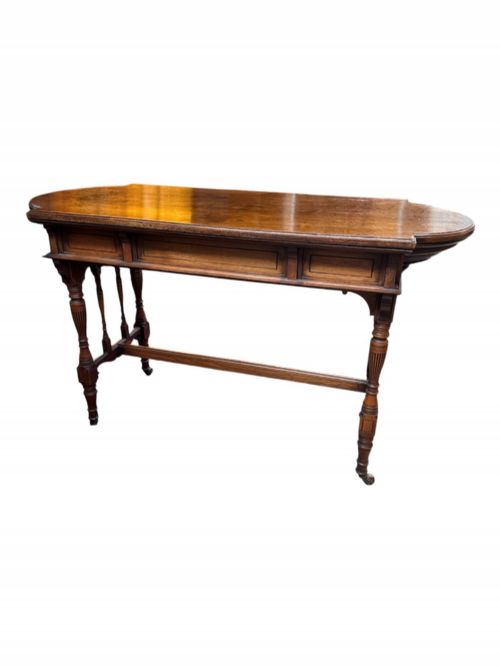
An early 20th century console spans grand giltwood examples with marble tops and simpler oak or pine farmhouse pieces suited to daily use. Buyers searching for this phrase seek surface area combined with decorative focus, finding formats that range from strict wall-fixing console tables to versatile side and hall tables.
The selection frequently includes French and Italian revival designs alongside British oak pieces, reflecting diverse regional tastes of the period. Revival styles such as Louis XVI, Neoclassical, and Jacobean dominate the forms, pairing traditional silhouettes with the varied materials of the early decades of the twentieth century.
How they were made
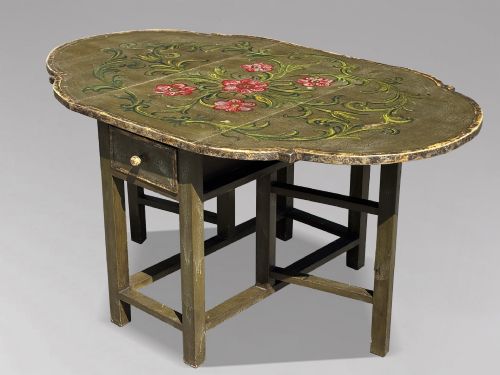
Construction relies on solid timbers like mahogany, oak, and walnut, frequently combined with applied ornamentation in gesso or carved wood. Marble tops provide heavy, durable surfaces on formal tables, while painted finishes and giltwood coatings deliver decorative effect.
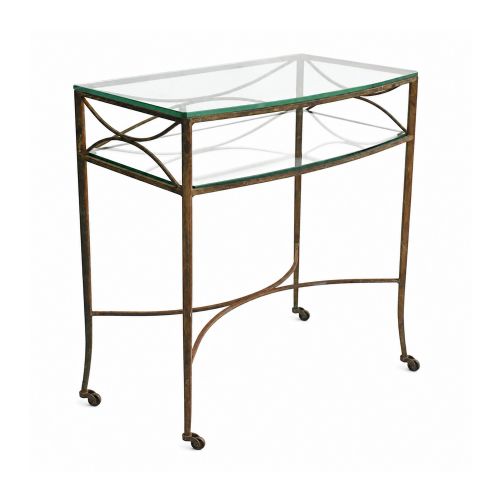
Secondary materials such as brass, cast iron, and glass appear in specific structural or decorative roles. Joinery techniques balance traditional cabinetmaking with the production demands of the era, accommodating heavy stone inserts and carved underframes.
Listings feature mahogany, oak, and marble alongside unexpected materials like bamboo, hessian, and cast iron.
What varies in quality
The standard of carving and gilding separates standard production from exhibition-grade work, where hand-painted details and specialist makers elevate the piece. The quality of the marble top, its thickness, and the depth of its veining also define the upper tier of console tables.
Structural integrity depends on the selection of timber and the execution of joints, particularly in pieces supporting heavy stone slabs. Finer examples retain original painted or gilded surfaces without heavy restoration, displaying crisper profiles in revival mouldings.
Howard & Sons·Pietro Ferrario
The Early 20th Century Console Glossary
- Console table
- A table designed to stand against a wall, traditionally fixed in place or supported by front legs. These pieces provide display surfaces in hallways and reception rooms.
- Giltwood
- Timber coated with a thin layer of gold leaf or gilt composition. This finish appears frequently on revival furniture intended for formal interiors.
- Demi-lune
- Half-moon shaped, describing tables with a semicircular front and a flat back designed to sit flush against a wall. This format is common in Neoclassical and Sheraton revival designs.
- Chinoiserie
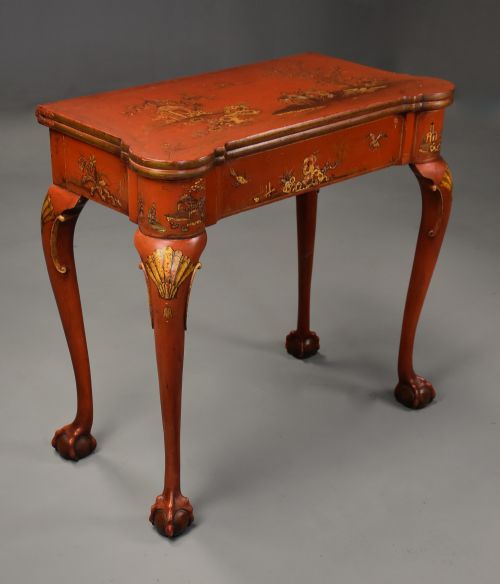
- European decorative style incorporating Chinese artistic motifs, often rendered in lacquered finishes. This technique appears on games and card tables from the period.
Early 20th Century Console: Frequently Asked Questions
Where should I place an early 20th century console?
These tables suit narrow entrance halls, living room perimeters, or dining spaces where surface space is required without a deep footprint.
Marble-topped or gilt versions function well as visual focal points beneath mirrors, while oak or pine variants serve practical roles in kitchens and boot rooms.
Are these consoles freestanding or wall-fixed?
Most examples function as freestanding side or console tables with four or two legs, though traditional wall-fixing brackets were sometimes utilised for stability.
Heavier marble-topped variants often rely on their own substantial weight to remain secure against a vertical surface.
How do I identify the revival style?
Revival pieces borrow decorative vocabulary from earlier centuries, such as the classical motifs of Louis XVI or the robust turnings of Jacobean furniture.
Examining the proportion, carving depth, and specific framing details helps distinguish between French chateau influences and British vernacular styles.
What maintenance do marble tops require?
Marble surfaces benefit from regular wiping with a damp cloth and gentle soap, avoiding acidic cleaners that etch the stone.
Polishing is rarely necessary, but applying a neutral stone sealer protects porous varieties from staining during daily use.