


Early 19th Century Glass
Early 19th century glass gathers decanters, vessels, and mirrors spanning Georgian, Regency, and Victorian periods.
Early 19th Century Glass
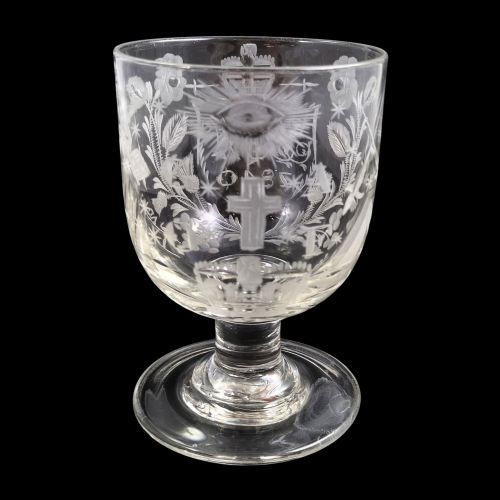
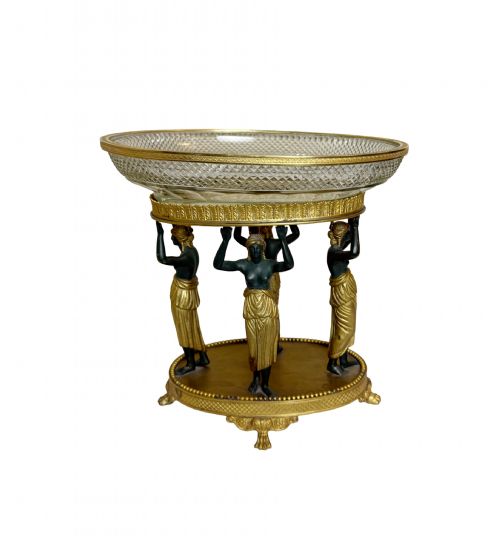
Early 19th century glass encompasses functional table items and decorative objects produced during the Georgian, Regency, and Victorian eras. These items range from drinking vessels such as wine glasses and rummers to storage pieces like decanters and chemist jars.
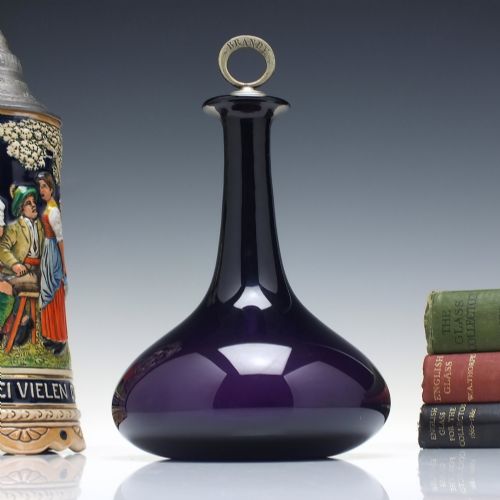
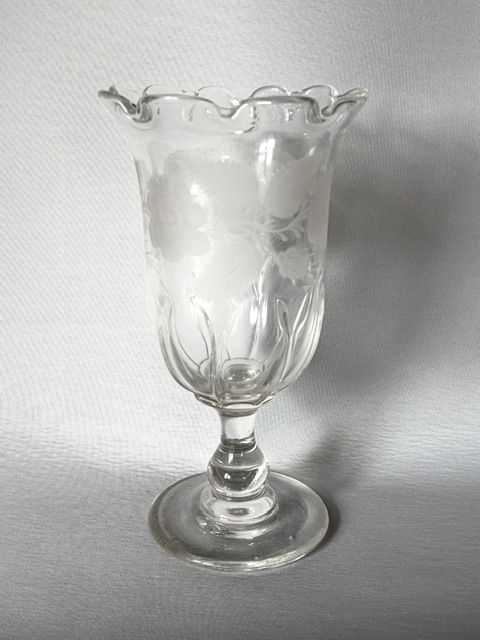
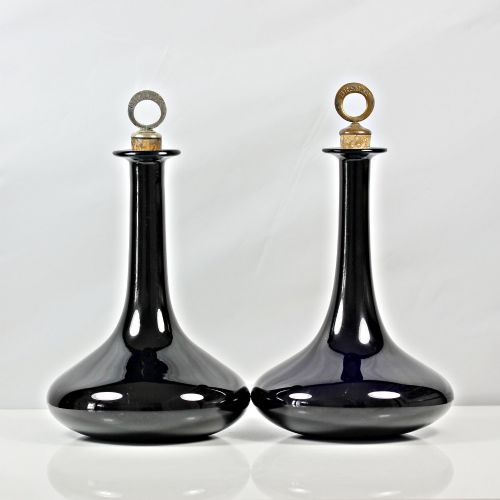
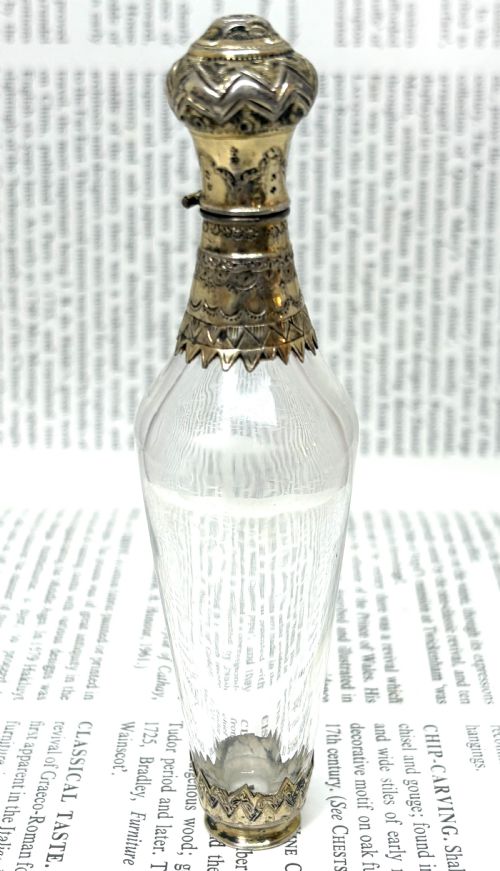
Tableware forms frequently feature deep cutting, engraving, or distinct colours including Bristol blue, amethyst, and green. Collectors also encounter specialised items like celery vases, standing salts, and scent bottles.
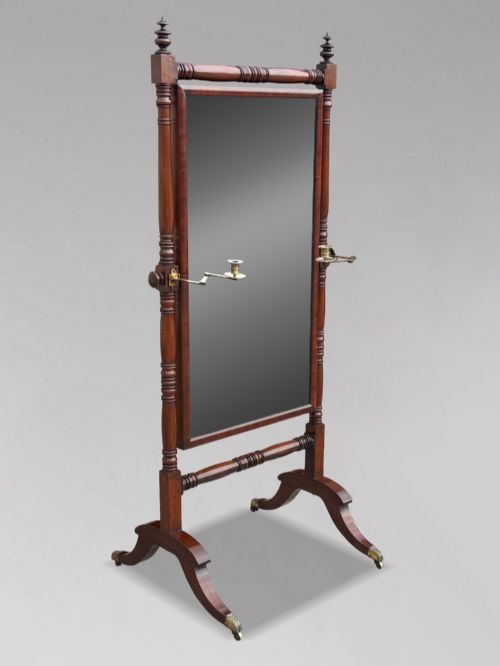
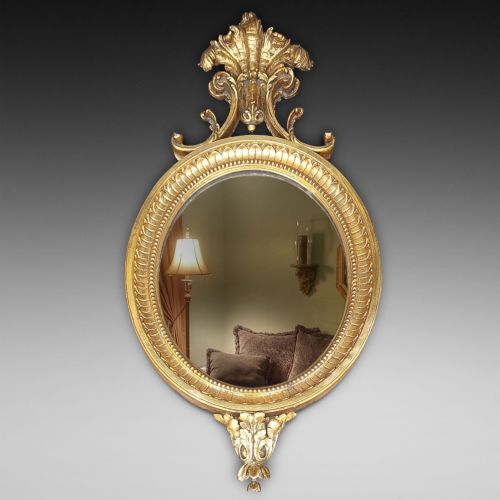
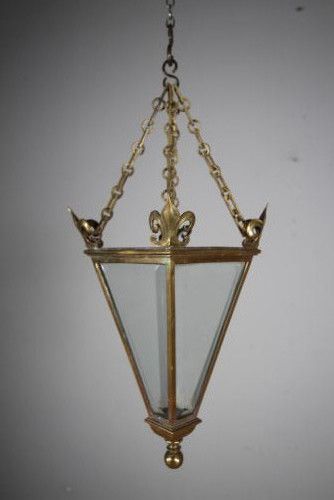
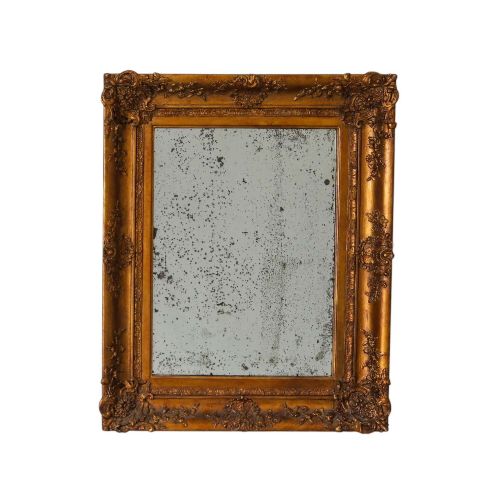
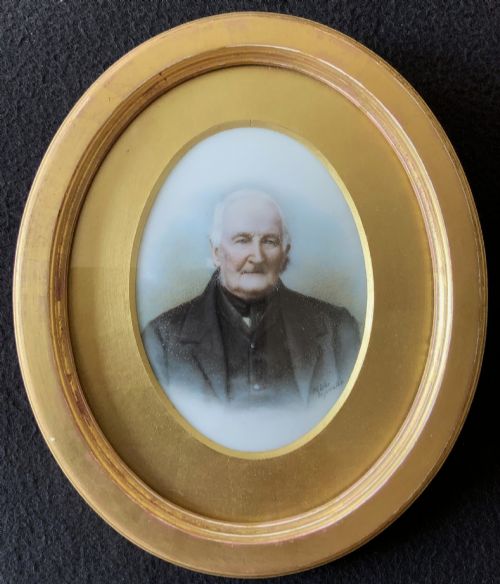
Beyond domestic tableware, the material appears in lighting components, scientific instruments, and mirror plates. Reverse paintings on glass from this period demonstrate a distinct decorative application popular across English and Chinese export markets.
Materials and Techniques
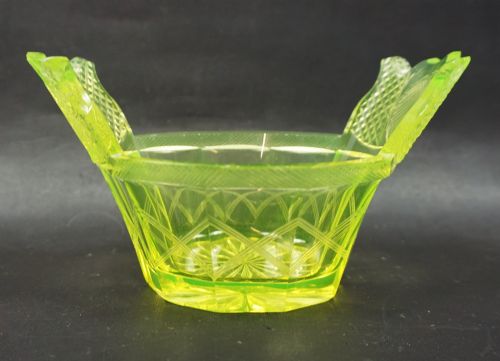
Makers utilised lead glass for its weight, clarity, and suitability for deep wheel-cutting. Lead oxide added to the batch increased the refractive index, allowing facets to catch candlelight effectively.
Surface decoration involved wheel-engraving, etching, and painting. Coloured glass was achieved by adding metallic oxides to the molten batch, producing deep cobalt blues, greens, and amethysts.
Blown vessels required skilful manipulation of the metal on the pontil iron, leaving a characteristic scar on the base once ground and polished.
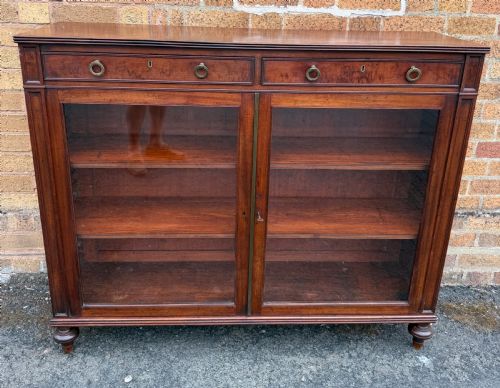
Listings feature items in lead glass, brass, and mahogany, spanning the 1800 to 1860 periods.
Assessing Quality
Quality rests upon the purity of the metal and the precision of the cutting or engraving. Superior pieces display crisp facets without distortion and an even distribution of colour in tinted examples.
The crispness of wheel-engraved motifs separates master craftsmanship from routine production. Weight and balance further distinguish superior tableware and decanters from standard utility wares.
The Early 19th Century Glass Glossary
- Lead glass
- Glass containing lead oxide, which increases brilliance, heft, and workability for cutting. This material forms the basis of many fine drinking vessels from the period.
- Pontil mark
- The rough scar left on the base of a blown vessel where the pontil rod was snapped off. Skilled makers polished this area smooth on finer items.
- Reverse painting on glass
- An artwork applied directly to the rear of a glass sheet, viewed through the polished front. This technique protected the delicate pigments from atmospheric damage.
- Rummer
- A large, heavy-stemmed drinking glass popular for ale or wine. These sturdy vessels often feature engraved decoration characteristic of North-East English workshops.
- Bristol blue
- A deep cobalt blue glass associated with production in the Bristol area. It found frequent use in decanters and finger bowls.
Early 19th Century Glass: Frequently Asked Questions
What is early 19th century glass?
It comprises glassware produced roughly between 1800 and 1840, spanning the late Georgian, Regency, and early Victorian periods. These objects include functional tableware, decorative bottles, and scientific or domestic lenses.
The category highlights both utilitarian items and luxury tablewares shaped by evolving chemical recipes and cutting techniques.
How do I identify a Georgian decanter?
Georgian decanters typically feature heavy lead glass construction with hand-cut flutes, pillar moulding, or engraved decoration. They often retain their original matching stoppers, which were ground to fit individual necks.
Colours range from clear crystal to deep Bristol blue or amethyst, often accompanied by moulded triple-ring necks.
What are reverse paintings on glass?
These are decorative pictures painted directly onto the reverse side of a glass panel. Artists applied fine details first, followed by broader background layers, creating a glossy finished surface when viewed from the front.
They were widely framed for domestic display or incorporated into mirrors and trade objects during the Regency era.
How should I clean antique glass?
Antique glass requires gentle cleaning with warm water and mild soap, avoiding harsh scrubbing or ultrasonic cleaners. Sudden temperature changes must be avoided to prevent thermal shock and cracking in fragile historical metal.
Items with painted surfaces or gilt details demand particular caution, keeping moisture away from vulnerable decorated areas.