
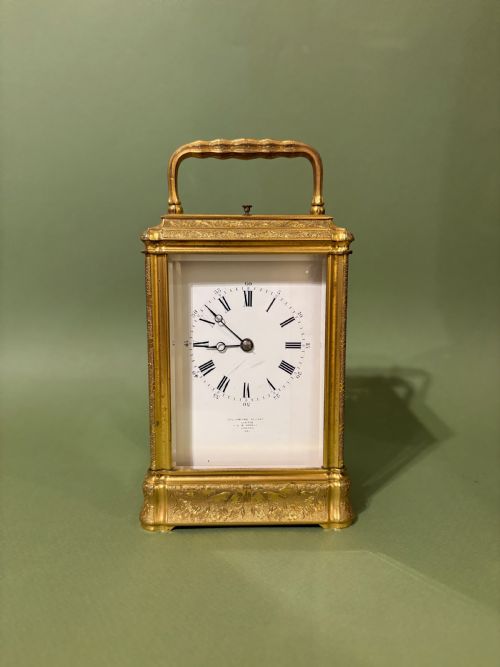
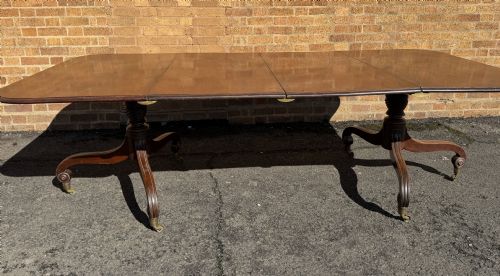
Early 19th Century Brass
Early 19th century brass encompasses practical household objects, domestic lighting, and decorative mounts made during the Georgian and Regency periods.
Early 19th Century Brass
When searching for early 19th century brass, buyers encounter a diverse selection of lighting, desk accessories, and structural furniture mounts spanning the Georgian, Regency, and early Victorian periods. Candlesticks, writing boxes, and fire tools dominate the surviving inventory, reflecting the domestic habits and interior tastes of the era.
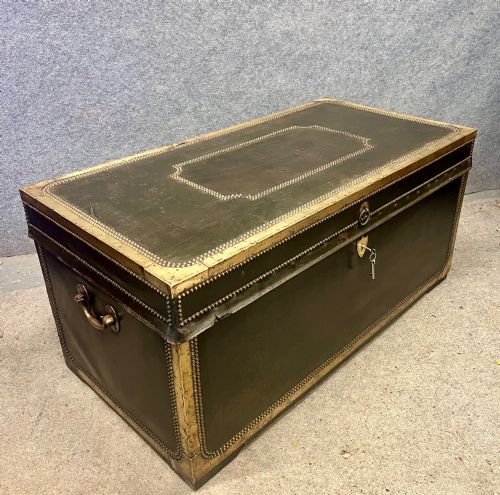
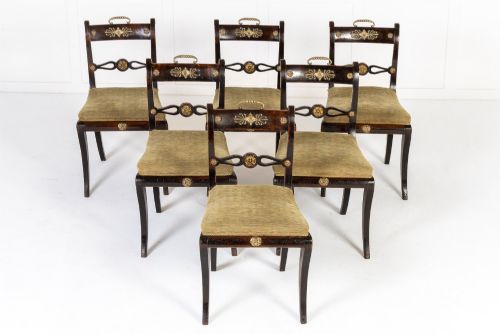
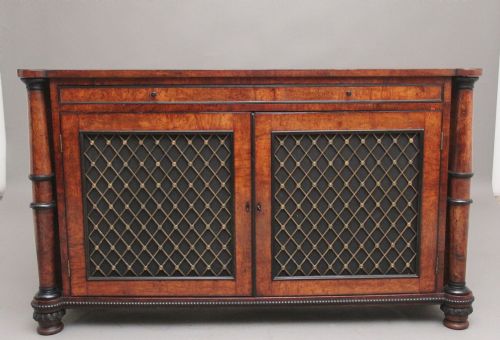
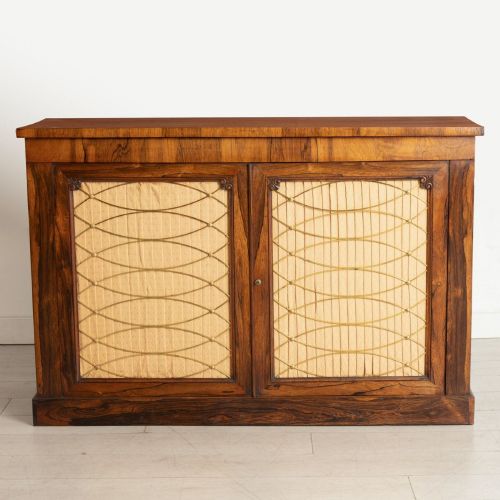
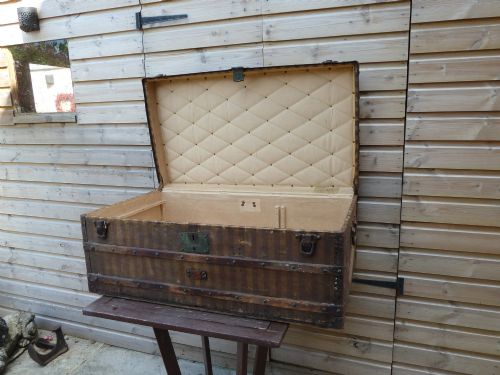
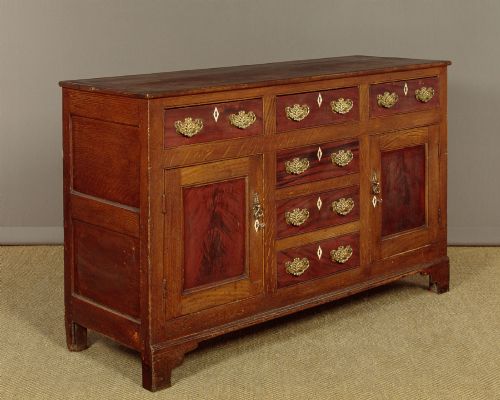
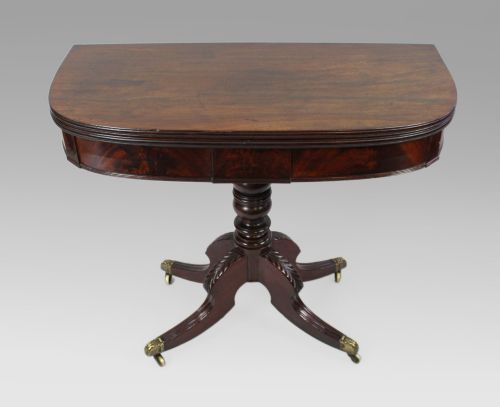
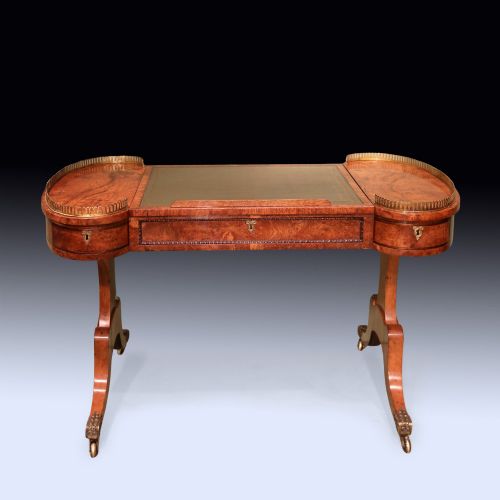
The material also appears frequently as decorative inlay on rosewood and mahogany furniture, or as robust hardware protecting campaign chests and writing cabinets designed for travel.
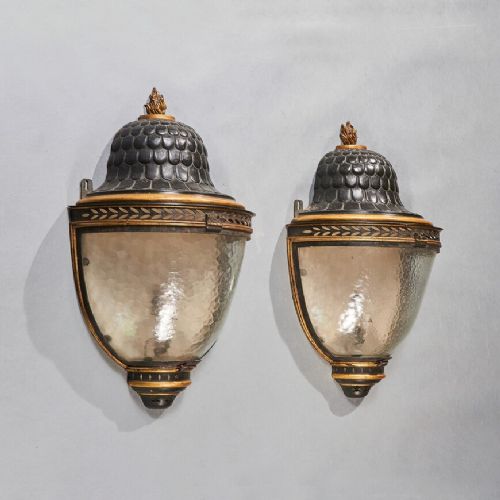
Lighting equipment forms a substantial portion of these pieces, ranging from simple household chambersticks to elaborate altar lamps and wall lanterns.
Materials and Fabrication
Makers utilised casting techniques to produce heavier structural components such as candlestick bases and desk cannons, while sheet brass was beaten, cut, and embossed for vessels, trays, and fire fenders.
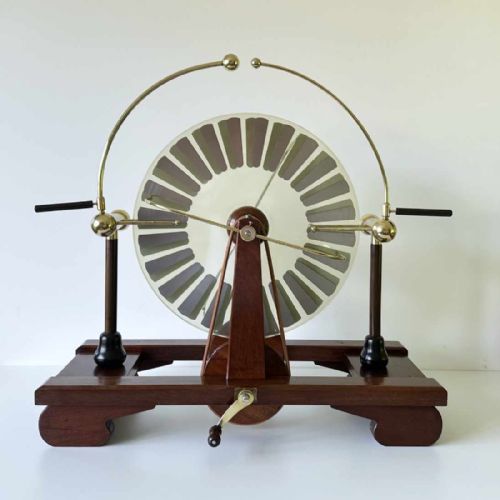
Many utilitarian items combined solid metal sections with turned wooden elements or marble bases, particularly in decorative domestic objects and scientific equipment.
Finishing involved polishing to a bright finish or leaving surfaces with a patinated appearance developed through decades of handling and atmospheric exposure.
A sturdy brass dog collar inscribed for a nineteenth-century police revenue officer proves that even family pets had official government business.
Evaluating Quality and Craftsmanship
Quality in these items rests upon the crispness of the casting detail, the weight of the metal used, and the integrity of any subsequent assembly.
Pieces featuring hand-chased ornamentation or sophisticated engraving demonstrate a higher level of workshop skill than standard mass-produced foundry work.
The preservation of original surface patination and the absence of heavy modern polishing distinguish superior surviving examples from altered or overly restored items.
William Tonks·Hicks of London·L Casella and Co·Henri Jacot·Canaillor of Paris
The Early 19th Century Brass Glossary
- Patina
- The surface sheen and colour acquired by metal through age, use, and cleaning over many decades. It serves as an indicator of authenticity and careful preservation.
- Ormolu
- Gilt bronze or brass ornamentation applied to clocks, furniture, and decorative objects. The technique involves creating a mercury gilding finish over a cast metal base.
- Campaign furniture
- Portable pieces designed for travel, typically fitted with flush brass handles, corner brackets, and protective strapping to withstand frequent transit.
- Jardiniere
- An ornamental pot or stand designed to hold plants or flowers. These items appear in brass and copper across the period.
- Cellarette
- A lockable container used for storing wine bottles, frequently fitted with brass bands and interior partitions during the Regency era.
Early 19th Century Brass: Frequently Asked Questions
How do I clean antique brass?
Most dealers advise against aggressive chemical cleaning that strips the historic surface of its accumulated patina. Gentle dusting with a soft cloth is usually sufficient for maintenance.
If washing is necessary, use mild soapy water and dry thoroughly immediately afterwards to prevent spotting.
Were these candlesticks originally electric?
Electric conversions are common for candlesticks and oil lamps from this era to make them practical for modern lighting. Many retain their original socket components beneath the conversion work.
Inspect the base and wiring channels to understand how the adaptation was executed without damaging the primary structure.
How can I tell Regency brass from later Victorian pieces?
Regency items typically display sharper casting lines, neoclassical design motifs, and simpler geometric proportions compared to later Victorian iterations. The weight and method of construction also offer clues to the manufacturing date.
Examining fastening techniques like hand-cut screws helps distinguish early production from mass-manufactured Victorian output.
What is campaign brass hardware?
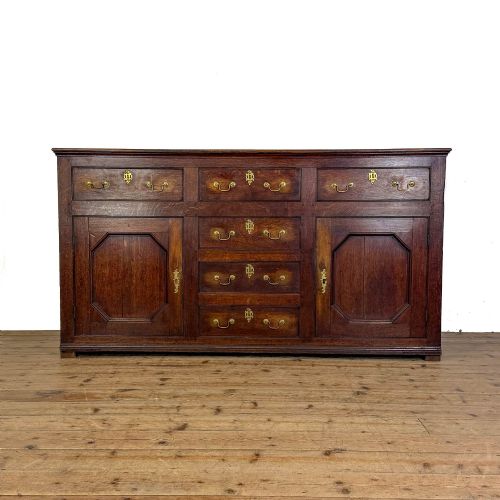
Campaign hardware consists of flush-fitting brass corners, inset handles, and strapwork designed to protect wooden furniture during military transport. These mounts prevented the edges of trunks and desks from splitting on long journeys.
Their robust construction made them popular for high-end domestic furniture as well as field equipment.