
Early 18th Century Walnut
Early 18th century walnut furniture encompasses refined seating, desks, and storage pieces valued for rich grain patterns and warm patinas.

Early 18th Century Walnut
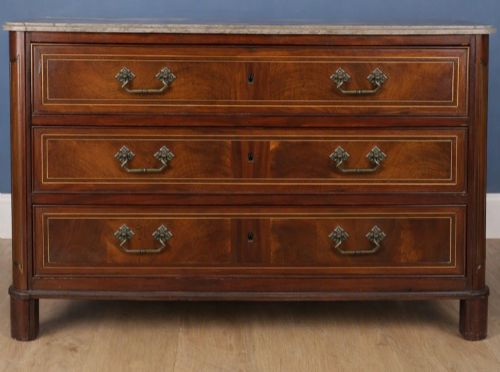
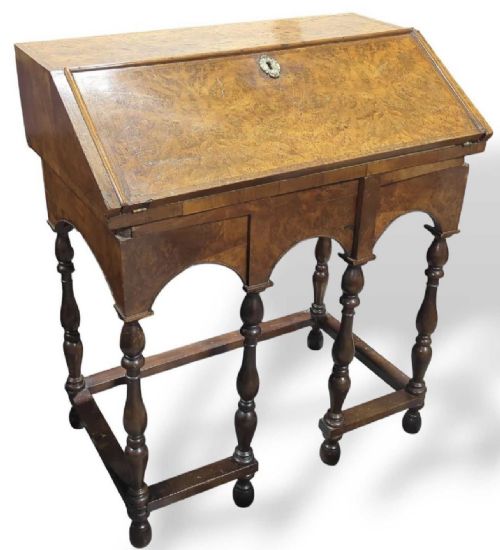
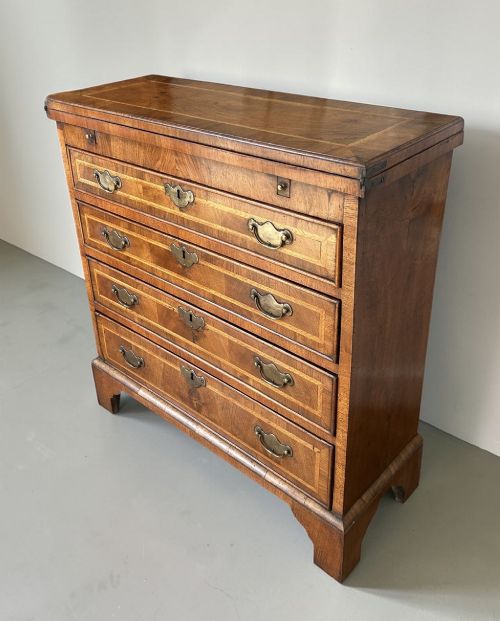
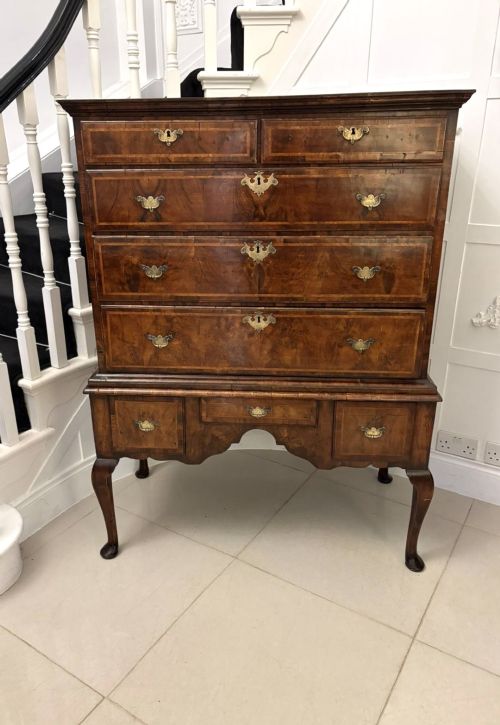
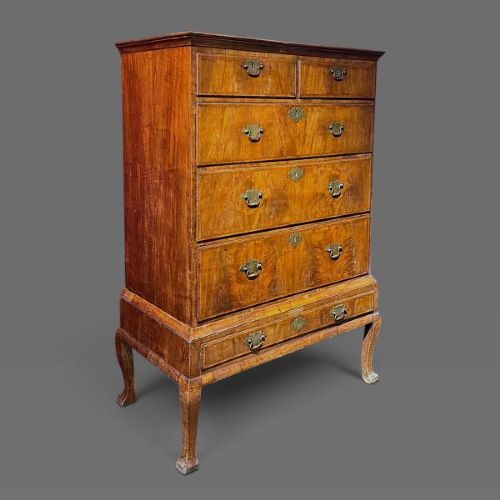
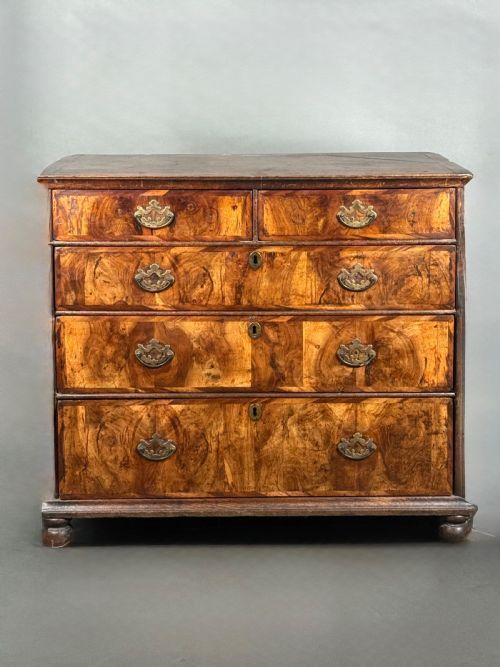
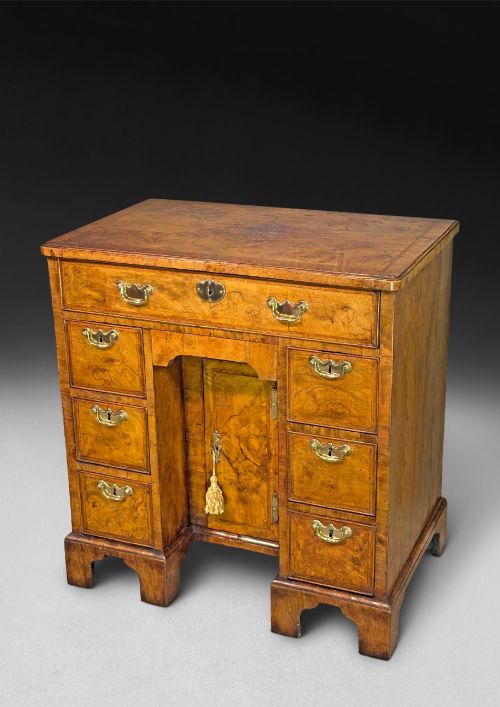
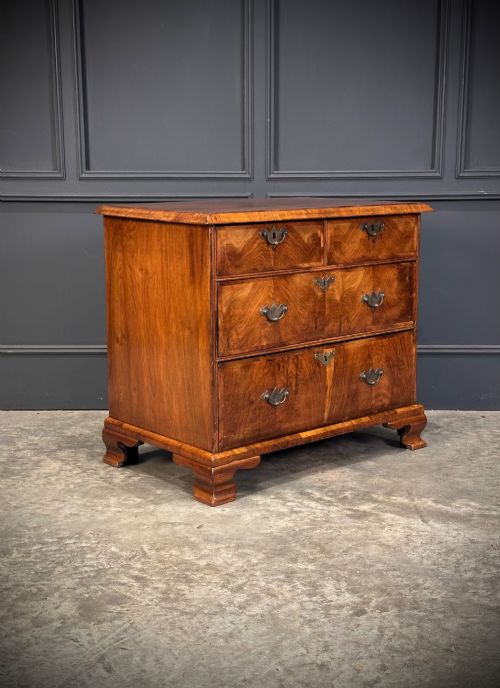
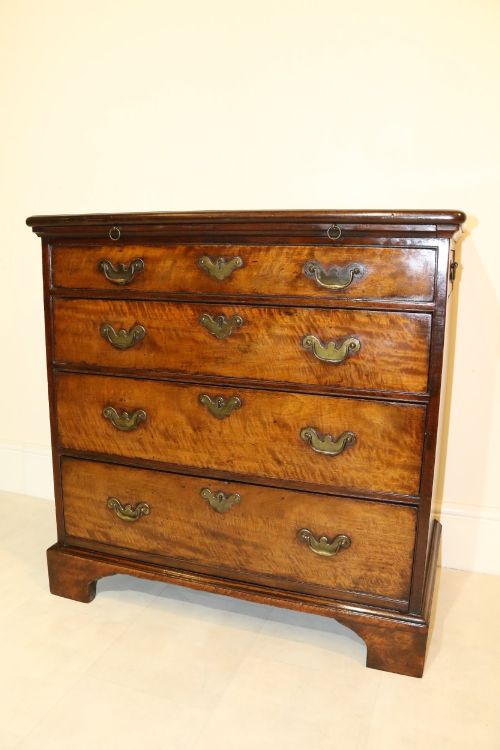
Early 18th century walnut pieces primarily comprise case furniture such as chests of drawers, desks, bureaux, and tall chests on stands or chests on chests. These domestic items hail predominantly from the Queen Anne and George I periods, reflecting the transition from solid oak to figured veneers.
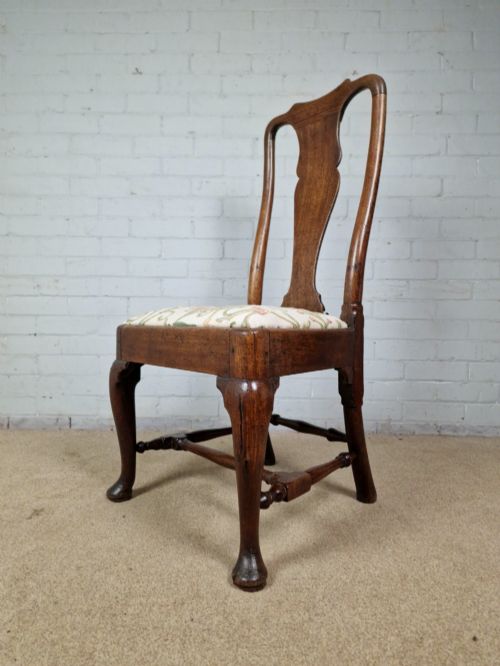
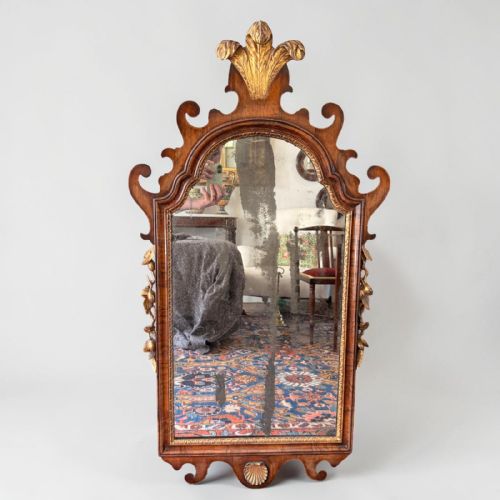
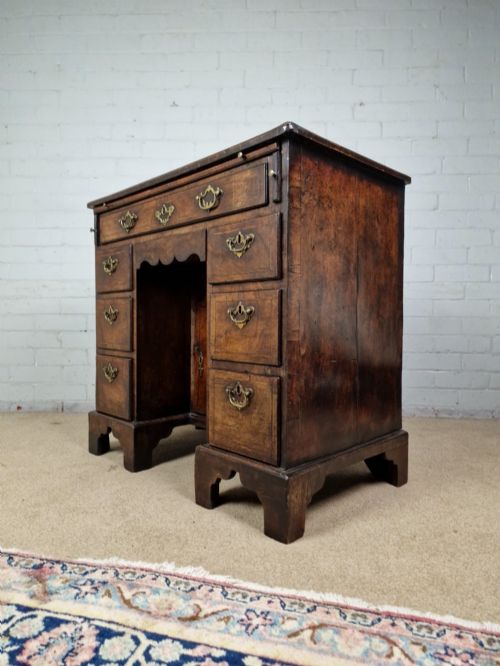
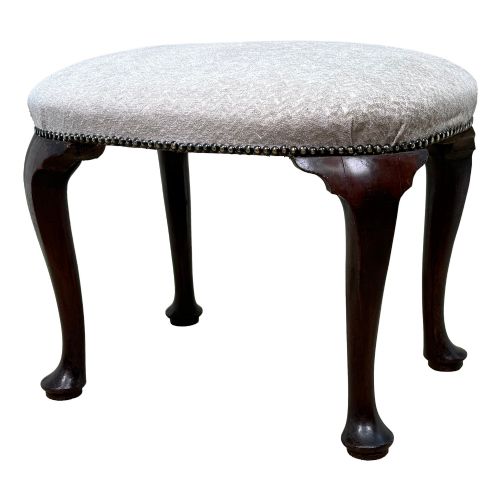
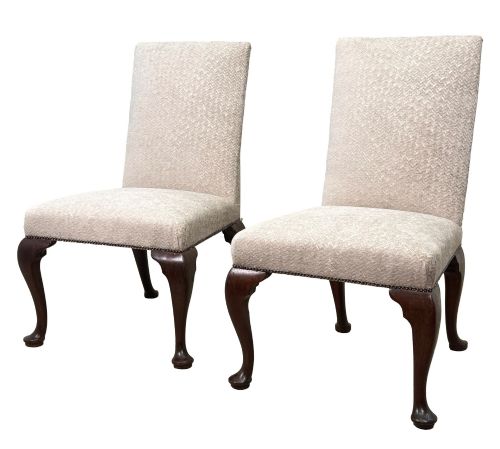
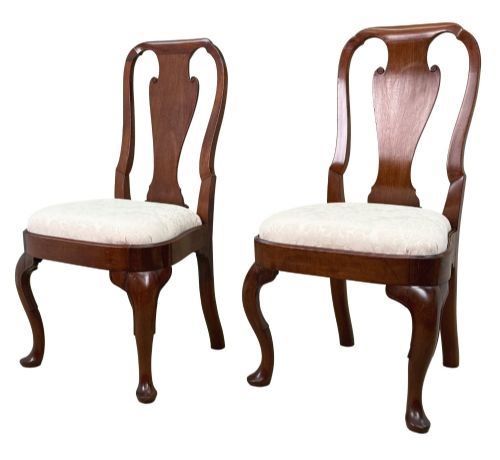
Seating forms also feature prominently, including side chairs, armchairs, and stools often designed with cabriole legs. Buyers encounter writing furniture such as kneehole desks, escritoires, and bureau bookcases alongside smaller accent items like lowboys and wall mirrors.
Materials and Construction
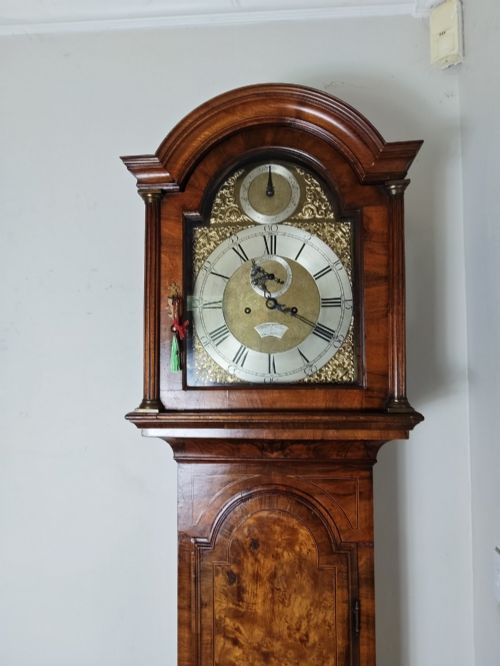
Craftsmen utilised figured walnut and burr walnut veneers applied over secondary woods like oak and pine to create striking decorative surfaces on primary facades. Artisans enhanced these grain patterns using intricate decorative techniques such as herringbone banding and crossbanding.
Structural elements incorporated brass hardware, including drop handles and escutcheons, while seating utilised upholstered textiles, needlepoint, and tapestry inserts. Mirror glass and occasional parcel gilt accents completed the decorative scheme on specific case pieces and wall frames.
Listings feature Queen Anne and George I periods predominantly, utilising walnut, burr walnut, oak, and brass across desks, chests, and chairs.
Evaluating the Pieces
Quality rests significantly on the choice of veneer, with rich, highly figured burr walnut commanding greater visual depth than plainer cuts of timber. The survival of an original surface finish and warm patina dictates the aesthetic success of any given item.
Integrity of construction matters deeply, distinguishing pieces retaining their original stands, hardware, and internal fitted drawers from those altered or assembled from disparate parts over subsequent generations.
The Early 18th Century Walnut Glossary
- Burr walnut
- A specialised timber cut from walnut tree growths, yielding intricate, swirling grain patterns highly prized for cabinet fronts.
- Crossbanding
- A decorative border technique where thin strips of veneer are laid perpendicular to the main grain direction.
- Lowboy
- A small side table featuring a low drawer arrangement, commonly supported on slender cabriole legs.
- Escritoire
- A tall writing cabinet featuring a fall-front desk flap concealing an arrangement of small interior drawers and pigeonholes.
- Herringbone banding
- A precise inlay pattern formed of small veneer segments angled together to resemble fish bones.
Early 18th Century Walnut: Frequently Asked Questions
How do I identify a genuine piece?
Examine the secondary woods used inside drawer linings and carcass backs, which typically consist of oak or pine during this era. Look for hand-cut dovetails and timber movement appropriate to early eighteenth-century construction methods.
Check for consistency in the walnut veneer and verify that hardware configurations match the period style. Original patination develops naturally over centuries and resists simple modern replication.
Where should I place a bureau bookcase?
Position these tall storage items in principal living spaces or studies where ceiling height accommodates their vertical proportions. Keep them away from direct sunlight and heat sources to prevent timber shrinkage and veneer lifting.
Ensure the floor is level so the heavy upper section rests securely on the lower bureau base. Leave adequate clearance for the fall-front writing flap and internal drawers to open fully.
How do I care for walnut surfaces?
Dust the timber regularly using a soft, dry lint-free cloth to prevent particulate buildup on the delicate veneer. Apply traditional beeswax sparingly when the wood appears dry, buffing gently to maintain the natural sheen.
Maintain stable indoor humidity levels to protect both the solid timber framework and the historical glue joints. Avoid using modern silicone polishes or chemical sprays that penetrate and damage antique finishes.
What defines the Queen Anne style?
This design aesthetic emphasises curved lines, notably seen in the popularization of the cabriole leg ending in pad or slipper feet. Proportions became more domestic and human-scaled compared to the heavier styles of the preceding century.
Walnut emerged as the preferred primary timber, allowing craftsmen to showcase natural grain patterns rather than relying on heavy carving. Smooth surfaces and subtle vase-shaped splats on chair backs characterise this elegant transitional period.