



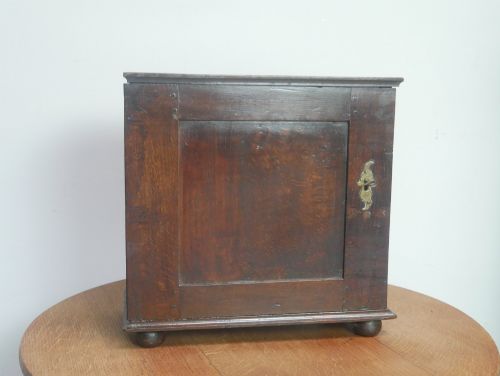
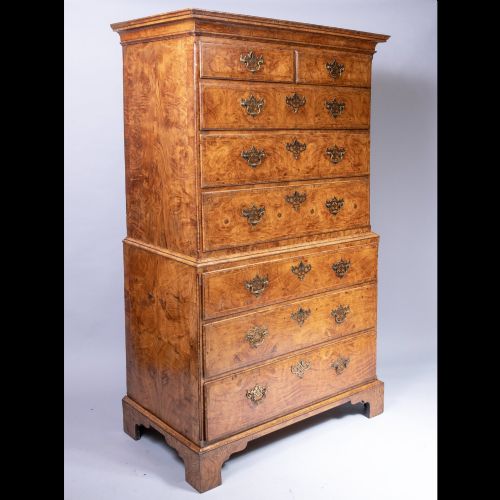


Early 18th Century Oak Chest
When you search for an early 18th century oak chest, you seek sturdy domestic storage shaped by centuries of use and honest joinery.
Early 18th Century Oak Chest
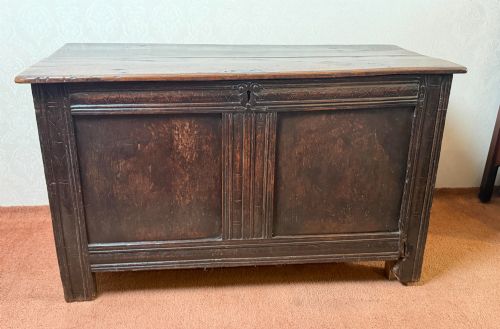
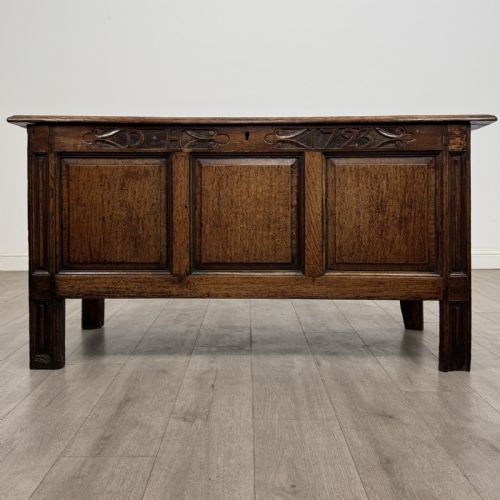
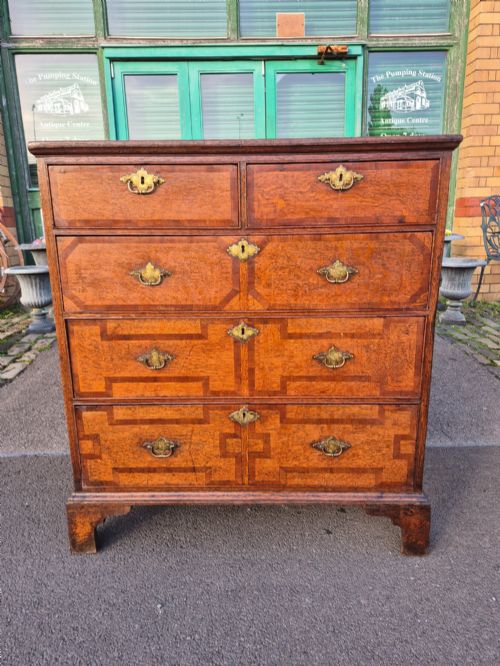
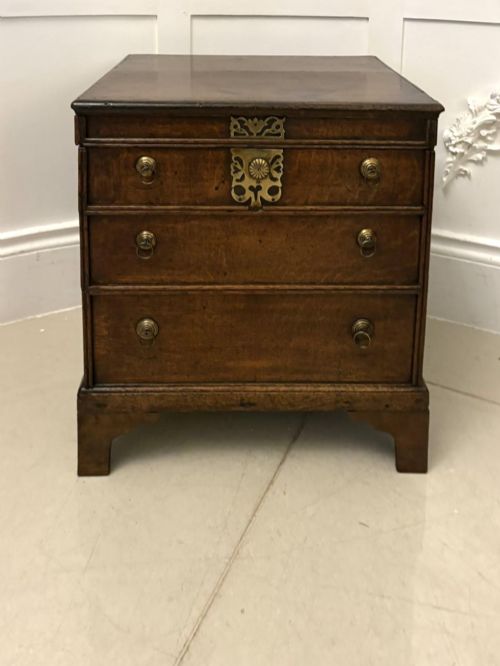
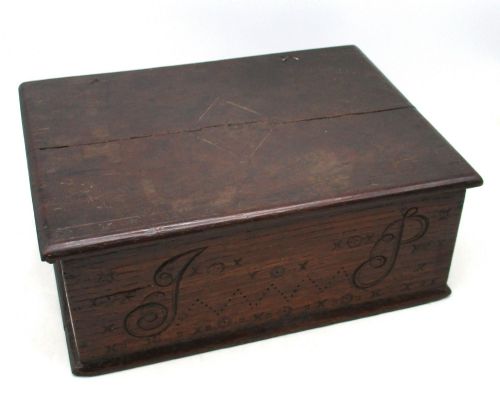
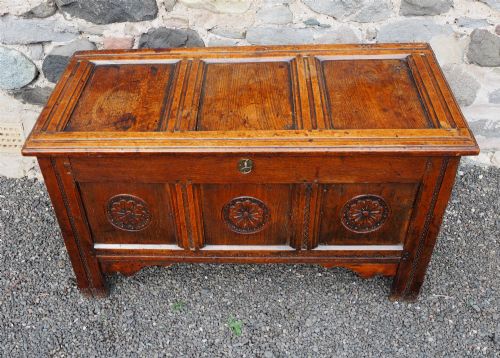
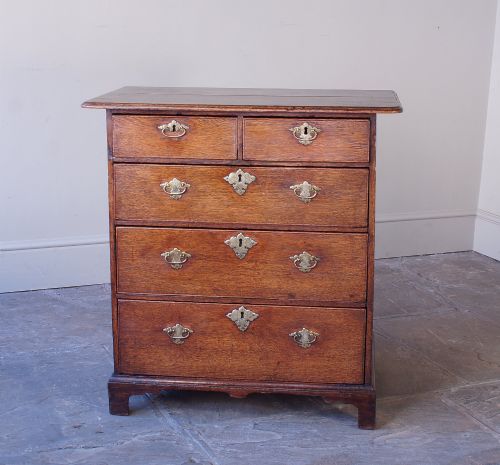
An early 18th century oak chest encompasses heavy-timbered coffers, mule chests with lower drawers, and multi-drawer chests of drawers originating from Georgian, Queen Anne, and George I periods. These domestic pieces served rural farmhouses and town dwellings alike for storing linen, documents, and personal belongings.
The buyer meets plain boarded coffers, panelled blanket boxes, and elevated chests on stand across these listings. Forms range from simple document boxes and spice cupboards to towering tallboys and bureaus constructed in regional English, Welsh, and continental workshops.
Regional variations appear frequently, including Welsh coffer baches and East Anglian chests of drawers. This selection focuses heavily on solid timber construction reflecting early Georgian and provincial aesthetics.
Construction and materials
Carpenters built these pieces using solid oak, often supported by secondary timbers like elm, fruitwood, and walnut for panels and drawer linings. Wrought iron and brass provided hinges, escutcheons, and drop handles that secured heavy lids and drawer fronts.
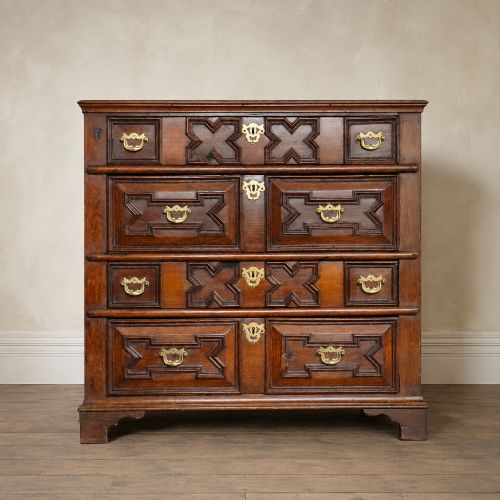
Frame-and-panel construction accommodated the natural seasonal movement of green or seasoned timber without splitting the main structure. Geometric mouldings, carved details, and fruitwood inlay decorated the structural surfaces of finer examples.
Early 18th Century Oak Chest Retail Price Guide 2026
Typical asking prices for early 18th century oak chest among the pieces listed under this phrase on Sellingantiques today, from the lower quarter to the upper quarter. They describe what is for sale here now, not the wider market.
Listings feature oak, elm, burr elm, walnut, fruitwood inlay, brass, and wrought iron across pieces spanning the 17th to 19th centuries.
Factors determining quality
Quality rests on the integrity of the timber selection and the retention of original structural surfaces, including the unblemished depth of the wood's natural finish. Pieces retaining their initial brass hardware, untouched panel pins, and original bases command greater historical interest.
Heavily altered examples or those stripped down to raw timber lose the nuanced surface character built through centuries of handling. The crispness of geometric mouldings and the tightness of early dovetail joints distinguish standard utility pieces from higher-status workshop productions.
The Early 18th Century Oak Chest Glossary
- Coffer
- A large heavy wooden box with a hinged lid used primarily for storage. These foundational furniture pieces often featured carved front panels.
- Mule chest
- A storage chest fitted with one or more drawers in the base beneath the main compartment. This hybrid form bridged the traditional coffer and the modern chest of drawers.
- Chest on stand
- A case of drawers raised off the floor on a separate supporting framework with legs. This elevated form gained popularity during the Queen Anne and George I periods.
- Tallboy
- A tall chest of drawers consisting of one chest stacked upon another larger base section. Also known as a chest on chest, it maximised vertical storage space.
- Geometric moulding
- Raised wooden profiling applied in repeating patterns to drawer fronts and door panels. This decorative technique added architectural depth to early furniture surfaces.
Early 18th Century Oak Chest: Frequently Asked Questions
What is a mule chest?
A mule chest combines a traditional lidded storage box with one or more drawers built into the base. This transitional design emerged as households required easier access to stored textiles without lifting heavy top lids.
Mule chests frequently appeared in Welsh and English country houses during the early 1700s. They provided practical dual-purpose storage for blankets and smaller garments.
What wood was used?
Makers relied primarily on native oak for the primary structural frame, panels, and drawer carcases. Secondary woods such as elm, fruitwood, and walnut appeared in secondary elements and decorative inlays.
Iron hinges and brass handles completed the construction, securing heavy lids and facilitating drawer operation. Regional workshops utilised whatever strong local hardwoods were readily available.
Where were these pieces made?
Carpenters produced these chests across English provincial workshops, Welsh valleys, and various continental centres. Regional characteristics often point to specific areas like East Anglia or Wales through distinct decorative motifs and timber choices.
Rural country workshops built sturdy utilitarian pieces, while urban cabinet makers fashioned more refined geometric moulded designs for town houses.