






Dutch Tin Glazed Pottery
Dutch tin glazed pottery comprises tin-glazed earthenware objects from charger plates to apothecary jars that collectors value for their painted cobalt decoration.
Dutch Tin Glazed Pottery
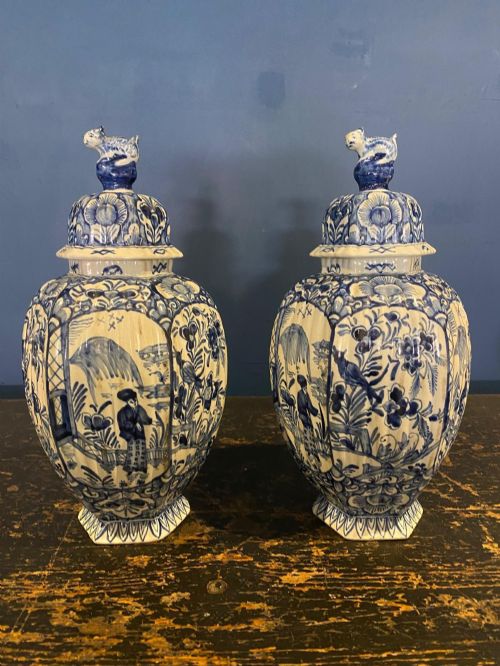
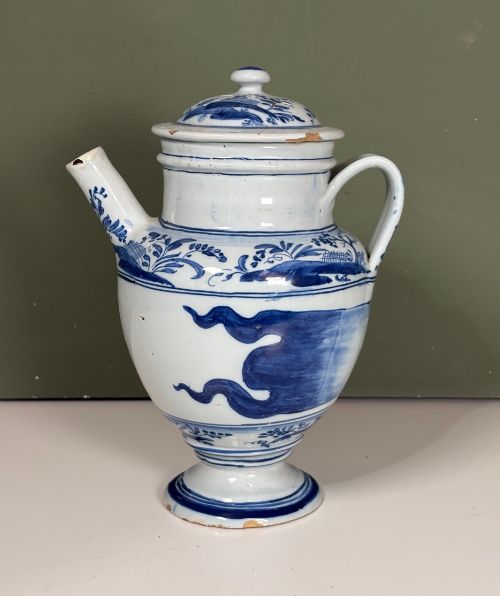
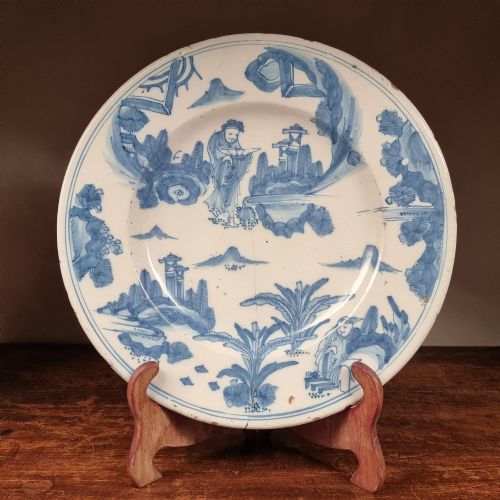
Dutch tin glazed pottery spans utilitarian vessels and decorative objects originating across the seventeenth, eighteenth, and nineteenth centuries. These works include large charger plates, lidded vases, apothecary jars, and figural pieces such as pottery cows.
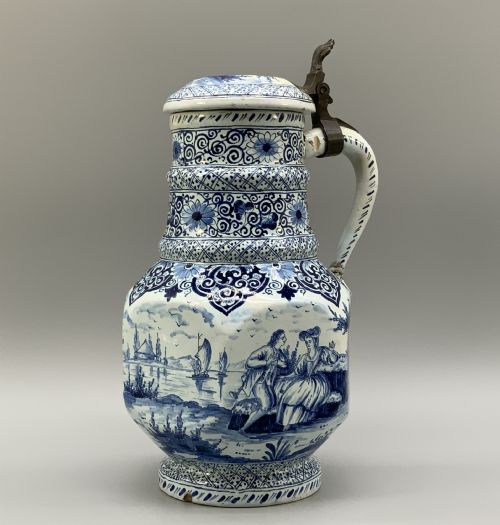
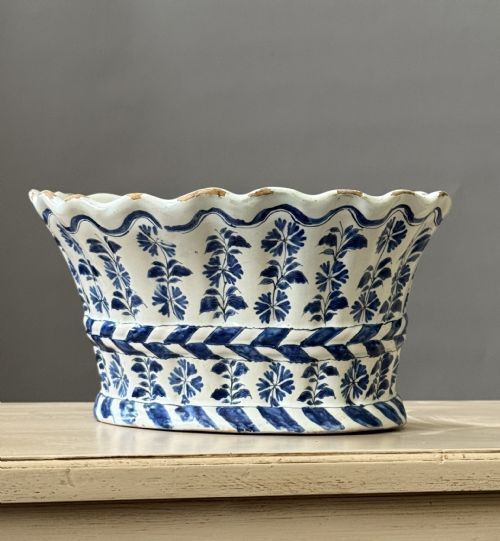
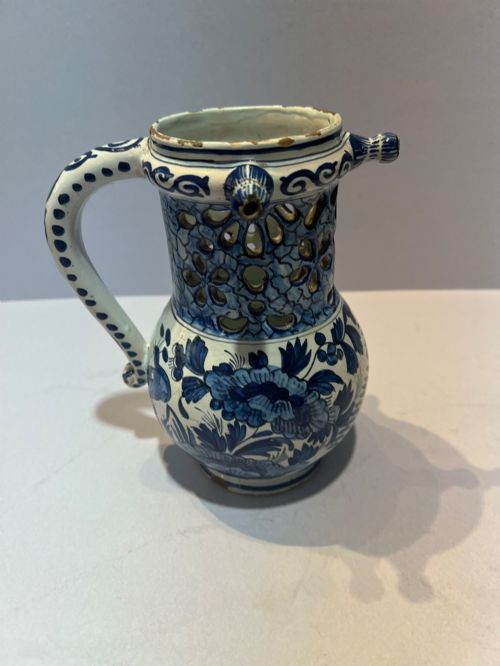
The objects commonly take the form of blue and white or polychrome dishes, bowls, and jugs created in Dutch workshops and later adapted into table lamps. Chargers and wall plates dominate the early periods, while vases and jars appear frequently across both eighteenth and nineteenth century listings.
Materials and construction methods
Potters formed these items from earthenware clay before coating the body in a white tin-glaze that provided an opaque background for painting. Cobalt pigment and cobalt oxide served as the primary colouring agents for the characteristic blue designs applied directly onto the unfired glaze.
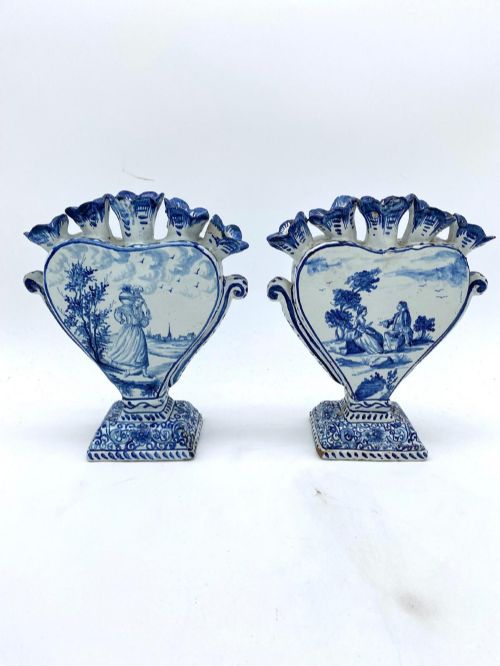
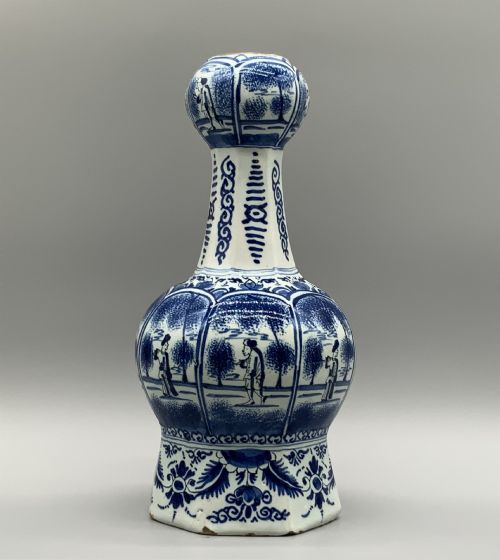
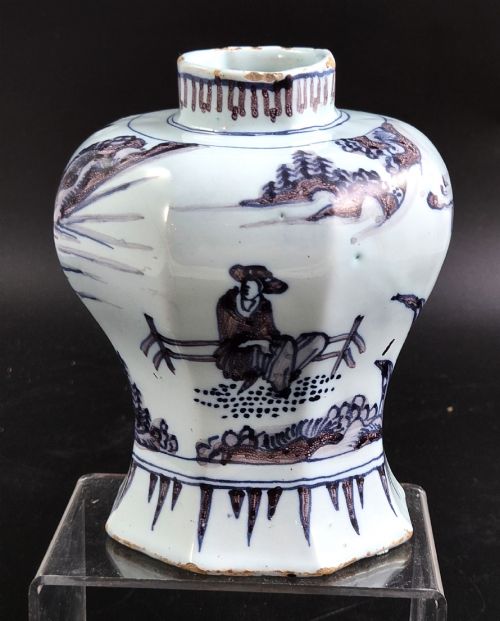
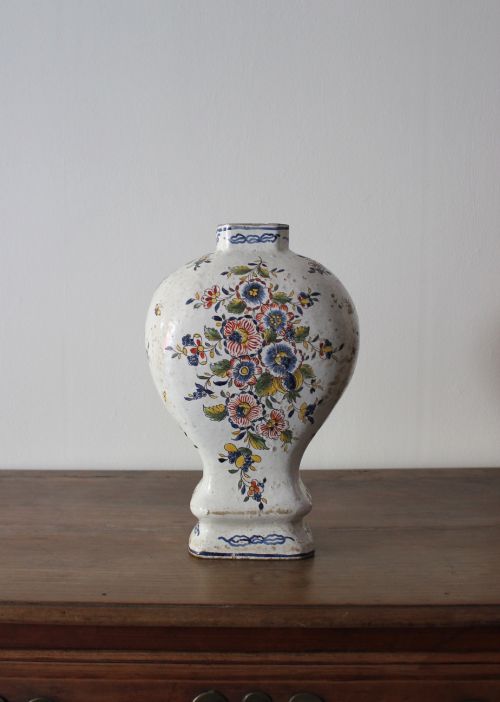
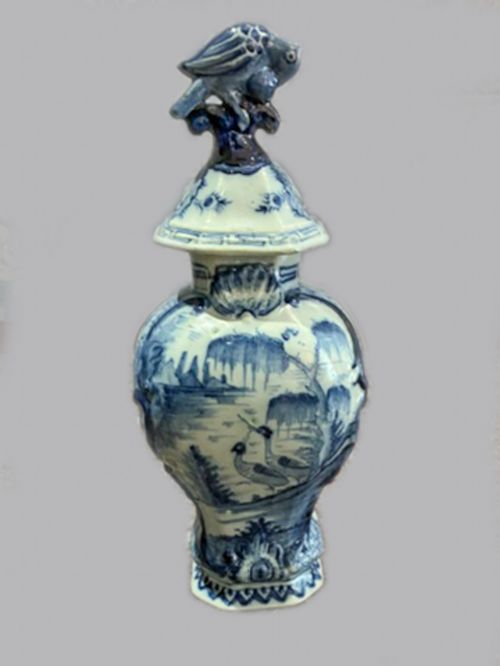
Makers shaped various forms including baluster vases, lobbed dishes, and posset pots, occasionally incorporating pewter lids or brass mounts. Hand-painted motifs ranged from floral arrangements and bird scenes to figurative designs executed on tin-glazed surfaces.
Dutch Tin Glazed Pottery Retail Price Guide 2026
Typical asking prices for dutch tin glazed pottery among the pieces listed under this phrase on Sellingantiques today, from the lower quarter to the upper quarter. They describe what is for sale here now, not the wider market.
Listings feature tin-glazed earthenware forms from the seventeenth to the nineteenth century, utilising cobalt pigment on white glaze.
Distinctions in quality
Quality rests upon the crispness of the hand-painted brushwork and the complexity of the cobalt decoration applied to the tin-glaze. Early pieces exhibit fine detailing in floral and animal motifs, whereas later examples vary in the density and precision of the pigment.
The physical condition of the earthenware body and the uniformity of the white glaze surface distinguish standard domestic wares from exceptional display chargers and large lidded urns.
The Dutch Tin Glazed Pottery Glossary
- Tin-Glazed Earthenware
- Pottery fired from clay and coated with an opaque white glaze containing tin oxide. This coating creates a smooth surface suitable for absorbing painted pigments.
- Charger
- A large decorative plate designed for display on walls or sideboards rather than dining use. These items frequently feature painted cobalt scenes across the central well.
- Apothecary Jar
- A cylindrical or bulbous container utilised by pharmacists to store dry drugs or ointments. Examples often display painted labels or panels amongst floral decoration.
- Polychrome
- A style of decoration employing multiple colours alongside the standard cobalt blue. This technique involves painting pigments onto the tin-glaze before the final firing.
- Posset Pot
- A two-handled vessel used for serving a traditional hot drink made of curdled milk and wine. These pieces typically include a fitted lid and spout.
Dutch Tin Glazed Pottery: Frequently Asked Questions
What is Dutch tin glazed pottery?
Dutch tin glazed pottery refers to earthenware items coated in a white tin-glaze and decorated with cobalt blue or polychrome pigments. These objects include plates, chargers, vases, and jars made primarily in the seventeenth and eighteenth centuries.
The category encompasses both functional vessels like apothecary jars and purely decorative forms such as large wall chargers and figural pottery pairs.
How were these pottery pieces used?
Many items served practical domestic or medical purposes, such as jugs for pouring, bowls for food, and jars for storing medicines. Barber's bowls accommodated specific grooming tasks involving bleeding dishes.
Larger chargers, lobbed dishes, and bough pots functioned largely as decorative items for display in prosperous households during the seventeenth and eighteenth centuries.
How do you date Dutch tin glazed pottery?
Dating relies upon stylistic changes in the painted decoration, tin-glaze composition, and vessel forms across different centuries. Seventeenth-century examples often display distinct floral and Chinoiserie motifs.
Later nineteenth-century pieces and lamps show variations in manufacturing techniques and glaze thickness, helping separate early production from subsequent revivals.
Can I use antique lamp conversions safely?
Many antique vases and jars have been converted into table lamps by wiring through the original pottery body. Rewired examples allow collectors to integrate historic ceramics into modern interiors.
Careful placement ensures these fragile tin-glazed earthenware lamps avoid knocks that might damage the historic ceramic or glaze surface.