
Dutch Master Wall Art
When searching for dutch master wall art, collectors seek the dark, rich drama of seventeenth-century oil paintings and later revivals.
Dutch Master Wall Art
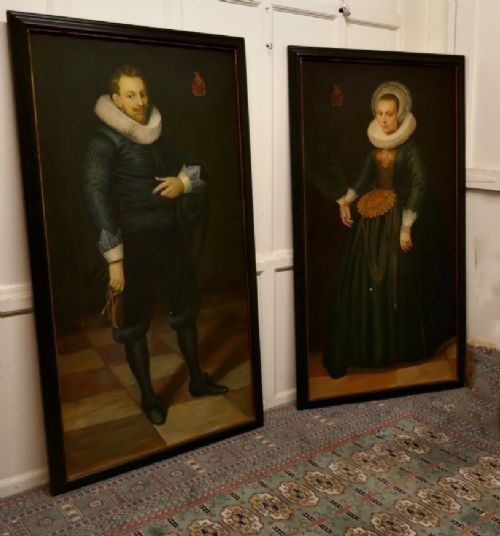
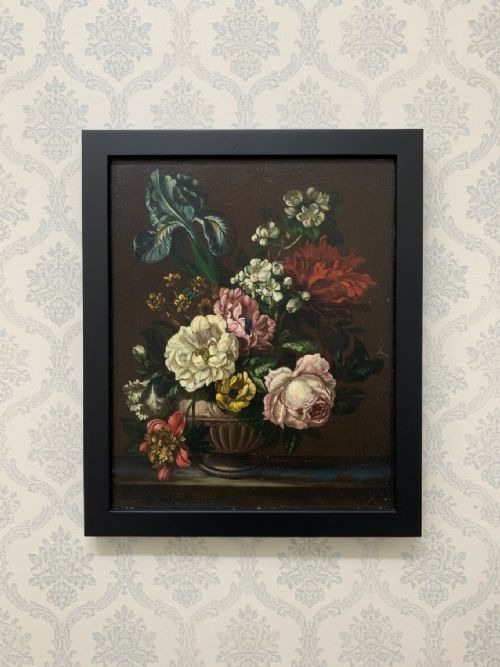
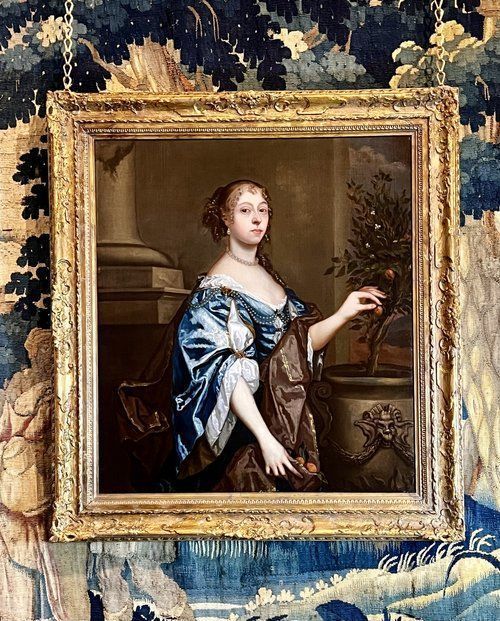
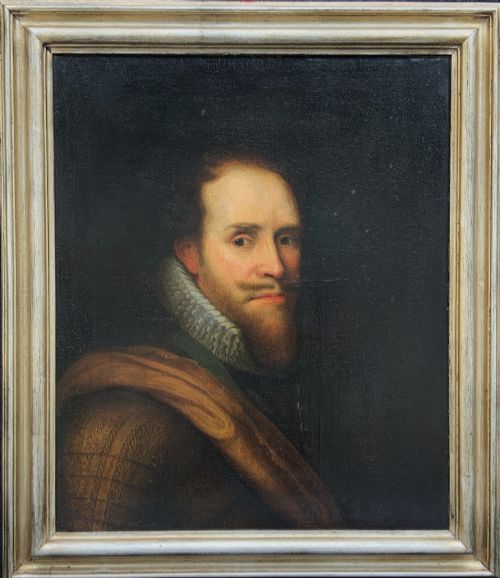
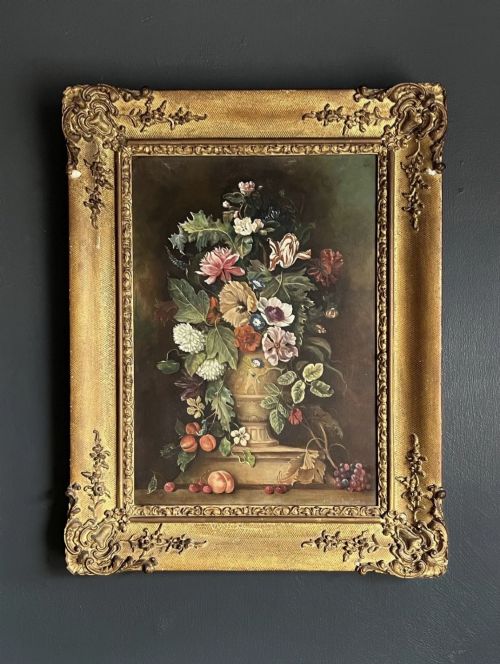
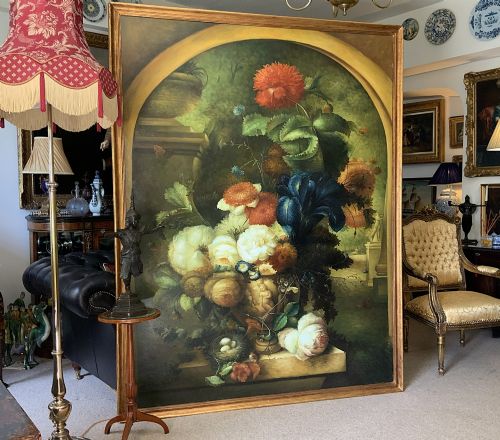
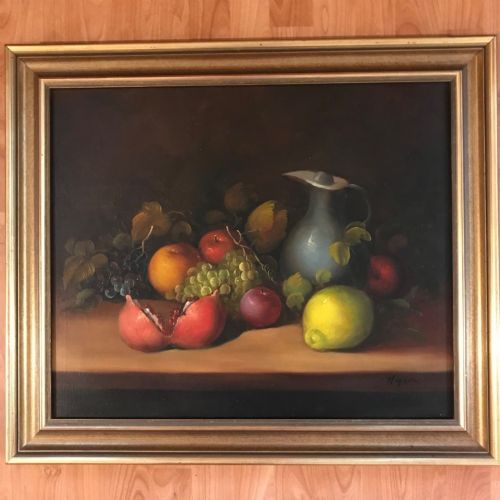
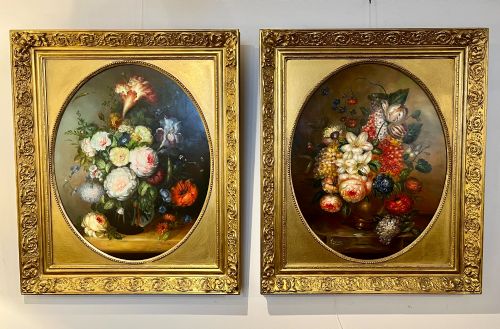
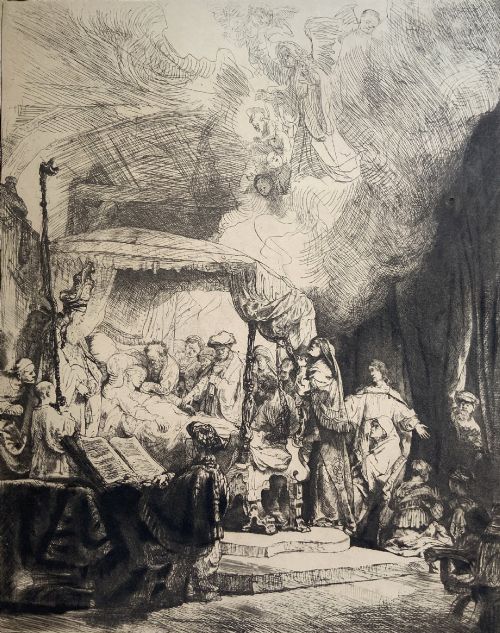
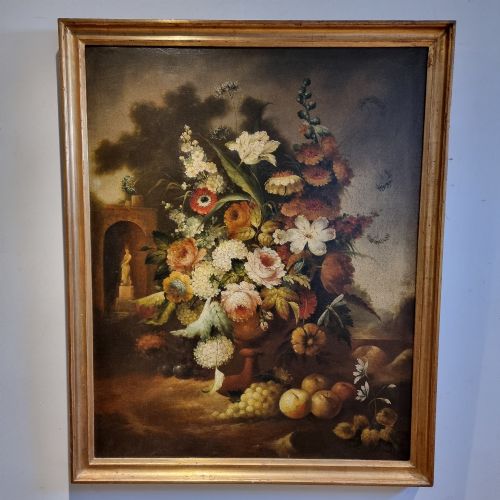
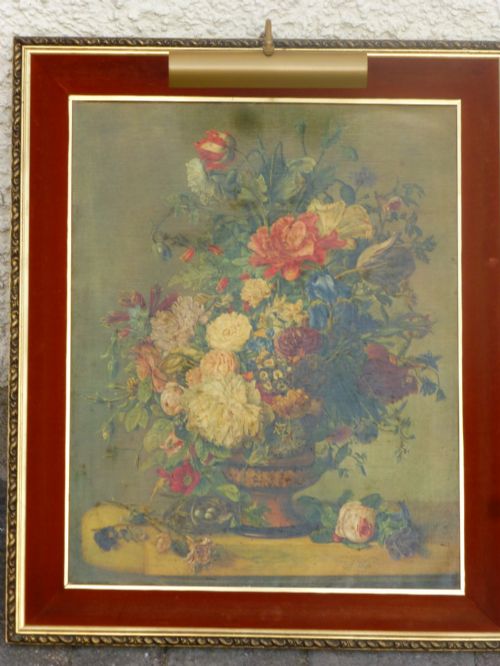
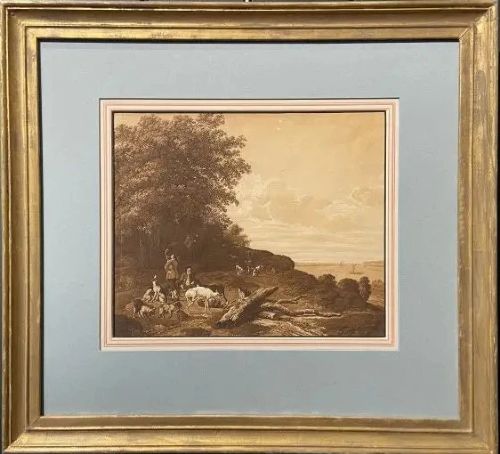
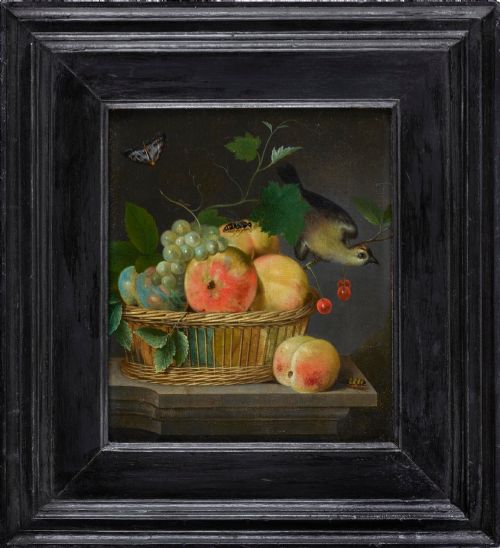
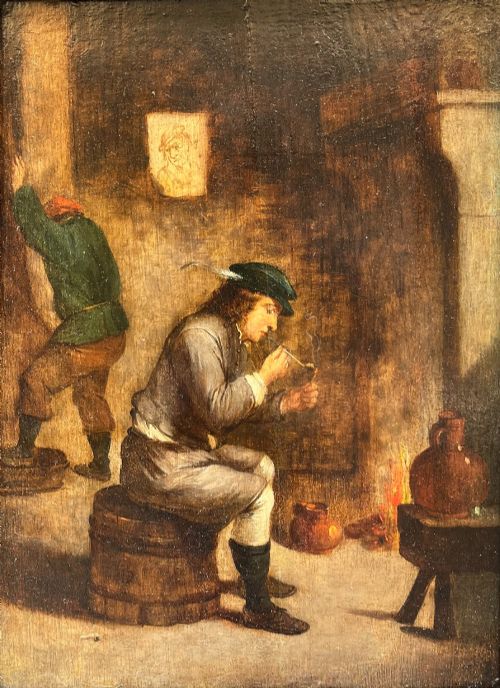
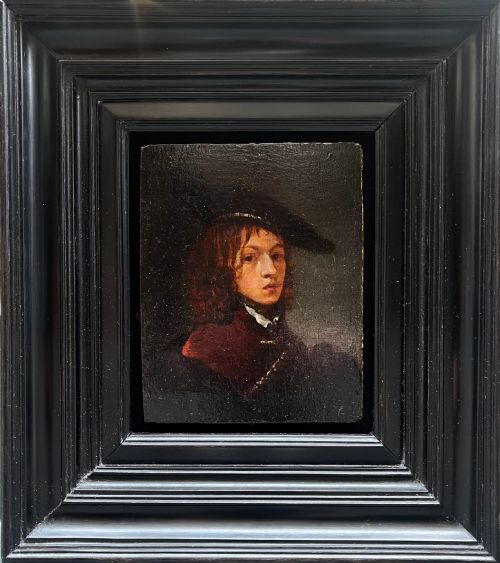
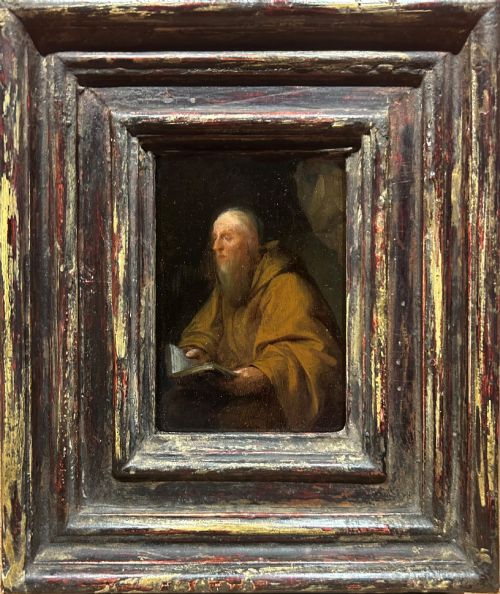
Collectors browsing for dutch master wall art encounter oil paintings, fine art prints, and framed artwork spanning the seventeenth century through to mid-twentieth-century revivals. The selection includes portraits of noble figures, intricate still lifes of fruit and flowers, and rustic genre scenes.
The most common pieces on this page are either original seventeenth-century works and later nineteenth-century interpretations, or twentieth-century decorative pieces painted in the Dutch Golden Age style.
Materials and methods
Artists painted primarily with oil paint on stretched canvas, wooden panels, or occasionally vinyl canvas, building depth through rich layers of dark pigment and luminous highlights.
Frames are integral to the presentation, frequently featuring carved wood, gilt, or gilt gesso finishes that echo the baroque aesthetic of the period.
Several paintings capture domestic animals boldly snatching food from woven baskets right under the noses of unsuspecting household figures.
Markers of quality
Quality rests upon the handling of light and shadow, known as chiaroscuro, which defines the depth and atmosphere of the composition. Finer works display meticulous brushwork in details such as lace ruff collars or the translucent skin of fruit.
The integrity of the canvas or panel, along with the originality of the matching gilt frame, significantly influences the overall standing of the artwork.
Pieter Borsseler·Johannes Lingelbach·Gaspar Peeter Verbruggen·David Teniers·Nicolaes Maes·Jan Evert Morel
The Dutch Master Wall Art Glossary
- Chiaroscuro
- The treatment of light and shade in a drawing or painting. This technique creates dramatic contrasts and three-dimensional volume on the canvas.
- Giltwood
- Wood that has been covered with a thin layer of gold leaf or gold paint. Frames utilising this finish add warmth and traditional opulence to old master paintings.
- Genre scene
- A pictorial representation of scenes from everyday life. These works depict ordinary people engaged in common activities, such as smoking or drinking in taverns.
- Oleograph
- A type of chromolithographic print textured to imitate an oil painting. These mechanical reproductions became popular in the nineteenth century for mass-market art appreciation.
Dutch Master Wall Art: Frequently Asked Questions
How do I identify a true seventeenth-century piece?
Authenticating a seventeenth-century painting requires examining the craquelure of the oil paint, the construction of the wooden panel or hand-woven canvas, and pigment composition under magnification.
Expert examination of historical provenance and stylistic nuances matching documented workshops further distinguishes period originals from later revivals.
What is a Dutch floral still life?
These compositions depict elaborate arrangements of flowers that rarely bloom in the same season, meticulously rendered against dark backgrounds to showcase ephemeral beauty.
Symbolism often runs deep within these works, incorporating insects or wilted petals to hint at the passage of time and mortality.
How should I care for an antique oil painting?
Antique canvases and panels require stable indoor humidity and temperatures to prevent the wood from warping or the oil paint from cracking and flaking.
Display the artwork away from direct sunlight and consult a professional restorer before attempting any cleaning of aged varnish.
What is the difference between an original and a revival piece?
Seventeenth-century originals carry the authentic materials, ageing patterns, and direct stylistic authority of the Dutch Golden Age.
Revival pieces, produced in the nineteenth or twentieth centuries, emulate these historical techniques using contemporary framing and canvas preparations.