




Dutch Earthenware Wall Platter
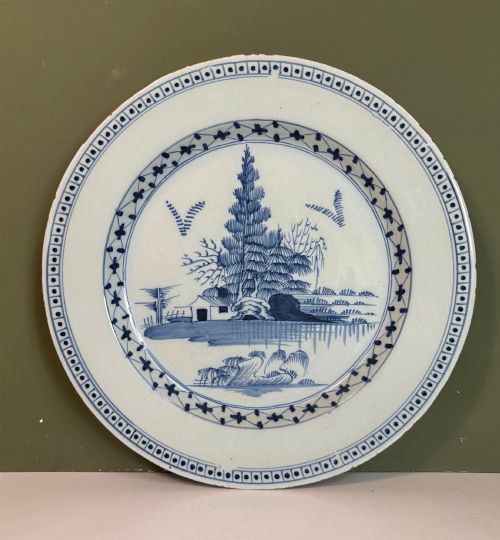
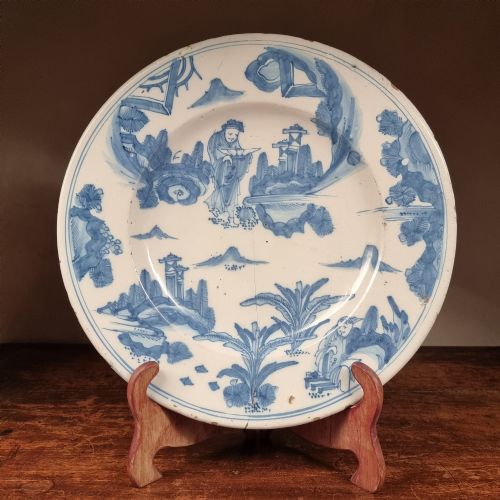
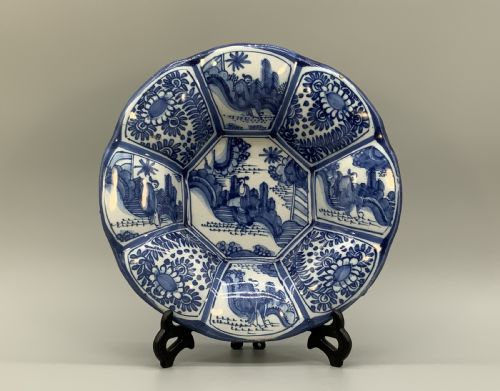
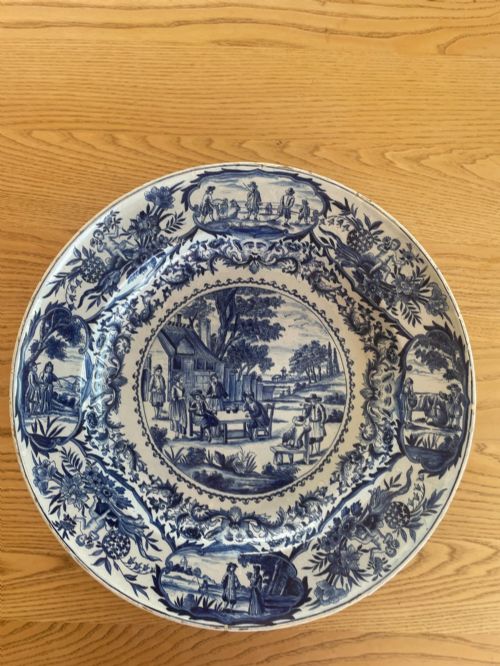
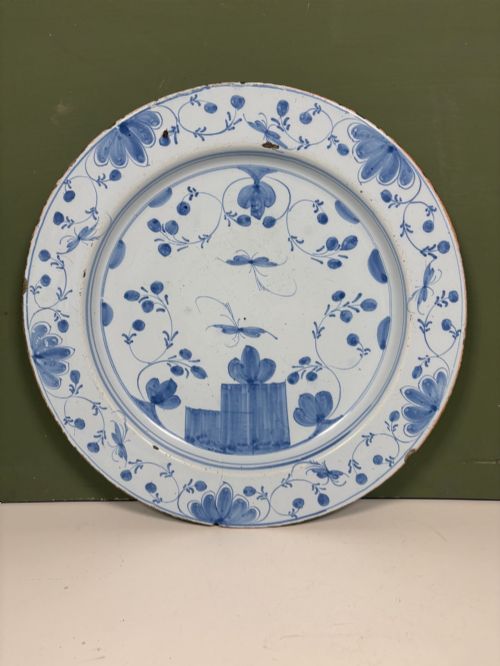
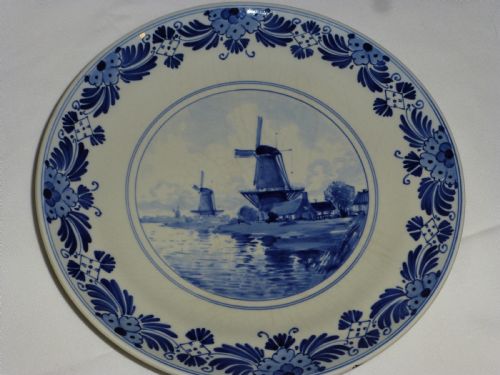
These dutch earthenware wall platter pieces are tin-glazed chargers ready for display, offering classic blue and white patterns from earlier centuries.
Dutch Earthenware Wall Platter
A dutch earthenware wall platter is a wide decorative plate or charger designed primarily for hanging, featuring traditional tin glaze surfaces.
The pieces on this page span the seventeenth, eighteenth, and nineteenth centuries, taking the form of large chargers, lobed dishes, and decorative plates.
Makers produced these works within Dutch Delftware styles and Dutch Baroque traditions, frequently employing blue and white or polychrome palettes.
How they were made
Potters shaped earthenware bodies and coated them in a tin glaze to provide a smooth white background for painting.
Decorators applied cobalt pigment and other colours directly to the unfired glaze, often utilising Grand Feu techniques for polychrome and manganese effects.
Kraak style influences and Chinoiserie motifs appeared through freehand brushwork executed before the final kiln firing.
Materials recorded across current pieces include cobalt pigment, ceramic body earthenware, and tin glaze.
What varies in quality
Visual quality rests upon the crispness of the cobalt pigment brushwork and the complexity of the painted composition across the wide surface.
Early examples demonstrate superior throwing weight and glaze depth compared to later nineteenth century interpretations.
The richness of polychrome or manganese applications distinguishes standard domestic wares from ambitious grand feu presentation chargers.
De Witte Ster
The Dutch Earthenware Wall Platter Glossary
- Charger
- A large decorative plate intended for display on a wall or dresser rather than everyday dining use. These substantial dishes measure well beyond standard dinner plates.
- Tin glaze
- An opaque white ceramic glaze made by adding tin oxide to a lead glaze base. It creates the characteristic canvas for painted decoration on delftware.
- Grand feu
- A firing technique where colours are applied to the raw glaze and fired together at high temperatures. This process fuses the pigment deeply into the glaze surface.
- Kraak style
- A Chinese export porcelain aesthetic featuring segmented panels and central motifs. Dutch potters eagerly adapted these designs onto earthenware chargers.
- Polychrome
- Decoration utilising multiple colours rather than a single pigment like cobalt blue. These palettes often include manganese, green, and yellow on tin-glazed surfaces.
Dutch Earthenware Wall Platter: Frequently Asked Questions
How do I hang a wall platter safely?
Display these chargers using specialist wire wall fittings that grip the rim securely without applying damaging pressure to the earthenware body.
Ensure the wall anchor supports the substantial weight of seventeenth or eighteenth century ceramic pieces before mounting.
Were these chargers used for dining?
Large chargers served primarily as ornamental display pieces on sideboards and walls rather than active tableware during formal meals.
Their generous scale and tin-glazed surfaces made them status symbols in prosperous Dutch interiors.
How can I tell seventeenth century from eighteenth century pieces?
Seventeenth century examples often show heavier potting and Kraak style influences, while eighteenth century chargers frequently display looser floral motifs or grand feu polychrome.
Glaze thickness and body weight offer reliable clues when comparing pieces across different periods.
What does tin-glazed earthenware mean?
This material consists of a coarse clay body covered in an opaque white glaze containing tin oxide, providing an absorbent surface for painted pigments.
Potters developed this technique in imitation of imported Chinese porcelain before establishing distinct European traditions.