






Dutch Delftware Display Plate
A dutch delftware display plate brings tin-glazed earthenware and cobalt pigment into your home, offering centuries of historic character.
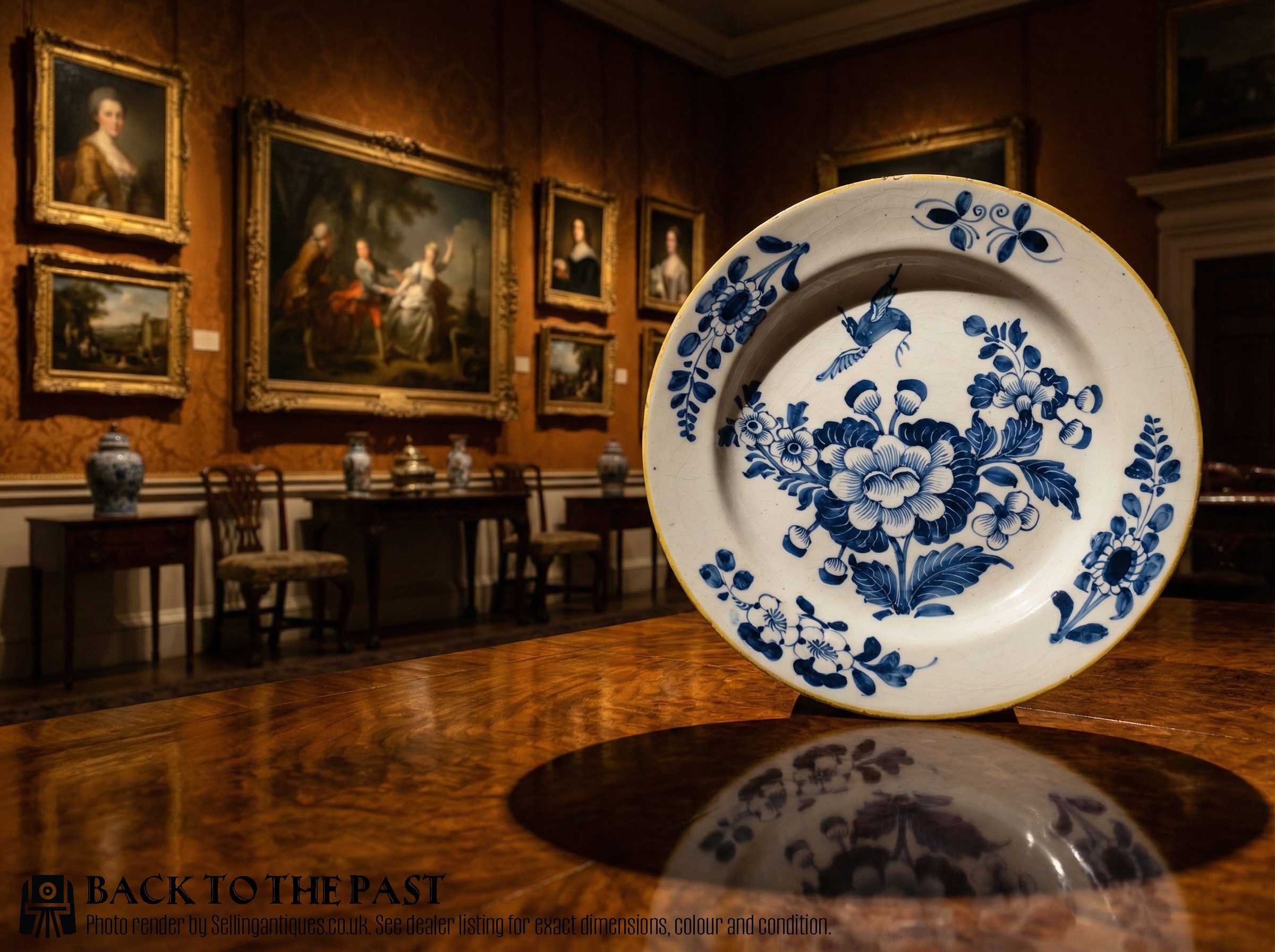
Dutch Delftware Display Plate
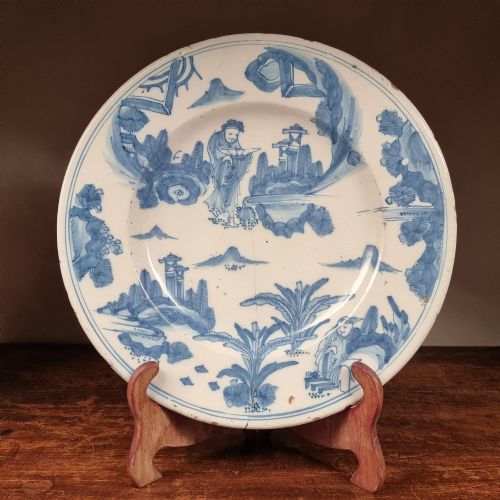
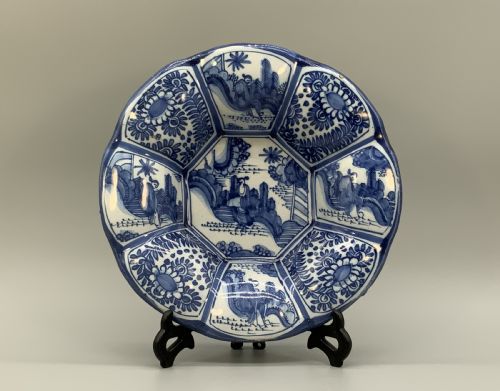
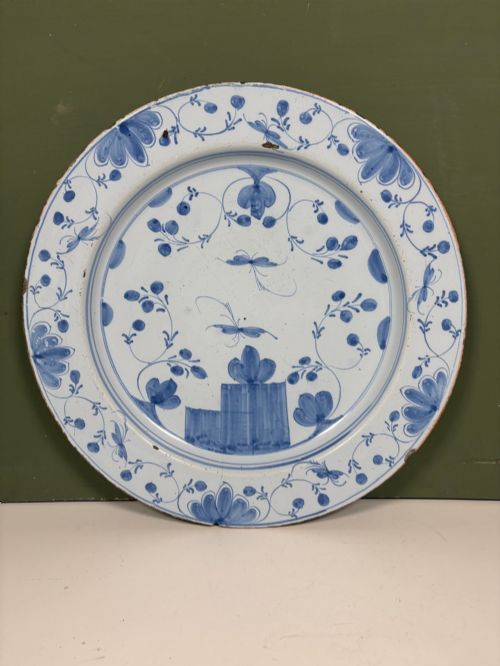
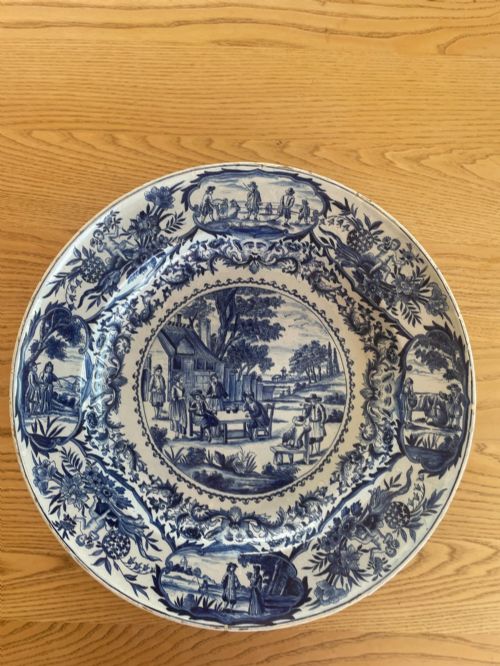
A dutch delftware display plate is a tin-glazed earthenware vessel designed primarily for wall hanging or cabinet presentation rather than daily dining. These pieces arrive in various forms, including large chargers, lobed dishes, and smaller plates originating across the seventeenth, eighteenth, and nineteenth centuries.
The versions most frequently encountered on this page date from the eighteenth century, often presenting generous diameters suited for display. Collectors also encounter seventeenth-century Kraak-style plates and nineteenth-century interpretations sharing the traditional blue and white palette.
Makers produced these decorative objects across different regions of the Netherlands, incorporating geometric floral motifs, Chinese inspirations, and grand feu manganese details. Each object reflects the prevailing aesthetic of its period, transitioning from Dutch Baroque influences to later chinoiserie expressions.
Materials and Craftsmanship
Potters formed these plates using earthenware bodies, which were subsequently coated in an opaque tin glaze to create a smooth white painting surface. Artisans applied cobalt pigment directly onto this absorbent glaze before firing, allowing the colour to fuse with the surface during the kiln process.
Certain examples incorporate polychrome or manganese pigments alongside cobalt, expanding the visual range beyond traditional blue and white designs. Kiln workers managed high temperatures to set the tin glaze, resulting in the characteristic glossy finish seen on surviving chargers.
Dutch Delftware Display Plate Retail Price Guide 2026
Typical asking prices for dutch delftware display plate among the pieces listed under this phrase on Sellingantiques today, from the lower quarter to the upper quarter. They describe what is for sale here now, not the wider market.
Listings span the 17th, 18th, and 19th centuries, utilising tin-glazed earthenware, ceramic, and cobalt pigment across chargers and plates.
Assessing Quality and Execution
Quality in a dutch delftware display plate rests upon the crispness of the cobalt painting and the balance of the composition across the surface. Skilled painters achieved fluid botanical or figurative brushwork that contrasts sharply with more rigid, hurried factory execution.
The purity and opacity of the tin glaze also determine the visual success of a piece, with superior examples displaying an even, luminous coating. Additionally, the sheer scale of large chargers demands exceptional control by the potter to prevent distortion during firing.
De Witte Ster
The Dutch Delftware Display Plate Glossary
- Tin-Glazed Earthenware
- Earthenware pottery covered with a white tin oxide glaze that provides an opaque ground for painted decoration. This technique forms the foundation of all traditional Delft production.
- Charger
- A large decorative plate traditionally used for display on a sideboard or wall rather than for serving food. These substantial vessels often showcase the most elaborate painted scenes.
- Cobalt Pigment
- A metallic blue colouring agent used by ceramic painters to create intricate designs under the glaze. It retains its deep blue hue through high-temperature firings.
- Polychrome
- Decoration employing multiple colours rather than a single hue like blue and white. In Delftware, this typically includes iron-red, green, and yellow alongside manganese or cobalt.
- Kraak Style
- A decorative layout inspired by Chinese export porcelain featuring panelled borders and central motifs of flowers or birds. Dutch potters frequently adapted this aesthetic during the seventeenth century.
- Grand Feu
- A high-temperature kiln firing technique that allows certain metallic pigments, such as manganese, to fuse directly into the raw glaze. This method produces distinctive rich tones on eighteenth-century plates.
Dutch Delftware Display Plate: Frequently Asked Questions
How were display plates used?
Historic households utilised large chargers and plates primarily as decorative wall hangings or cabinet centrepieces to display wealth and taste. They were rarely intended for practical dining use.
Servants mounted these pieces on walls using wire frames or displayed them on dressers alongside silver and porcelain.
Are these plates safe for food?
These historic earthenware pieces are intended for display and collection rather than modern culinary use. The porous ceramic body and historic glazes are unsuited for serving food.
Displaying them on walls or in cabinets preserves their fragile tin-glazed surfaces from further wear.
How do I date a delft plate?
Dating relies on examining the painting style, palette, and ceramic body characteristics alongside recorded period conventions. Seventeenth-century pieces often display Kraak influences, while eighteenth-century examples lean towards floral or manganese variations.
Comparative study of brushwork and tin glaze opacity helps distinguish eighteenth-century production from nineteenth-century revivals.