




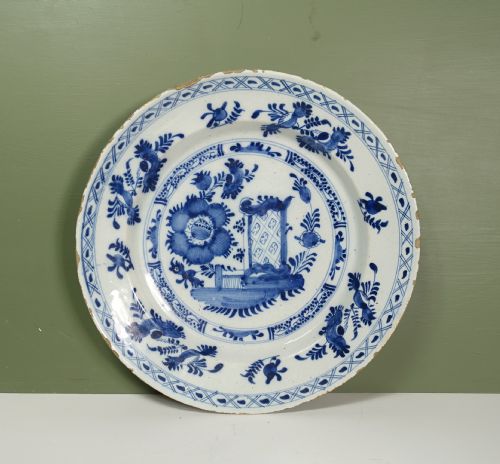

Dutch Cobalt Blue Platter
A dutch cobalt blue platter brings centuries of earthenware tradition and deep blue pigment straight to your walls and tables.
Dutch Cobalt Blue Platter
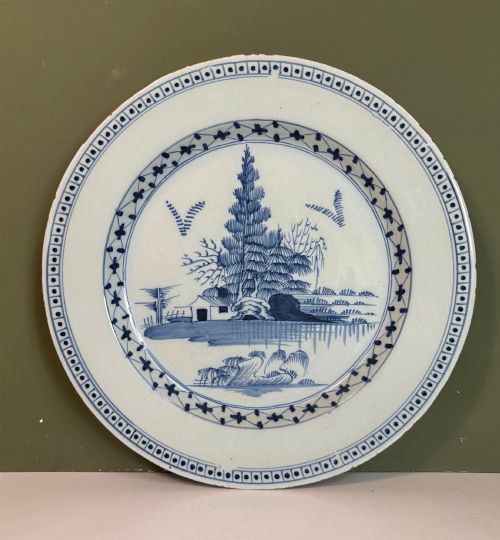
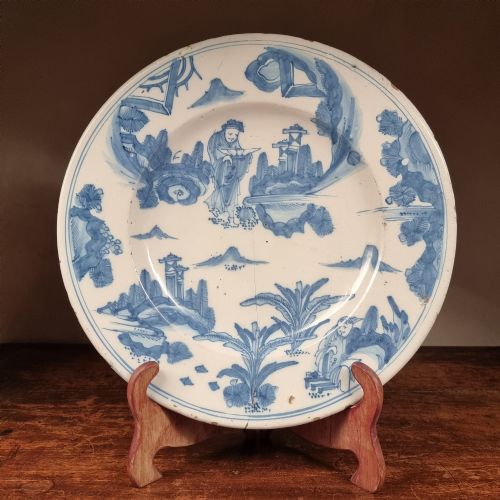
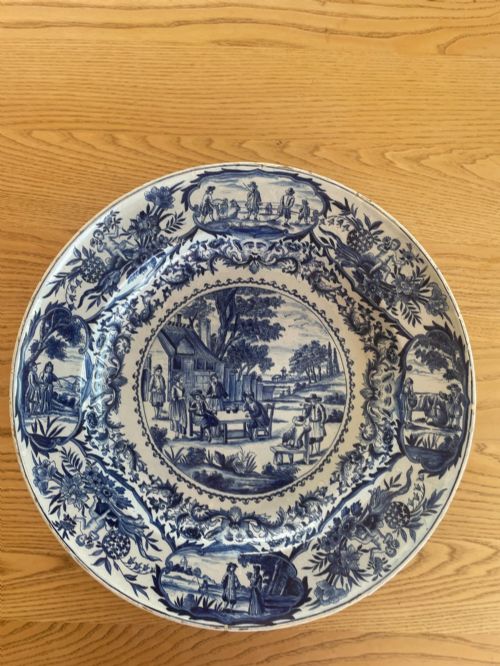
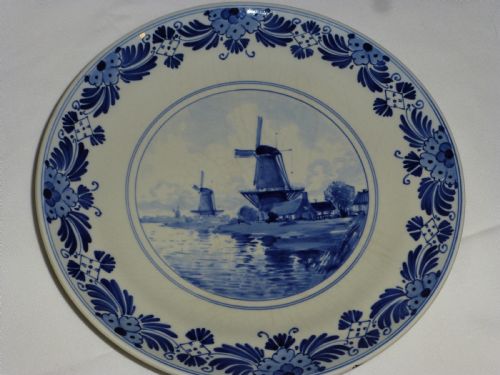
When you search for a dutch cobalt blue platter, you encounter large chargers and decorative plates created across the seventeenth, eighteenth, and nineteenth centuries. These earthenware vessels range from early Dutch Delft examples to later interpretations, often taking the form of wall chargers designed for display.
The pieces appearing here are predominantly earthenware ceramics styled in the Dutch Delftware and Dutch Baroque traditions. You will find wide chargers that demonstrate the persistent popularity of cobalt pigment upon a tin glaze across multiple centuries.
How they were made
Potters built these chargers from earthenware bodies, coating the clay in a distinctive tin glaze to create a smooth, opaque white surface. This white ground provided the ideal background for subsequent painting.
Artisans applied cobalt oxide and cobalt pigment directly onto the unfired tin glaze to create the striking blue designs. The pieces were then fired to fuse the pigment into the glaze, resulting in the characteristic cobalt blue finish.
The listings here span three distinct centuries of production, ranging from seventeenth-century origins to nineteenth-century examples.
What varies in quality
The depth and control of the cobalt pigment application separate the finer chargers from simpler production. Skilled painters achieved subtle tonal variations and precise brushwork within the blue and white palette.
The historical period and the execution of the tin glaze also determine the character of each charger. Earlier seventeenth and eighteenth-century examples exhibit the distinct handling of clay and glaze associated with traditional Dutch workshops.
The Dutch Cobalt Blue Platter Glossary
- Tin Glaze
- A lead glaze made opaque by the addition of tin oxide, providing the white background for painted decoration. This coating defines the surface of traditional earthenware chargers.
- Cobalt Pigment
- A metallic colorant derived from cobalt oxide used to achieve deep blue painting on ceramics. It withstands high firing temperatures without losing its intense hue.
- Charger
- A large decorative plate intended primarily for display on walls or sideboards rather than heavy dining use. These wide vessels showcase expansive painted scenes.
- Earthenware
- Porous pottery fired at relatively low temperatures, forming the structural body of these historical pieces. It requires a glaze to become impermeable to liquids.
- Delftware
- Tin-glazed earthenware produced in the Netherlands, particularly associated with the town of Delft and its distinct blue and white aesthetic. It encompasses styles from Dutch Baroque to eighteenth-century interpretations.
Dutch Cobalt Blue Platter: Frequently Asked Questions
What is a dutch cobalt blue platter?
These items are large earthenware plates and decorative chargers finished with a white tin glaze and painted cobalt blue designs. They originate from Dutch ceramic traditions spanning the seventeenth to the nineteenth centuries.
Most examples function as wall chargers, designed to be hung or displayed on furniture rather than used for serving food. Their primary appeal lies in the historic blue and white painting.
How do I hang a heavy charger?
Large earthenware plates require sturdy, adjustable wire wall hangers that distribute the weight evenly across the rim and base. Ensure the wall fixing is secure before mounting any antique ceramic.
Avoid spring-loaded clips with excessive tension that might stress the historical earthenware body. Padded display brackets offer a safer alternative for heavy chargers.
How are seventeenth and eighteenth century pieces different?
Seventeenth-century chargers often display the robust forms and painting styles of the Dutch Baroque period. Eighteenth-century examples frequently show refined brushwork and thinner tin glaze applications.
Examining the weight, clay body, and potting characteristics helps distinguish between these historical periods. Subtle shifts in the cobalt pigment hue also provide clues to the era of manufacture.
Can I use these chargers for food?
Historical tin-glazed earthenware chargers are intended for display and collection rather than daily dining use. The porous clay body and antique glaze are vulnerable to modern detergents and utensils.
Displaying them on walls or plate racks preserves the fragile surface and the cobalt pigment decoration. Gentle dusting is all the maintenance these antique pieces require.