








Dutch Ceramic Platter
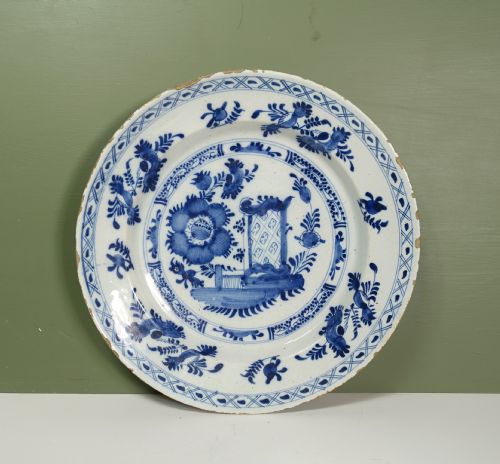
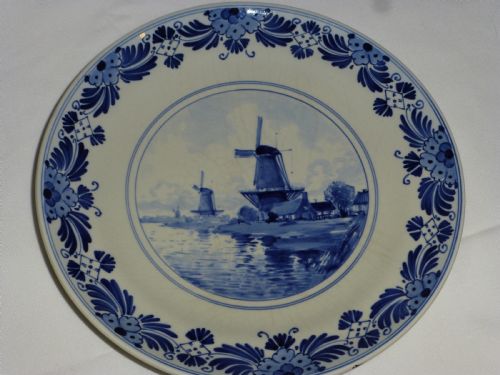
A dutch ceramic platter brings seventeenth and eighteenth century artistry to a wall or table through bold tin-glazed earthenware.
Dutch Ceramic Platter
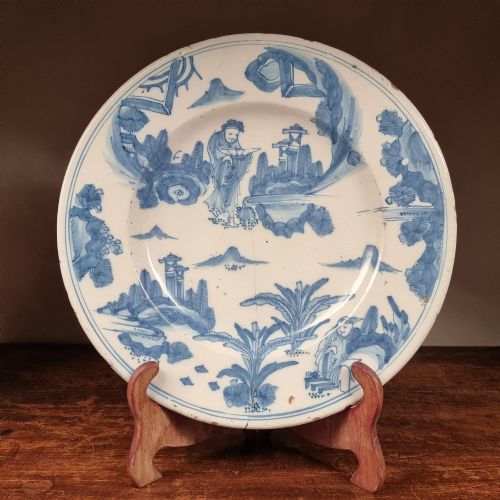
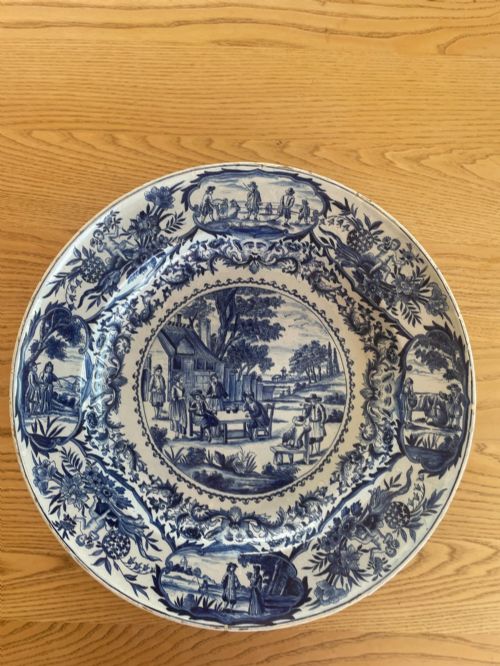
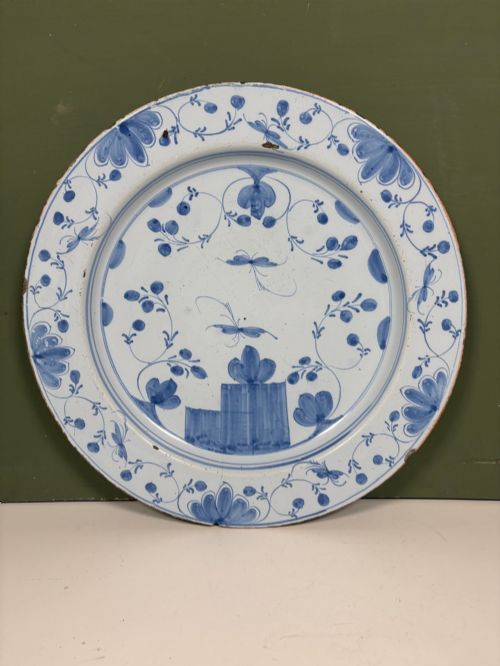
A dutch ceramic platter usually appears as a large decorative charger or wall charger spanning the seventeenth, eighteenth, and nineteenth centuries. These pieces carry traditional forms designed for display rather than heavy dining use, showing the enduring appeal of tin-glazed earthenware.
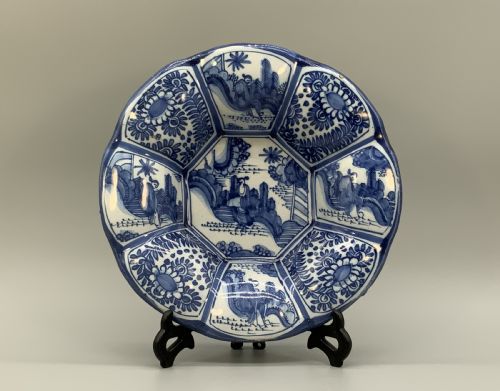
Most examples hail from the broader Dutch Delft tradition, spanning styles from Dutch Baroque to Kraak and Chinoiserie. Buyers encounter everything from simple blue and white colour schemes to vibrant grand feu manganese and polychrome finishes.
How they were made
Potters shaped these items from earthenware, applying a tin glaze that provided an opaque white surface for subsequent painting. Cobalt pigment supplied the classic blue tones, while manganese and other mineral colours created richer polychrome palettes.
Grand feu firing techniques fused the mineral pigments directly into the wet tin glaze at high temperatures. This process demanded immense skill to prevent running and produced the characteristic glossy finish seen across the periods.
Dutch Ceramic Platter Retail Price Guide 2026
Typical asking prices for dutch ceramic platter among the pieces listed under this phrase on Sellingantiques today, from the lower quarter to the upper quarter. They describe what is for sale here now, not the wider market.
Delft potters occasionally painted grand feu chargers with such enthusiasm that the manganese boiled right through the white tin glaze.
What varies in quality
Visual depth and brushwork control separate the finer examples from standard production. Superior platters display crisp lines in their Chinoiserie or floral motifs, whereas lesser pieces show muddied pigments or rushed detailing.
Scale and surface preservation also dictate distinction within this category. Larger seventeenth and eighteenth-century chargers with intact glazes and rich colour saturation command greater appreciation than smaller nineteenth-century reproductions.
De Witte Ster
The Dutch Ceramic Platter Glossary
- Tin-Glazed Earthenware
- Pottery fired with a lead glaze made opaque by the addition of tin oxide. This surface served as the canvas for traditional blue and white painting.
- Grand Feu
- A high-temperature firing method that fuses pigments directly into the raw glaze. This technique allows the colours to soften and merge with the background tin layer.
- Charger
- A large decorative plate traditionally used for display on sideboards or walls. These substantial dishes form the majority of surviving early earthenware forms.
- Kraak Style
- A decorative layout featuring segmented panels surrounding a central motif. It originated on Chinese porcelain and heavily influenced early Dutch potters.
- Manganese
- A metallic oxide pigment used to produce rich purple, brown, or aubergine tones. It appears frequently in grand feu polychrome platters alongside cobalt.
Dutch Ceramic Platter: Frequently Asked Questions
What is a dutch ceramic platter?
A dutch ceramic platter is a large tin-glazed earthenware dish, often referred to as a charger, created for decorative display. These pieces range from seventeenth-century origins through the eighteenth and nineteenth centuries.
They showcase traditional motifs including blue and white painting, Chinoiserie, and polychrome grand feu designs. Most surviving examples served as wall or cabinet ornaments rather than tableware.
How should I hang a charger?
Hanging a large charger requires a specialist wall mount designed for heavy earthenware plates. These holders distribute the weight evenly across the rim without exerting pressure on the centre.
Ensure the fixing is secure in solid walling, as these antique pieces possess substantial weight. Regular checks on the wire or brass clips prevent accidental slips.
How do I spot an eighteenth-century piece?
Eighteenth-century platters generally exhibit the characteristic weight, glaze pooling, and pigment behaviour typical of period earthenware. Examining the foot ring and back reveals the unglazed clay body and typical kiln scars.
Comparing the brushwork to documented seventeenth and nineteenth-century examples helps clarify the era of production. Eighteenth-century pieces often display looser, more confident cobalt or manganese application.
What is the difference between delft and earthenware?
Delft is a specific type of tin-glazed earthenware produced in the Netherlands using local clays. All Dutch delft falls under the broader category of earthenware, but not all earthenware receives a tin glaze.
The tin glaze provides the opaque white background essential for the painted cobalt and polychrome decoration characteristic of Dutch ceramic platters.