



Dutch Blue White Plates
These dutch blue white plates are historic tin-glazed earthenware vessels that bring rich maritime heritage and painted scenes to any table or wall.
Dutch Blue White Plates
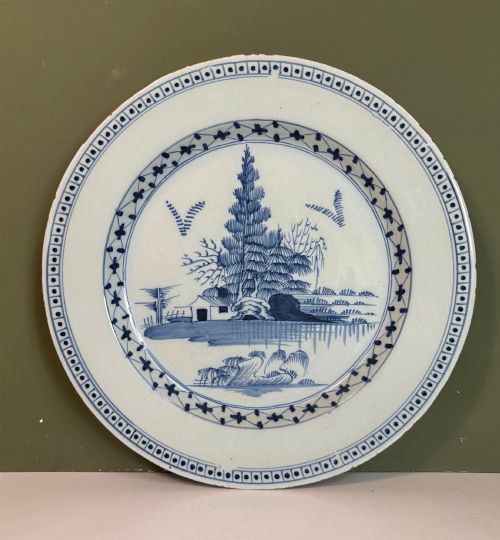
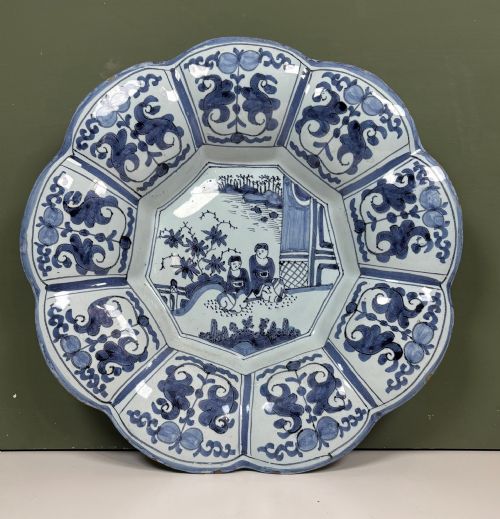
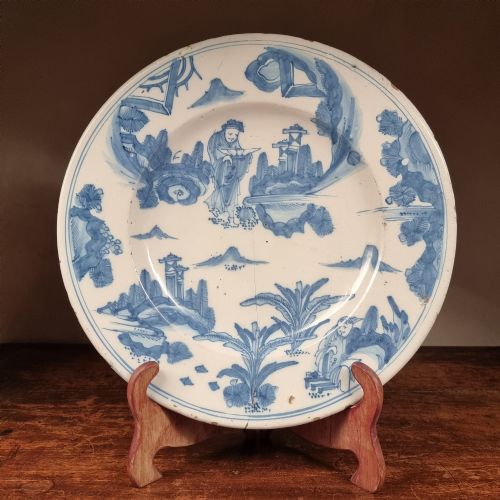
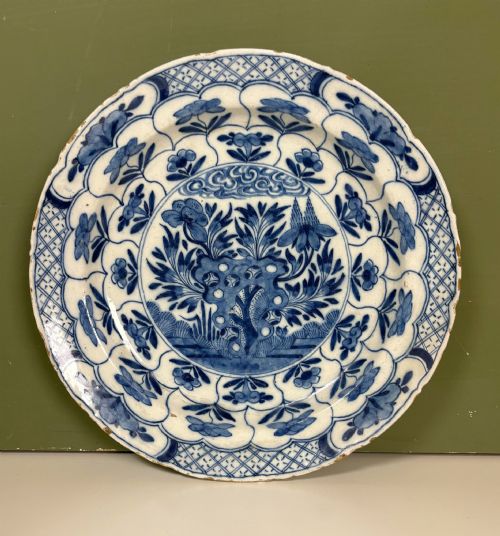
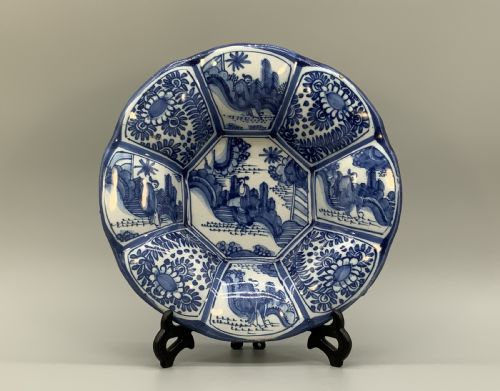
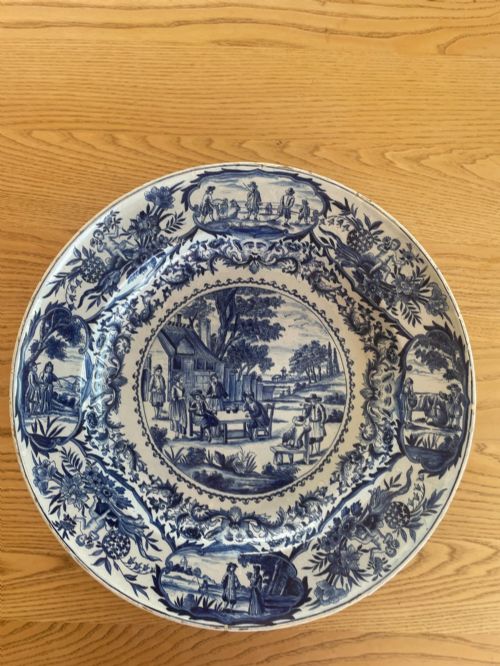
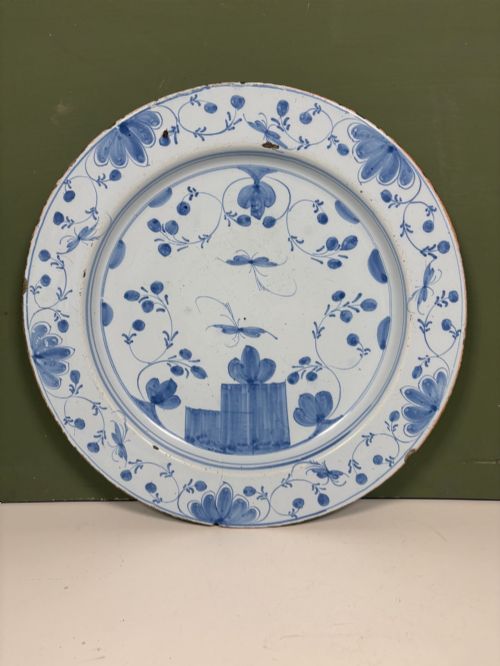
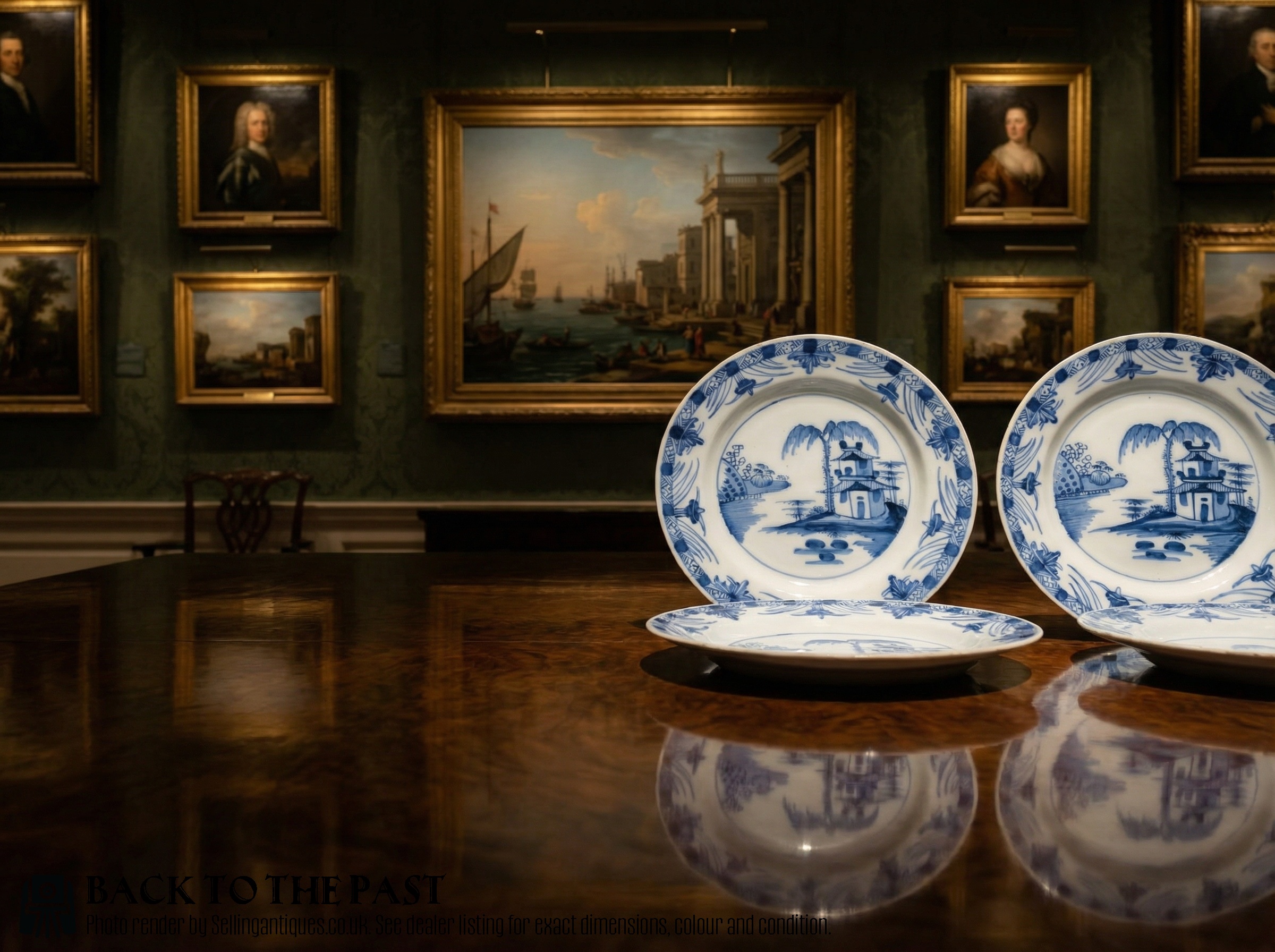
When searching for dutch blue white plates, collectors encounter historic earthenware vessels spanning the seventeenth, eighteenth, and nineteenth centuries. These pieces appear most frequently as large chargers, wall plates, shallow bowls, and decorative dishes originating from the Netherlands.
The selection ranges from early seventeenth-century Kraak style designs to eighteenth-century chinoiserie patterns and marriage plates. Forms vary from intimate small plates to grand chargers intended for display.
Buyers find items influenced by Dutch Baroque aesthetics alongside traditional blue and white painting traditions. The inventory preserves centuries of ceramic artistry through domestic utensils and ceremonial chargers.
What varies in quality
Quality in these ceramics rests upon the crispness of the cobalt brushwork and the complexity of the painted composition. Finer examples display confident, fluid lines in the chinoiserie or floral scenes, whereas lesser pieces show rushed or heavy-handed execution.
The purity and opacity of the tin glaze also determine the visual standard, alongside the overall throwing symmetry of the dish or charger. Superior objects maintain harmonious balance between the painted motifs and the expanse of white ground.
Seventeenth-century potters occasionally recorded wedding vows and marital portraits permanently in cobalt oxide on celebratory earthenware plates.
De Witte Ster
The Dutch Blue White Plates Glossary
- Charger
- A large decorative plate traditionally used for display on walls or sideboards rather than dining. These sizeable pieces often showcase the most elaborate painting.
- Tin-Glazed Earthenware
- Pottery covered with a lead glaze made opaque by the addition of tin oxide. This technique forms the pale canvas characteristic of Delftware.
- Kraak Style
- A decorative layout featuring segmented panels of painted imagery surrounding a central motif. It originates from imported Chinese cargo porcelain copied by Dutch potters.
- Chinoiserie
- European interpretations of Chinese artistic motifs and landscapes. Painters utilised these whimsical scenes extensively on eighteenth-century plates.
- Faience
- European tin-glazed earthenware produced in imitation of porcelain. The term groups similar glazed ceramic traditions across the continent.
Dutch Blue White Plates: Frequently Asked Questions
How were dutch blue white plates used?
Historic domestic households utilised these chargers and dishes for formal dining displays or as table centrepieces. Larger chargers frequently hung on walls to decorate parlours and reception rooms.
Over time, many transitioned purely into decorative objects rather than serving vessels. Special editions commemorated weddings or family alliances.
How do I date a delft plate?
Dating relies on stylistic shifts, painting technique, and the composition of the ceramic body. Early pieces from the seventeenth century often reflect Kraak influences, while eighteenth-century examples lean towards chinoiserie or specific commemorative formats.
Examining the glaze opacity and foot rim construction provides further clues for chronological placement.
Can I hang these plates on walls?
Many collectors display chargers and plates on walls using specialist secure hangers. The substantial size of seventeenth and eighteenth-century chargers makes them striking visual focal points.
Proper hardware prevents slipping and distributes the weight evenly across the ceramic body.
What is a marriage plate?
A marriage plate is a commemorative ceramic vessel created to celebrate a wedding union. These pieces typically feature personalized names, dates, or symbolic motifs painted in blue.
They served as treasured domestic heirlooms rather than everyday tableware.