

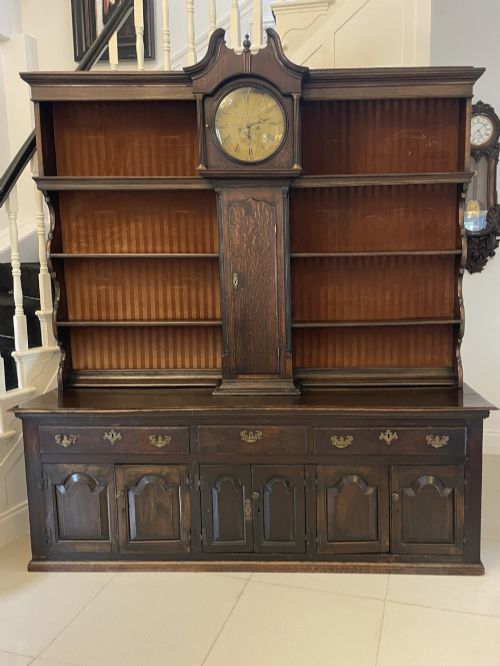
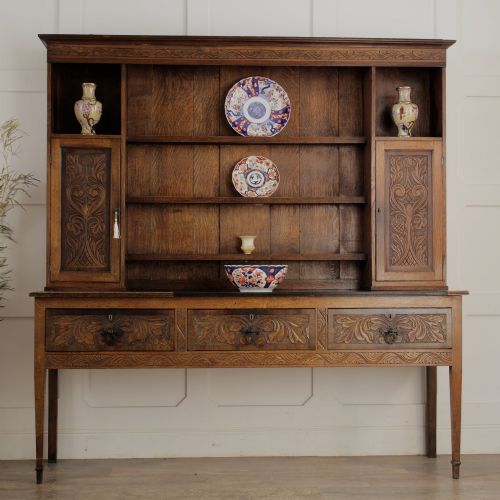
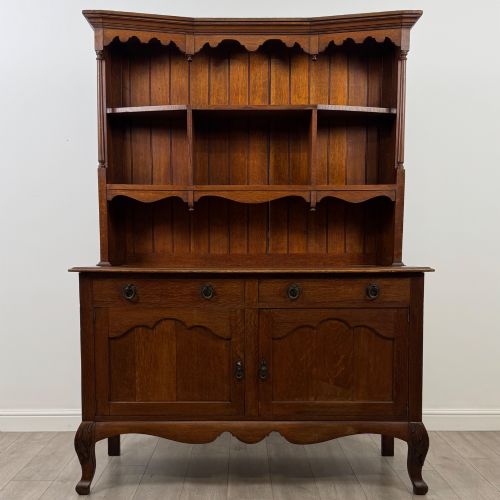
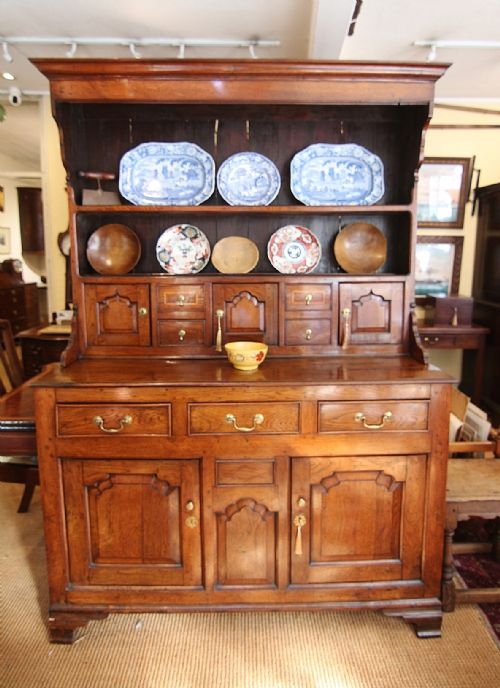
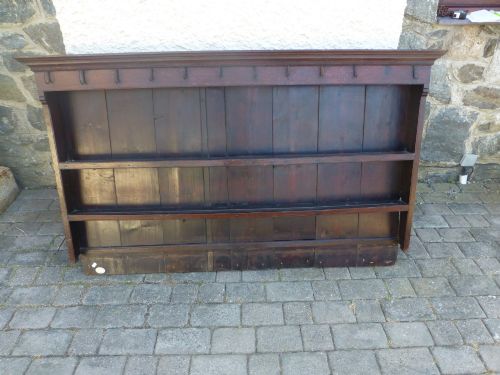
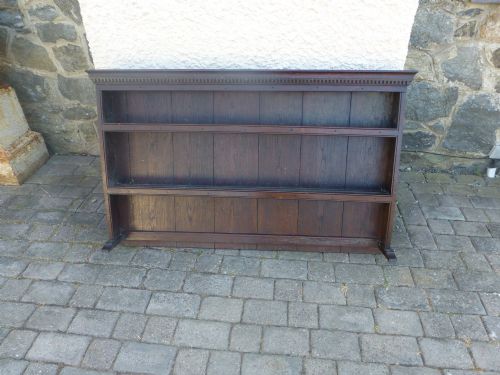
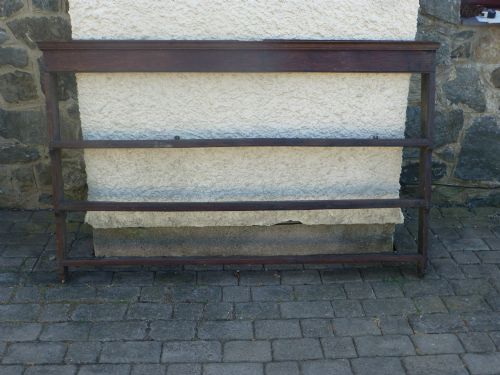
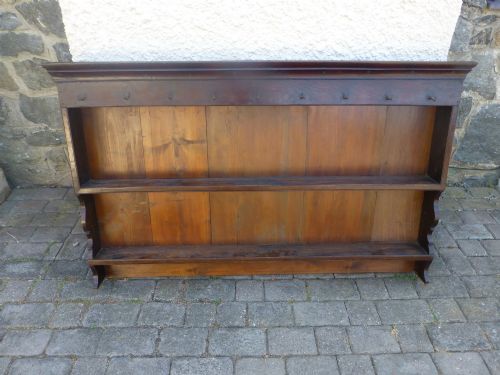
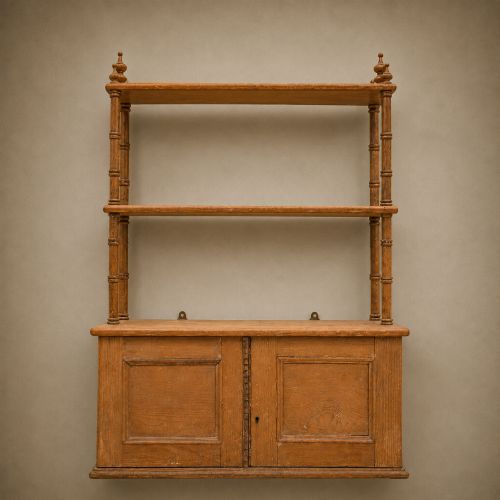
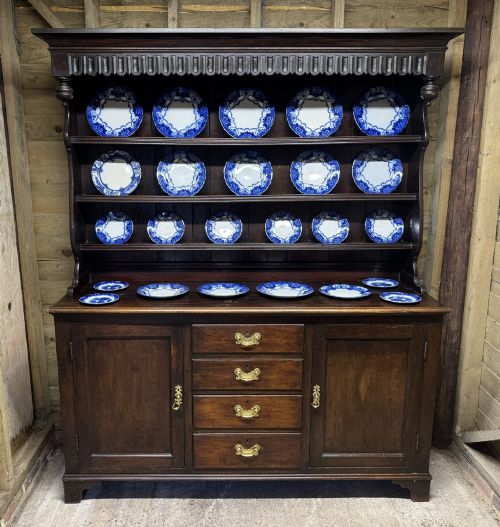
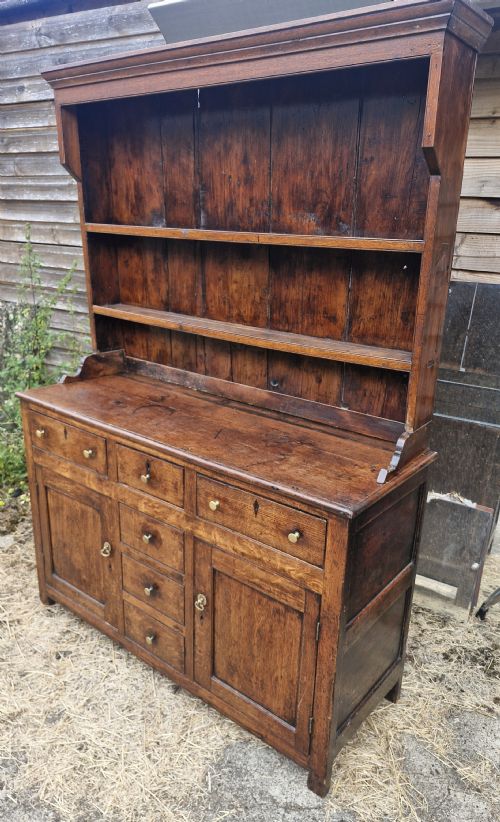
Dresser with Plate Rack
A dresser with plate rack is a fundamental kitchen and dining piece that combines a useful base cabinet with open display shelving for pottery and china.
Dresser with Plate Rack
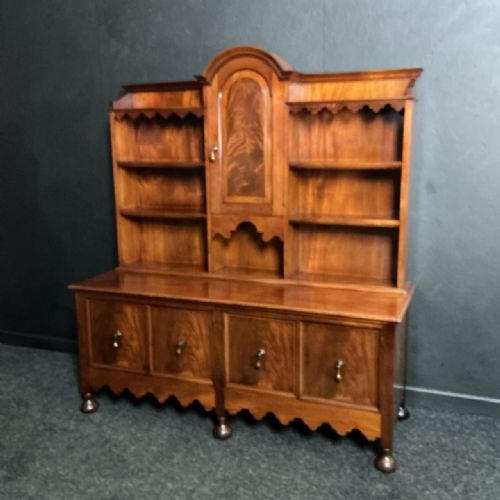
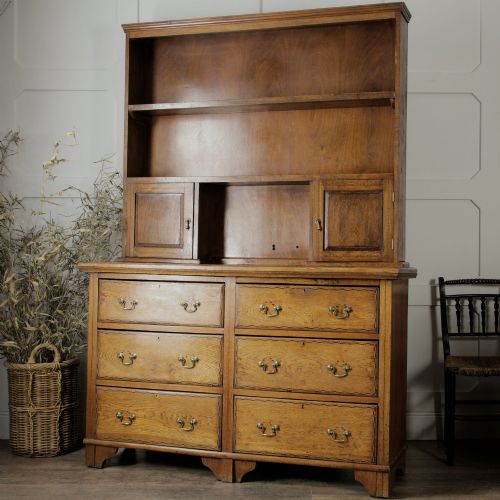
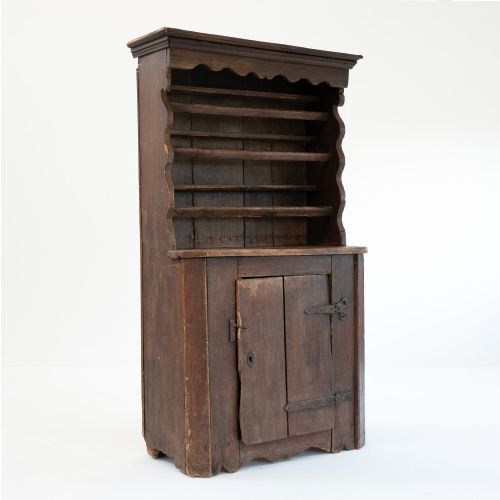
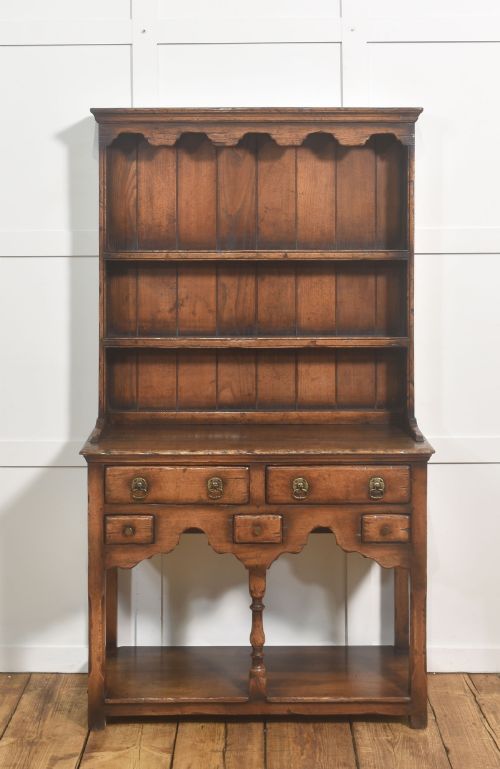
A dresser with plate rack pairs a lower storage base, often fitted with drawers, cupboards or an open potboard, with an upper shelving unit designed to display plates and tableware. These pieces emerge predominantly in regional British country workshops during the 18th and 19th centuries, reflecting the domestic needs of rural households.
The most common examples encountered on this page are constructed from oak and pine, frequently originating from Welsh, English and West Country traditions. Regional variations appear in the configuration of the base, such as potboards or breakfront drawers, and the formatting of the upper plate display racks.
Materials and construction
Timbers such as oak, mahogany, elm and pine form the structural foundation of these pieces, selected for local availability and structural durability. Joinery methods rely on traditional pegged mortise and tenon frames, solid timber boards for backs and tops, and hand-cut dovetails for drawer construction.
Metal elements are kept functional, utilising brass pulls or handles alongside iron hardware where appropriate. Surfaces often retain centuries of natural patina through simple polishing or historic painted finishes.
Regional forms on this site include pieces originating from North Wales, South Wales, Shropshire and the West Country.
Assessing quality and proportion
Quality in a dresser with plate rack rests on the harmony of proportion between the heavy base and the lighter superstructure, alongside the integrity of the timber used. Superior examples maintain original upper plate racks paired with their corresponding bases rather than assembled marriages from separate origins.
The depth of colour, the handling of mouldings on the rack cornice, and the retention of original brass or iron hardware distinguish finer country workshop production from more utilitarian provincial items.
The Dresser with Plate Rack Glossary
- Potboard
- A lower open shelf built into the base of a dresser, historically used for storing pots and pans off the stone floor.
- Plate rack
- The upper tiered shelving unit attached to the back of a dresser, designed to hold plates upright for display and drying.
- Breakfront
- A piece of furniture where the central section projects forward from the flanking sides, creating visual depth.
- Vernacular
- Architecture and furniture built by local craftsmen using regional styles and available materials rather than formal academic designs.
- Dovetail
- A joint used to secure drawer corners, formed by interlocking wedge-shaped fingers that provide strong tensile resistance.
Dresser with Plate Rack: Frequently Asked Questions
How do I style a plate rack?
Plates are traditionally slotted vertically into the grooves of the upper shelves, resting against the backboards for secure display.
Heavier platters anchor the lower tiers, while smaller crockery and jugs sit comfortably above to create a balanced domestic arrangement.
Are the racks original to the bases?
Many upper plate racks and lower bases survived together over centuries, though some regional pieces were separated and reunited later in their lives.
Examining the timber grain, wear patterns, and fixing points helps determine whether the rack belongs natively to the base cabinet.
What is a Welsh dresser?
A Welsh dresser typically denotes an oak piece originating from Wales featuring an open potboard base and multi-tiered plate shelves above.
These regional examples often display distinct local drawer arrangements and proportions that separate them from English provincial equivalents.
How do I care for antique oak?
Regular dusting with a dry lint-free cloth preserves the dry wax finish and prevents grime accumulation on historic timber surfaces.
Avoiding direct sunlight and maintaining stable room humidity protects the wood from shrinking, warping or splitting over time.