
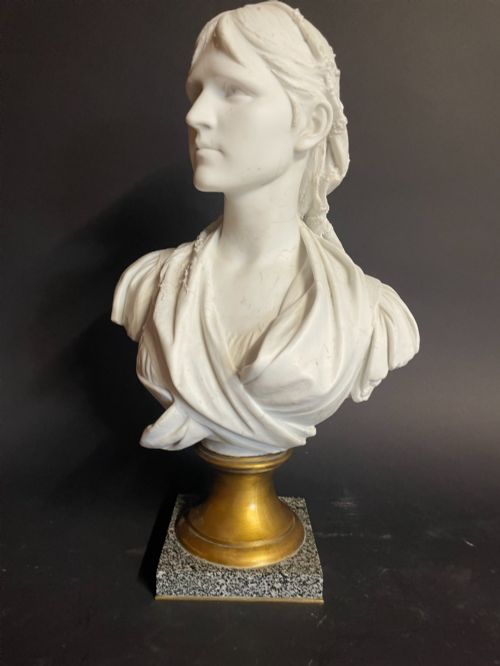

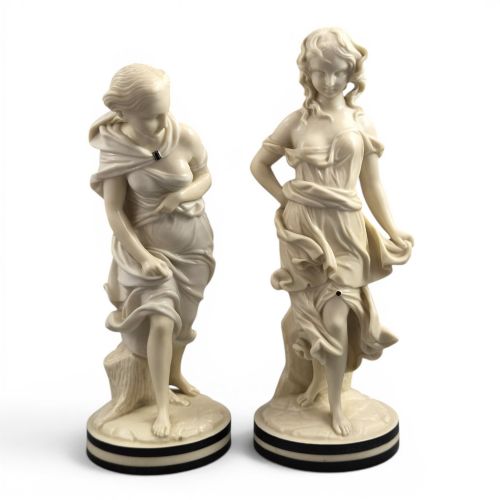



Draped Female Figure Sculpture
These draped female figure sculpture works bring classical grace indoors and into gardens through bronze, marble, plaster, and porcelain.

Draped Female Figure Sculpture
A draped female figure sculpture represents classical subjects, allegories, and mythological figures wrapped in flowing garments across various periods and forms. These pieces range from monumental garden statues and life-sized stone figures to delicate porcelain figurines, chamber candlesticks, and decorative torcheres.
Buyers encounter numerous Neoclassical interpretations alongside Victorian works and Art Nouveau expressions. The selection spans grand Continental bronzes by noted foundries to intimate parian ware and moulded plaster figures.
Materials and construction
Metal sculptures utilise traditional casting methods, often resulting in rich patinas on bronze or brass. Stone and marble pieces involve meticulous carving or durable reconstituted mixes suited for garden display.
Plaster and stucco enable intricate detailing for interior figures and architectural supports such as caryatids. Porcelain and bisque items undergo high-temperature kiln firing, sometimes complemented by glazed or tinted surfaces.
Listings feature materials ranging from cast bronze and carved marble to plaster, alabaster, and reconstituted stone.
Assessing craftsmanship and execution
Quality reveals itself in the subtlety of the drapery folds, the anatomical proportion of the carved or cast form, and the crispness of the finishing details. Superior bronze casts display sharp chiseling and deliberate patination, whereas lesser examples show softer surface definition.
Barbedienne·Royal Worcester·Humphrey Hopper·Ernst Barrias·René Lalique·Pugi·Ernst Wahliss·Georges Van Der Straeten·Auguste Moreau·Antoine Coysevox
The Draped Female Figure Sculpture Glossary
- Neoclassical
- A style reviving classical Roman and Greek motifs, symmetry, and restrained elegance. It dominates many nineteenth-century representations of draped figures.
- Parian Ware
- A fine-grained unglazed porcelain resembling white marble, developed during the Victorian era for figures and busts. It captures subtle contours effectively.
- Torchere
- A tall ornamental stand or candlestick designed to hold a light source. Several examples incorporate draped figures into their structural support.
- Caryatid
- A sculpted female figure serving as an architectural support taking the place of a column or pilaster. They frequently appear in pairs on pedestals.
- Socle
- A short plinth or pedestal supporting a bust, vase, or small statue. It elevates the sculpture and provides physical stability.
Draped Female Figure Sculpture: Frequently Asked Questions
Where should I place a stone garden statue?
Large stone or reconstituted stone figures require a stable, level base such as a paved patio or reinforced garden plinth. Placing them near focal points in planting schemes highlights their classical proportions.
Protect delicate stone from standing water during winter months to preserve the surface texture. Position them where natural light accentuates the depth of the carved drapery.
How do I clean a bronze sculpture?
Dust bronze figures regularly with a soft, dry cloth to prevent particulate accumulation. Avoid chemical cleaners that can strip the original patina.
Apply a microcrystalline wax occasionally to protect the metal surface from atmospheric moisture. Buff gently after application to maintain a subdued sheen.
What is the difference between bisque porcelain and parian ware?
Bisque porcelain is unglazed ceramic fired once to create a matte, porous finish popular in Victorian decorative figures. It often presents a slightly chalky white appearance.
Parian ware uses a specific feldspathic formula that vitrifies more closely during firing, yielding a denser material with the smooth texture of polished marble.
Can plaster figures be displayed outside?
Plaster and stucco figures remain strictly suited for interior display due to their vulnerability to moisture and frost. Exposure to damp conditions causes the material to soften and flake.
Keep them away from direct heat sources and high-humidity rooms to prevent structural cracking. Dust them only with dry implements.