




Double Domed Cabinet
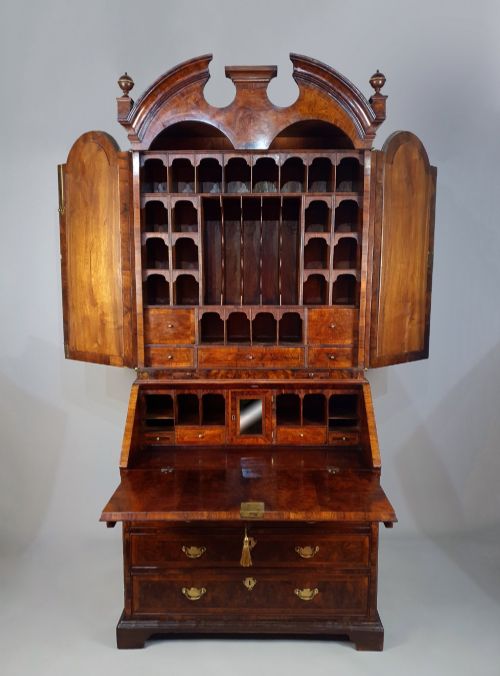
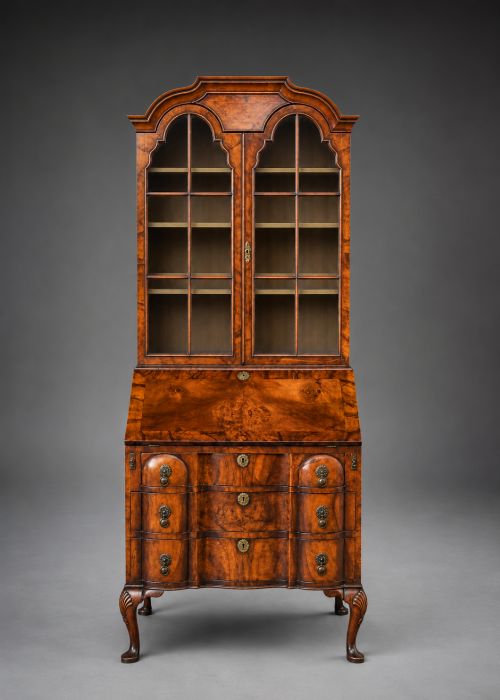
A double domed cabinet brings together architectural presence and fine joinery, offering a commanding piece for storing books and papers behind glazed doors.
Double Domed Cabinet
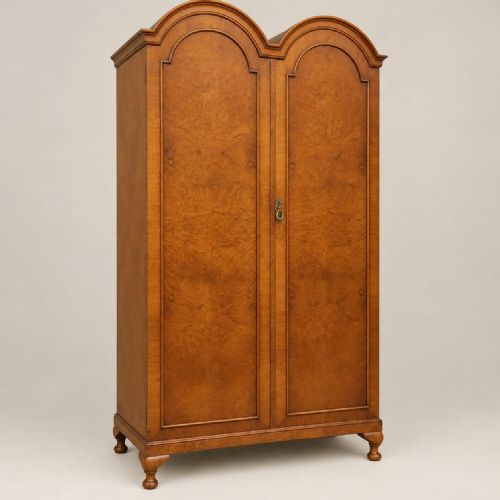
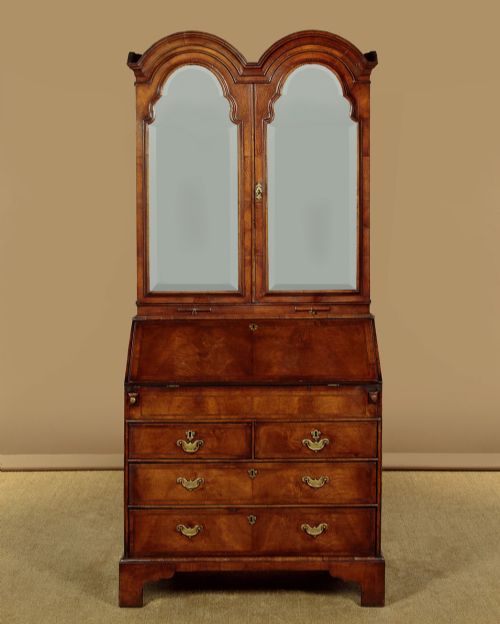
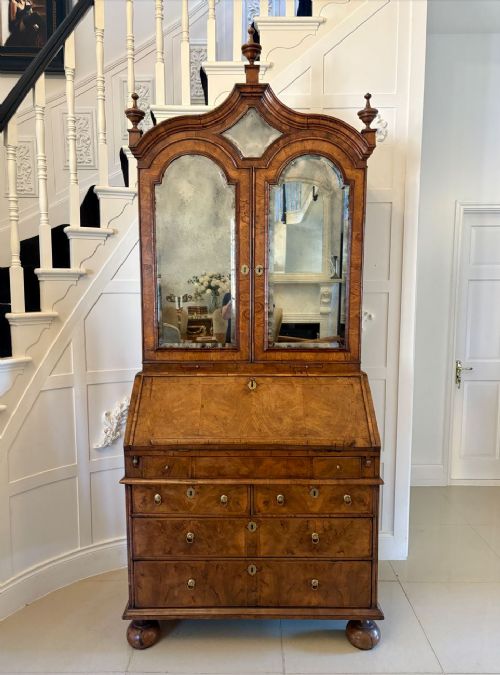
A double domed cabinet combines a lower bureau or chest base with an upper bookcase section crowned by two arched pediments, frequently appearing in forms like bureau bookcases and display cabinets. These pieces date across several periods, with 18th century and Georgian examples sitting alongside Edwardian reproductions and later interpretations.
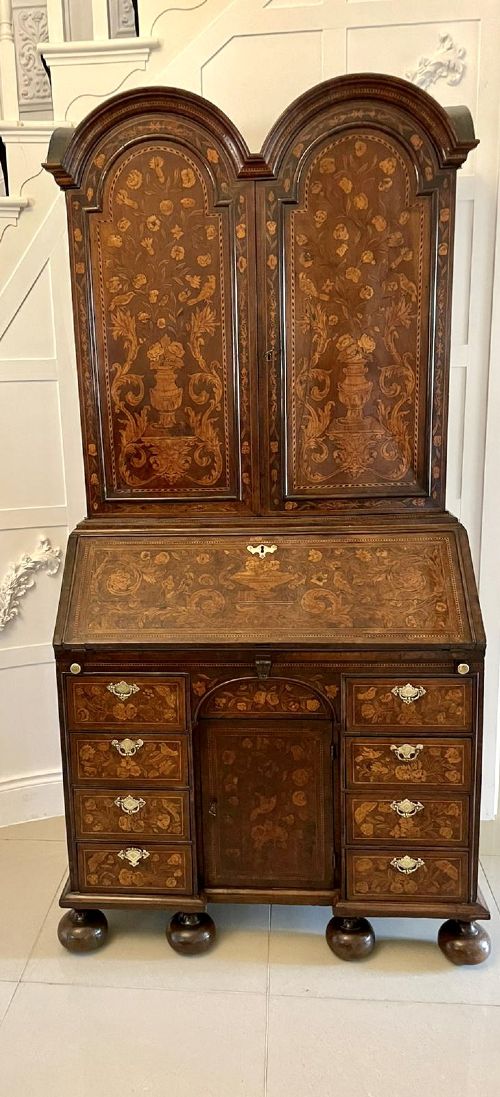
The walnut finish dominates the selection, often enriched with burr veneers, featherbanding, and floral marquetry in the manner of Queen Anne, William and Mary, and George I styles. Buyers encounter both full-scale architectural case furniture and smaller table cabinet variations designed for desktop use.
What varies in quality
The choice of veneer defines the visual hierarchy, with richly figured burr walnut and complex fruitwood marquetry setting apart the most ambitious examples from plainer solid walnut or later revival pieces. The crispness of the architectural mouldings on the double arches also reveals the maker's skill.
Proportion and interior arrangement dictate the standing of a cabinet, particularly where fitted bureau compartments, pigeonholes, and secret drawers survive intact behind the fall-front writing surface.
Double Domed Cabinet Retail Price Guide 2026
Typical asking prices for double domed cabinet among the pieces listed under this phrase on Sellingantiques today, from the lower quarter to the upper quarter. They describe what is for sale here now, not the wider market.
Listings span walnut, oak, fruitwood, and brass materials across 17th century, Georgian, and Edwardian periods.
The Double Domed Cabinet Glossary
- Double dome
- An upper cabinet pediment featuring two adjacent rounded arches. This architectural flourish creates a distinct crown that defines the silhouette.
- Burr walnut
- Wood taken from a walnut tree growth, yielding swirling, knotty grain patterns. Cabinetmakers sliced this timber into thin veneers for decorative surfaces.
- Featherbanding
- A type of inlay using small veneers angled to resemble a bird feather. It frames drawer fronts and panel borders on finer case pieces.
- Marquetry
- Fitted pieces of wood, ivory, or metal assembled into pictorial designs. Dutch and English workshops utilised this technique for floral and geometric motifs.
Double Domed Cabinet: Frequently Asked Questions
What is a double domed cabinet?
A double domed cabinet is a tall piece of case furniture featuring twin rounded arches on its upper cornice, typically housing shelves behind glass doors above a desk or chest base.
These units served as status symbols in wealthy homes for storing libraries and conducting correspondence in private.
How do I date a cabinet?
Dating relies on examining construction methods, timber choices, and hardware styles across the walnut, oak, and marquetry elements.
Early 18th century pieces display period-specific joinery, whereas Edwardian revivals adopt later manufacturing traits while copying earlier Queen Anne or George I aesthetics.
Where were they placed?
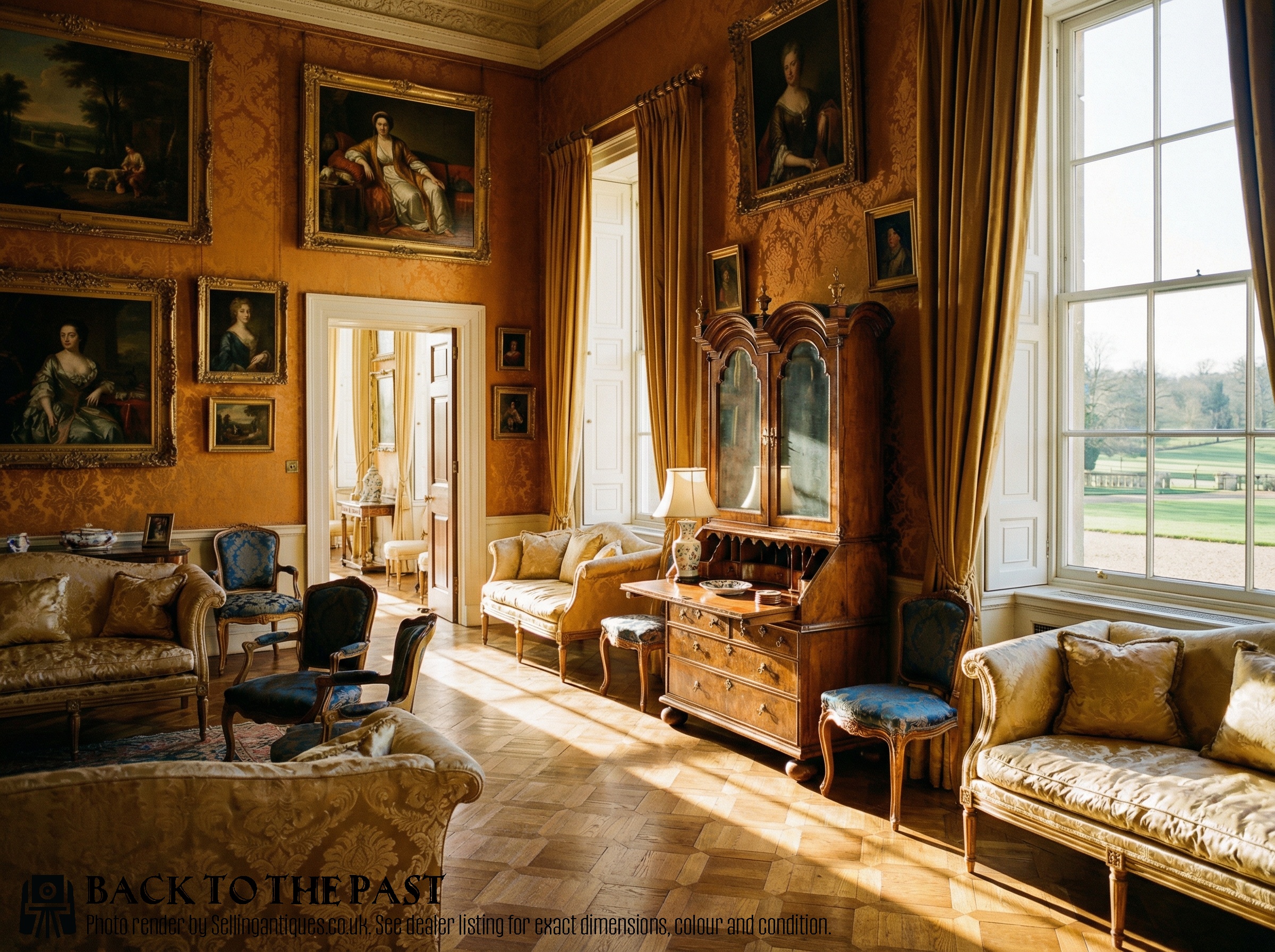
These cabinets stood in formal reception rooms, libraries, and private studies where owners kept valuable books and documents.
Their imposing architectural presence meant they anchored the wall of a principal room.
How do I care for walnut?
Walnut benefits from stable room temperatures and protection from direct sunlight to prevent the burr veneers from drying out or fading.
Applying a traditional wax polish helps nourish the wood and maintain its deep surface lustre.