




Double Dome Cabinet
Double dome cabinet pieces are substantial timber furniture forms combining display and writing functions, prized for their curved cresting and fitted interiors.
Double Dome Cabinet
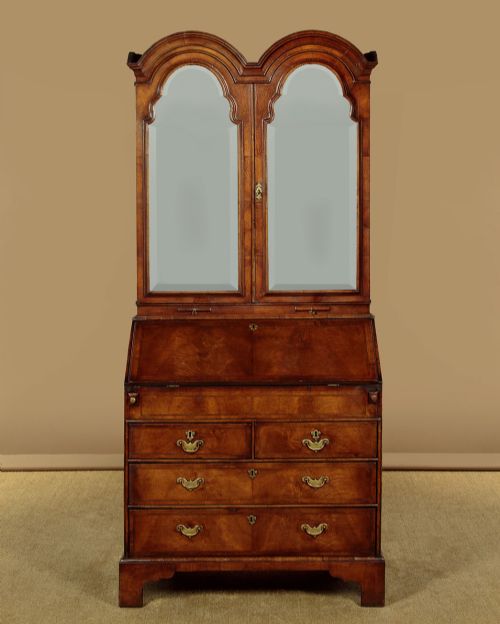
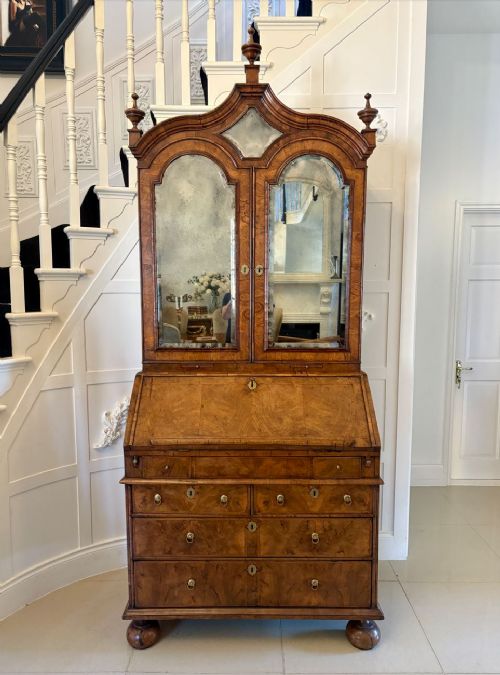
A double dome cabinet is typically encountered as a bureau bookcase or bureau cabinet, featuring arched top profiles above fitted shelving or storage space. These grand forms span periods from the seventeenth century through Georgian eras, alongside later revival interpretations.
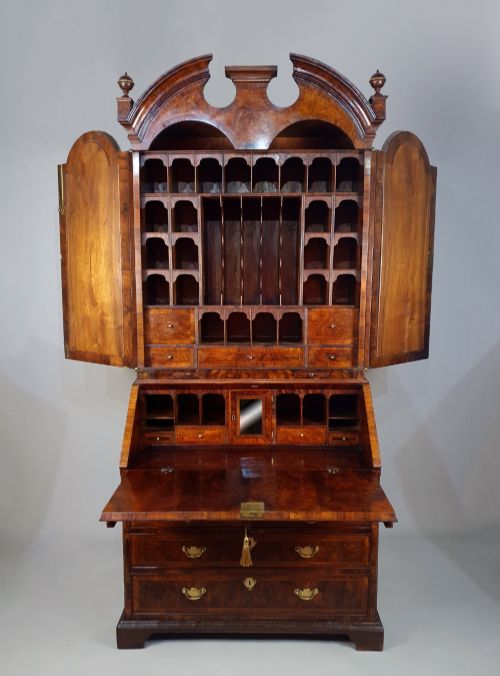
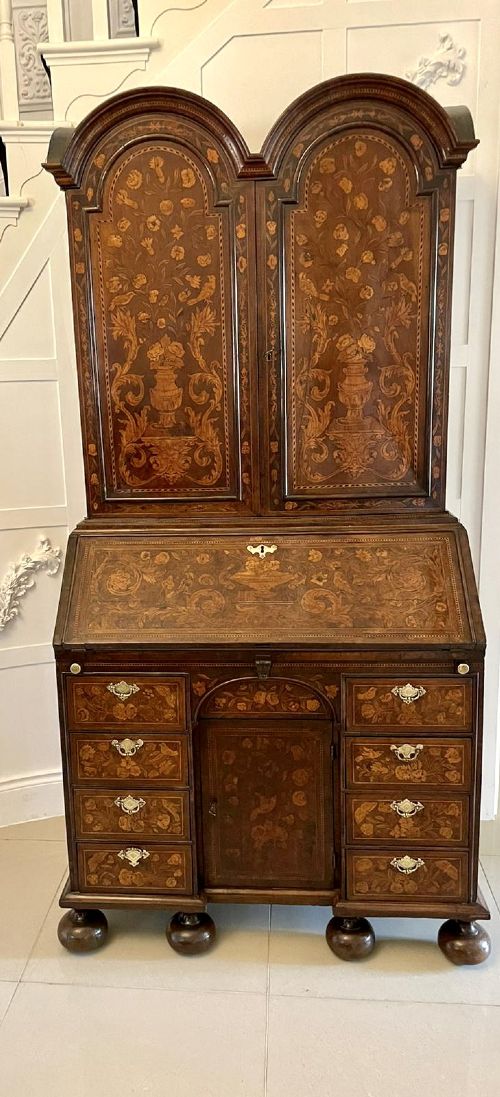
The primary configurations combine lower bureau desks with upper display sections, often housing small drawers and pigeonholes behind a sloping fall-front. Buyers will find both walnut primary timbers and marquetry decorated variations reflecting regional British, Dutch, and Italian craftsmanship.
Materials and construction methods
Cabinet makers utilised dense hardwoods such as walnut and burr walnut, frequently embellished with intricate fruitwood marquetry and featherbanding across primary surfaces. Secondary structural framing incorporates solid pine and oak to support the weight of towering upper bookcases.
Fine brass hardware, including drop handles and escutcheons, secures the doors and internal drawers. Glass panels are integrated into upper cabinet doors to protect displayed contents while maintaining visual lightness beneath the arched wooden domes.
Double Dome Cabinet Retail Price Guide 2026
Typical asking prices for double dome cabinet among the pieces listed under this phrase on Sellingantiques today, from the lower quarter to the upper quarter. They describe what is for sale here now, not the wider market.
Many bureau bookcases conceal secret sliding compartments behind pigeonholes, designed for hiding private correspondence from curious household guests.
Distinguishing quality across examples
Quality rests upon the selection of timber veneers, where symmetrical burr walnut figures and precise marquetry layouts elevate the visual depth of the facade. The harmony of proportions between the lower bureau and the double arched top dictates the overall architectural success of the piece.
Internal complexity also separates standard items from exceptional ones, particularly the arrangement of secret compartments, sliding wells, and shaped pigeonholes within the writing compartment. The crispness of carved mouldings and the original retention of brass fitments complete the evaluation.
The Double Dome Cabinet Glossary
- Double dome
- An architectural top section featuring two parallel rounded arches, commonly found on the upper cornices of tall bookcases and cabinets. This profile defines the dramatic silhouette characteristic of early eighteenth-century case furniture.
- Bureau bookcase
- A hybrid furniture form comprising a sloping desk compartment positioned beneath glazed or panelled upper shelving doors. It serves both workspace and display functions within domestic interiors.
- Featherbanding
- A decorative banding technique utilising thin strips of veneer arranged in a herringbone or chevron pattern around drawer edges and panel borders. This inlay method frames the principal wood grains.
- Marquetry
- The art of applying decorative veneer pieces in various woods to form pictorial or geometric designs on furniture surfaces. Dutch and English workshops employed this technique extensively on cabinet doors and fall-fronts.
Double Dome Cabinet: Frequently Asked Questions
What is a double dome cabinet?
A double dome cabinet is a tall case furniture piece featuring twin arched crests above a bureau desk and bookcase section. These sophisticated items combine storage, display, and writing surfaces.
Originating in the late seventeenth and early eighteenth centuries, they represent some of the finest achievements of period cabinet making. The upper doors typically open to reveal adjustable shelving for books or porcelain.
How do I date a walnut bureau bookcase?
Dating relies on examining construction traits, timber selection, and hardware styles. Early eighteenth-century examples often feature solid walnut or rich burr walnut veneers applied to oak carcases.
Later revival pieces from the Edwardian period or nineteen-hundreds adopt similar aesthetic forms but utilise different internal framing methods and secondary woods. Comparing drawer linings and dovetail construction helps clarify the precise era of manufacture.
Where should I place a bureau cabinet?
These tall case pieces require adequate ceiling height and stable environmental conditions away from direct sunlight or heat sources. Their imposing scale makes them ideal focal points in traditional libraries, studies, or spacious living areas.
Ensure the floor is level to prevent distortion of the tall doors and double dome superstructure. Positioning them against a solid wall protects the top-heavy structure from accidental tipping.
What distinguishes Queen Anne style from Georgian pieces?
Queen Anne style furniture often emphasises curved lines, cabriole legs, and understated walnut veneers with subtle featherbanding details. The focus rests upon graceful proportions and smooth wooden surfaces.
Georgian pieces from the subsequent reigns introduce architectural refinements like the double dome top combined with strict symmetry and refined internal compartments. Both eras showcase exceptional woodworking skill but differ slightly in their decorative emphasis.