


Double Chair Back Seat
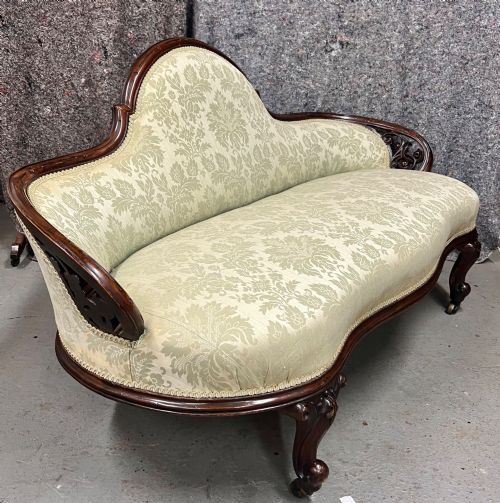
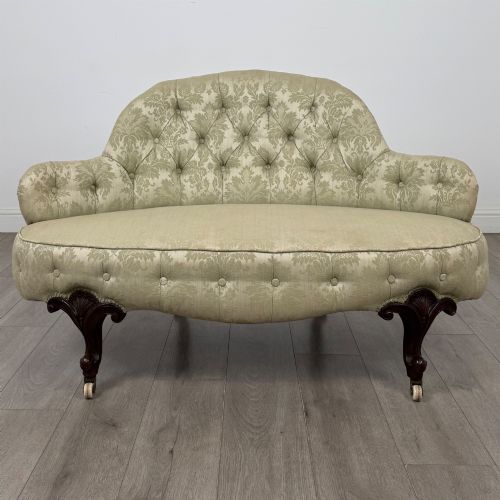
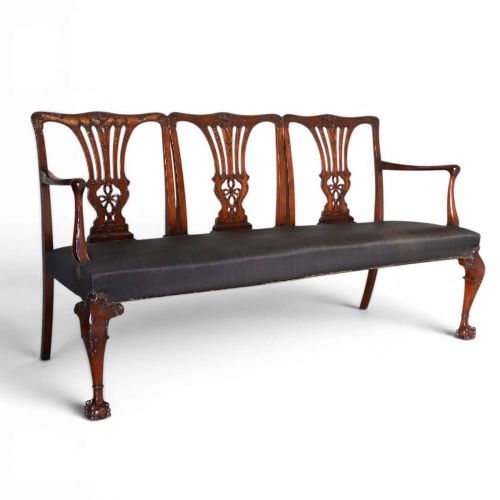
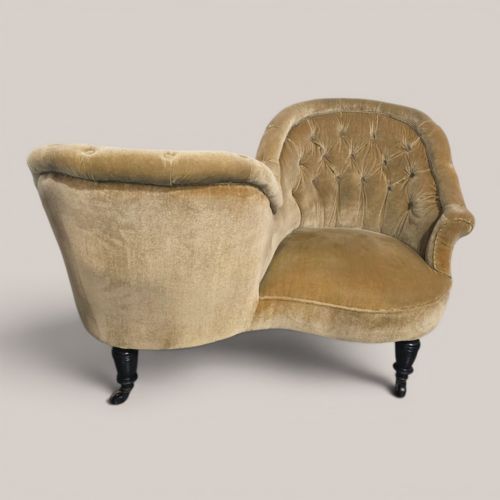
These double chair back seat pieces bring together joined seating forms in mahogany, elm and hardwood.
Double Chair Back Seat
A double chair back seat combines multiple backrests within a single connected frame, creating forms that bridge the gap between chairs and settees. When you search for a double chair back seat, you encounter multi-seat furniture designed with linked back designs rather than continuous upholstered backs.
The selections span centuries of cabinetmaking, with examples ranging from 18th century pieces to later Victorian and Edwardian revivals. Most choices on this page adopt mahogany or hardwood construction, often echoing Chippendale or Georgian styles through pierced or carved back splats.
Makers adapted the chair back concept into wider seating platforms, including two-seat and three-seat settees, conversation seats, and bench formats. These items served formal reception rooms and domestic interiors alike, prioritising structural timber frames over heavy padding.
Materials and construction
Makers relied primarily on mahogany and elm for the primary frames, utilising the strength of these hardwoods to support intricate pierced splats and slender vertical supports. Turned stretchers frequently reinforce the leg structures, adding rigidity to the wide seating platforms.
Upholstered elements employ traditional materials such as fabric, velvet, damask, and ticking secured to drop-in or padded seats. Brass accents and inlay work in satinwood appear on select finished surfaces, highlighting the joinery of the period.
Listings feature mahogany and elm frameworks paired with diverse textiles including damask, velvet, and ticking across Victorian and Georgian styles.
Evaluating craftsmanship
Quality rests in the crispness of the carved details along the chair backs and the tightness of the joinery connecting the multiple backrests to the seat rail. Superior examples maintain original timber surfaces with balanced proportions across the extended framework.
The refinement of the splat design and the integrity of the secondary woods underneath distinguish standard regional pieces from sophisticated cabinetmaker interpretations. Wear should appear consistent with age, without compromising the stability of the joined back structure.
Howard And Sons
The Double Chair Back Seat Glossary
- Chair-back settee
- A multi-seat piece constructed with a backrest composed of two or more conjoined chair backs. This design mimics the appearance of several dining chairs placed side by side within one unified frame.
- Splats
- The vertical wooden strips positioned in the centre of a chair back. In these pieces, splats often feature intricate pierced carving associated with Georgian and Chippendale aesthetics.
- Stretchers
- Horizontal wooden rods connecting the legs of a seat for added stability. Many examples utilise double stretchers to support the broader frame.
- Windsor
- A seating style characterised by turned wooden spindles fitted into a solid shaped seat. Elm variants often incorporate these turned structural supports.
- Inlay
- A technique where contrasting woods like satinwood are fitted into the primary mahogany surface to create decorative patterns. This ornamentation marks higher-tier cabinet work.
Double Chair Back Seat: Frequently Asked Questions
What is a double chair back seat?
A double chair back seat is a form of settee or bench whose backrest is constructed to look like two or more individual chair backs joined together in a single row.
These pieces offer the visual rhythm of dining chairs combined with the extended seating capacity of a small sofa.
How do I identify the period?
Dating relies on examining the timber species, the style of the carved splats, and the turning of the legs and stretchers. Eighteenth-century versions display different joinery methods and patination compared to Victorian or Edwardian revival pieces.
Reviewing the specific style vocabulary, such as Chippendale or Hepplewhite influences, helps narrow down the decade of production.
Where were these pieces used?
These seating forms suited domestic parlours, dining rooms, and hallways where formal seating arrangements were required. Their open wooden backs kept rooms feeling light compared to fully upholstered bulky sofas.
Conversation pieces were often placed centrally in reception spaces to facilitate social interaction.
Are the seats upholstered?
Many examples feature drop-in upholstered pad seats covered in damask, velvet, fabric, or ticking, while others retain solid wooden seats. The upholstery method depends largely on the specific regional tradition and the period of manufacture.
Revival pieces from the nineteenth and twentieth centuries frequently incorporate cushioned seating platforms.