
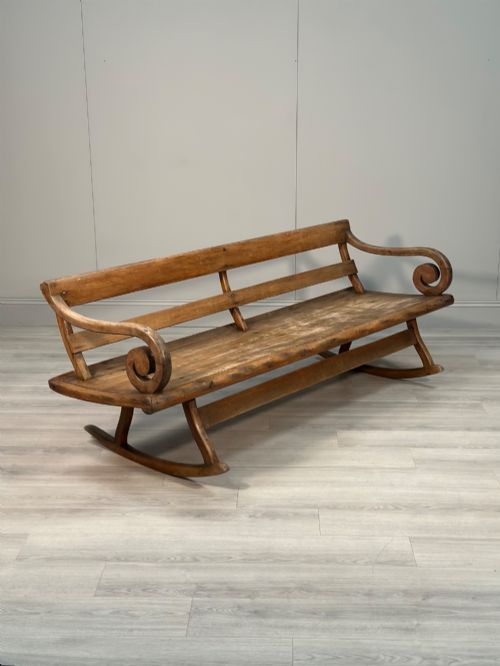
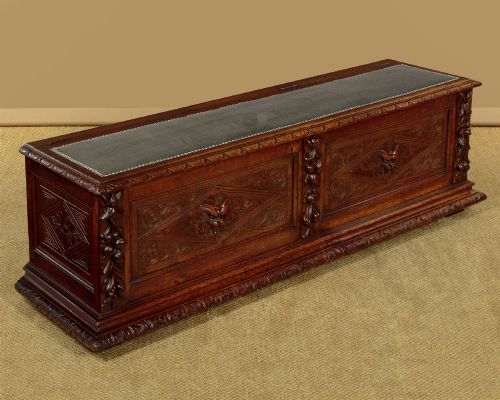
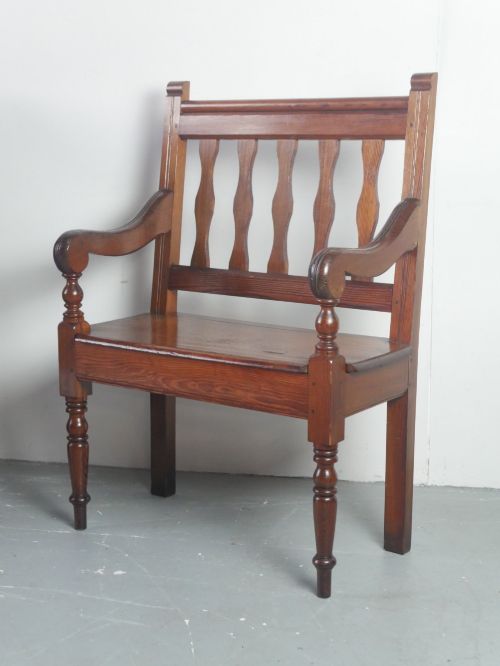
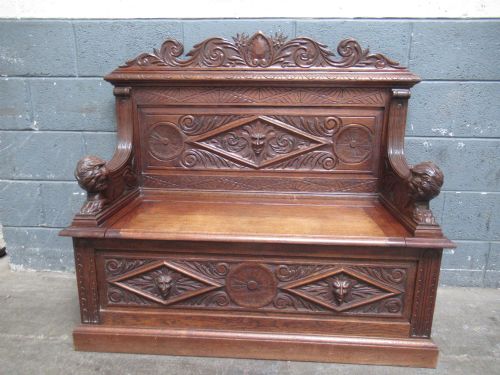

Brown Wood Bench Seat
These brown wood bench seat examples span centuries of practical seating, offering sturdy utility and rich grain patterns for modern hallways and living spaces.
Brown Wood Bench Seat
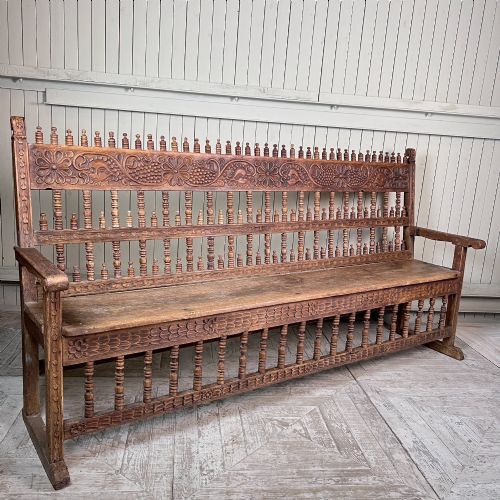
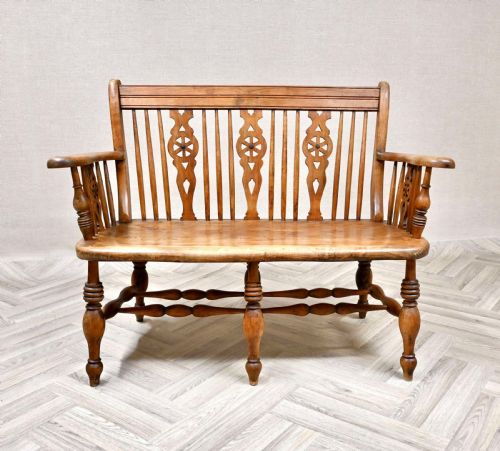
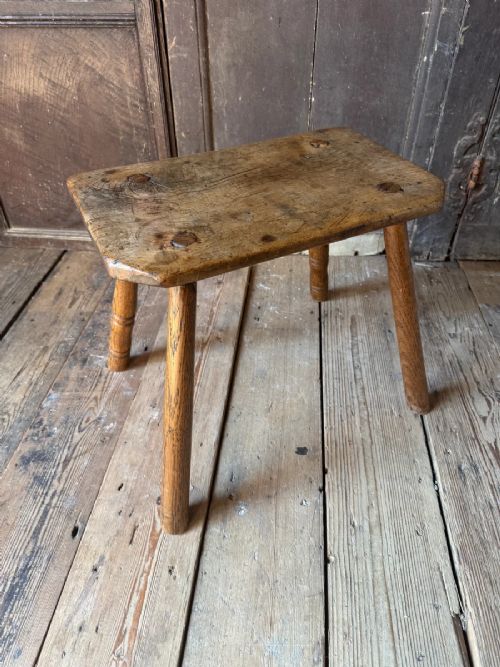
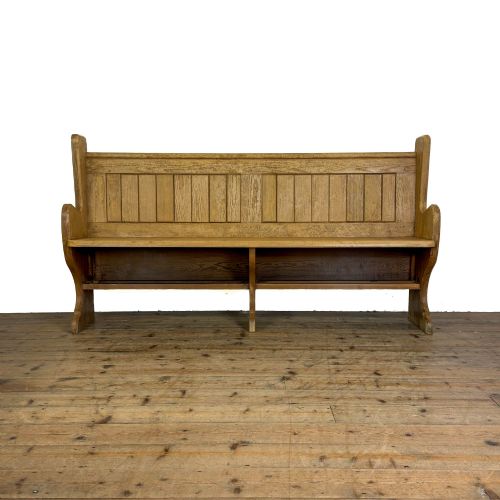
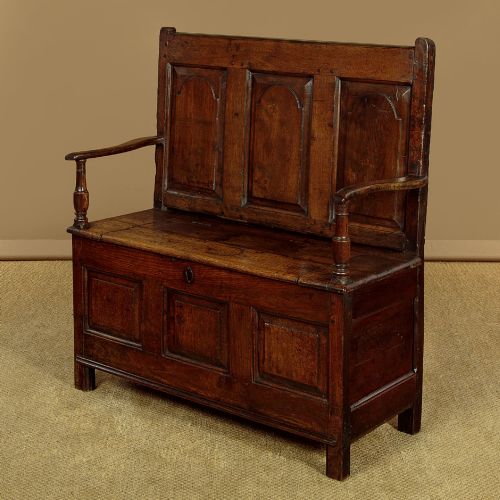
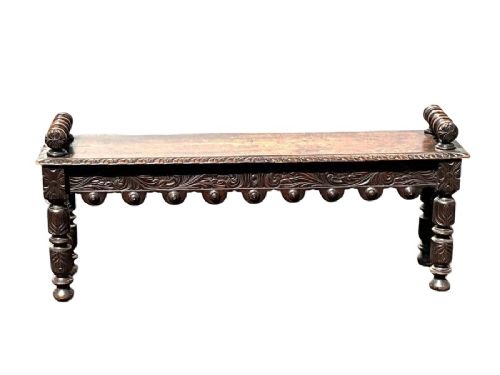
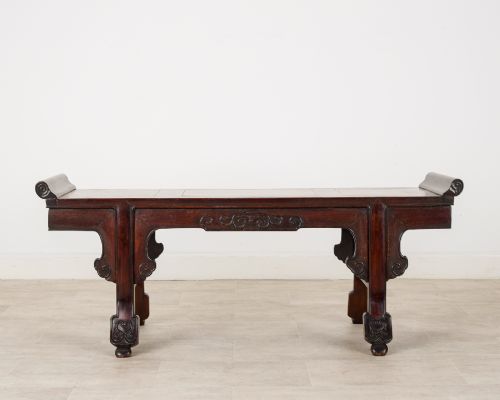
A brown wood bench seat brings traditional forms into domestic spaces, appearing most often in sturdy oak, mahogany, and pine across this selection. Pieces range from nineteenth-century chapel pews and hall benches to smaller vernacular stools and window seats.
Makers shaped these utilitarian objects for specific domestic roles, such as narrow hall seating or fireside settles with integrated storage. Regional variations include French fruitwood dining pairs and Spanish colonial hardwood seating.
The material palette spans native British timbers like sycamore and ash alongside continental cherrywood and exotic hardwoods. Such variety ensures a suitable match for rustic farmhouse interiors or formal Victorian settings.
Materials and construction methods
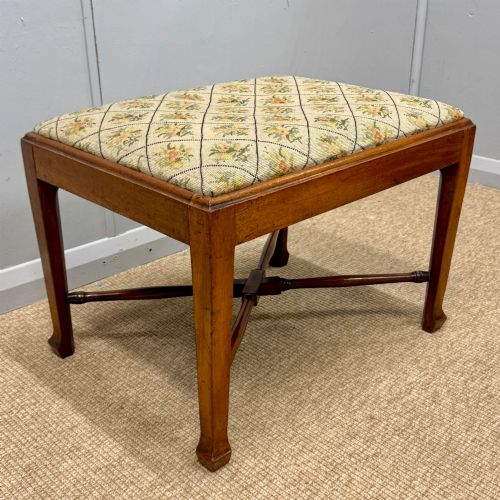
Carpenters relied primarily on solid timbers including oak, walnut, and elm, often joining components with traditional pegging and mortise techniques. Turned stretchers and cross frames provide structural stability to heavier seating forms.
Listings feature oak most frequently among timber types, appearing alongside mahogany, walnut, pine, and cherrywood across various centuries.
Distinguishing quality across examples
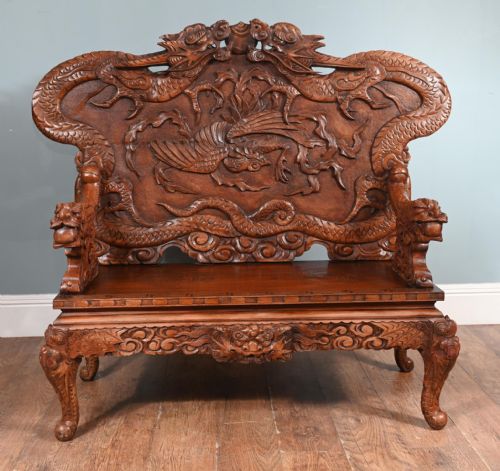
Depth of carving and clarity of detail separate standard utility items from finer workshop output, particularly on nineteenth-century oak hall benches and revival pieces. Crisp lines in timber relief work indicate skilled hand tool use by the maker.
The choice and preservation of primary timber dictate long-term character, with dense grain patination in older walnut and mahogany elevating certain forms. Original structural integrity, minimal replacement timber, and well-preserved joinery also influence the standing of an item.
Thonet
The Brown Wood Bench Seat Glossary
- Settle
- A wooden bench with a high back, solid arms, and often a box compartment beneath the seat. This form shielded occupants from draughts in older interiors.
- Cross stretcher
- Wooden rails connecting the legs of a stool or bench diagonally for added rigidity. They frequently intersect at a central point.
- Vernacular
- Objects made by local craftsmen using regional traditions and readily available timber rather than following strict high-style metropolitan designs. These pieces often display charming utilitarian quirks.
- Box seat
- A seating unit featuring a hinged lid that opens to reveal storage space underneath. This dual-purpose design is common in oak settle and ottoman configurations.
Brown Wood Bench Seat: Frequently Asked Questions
Where should I place a hall bench?
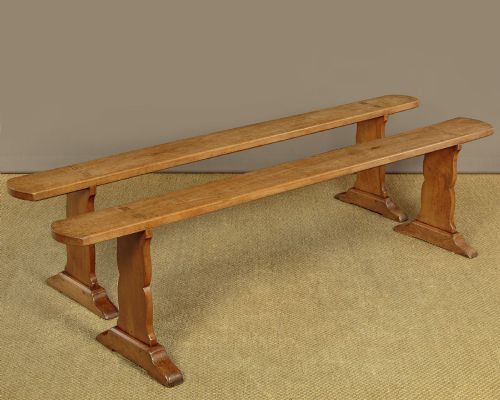
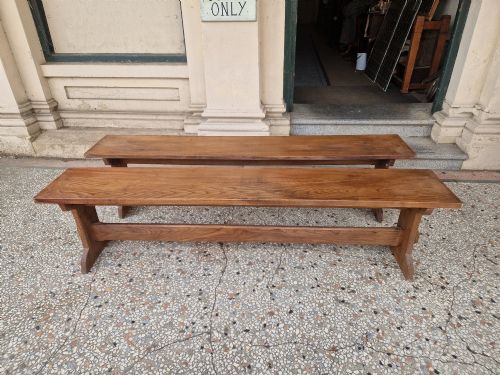
A brown wood bench seat fits naturally in entranceways, narrow corridors, or boot rooms where guests remove footwear. Their narrow footprint allows them to occupy transitional zones without blocking passage.
Larger oak or mahogany variants also serve well along empty landing walls or beneath windows to create secondary seating areas.
How do I maintain wooden bench seats?
Regular dusting with a dry, soft cloth preserves the natural timber finish without stripping surface oils. Avoid placing wooden seating near direct heat sources to prevent warping.
Applying a traditional beeswax periodically nourishes older oak and walnut surfaces, enhancing the historic grain.
What is the difference between a settle and a bench?
A settle incorporates a high solid back and enclosed sides designed to block cold air in domestic rooms. Standard benches feature open sides and simpler backrests or none at all.
Settles frequently include integrated box storage beneath the seat base.
How do I date an antique wooden bench?
Dating relies on observing tool marks, timber species, construction joinery, and stylistic revival influences. Hand-sawn boards and pegged joints typically point to earlier nineteenth-century or eighteenth-century origin.
Stylistic cues like Jacobean carvings or Belle Époque upholstery trim offer further clues to the period of manufacture.