

Distressed Wood Table
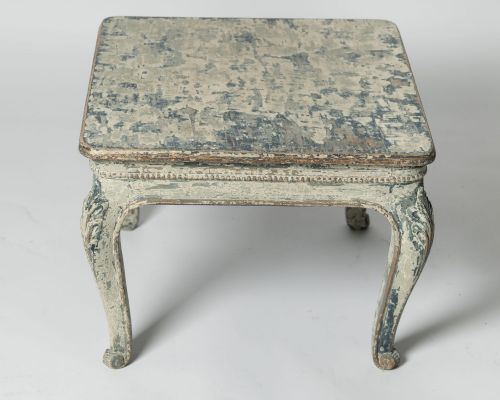
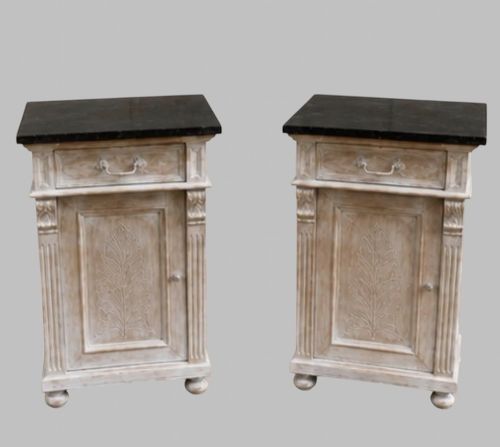
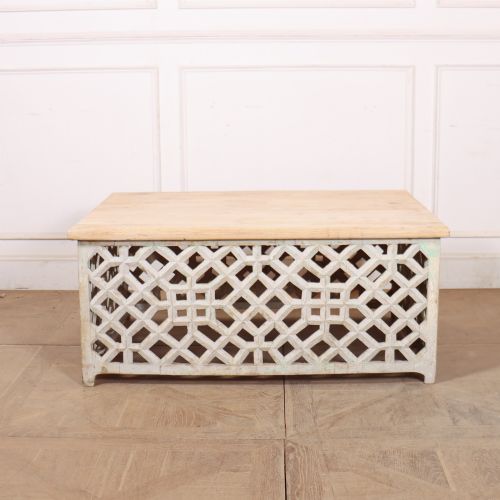
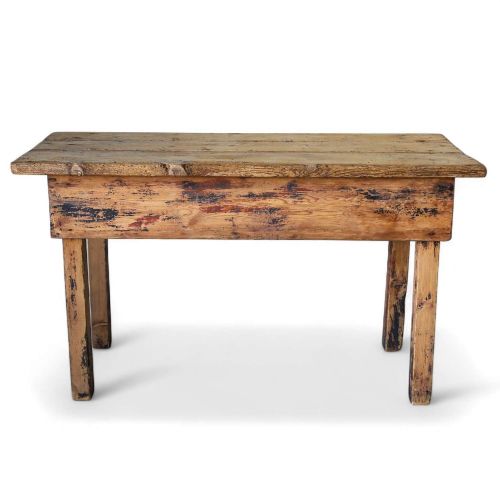
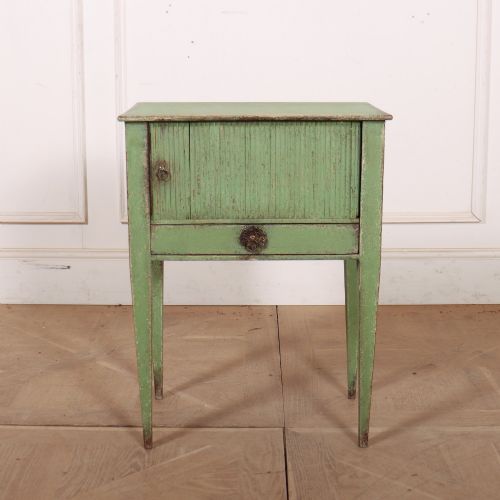
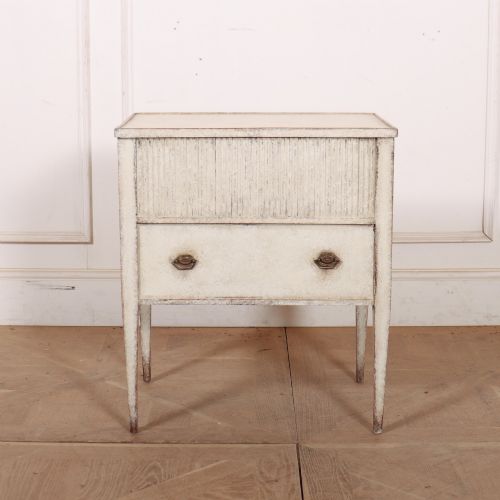
A distressed wood table brings practical surface space and weathered character to a room through painted pine, timber, and carved wood.
Distressed Wood Table
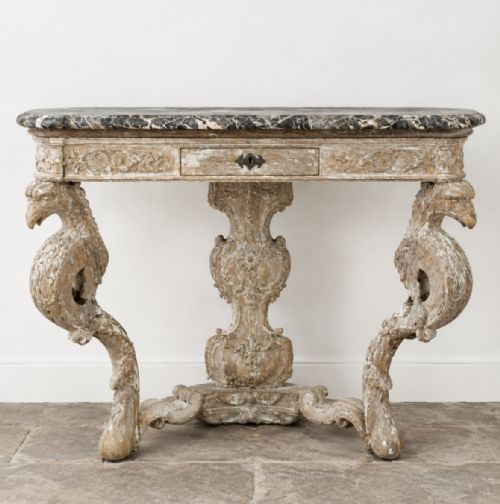
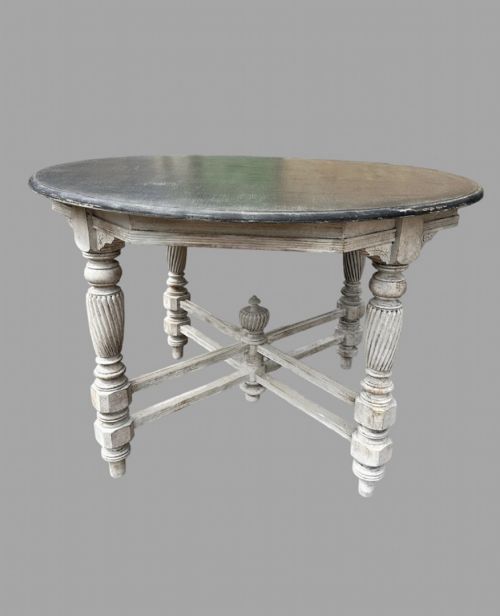
A distressed wood table encompasses a wide variety of practical forms, from dining tables and dresser bases to smaller console, side, and coffee tables. These pieces emerge from periods spanning the eighteenth, nineteenth, and early twentieth centuries across English, French, Swedish, Dutch, Italian, and German traditions.
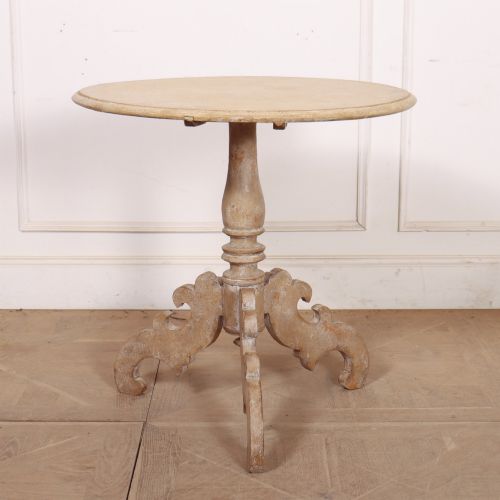
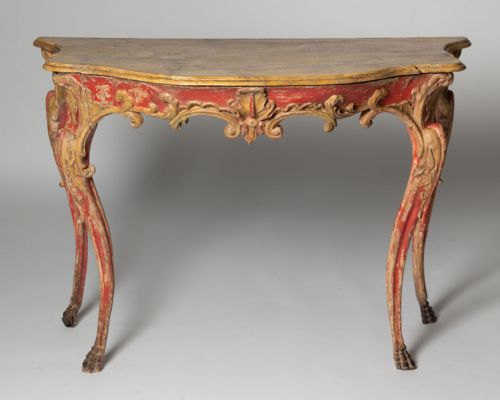
The most common examples encountered on this page are console and side tables featuring painted surfaces or rustic timber constructions. Buyers often select these items for hallways, living rooms, and kitchens where functional surfaces meet aged decorative appeal.
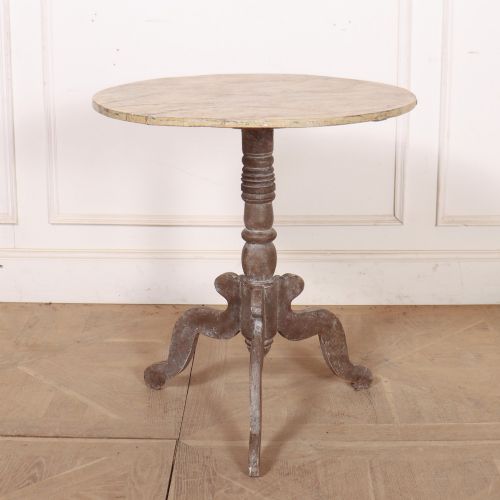
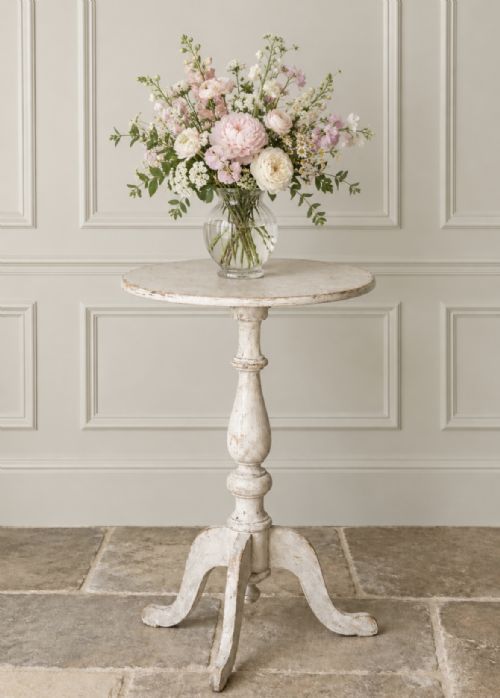
Regional variations shape these pieces significantly, ranging from Swedish drop-leaf gateleg tables and French gueridons with marble tops to English country house dresser bases and Welsh farmhouse work tables. Each origin brings distinct proportions and vernacular detailing to the finished surface.
Materials and Construction
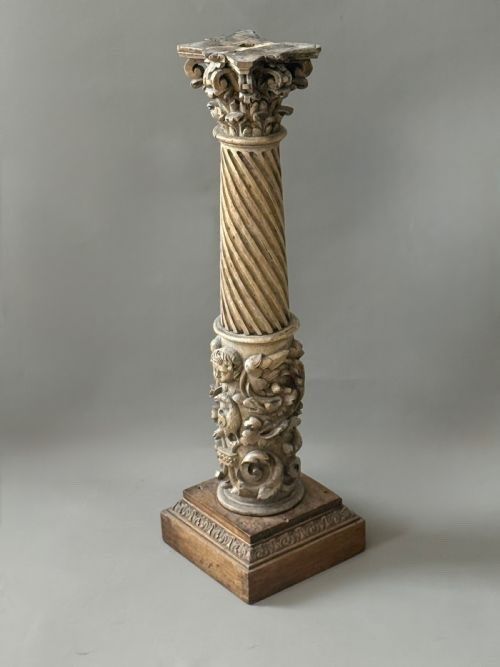
Makers utilised solid timbers such as pine and oak for the foundational structure of these tables, shaping them with hand tools and traditional joinery. Carved wood details and applied mouldings add architectural depth to console and centre tables.
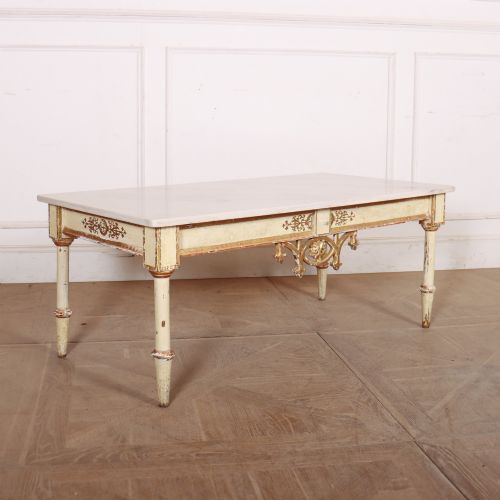
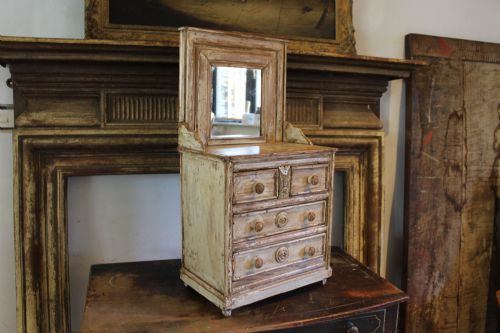
Surface finishes rely heavily on paint, applied in layers over decades or centuries of use to create the characteristic distressed appearance. Some examples incorporate contrasting materials, pairing timber frames with marble tops or brass hardware.
Cheese press tables originally served to squeeze moisture from curds before finding new life as rustic dining and work surfaces.
Evaluating the Pieces
Quality rests in the integrity of the underlying timber frame and the authenticity of the surface finish. Pieces that retain their original structural joinery alongside genuine, weathered paint layers stand apart from later interpretations.
Proportion and scale dictate the visual success of a table within a room. Well-balanced console and coffee tables demonstrate careful proportion between top dimensions and leg height, while maintaining the honest utilitarian roots of farmhouse and country furniture.
The Distressed Wood Table Glossary
- Console table
- A table designed to stand against a wall, frequently secured with brackets or supported by front legs. These items often feature decorative carving or painted finishes suitable for hallways and reception rooms.
- Dresser base
- The lower section of a traditional kitchen or dining room dresser, containing cupboards and drawers beneath a broad timber top. They serve as sturdy sideboards or serving tables.
- Gueridon
- A small French round table supported by a central pillar or multiple legs, popular during the nineteenth century. They frequently feature marble or inlaid wooden tops.
- Gateleg table
- A table with hinged leaves supported by swing-out legs that resemble a gate. This construction allows the surface area to expand or contract according to space requirements.
- Potboard
- A lower slatted shelf incorporated into the base of a traditional dresser or table, originally intended for storing pots and pans. It provides structural stability to the legs.
Distressed Wood Table: Frequently Asked Questions
How do I clean a painted distressed wood table?
Dust the surface regularly with a soft, dry cloth to prevent the accumulation of dirt within the textured grain and paintwork. Avoid harsh chemical cleaners or excessive moisture, which can damage aged finishes.
For stubborn marks, use a damp cloth with mild soap and dry the area immediately. Preserving the integrity of the original paint layer requires gentle handling.
Where should I place a console table?
Console tables function effectively in entrance halls, living rooms, and dining spaces where floor space is limited. Their shallow depth allows them to sit against walls without obstructing pathways.
Use the surface for lamps, decorative objects, or everyday items like keys and mail. Pairing the table with a mirror or artwork creates a balanced focal point in a room.
What is the difference between a side table and a coffee table?
Side tables stand taller and are designed to sit beside seating or against walls, holding lamps or small decorative items. Coffee tables are built lower to the ground for placement centrally in front of sofas.
Both forms utilise similar materials like painted pine and timber, but their proportions serve different domestic functions.
How can I tell if the paint finish is original?
Original painted surfaces show natural wear patterns, craquelure, and subtle variations in tone accumulated over decades of use. The paint adheres closely to the wood grain and often reveals earlier underlying layers in areas of high friction.
Modern reproduction finishes tend to appear uniform or artificially distressed in repetitive patterns. Examine corners and edges where handling naturally wears away the pigment over time.