
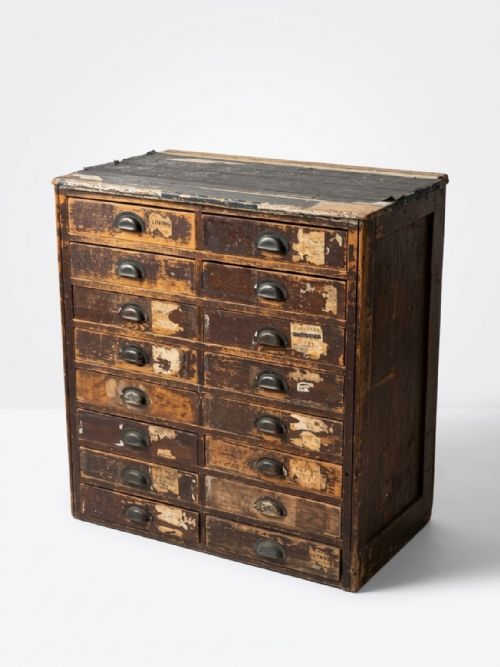
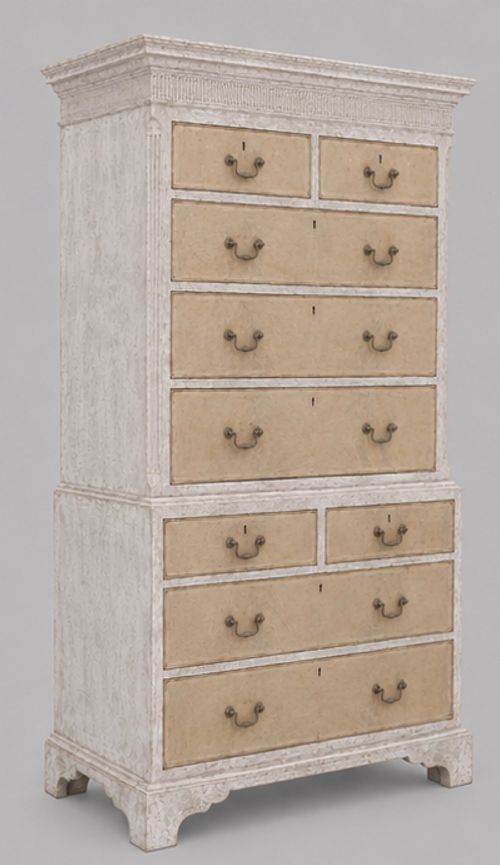
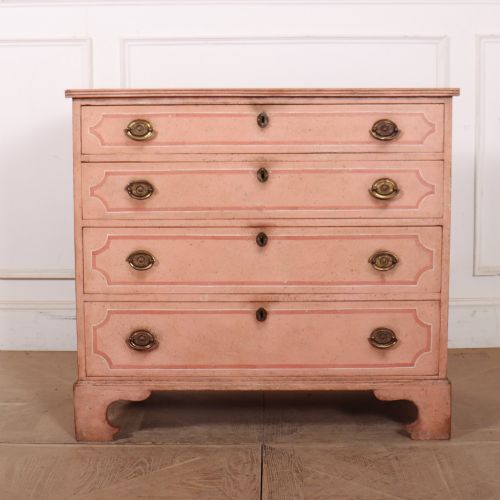
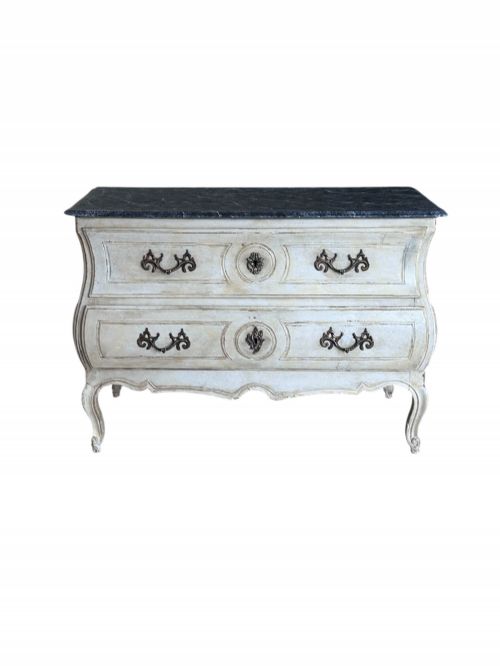
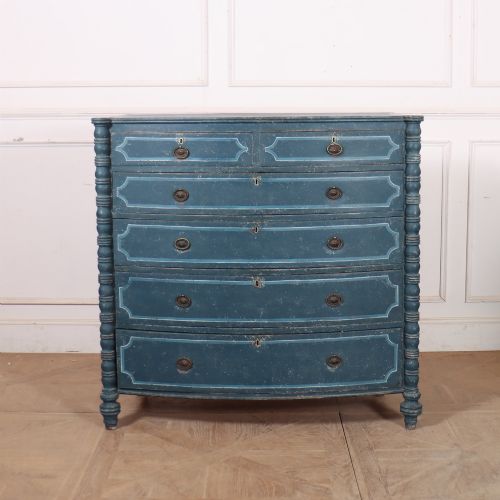
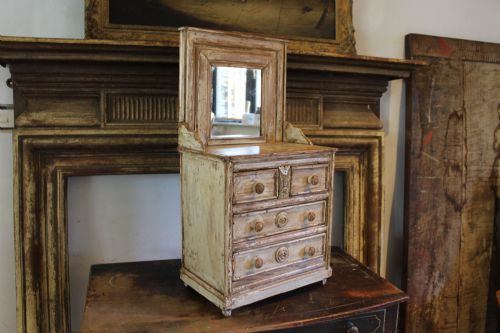
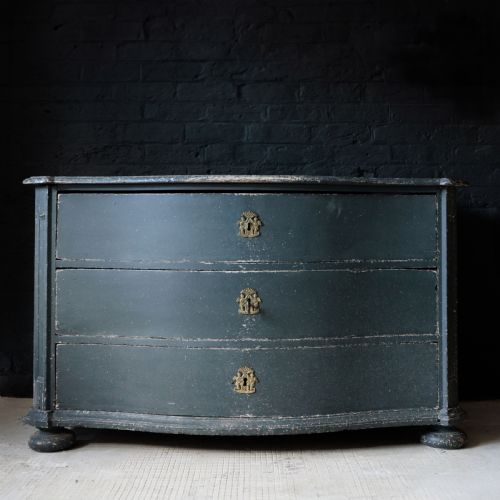


Distressed Wood Chest Drawers
These distressed wood chest drawers bring character and timeworn texture to a room, offering practical storage wrapped in centuries of history.
Distressed Wood Chest Drawers
When you search for distressed wood chest drawers, you encounter storage furniture bearing aged paint, bleached finishes, and weathered timber surfaces. These pieces include full-sized commodes and chests from the eighteenth and nineteenth centuries, alongside smaller apprentice pieces.
The selection ranges from English country pieces to French provincial commodes and Scandinavian painted examples. You are most likely to meet nineteenth-century painted pine chests or eighteenth-century commodes showing layers of historic decoration.
How they were made
Cabinet makers built these pieces using solid timbers like pine, oak, mahogany, and walnut, often applying multiple layers of paint to the exterior surfaces. Drawers feature traditional joinery, sometimes paired with brass hardware.
Some decorative examples incorporate faux marble tops or hand-painted details over the wood, relying on traditional hand tools and period woodworking techniques.
Apprentice chests let young trainees practice grand serpentine curves on a miniature scale before touching a full-sized commode.
What varies in quality
The distinction between ordinary and exceptional pieces lies in the integrity of the timber and the authenticity of the surface finish. Original painted decoration applied centuries ago holds greater interest than later interventions.
Structural refinement also marks the range, from simple provincial pine utility pieces to sophisticated serpentine front commodes with fine proportions and original brasses.
The Distressed Wood Chest Drawers Glossary
- Commode
- A low chest of drawers or cabinet originating in France. They often feature decorative painted surfaces and serpentine fronts.
- Bowfront
- A cabinet front that curves outward in a convex shape. This style appears frequently on nineteenth-century English examples.
- Serpentine
- A front line that curves inward in the centre and outward at the sides. It demands high skill from the cabinet maker.
- Apprentice piece
- A miniature version of a furniture type created by a craftsman to demonstrate skill. These small chests duplicate full-scale construction methods.
Distressed Wood Chest Drawers: Frequently Asked Questions
How do I date a painted chest?
Dating relies on examining the underlying timber construction, nail types, and the composition of the paint layers.
Early pieces show hand-cut timber marks and genuine wear beneath the decorative surface rather than artificial distress.
Are painted commodes strictly French?
While French provincial commodes are common, the tradition spans across Europe including Sweden, Italy, and England.
Swedish and Italian pieces often display distinct colour palettes and regional decorative motifs.
What is a faux marble top?
Cabinet makers sometimes painted wooden surfaces to imitate expensive stone like marble.
This technique provided the grand look of stone while keeping the commode lighter and easier to move.
Where should I place a antique chest?
These chests function well in bedrooms, hallways, or living spaces as focal storage units.
Their weathered wooden surfaces complement both modern and traditional interiors by adding textural contrast.