

Swedish Furniture
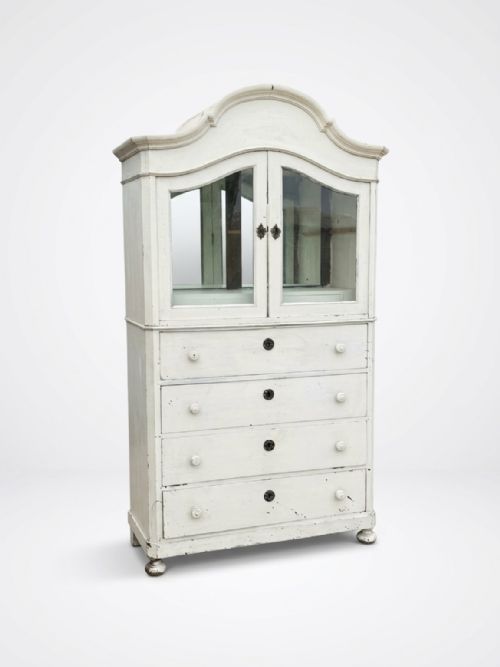
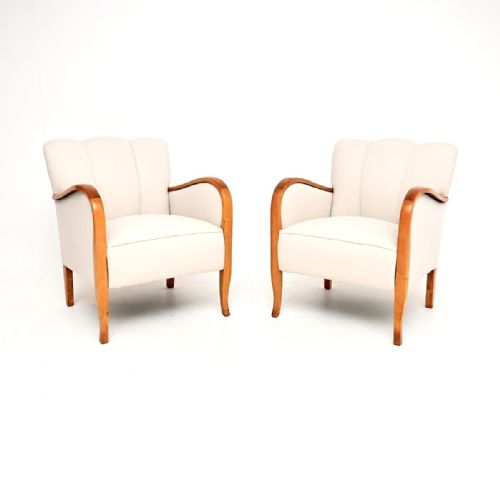
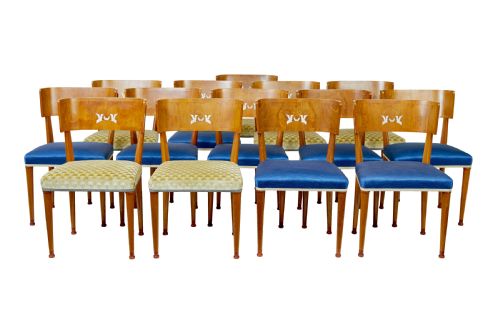
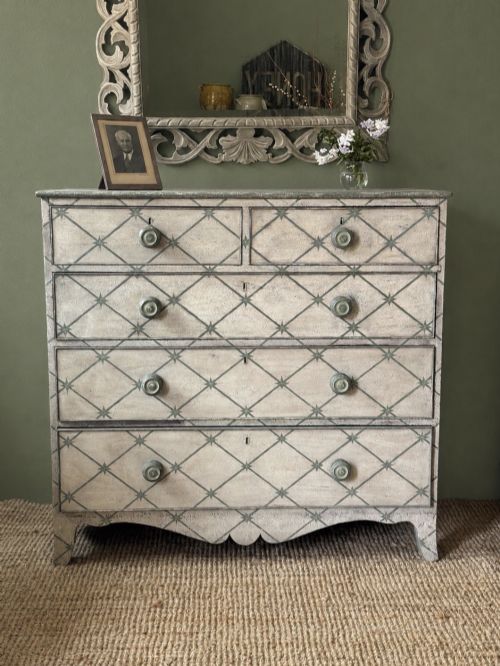
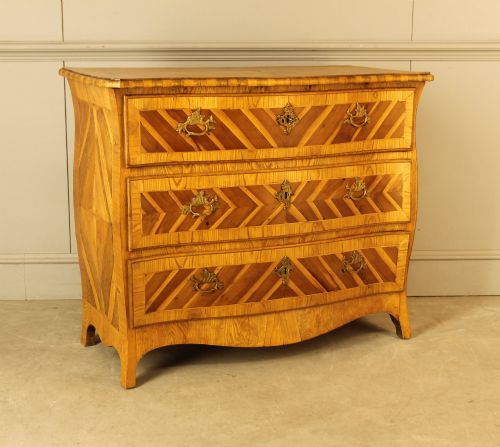
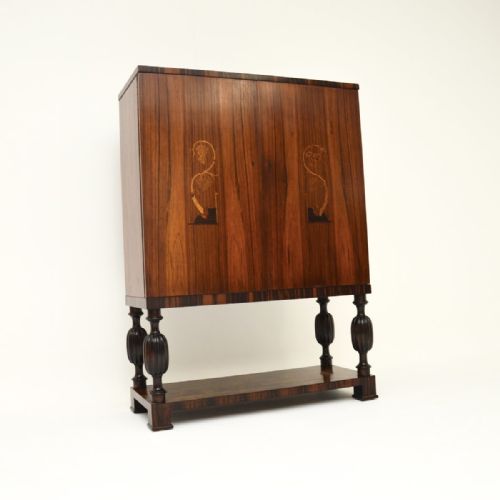
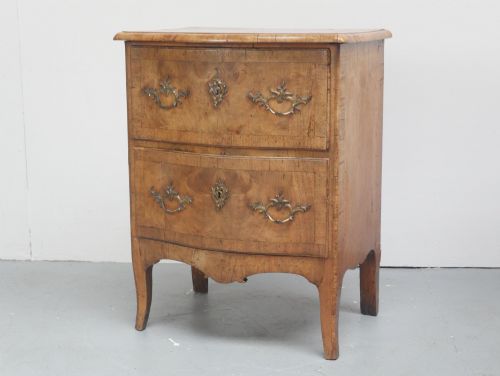
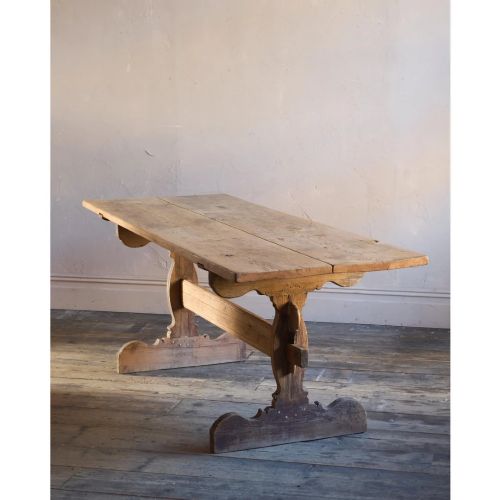
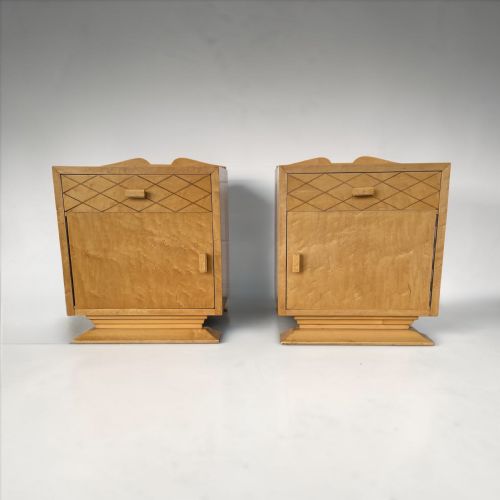
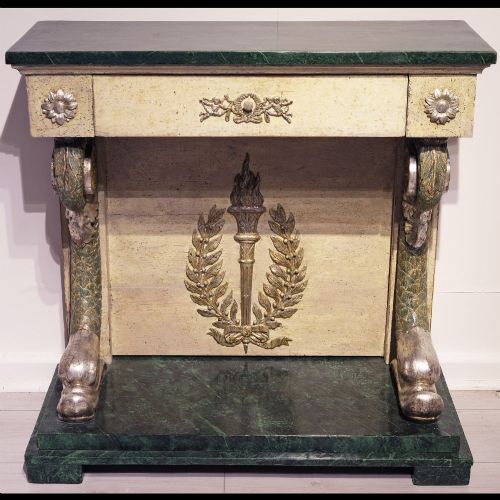
These pieces of swedish antique furniture bring warmth and distinct Scandinavian character into a room through pale timbers and clean lines.
What swedish antique furniture is
When you search for swedish antique furniture, you encounter practical storage pieces, seating and smaller tabletop objects originating from the nineteenth century. The selection ranges from larger chests of drawers and secretaires to compact boxes, benches and stools.
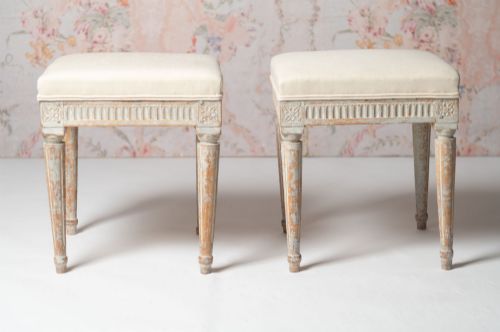
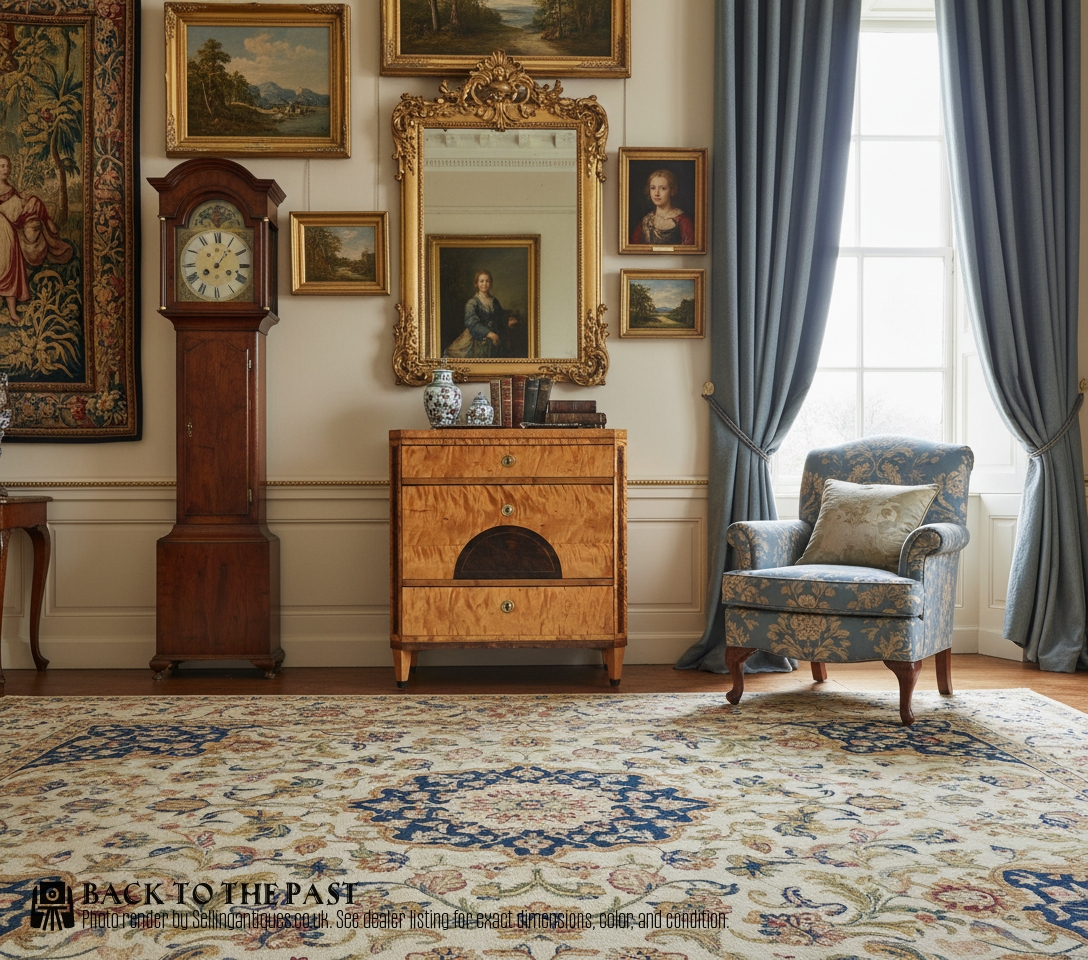
Forms span several distinct regional traditions, including Gustavian restraint, Biedermeier elegance and rural Scandinavian country aesthetics. Each object combines utility with the pale, light-reflecting surfaces characteristic of northern European design.
How they were made
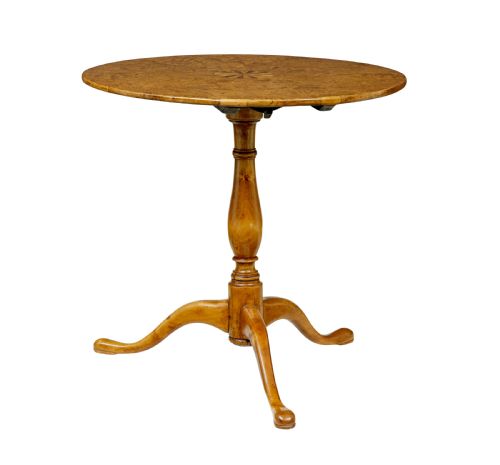
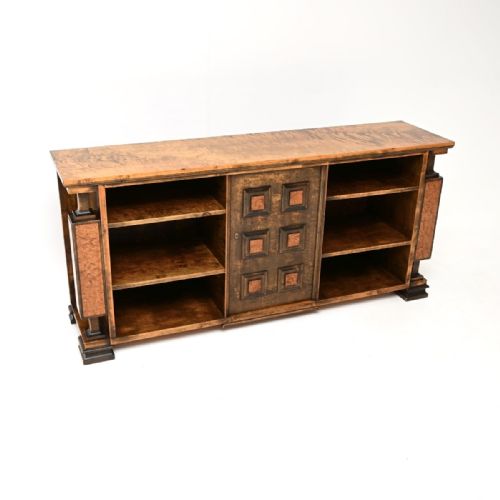
Cabinet makers utilised native northern European timbers such as pine, beechwood and various selections of birch. Distinctive grain patterns appear on pieces fashioned from masur birch, burr birch, satin birch and burr elm.
Construction methods involved traditional joinery suited to both refined cabinet work and robust country carpentry. Surfaces were frequently embellished with wood veneers, intricate inlay work or finished with original painted coatings.
Retail Price Guide 2026
Typical UK retail prices for swedish furniture, calculated from the Sellingantiques database of over a million retail prices indexed since 2003. This retail price guide relies exclusively on Sellingantiques data; no external sources or auction records are used, so the figures do not describe the wider market.
A nineteenth-century child's beechwood bench waits patiently for an owner who appreciates miniature proportions.
What varies in quality
The choice of timber creates a fundamental distinction, separating simple painted pine surfaces from highly figured masur and burr birch veneers. Finer pieces display carefully selected grain patterns that wrap symmetrically around drawers and lids.
The integrity of original painted finishes and delicate inlay work dictates the visual appeal of a piece. Subtle details like brass hardware and the crispness of cabinet construction further define the standard of execution.
The Swedish Furniture Glossary
- Masur birch
- A decorative timber featuring distinctive swirling patterns and dark knots within the grain. This wood was frequently utilised by nineteenth-century cabinet makers to create striking veneered surfaces.
- Secretaire
- A writing cabinet featuring a fall-front or sliding writing surface that conceals small drawers and compartments. These dual-purpose pieces provided both storage and a dedicated desk space.
- Teapoy
- A small stand or box originally designed to hold containers of loose tea leaves. Nineteenth-century examples often feature elaborate wood veneers and fitted internal compartments.
- Gustavian
- A classic Swedish design style characterised by restrained neoclassical lines and light, often painted finishes. This aesthetic emerged during the late eighteenth century and influenced furniture production well into the nineteenth.
- Biedermeier
- A prominent Central and Northern European style focusing on utility, comfort and clean architectural lines. Pieces from this movement often highlight the natural beauty of blonde wood veneers without excessive ornamentation.
Frequently Asked Questions
What periods do these pieces come from?
The available selection consists entirely of items originating from the nineteenth century. This period encompasses the continuation of Gustavian taste and the rise of Biedermeier design.
Craftsmen working during this time produced both refined urban cabinet work and simpler painted country items.
What types of wood were used?
Cabinet makers relied heavily on native Northern European timbers including pine, beechwood and birch. Figured variations like masur birch, burr birch, satin birch and burr elm provided decorative surfaces.
These pale woods contribute to the bright, open appearance typical of Scandinavian interiors.
How do I live with painted pieces?
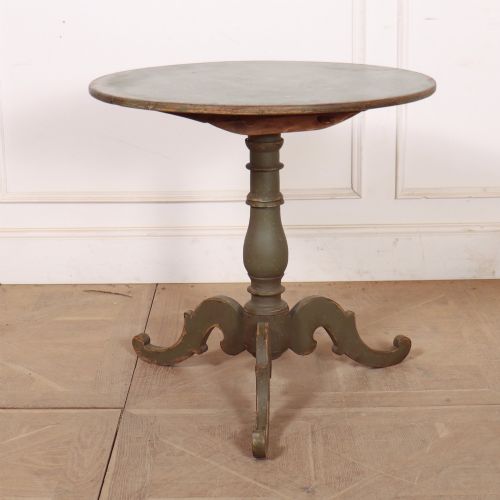
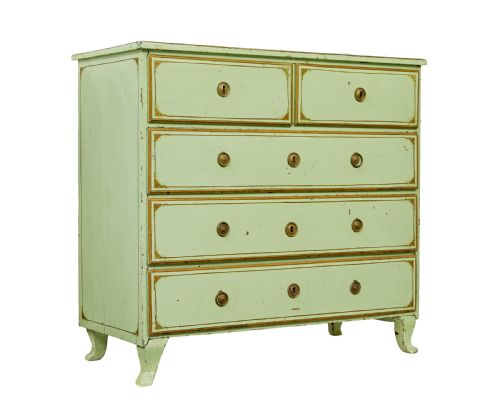
Painted pine cupboards and stools bring a soft, matte texture and historical colour to modern interiors. They work well in living spaces and kitchens where natural wood tones need balancing.
Original painted surfaces require gentle cleaning and protection from direct moisture to preserve their condition.