

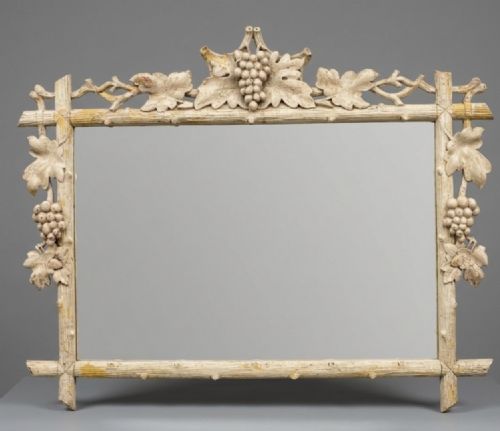

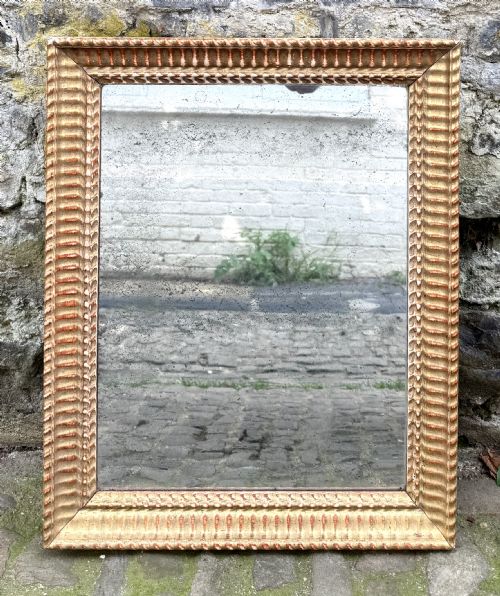
Distressed Wall Mirror
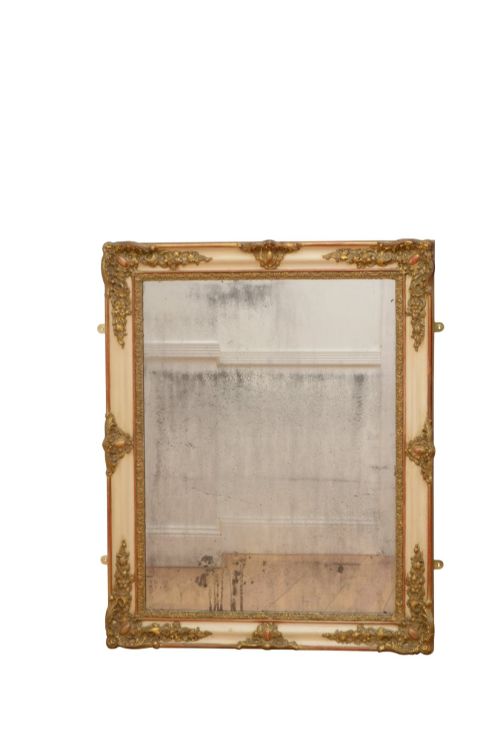
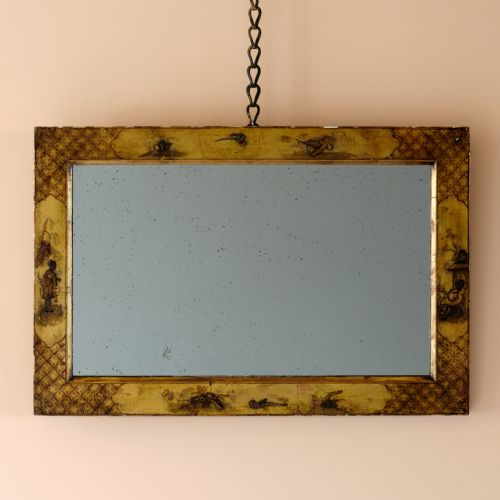
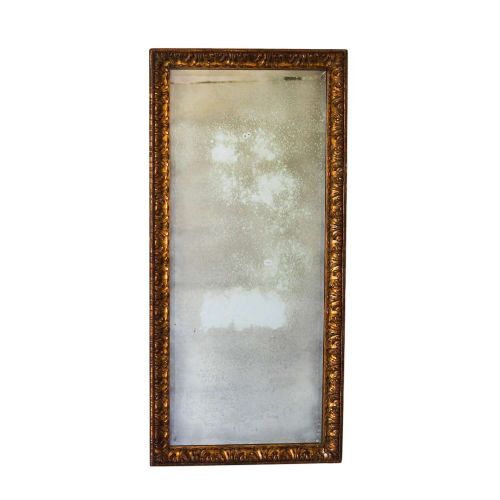
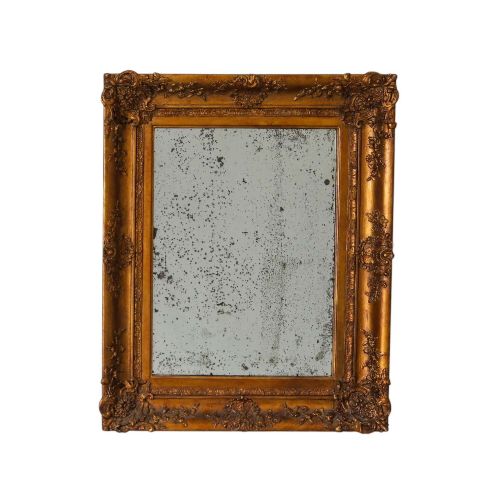
These items offer a distressed wall mirror solution for interiors, combining antique glass and weathered frames to create depth and historical character in a room.
Distressed Wall Mirror
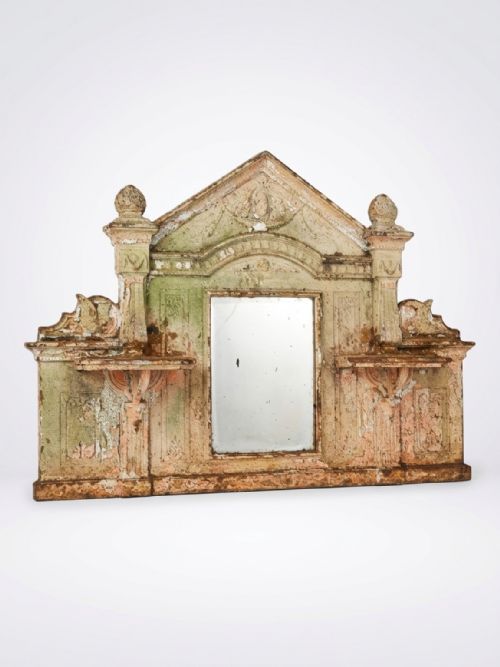
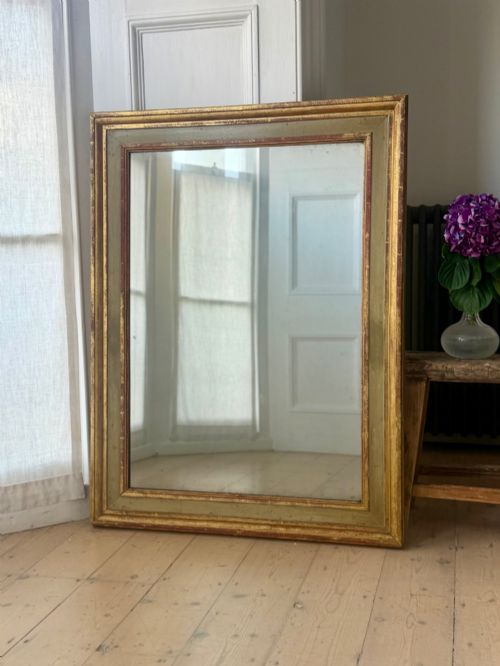
A distressed wall mirror serves as a decorative focal point, bringing aged surfaces and historical charm into contemporary or traditional interiors through weathered frames and plates.
Buyers searching for a distressed wall mirror will find numerous examples originating from nineteenth-century France and England, alongside earlier eighteenth-century Georgian and Italian pieces.
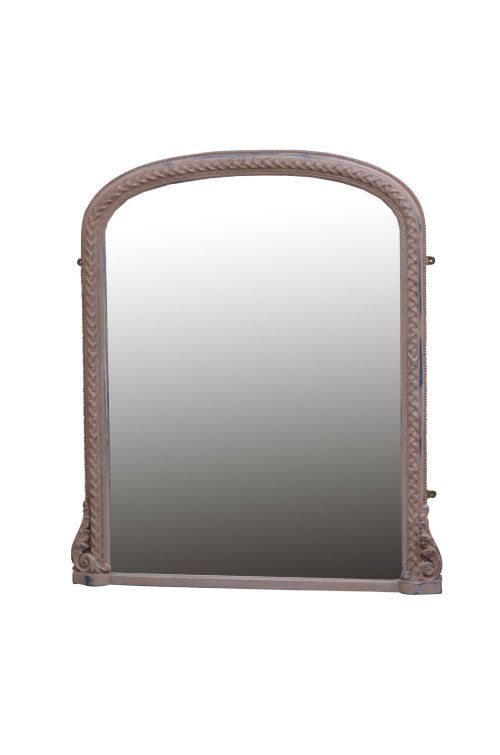
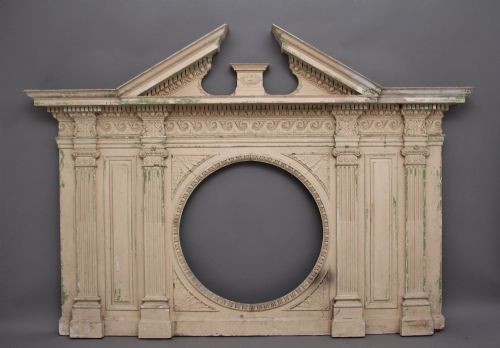
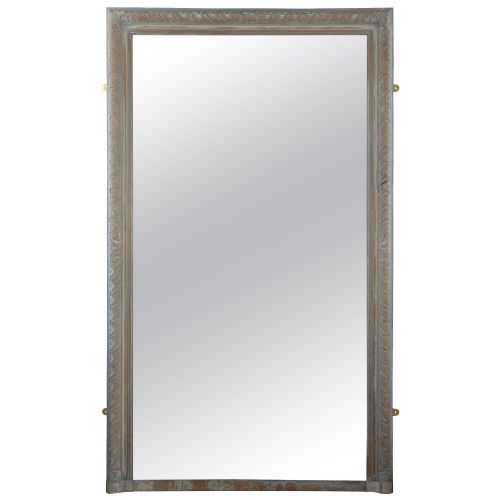
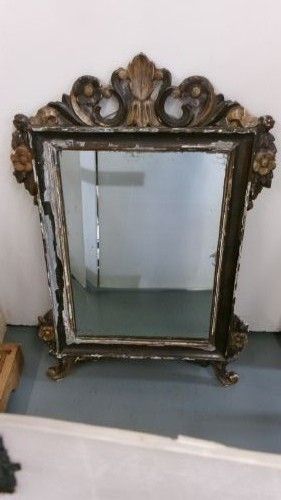
Common forms include large overmantels, pier mirrors, trumeau panels, and smaller carved wooden or gesso frames that show natural degradation over time.
How they were made
Frames rely on carved wood, moulded gesso, and pine, often finished with layers of paint, oil gilding, or gold leaf applied by hand.
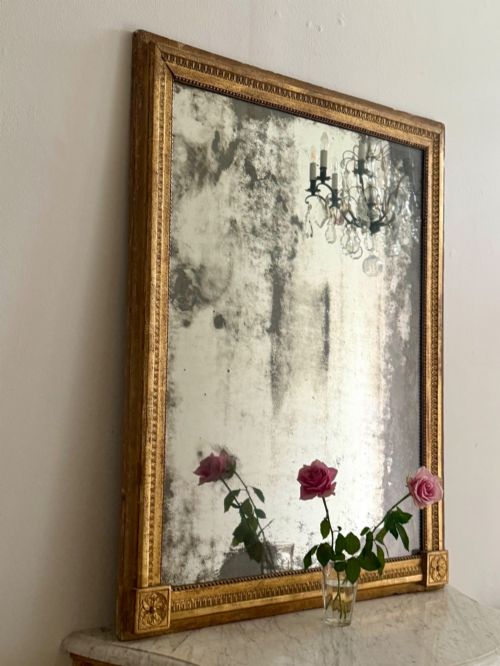
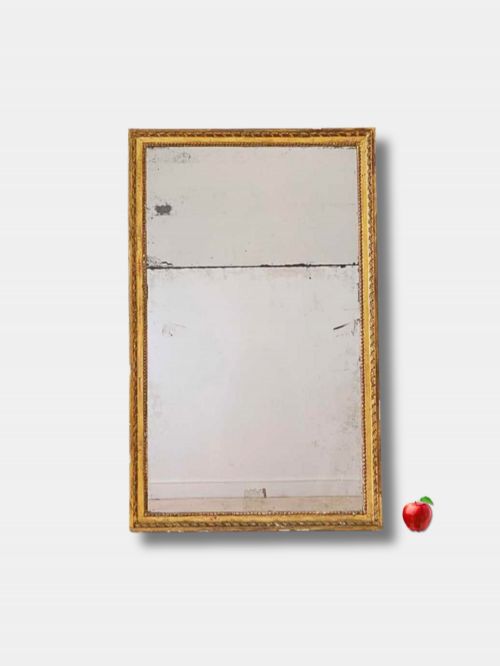
Mirror plates frequently utilise original mercury glass, which oxidises over decades to produce the characteristic foxed spots and darkened patches valued by collectors.
Joinery methods reflect traditional cabinet-making, with pinned corners and secured backing boards supporting heavy glass plates within ornate decorative surrounds.
What varies in quality
The integrity of the original frame carving and the depth of the gesso relief determine the sculptural merit of each piece.
Authenticity of the glass plate distinguishes better examples, as genuine period mercury glass develops a natural, uneven foxing that artificial distressing struggles to replicate.
Charles Nosotti
The Distressed Wall Mirror Glossary
- Mercury glass
- A type of double-walled glass blown with a silvering mixture between the layers, commonly found in nineteenth-century mirrors before safer chemical processes were adopted.
- Foxing
- The speckled, dark oxidation spots that develop on older mirror plates as the reflective backing deteriorates over time. This natural weathering process creates a mottled appearance across the glass.
- Gesso
- A plaster-like mixture applied to wooden frames to create a smooth surface for gilding or painting. Intricate ornamental details are often moulded directly in this material.
- Trumeau
- A decorative wall mirror combined with a painted panel or oil painting above the glass plate. These architectural pieces originated in French interiors during the eighteenth and nineteenth centuries.
- Overmantel
- A large mirror designed to hang specifically above a fireplace mantelpiece. They frequently feature landscape proportions to fit the horizontal space.
Distressed Wall Mirror: Frequently Asked Questions
How do I hang a heavy antique mirror?
Heavy antique mirrors require robust fixings secured directly into wall studs or masonry using appropriate brackets and weight-rated picture wire.
Professional installation is recommended for large overmantel frames due to their substantial weight and the need to distribute the load safely.
Are foxed mirror plates still usable?
Foxed plates provide a soft, atmospheric reflection rather than a crisp, modern image, making them ideal for ambient light and decorative depth.
While they do not function well for detailed daily grooming, they excel at brightening dark corners and adding historical texture to a room.
How do I clean antique glass?
Cleaning requires a soft microfibre cloth and minimal moisture to protect the fragile edges of the mercury backing and the surrounding frame.
Harsh chemical glass cleaners should be avoided entirely, as they can seep behind the plate and accelerate the deterioration of the silvering.
What period is a Louis Philippe mirror from?
Louis Philippe mirrors date from the mid-nineteenth century, characterised by gently rounded top corners and simple, elegant moulded frames.
They bridge the transition between ornate earlier styles and more restrained domestic interior designs of the Victorian era.