
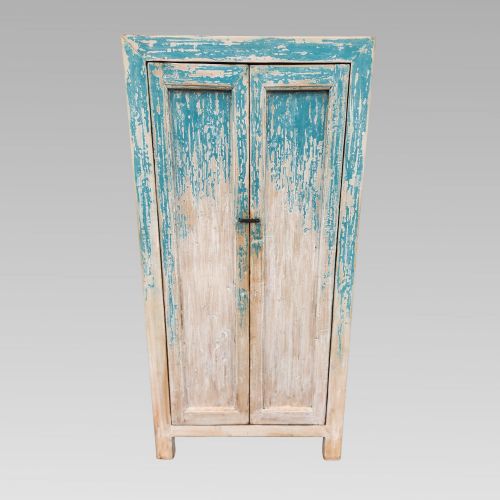
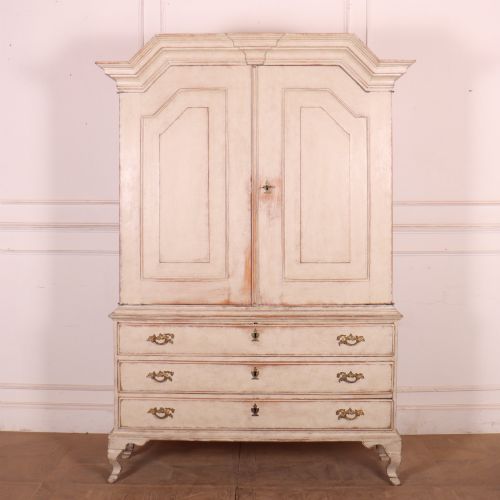


Distressed Painted Wardrobe
These distressed painted wardrobe pieces bring practical storage and aged character to a bedroom, drawn largely from nineteenth and eighteenth century traditions.
Distressed Painted Wardrobe
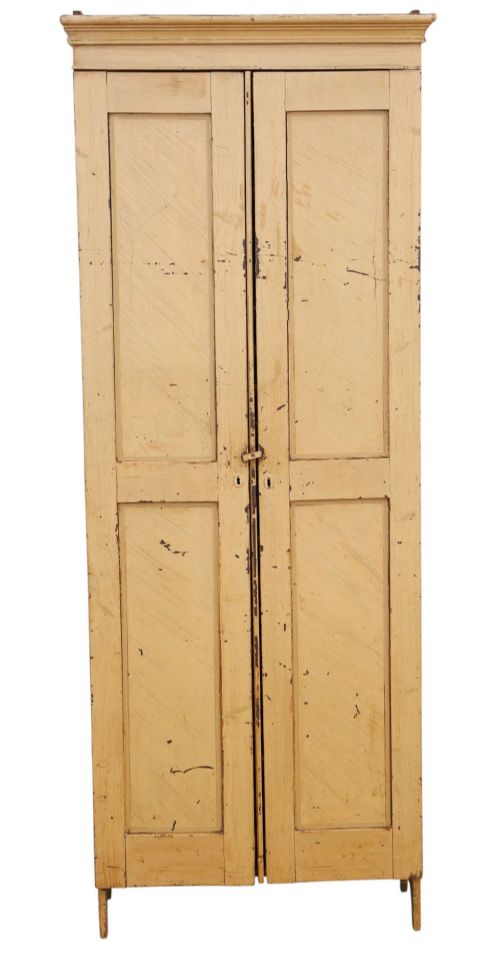
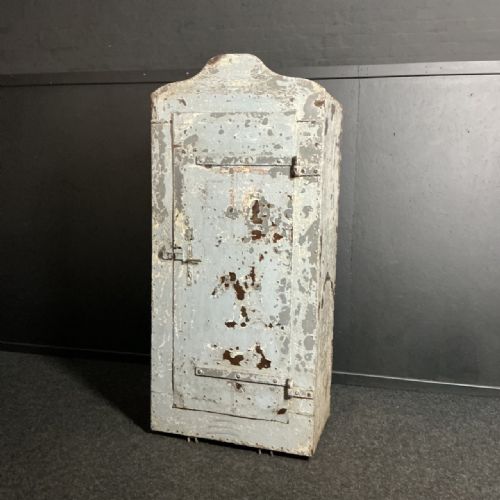
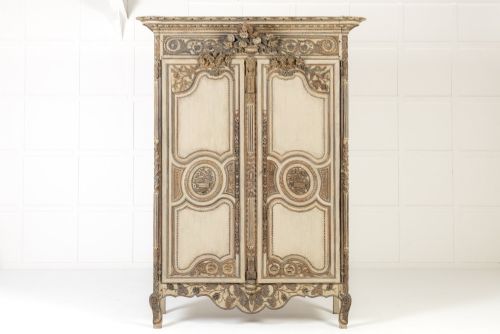
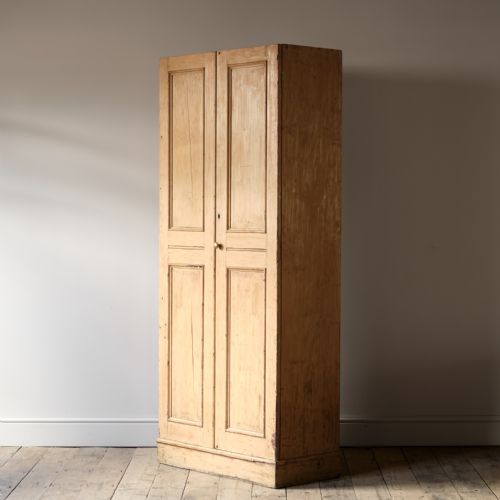
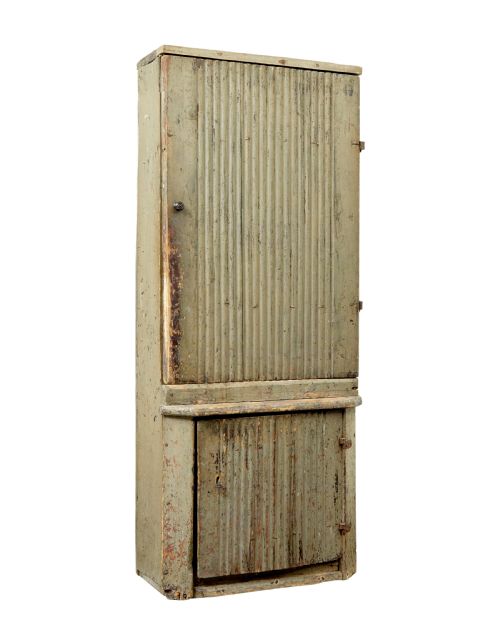
A distressed painted wardrobe search brings up a variety of tall storage furniture, including cupboards, armoires, and housekeepers cupboards. You will find that pine forms the backbone of these listings, often finished in layers of historic or decorative paint.
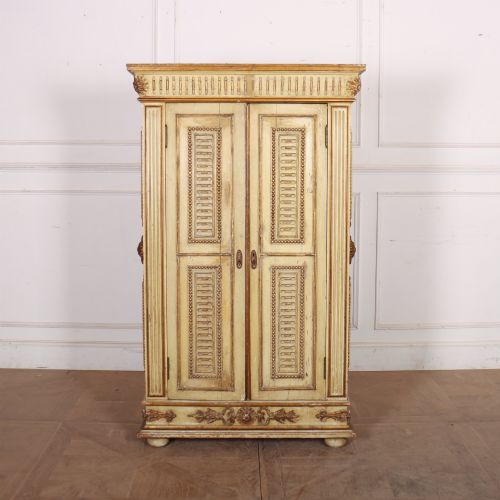
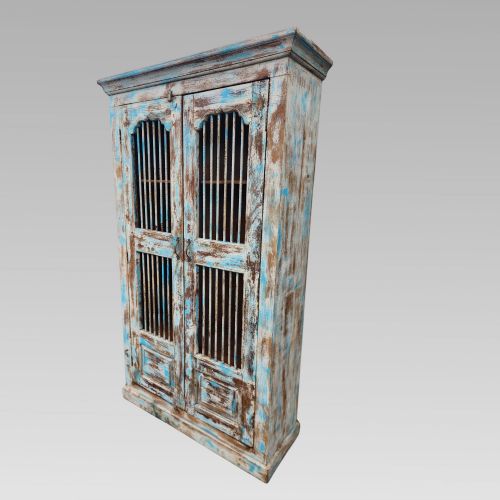
The pieces span several centuries, with nineteenth and eighteenth century examples appearing alongside pieces from the early twentieth century. Regional styles range from Scandinavian and French provincial to Italian country and rustic Indian origins.
Many items function as linen cupboards or general bedroom storage rather than strictly modern clothes hanging spaces. Buyers encounter everything from narrow kitchen cupboards to wide Georgian pine storage units.
Materials and construction
Makers relied heavily on solid pine and other native timbers for carcass construction, applying multiple coats of paint to protect and decorate the wood. Iron and brass hardware, such as hinges and handles, secured the doors and added functional detail.
Surface treatments developed naturally through decades of use or through intentional decorative painting traditions like Gustavian and polychrome finishes. Carpenters joined panels using traditional methods appropriate to the period, accommodating seasonal wood movement.
Distressed Painted Wardrobe Retail Price Guide 2026
Typical asking prices for distressed painted wardrobe among the pieces listed under this phrase on Sellingantiques today, from the lower quarter to the upper quarter. They describe what is for sale here now, not the wider market.
One Indian teak cupboard comes fitted with shelves that have survived a journey across centuries to store folded jumpers.
Judging the standard
Quality rests on the integrity of the timber frame and the authenticity of the painted surface, whether aged naturally or applied in a regional decorative style. Proportion and scale dictate the visual weight of the piece in a room, with finer mouldings and balanced panels distinguishing better examples.
Hardware originality and internal configuration also matter, as fitted shelves or hanging space influence practical daily use. The depth of the paint patina reflects the history of the object and the care taken by past owners.
The Distressed Painted Wardrobe Glossary
- Armoire
- A large wardrobe or cupboard, typically with doors enclosing shelving or hanging space. French examples often feature grand proportions and carved details.
- Housekeeper cupboard
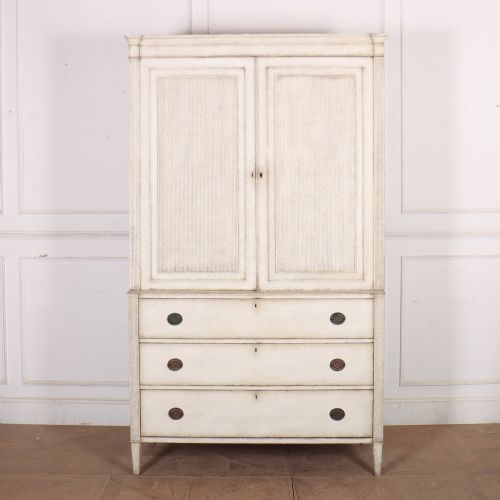
- A large storage piece traditionally used for linens and provisions in a domestic household. These usually combine cupboards and drawers in a substantial pine carcass.
- Polychrome
- Painted in several colours. This finish appears on Italian and continental pieces to create decorative panels or floral motifs.
- Gustavian
- The Swedish interpretation of the French Louis XVI style, known for restrained neoclassical lines and pale painted finishes. It remains a defining look for Scandinavian storage pieces.
- Pine
- A soft timber widely used across European country furniture for its workability and abundance. It takes paint exceptionally well, forming the base of most distressed finishes.
Distressed Painted Wardrobe: Frequently Asked Questions
How do I use a painted cupboard for modern clothes?
Many older cupboards lack deep hanging space, so check the internal depth before planning to store bulky coats or modern suits. Adding a tension rail or using internal shelves for folded garments makes these pieces practical for daily bedroom use.
For deeper armoires, internal layout can often be adapted with removable shelves while preserving the exterior structure and painted finish.
Are these finishes original?
Paint finishes vary significantly, ranging from genuine nineteenth-century layers that have worn naturally over time to later decorative treatments. Listings often distinguish between original surface paint and pieces finished in the Scandinavian or provincial style.
Examining the edges and hardware helps reveal how many layers of paint sit on the timber and whether the distressing reflects genuine age.
How do I date an antique pine cupboard?
Construction joints, backboards, and fastener types offer the clearest clues to age, shifting from hand-forged iron nails in eighteenth-century pieces to later machine-made fixings. Drawer construction and timber shrinkage also help place a piece within the Georgian or Victorian eras.
Stylistic cues, such as neoclassical mouldings or rustic vernacular details, further narrow down the decade of manufacture.
How do I care for a distressed painted surface?
Keep these pieces away from direct sunlight and excessive humidity to prevent the underlying pine from warping and the paint layers from flaking. Dust gently with a dry cloth and avoid modern chemical cleaners that might strip delicate or historic finishes.
Minor scuffs usually blend into the distressed character, requiring no more than occasional microfibre dusting to maintain the surface.