
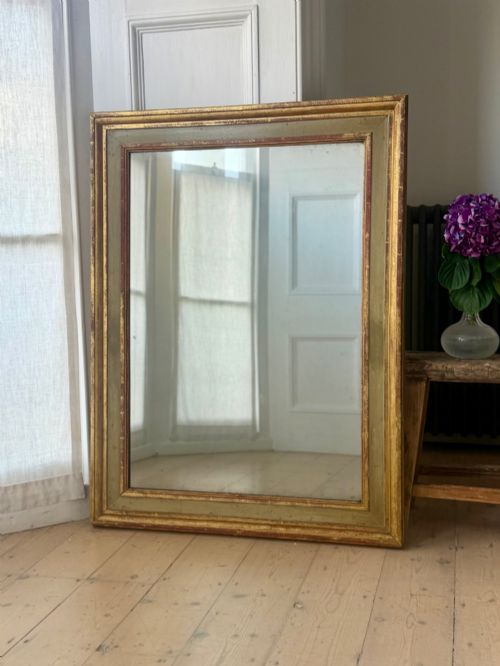
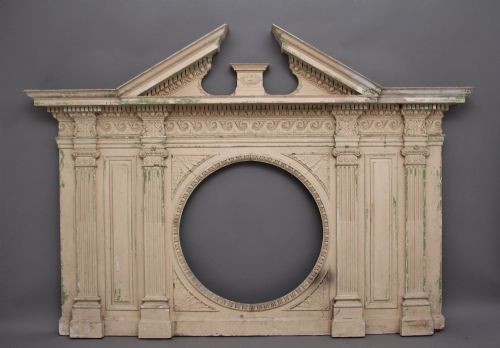


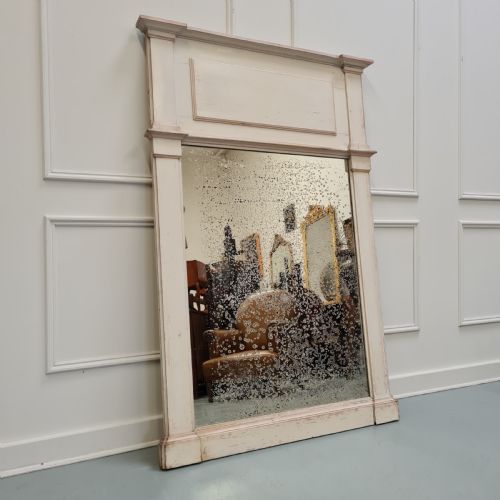


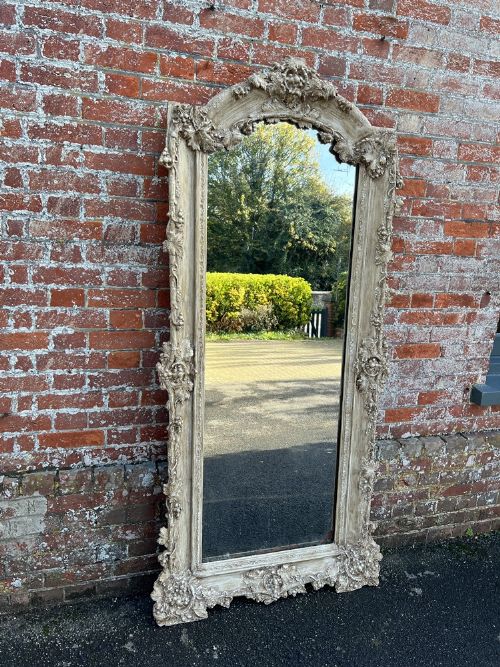


Distressed Painted Trumeau Mirror
These distressed painted trumeau mirror examples bring architectural depth and weathered charm to a room, offering the distinct character of period French interiors.
Distressed Painted Trumeau Mirror
A distressed painted trumeau mirror combines architectural framing with decorative surfaces, functioning as a wall mirror or an overmantel. Buyers searching for a distressed painted trumeau mirror generally encounter pieces originating from France, spanning the eighteenth century through to the early twentieth century.
The form typically incorporates carved wood, gesso, and painted finishes that show legitimate age and wear. Common variations on this page include pier mirrors, column-framed designs, and shaped-top panels set with mercury glass.
Materials and construction
Carved wood and gesso form the structural base of these frames, providing the foundation for intricate moulding and relief work. Artisans applied layers of paint and sometimes giltwood accents over the gesso, which naturally crack and flake over decades of use.
Mercury glass plates, notable for their mottled reflectivity and dark pooling, appear frequently within the older examples. The joinery relies on traditional carpentry methods suited to large wall-hanging formats and heavy overmantels.
Listings feature periods from the 18th Century through to 1920, with materials including mercury glass, gesso, giltwood, and painted pine.
Judging quality and craftsmanship
The depth and precision of the carved wood ornamentation dictate the upper tier of quality. Finer examples display crisp relief work in the gesso and balanced proportions across large formats.
The integrity of the original painted surface also determines value. Untouched patination with natural chipping outranks later overpainting or heavy restoration.
The Distressed Painted Trumeau Mirror Glossary
- Trumeau
- An architectural wall panel or pier glass designed to fit the space between windows. These mirrors often incorporate decorative painted panels or carvings above the glass.
- Mercury glass
- A type of double-walled blown glass created by pouring a silvering mixture between the glass layers, producing a mottled, atmospheric reflection.
- Gesso
- A plaster-like mixture applied to wood frames to create a smooth surface for painting or gilding. It allows for intricate relief carving and moulding.
- Overmantel
- A large mirror or painting specifically proportioned to hang on the wall above a fireplace mantel. They often feature elongated horizontal or vertical formats.
- Pier mirror
- A tall mirror designed to hang on the narrow pier of wall between two windows. These pieces frequently feature column framing.
Distressed Painted Trumeau Mirror: Frequently Asked Questions
Where should I hang a trumeau mirror?
These mirrors suit locations above a fireplace mantel or positioned on a prominent wall between windows. Their vertical height helps to reflect light and visually expand the room.
Ensure the wall construction supports the substantial weight of carved wood and gesso frames. Professional mirror brackets provide the necessary security for heavier overmantel formats.
How do I identify mercury glass?
Mercury glass reveals itself through uneven reflectivity, dark spots, and a cloudy depth behind the surface. This appearance stems from the historic silvering process rather than modern vacuum deposition.
Original plates often show subtle foxing and age spots around the edges where the seal has degraded over time.
What period do these mirrors come from?
The selection primarily dates from the nineteenth century, with occasional examples from the eighteenth and early twentieth centuries. French Neoclassical, Louis XV Rococo, and Empire styles dominate the design vocabulary.
Carving details and frame profiles help distinguish the earlier eighteenth-century pieces from later nineteenth-century interpretations.
How do I care for the distressed paint?
Maintain the surface by dusting gently with a dry, soft cloth to avoid disturbing fragile gesso or flaking paint. Avoid liquid cleaners, modern polishes, or abrasive materials that strip the historic patination.
Stable indoor humidity prevents further cracking or shrinkage in the underlying wooden frames.