

Overmantel Trumeau Mirror
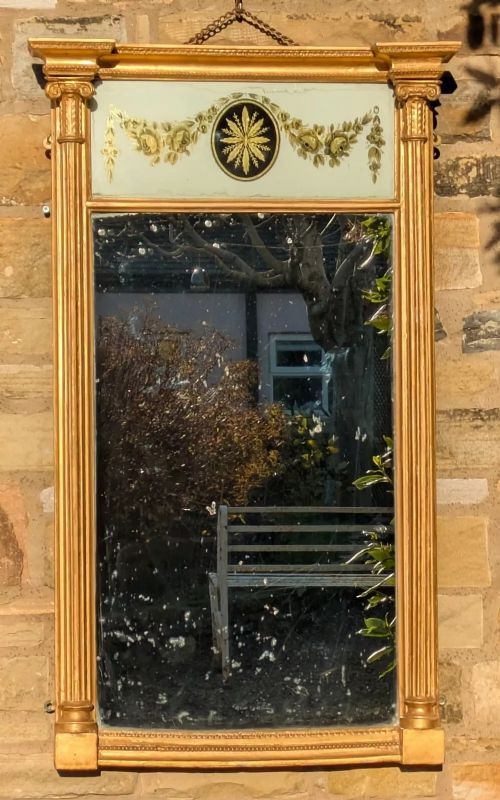
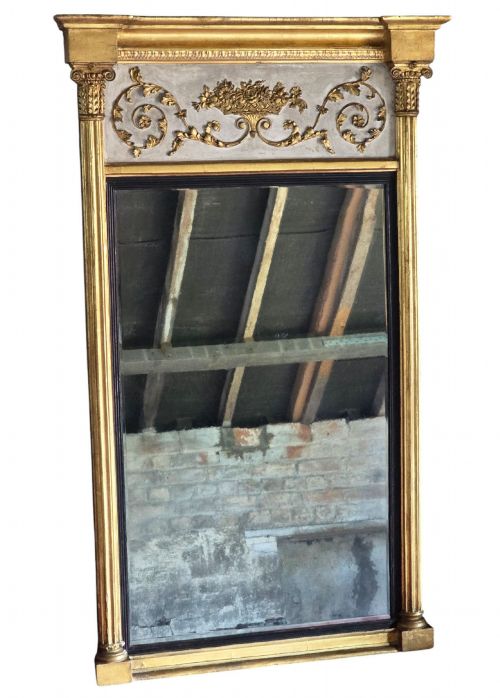
An overmantel trumeau mirror brings architectural scale and integrated artwork into a room, combining a large wall glass with classical paintings or decorative panels.
Overmantel Trumeau Mirror
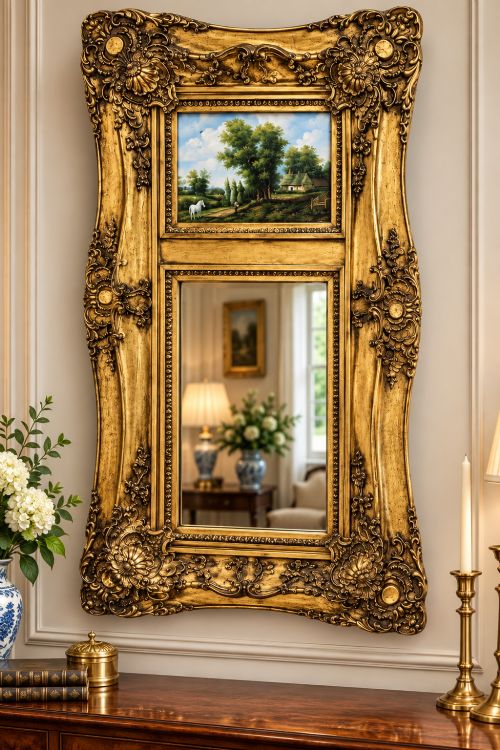
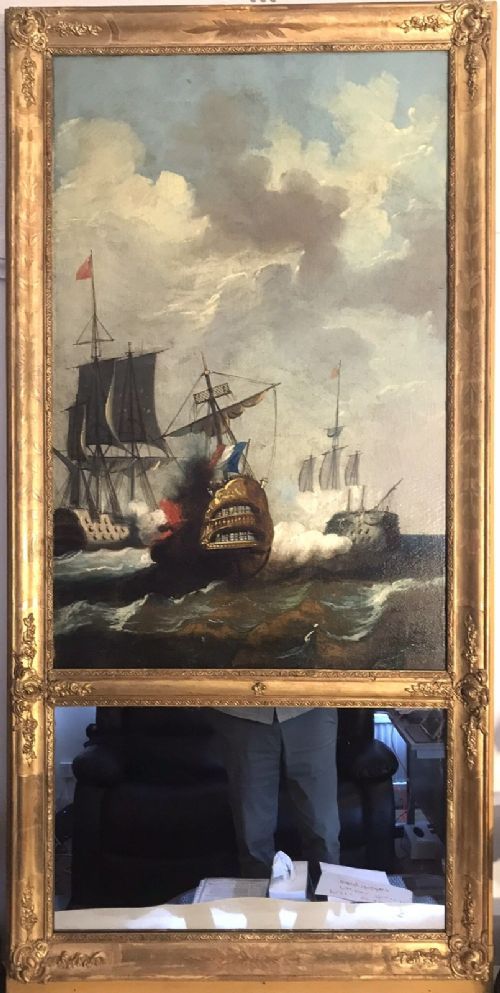
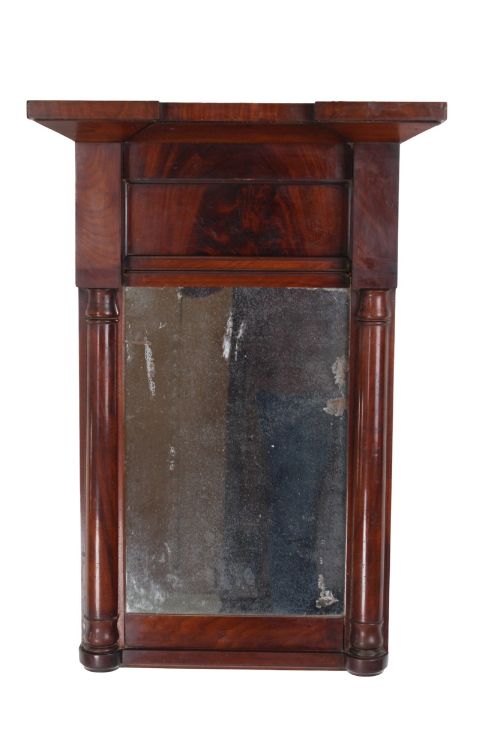
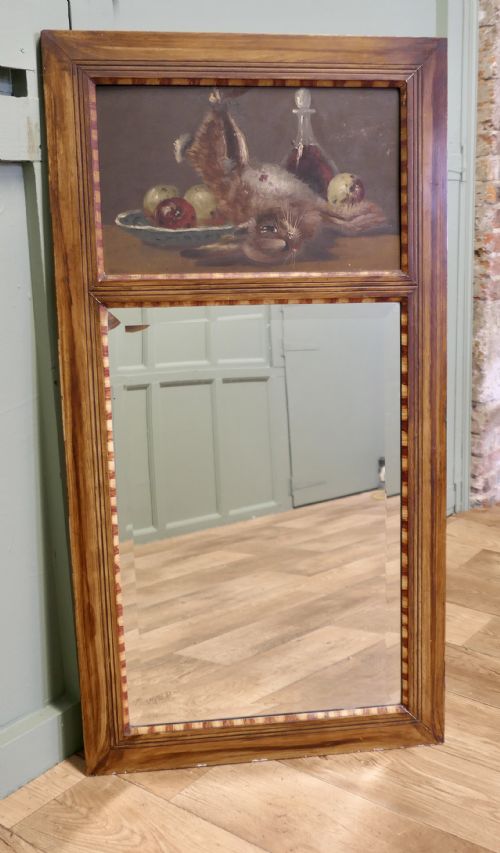
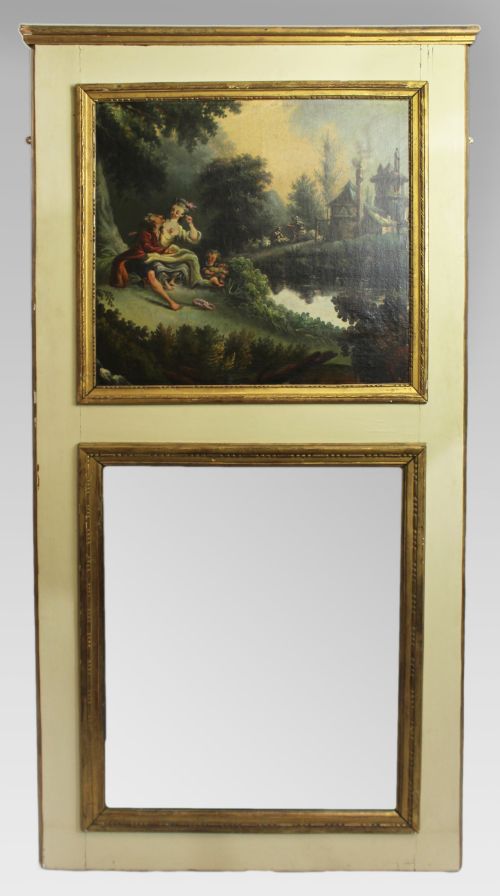
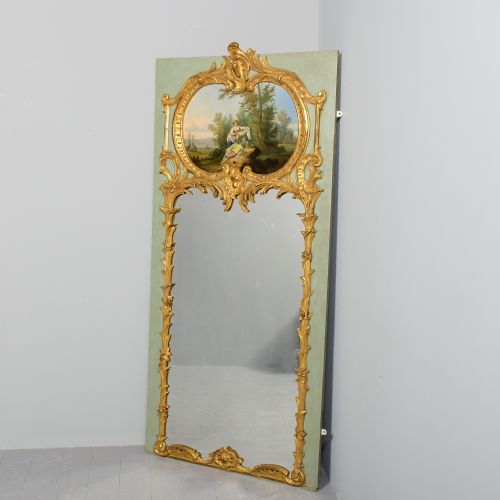
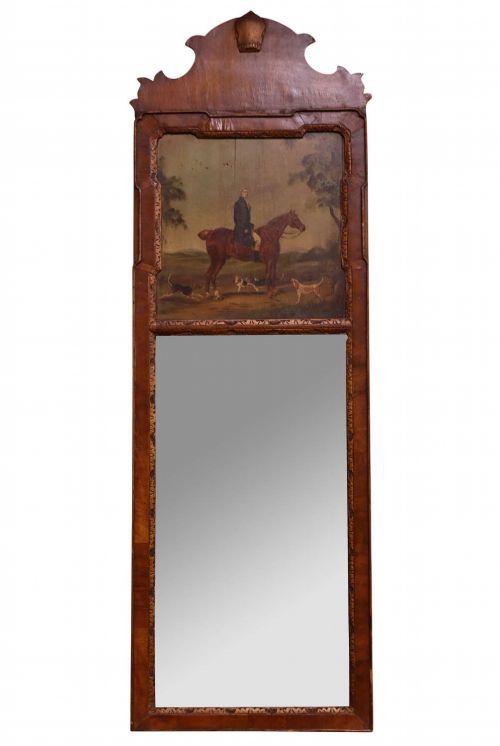
An overmantel trumeau mirror combines a grand wall glass with a decorative upper section, frequently incorporating oil paintings, pastoral scenes, or gilded panels. Buyers seeking an overmantel trumeau mirror often encounter tall French provincial and Regency examples designed to mount directly above a fireplace mantel.
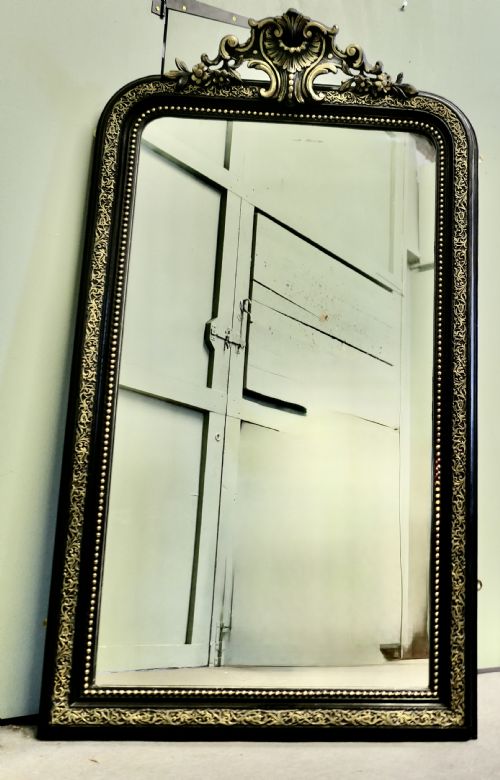
The form bridges architectural panelling and furniture, functioning simultaneously as a functional looking glass and a decorative overmantel or pier mirror. Pieces span periods from the eighteenth century through the nineteenth century, reflecting French chateau, Louis XVI, and Empire design influences.
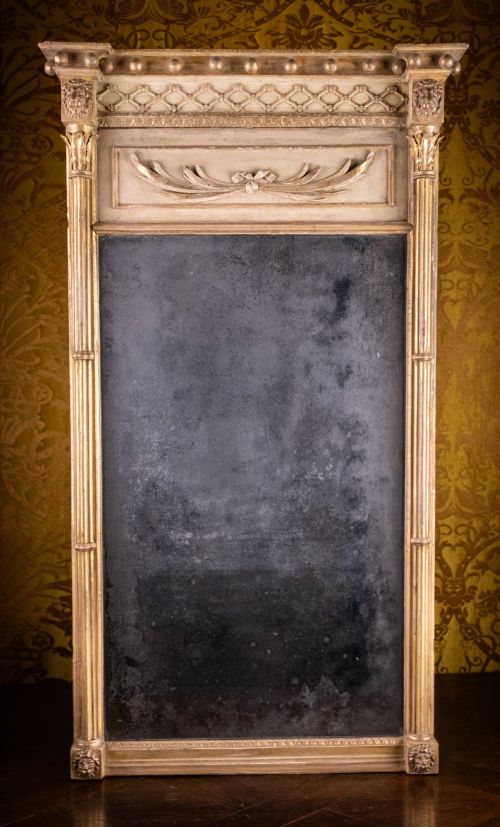
Many specimens integrate original mercury glass plates alongside pastoral, seascape, or equestrian oil paintings set directly into the wooden frame above the reflective surface. Proportions tend toward grand vertical scales intended to draw the eye upward in high-ceilinged reception rooms.
How they were made
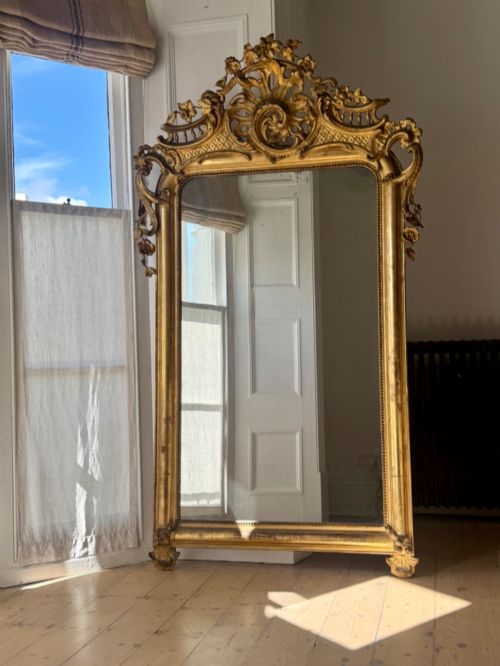
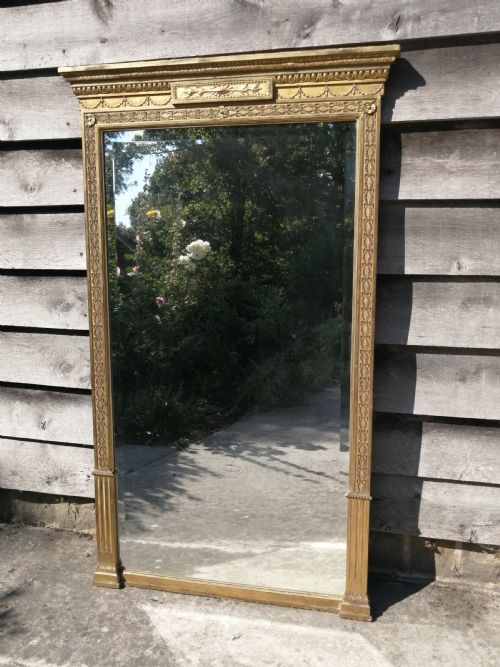
Frames rely upon carved wood, gesso, and pine foundations finished with gold leaf, paint, or giltwood applications to achieve rich surface textures. Craftsmen built structural housings to support heavy glass plates alongside upper panels decorated with oil paint or verre églomisé techniques.
Reflective surfaces utilise traditional mercury glass or early silvered plates held within rebated frames secured by wooden backboards. Decorative embellishments incorporate applied wood carvings, lion masks, or columns executed in styles ranging from French Rococo to Egyptian Revival.
The inventory records regional styles spanning French Chateau, Empire, Rococo, Georgian, and Queen Anne Revival forms.
What varies in quality
The distinction between standard examples and finer pieces rests upon the execution of the integrated oil painting and the crispness of the carved gesso ornament. Superior specimens retain their original mercury glass plates and untouched hand-carved giltwood frames without heavy overpainting.
Proportion and scale dictate desirability, with grander Georgian and French Empire models demonstrating superior joinery and balanced composition between the mirror plate and the upper decorative panel. Original gilding condition and the survival of secondary painted elements significantly influence the character of each piece.
The Overmantel Trumeau Mirror Glossary
- Trumeau mirror
- A wall mirror featuring an upper panel decorated with a painting or carved motif, historically designed to fit into wall panelling between windows.
- Overmantel mirror
- A wide mirror specifically proportioned to hang on the wall directly above a fireplace mantelpiece.
- Verre églomisé
- A cold decoration technique where design elements are gilded and painted onto the reverse side of glass panels.
- Giltwood
- Timber that has been decorated with a thin layer of gold leaf applied over a prepared gesso ground.
- Pier mirror
- A tall vertical looking glass designed to hang on the narrow pier of wall space situated between two windows.
Overmantel Trumeau Mirror: Frequently Asked Questions
Where should an overmantel trumeau mirror hang?
These mirrors hang traditionally on the chimney breast directly above a fireplace mantel to reflect light and anchor the room's proportions.
They also function effectively on tall expanses of wall between windows or above low sideboards where vertical height adds architectural presence.
How do I identify mercury glass?
Mercury glass displays a characteristic dark, mottled backing with irregular reflection depths and occasional small dark spots beneath the surface.
Older plates produced before the mid-nineteenth century lack the uniform, flawless silver coating found in modern mirrors.
Can these mirrors stand on the floor?
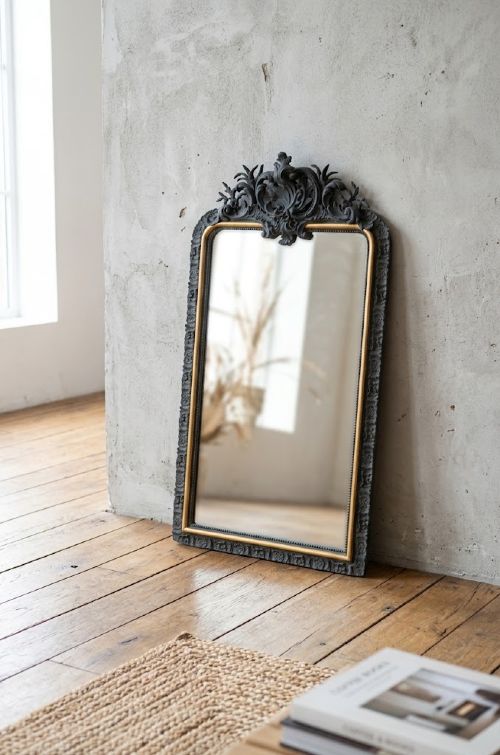
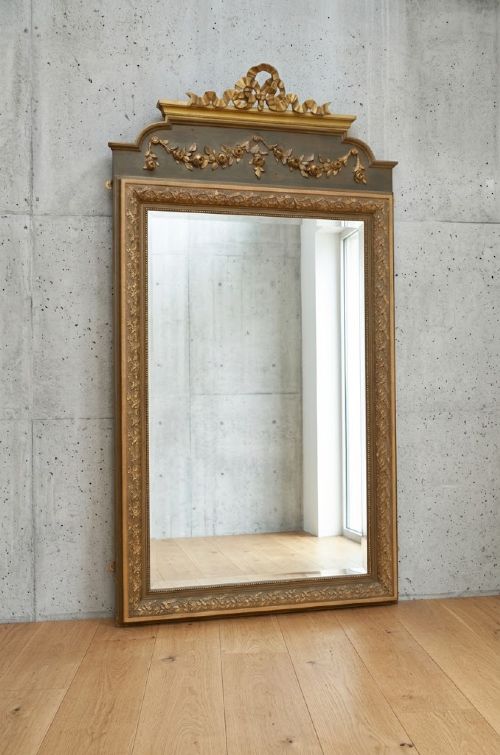
Larger examples with substantial wooden frames frequently rest directly on the floor while secured securely to the wall for stability.
Resting them against a wall creates a relaxed architectural statement common in period interior schemes.
What is the difference between Regency and Louis XVI styles?
Regency frames often incorporate bold carved elements like lion masks, mahogany timbers, and classical columns reflecting early nineteenth-century British tastes.
Louis XVI style pieces emphasise restrained symmetry, pastoral oil paintings, and delicate ribbon crests drawn from French neoclassical design.