

Distressed Painted Commode
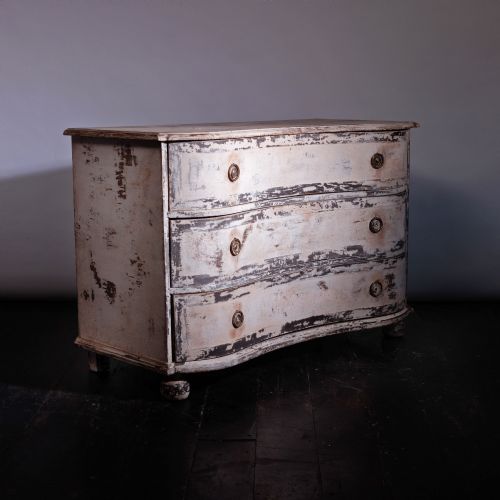
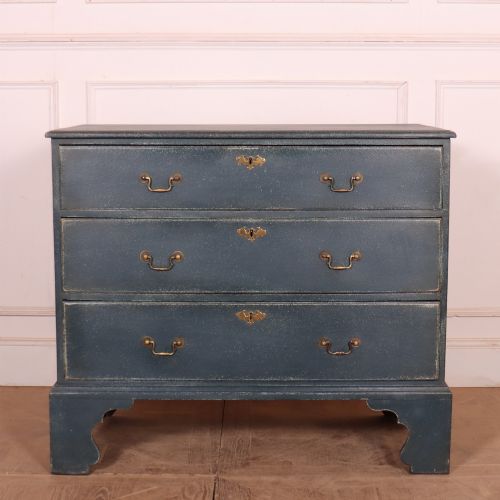
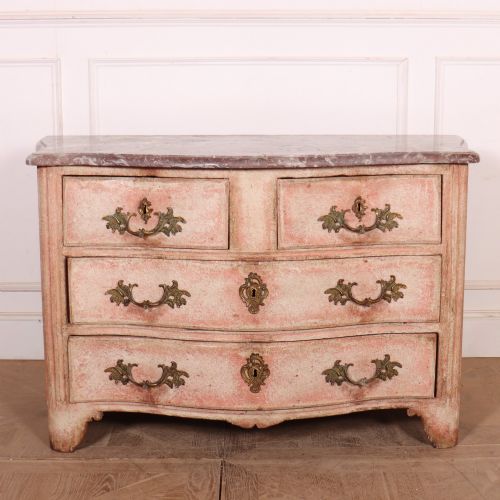
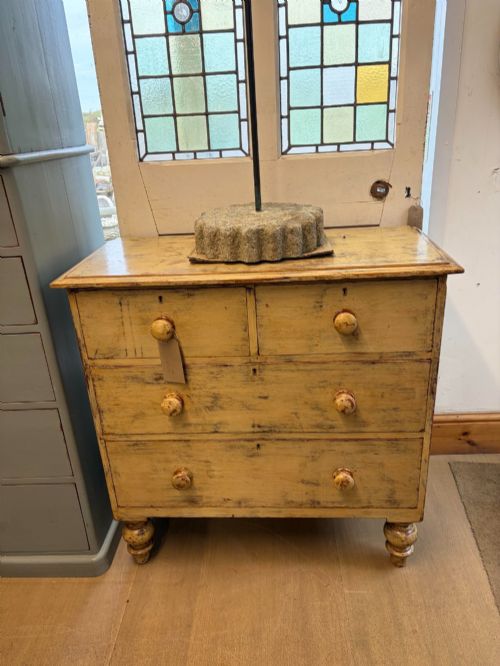
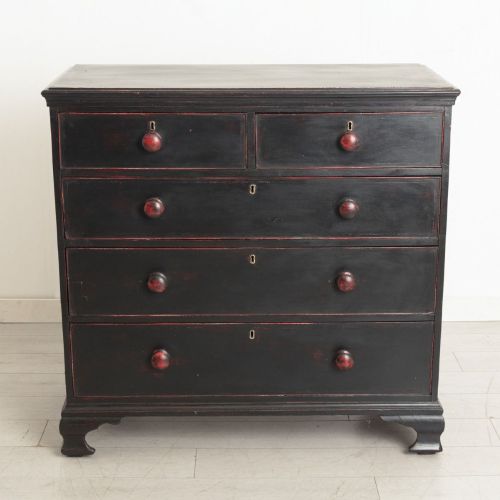
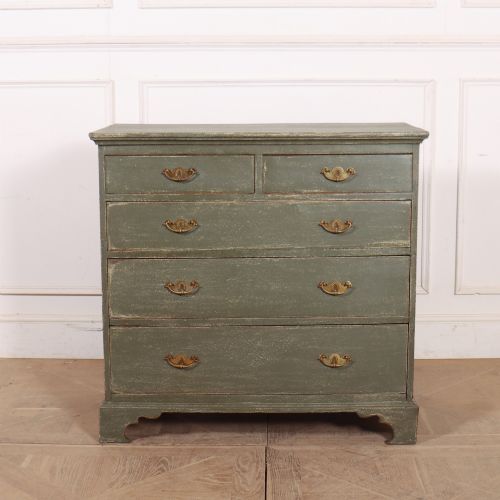
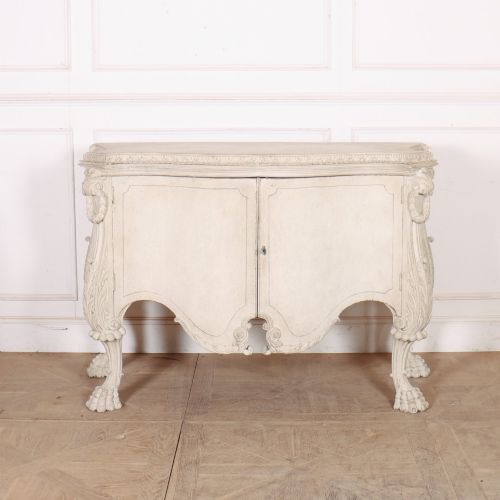
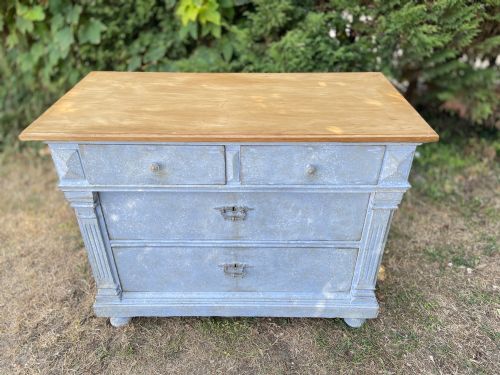
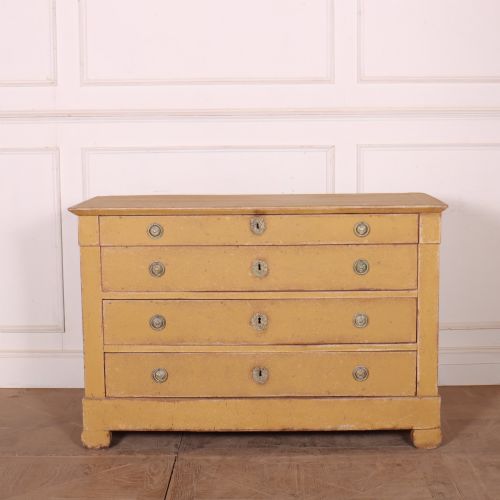
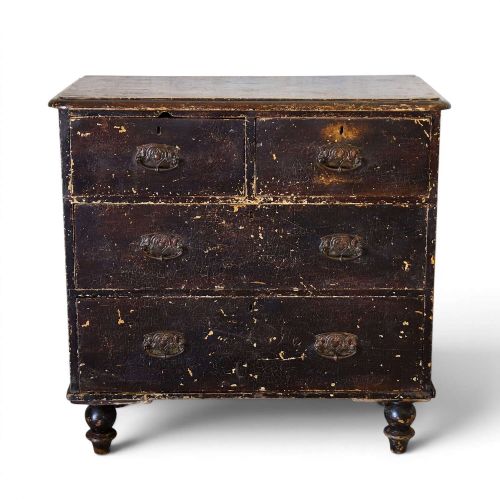
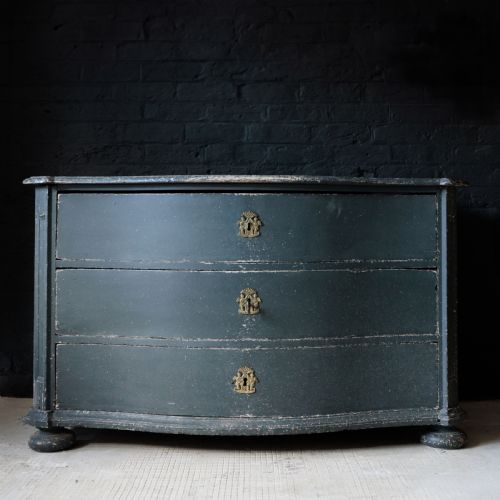
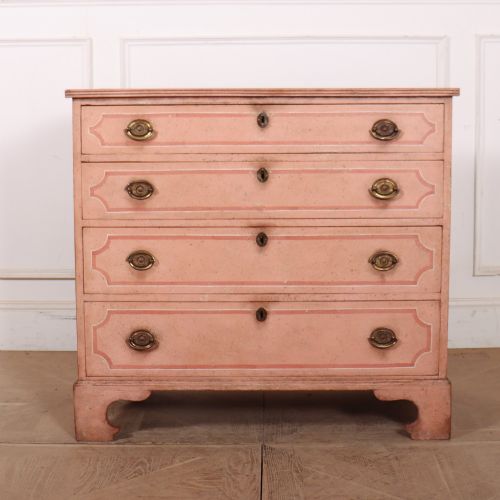
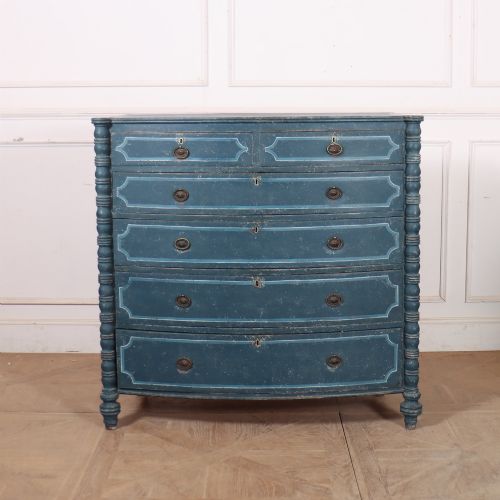
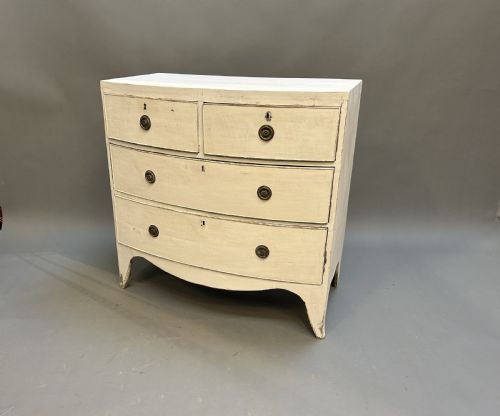
A distressed painted commode brings rustic European character into a room with weathered surfaces and generous storage drawers.
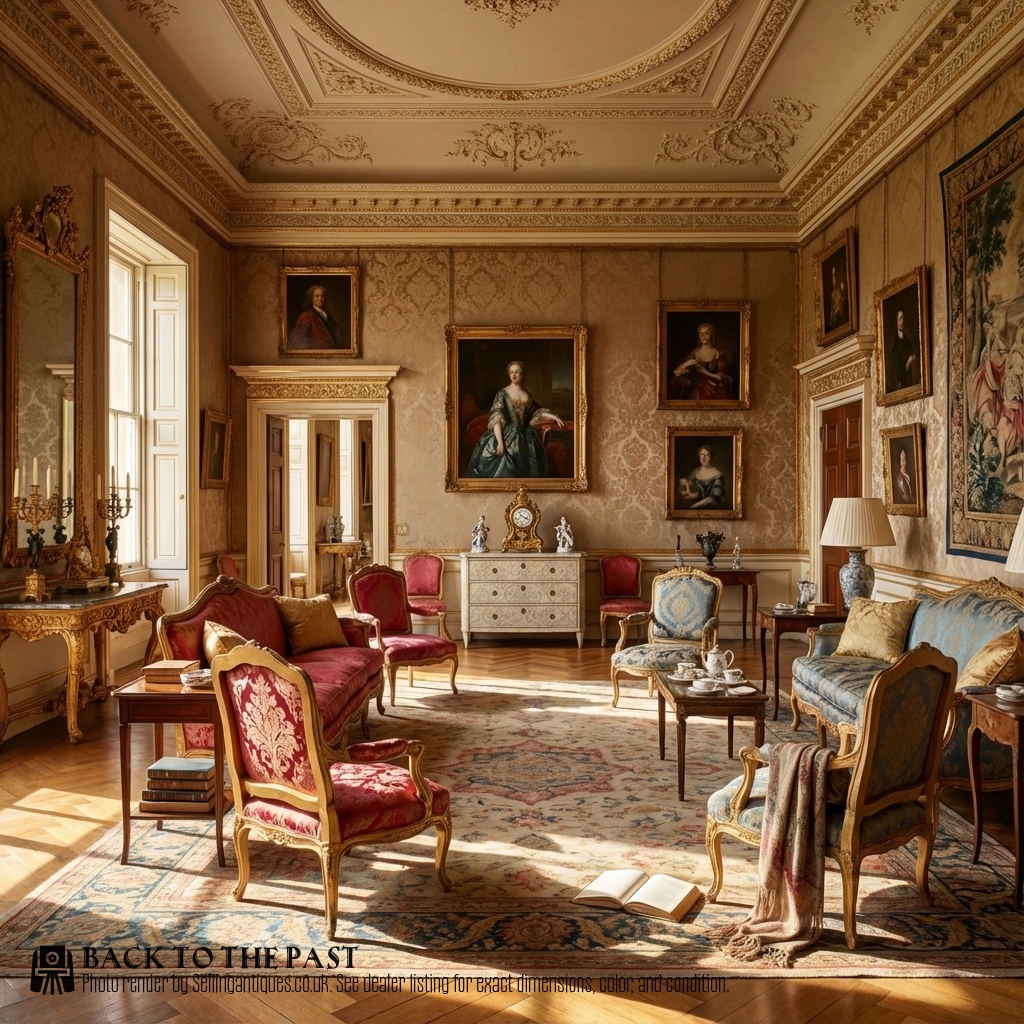
Distressed Painted Commode
A distressed painted commode search reveals robust timber chests of drawers and side cabinets originating from various European regions and domestic English workshops. These pieces span centuries of cabinet-making, featuring notable provincial styles from France, Italy, Sweden, Germany and Denmark alongside Victorian and Georgian examples.
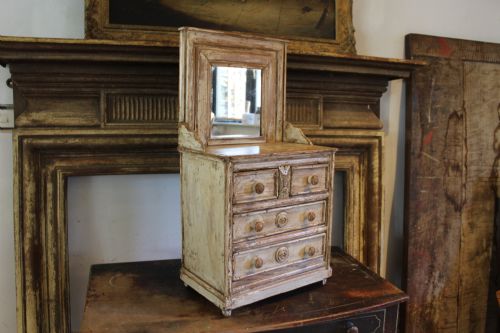
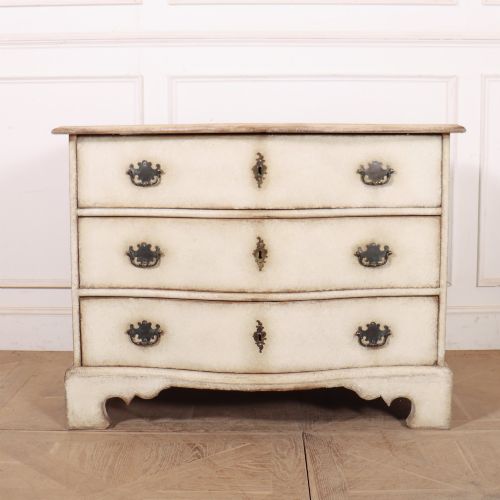
Buyers frequently encounter Continental forms such as Gustavian commodes, serpentine fronts, and French provincial designs alongside sturdy English and Scandinavian pine chests of drawers. Smaller variations include miniature apprentice chests and bedside tables, all united by aged painted finishes.
Materials and Construction
Cabinet-makers relied principally on timber such as pine, oak, and general wood substrates to construct the carcasses and drawer fronts of these storage pieces. Metal and brass hardware added functional detailing, while occasional marble tops provided durable and decorative surfaces.
Traditional layers of paint, including brown scumble finishes, define the external appearance, often applied over decades of use that naturally created the weathered texture. Carved elements and fluted drawer fronts appear on select pieces, demonstrating regional woodworking traditions.
Distressed Painted Commode Retail Price Guide 2026
Typical asking prices for distressed painted commode among the pieces listed under this phrase on Sellingantiques today, from the lower quarter to the upper quarter. They describe what is for sale here now, not the wider market.
Apprentice pieces allowed young woodworkers to prove their skill by building tiny, perfectly proportioned chests that fit entirely on a workbench.
Evaluating the Pieces
Quality rests in the integrity of the original timber construction and the authenticity of the aged paint surface. Pieces retaining their early or original decorative paint finishes hold greater interest than later repainted versions.
Structural refinement distinguishes finer examples, visible in well-executed serpentine or breakfront shapes, carved detailing, and well-fitted drawers that operate smoothly within the chest frame.
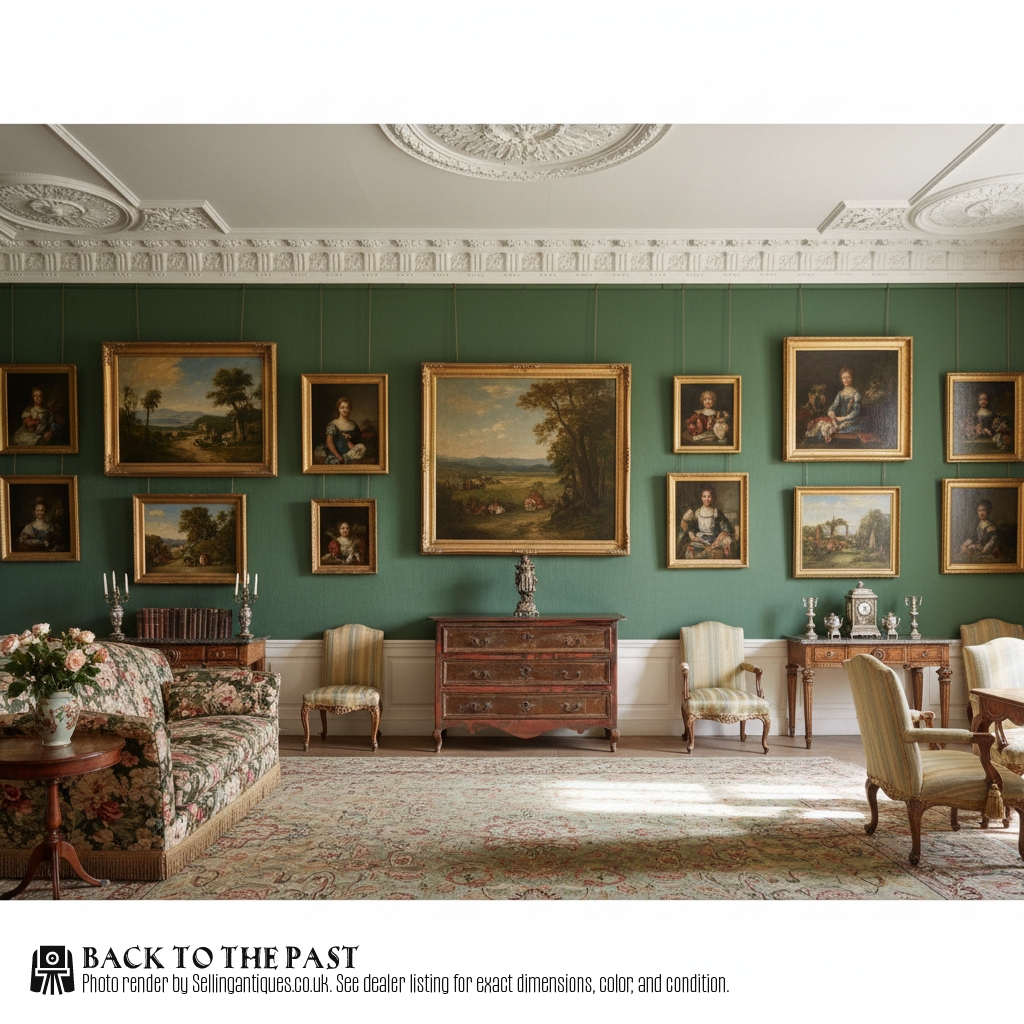
Edwards and Roberts
The Distressed Painted Commode Glossary
- Commode
- A low chest of drawers or cabinet, typically standing on short legs. These pieces originated in France and served both decorative and practical storage roles in domestic rooms.
- Serpentine
- A furniture front characterised by a wavy outline with a convex centre flanked by concave sides. This flowing shape demands advanced woodworking skill.
- Scumble paint
- A decorative glazing technique involving a translucent layer of dark pigment dragged over a lighter base colour to simulate wood grain or create depth. It appears frequently on antique pine furniture.
- Gustavian
- The Swedish interpretation of Louis XVI neoclassical style, marked by restrained carving, fluted columns, and pale painted finishes. This aesthetic developed during the late eighteenth century.
- Breakfront
- A large cabinet or chest whose central section projects forward from the flanking outer sections. This architectural form creates visual depth and shadow lines.
Distressed Painted Commode: Frequently Asked Questions
What is a distressed painted commode?
A distressed painted commode is a wooden chest of drawers or low cabinet finished with aged, weathered paint. These items combine practical storage with decorative surface patination.
Originating across Britain and continental Europe, they range from simple pine country furniture to elegant Gustavian and serpentine designs.
Where were these commodes made?
These storage pieces come from workshops across England, France, Italy, Sweden, Germany, Denmark, and the Netherlands. Each region developed distinct stylistic preferences.
French and Italian pieces often feature curved serpentine shapes, whilst Scandinavian workshops produced pale Gustavian and country pine furniture.
How do I style a painted commode?
Place a commode in a hallway, bedroom, or living space to anchor the room with textural contrast and practical drawer storage. The aged painted surface pairs well with both modern and traditional interiors.
Top the surface with lamps, ceramics, or mirrors to complement the character of the weathered timber.
How do I date an antique commode?
Dating relies on examining construction methods, timber types, handle hardware, and the wear patterns within the drawer linings. Regional styles also offer strong clues to the period of origin.
Eighteenth-century examples often feature robust oak or pine carcasses with hand-cut joints, while Victorian and later pieces show distinct industrial manufacturing traits.