



Distressed Painted Bookcase
A distressed painted bookcase brings utilitarian timber and time-worn pigment together to anchor a room with unpretentious character.
Distressed Painted Bookcase
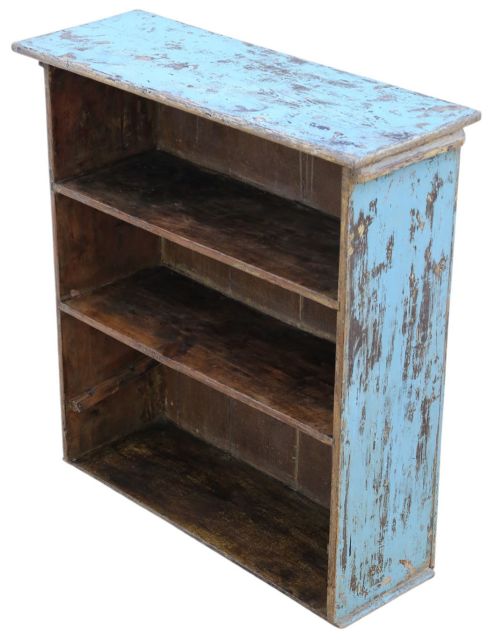
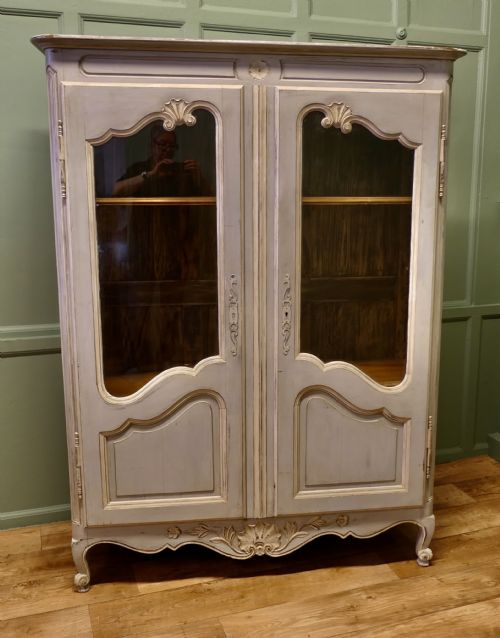
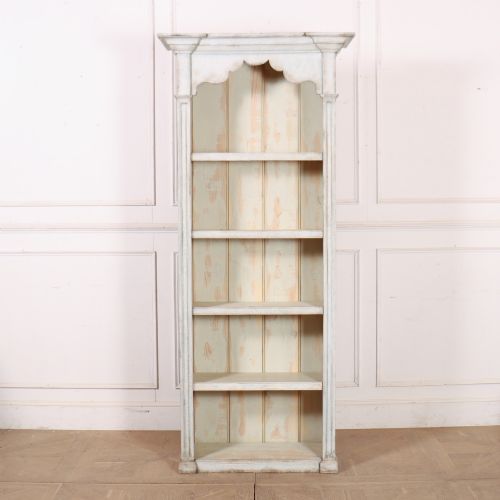
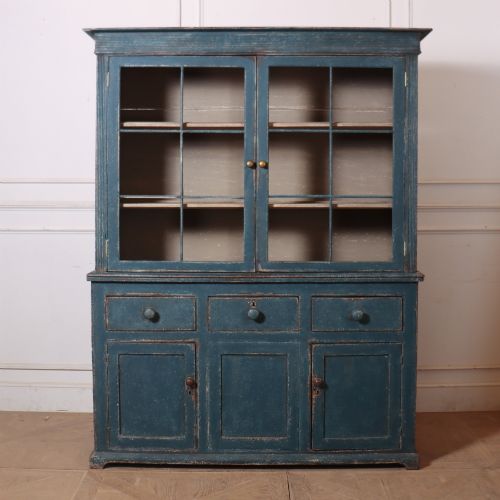
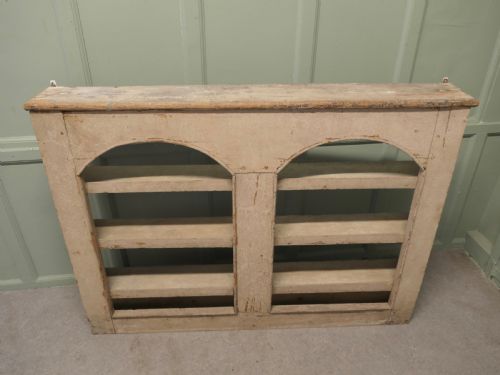
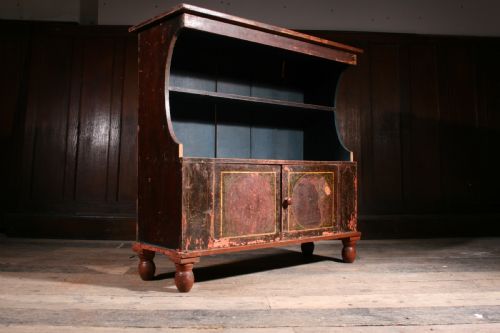
A distressed painted bookcase combines shelving and storage with a weathered surface finish, appearing across several distinct periods in the listings. Pieces range from grand library cabinets and French armoires to simple wall shelves, alcove cupboards, and country house dressers.
The most common form met on this page is the nineteenth-century pine or timber bookcase, often bearing the marks of French provincial, English country, or rustic farmhouse traditions. These items balance practical book storage with decorative glazed doors, open display shelving, or double doors.
Origins stretch from English workshops to French provincial makers and Swedish households, spanning Georgian, Victorian, Edwardian, and specific decades such as eighteen-eighty and eighteen-ninety. Buyers encounter everything from compact book troughs to towering breakfront library cupboards.
Materials and construction methods
Construction relies heavily on pine and general wood or timber, shaped into upright shelving units, display cabinets, and fitted cupboards. Joinery methods support heavy loads of books while accommodating decorative elements like brass hardware and glass door panels.
Surfaces are finished in paint, distemper paint, or painted wood, which over decades acquires natural wear and distress. Original paint layers sit directly on the timber substrate, revealing the underlying grain and earlier decorative schemes where the top coats have thinned.
Some nineteenth-century kitchen dressers have spent more time holding library volumes than soup tureens.
Distinguishing quality in painted furniture
Quality rests upon the integrity of the timber frame and the authenticity of the surface finish. Pieces retaining original paint demonstrate greater historical value than modern reproductions or later over-painting.
Proportion and scale distinguish standard utility cupboards from finer decorative items, such as breakfront libraries or rococo vitrines with intact glass and brass details. Sound structural joinery ensures that heavy shelving remains stable under the weight of a collection.
The Distressed Painted Bookcase Glossary
- Vitrine
- A glass-fronted cabinet used for displaying books or objects. These pieces often feature fine joinery and protective glazing.
- Breakfront
- A cabinet design where the central section projects forward from the flanking wings. This form adds architectural depth to larger library bookcases.
- Distemper paint
- A water-based paint mixture utilising glue or size as a binder. It produces a matte finish that chalks and wears distinctively over time.
- Armoire
- A large wardrobe or cupboard featuring doors. In country houses, these structures were frequently adapted to hold books or display collections.
Distressed Painted Bookcase: Frequently Asked Questions
How do I care for original distemper paint?
Original distemper and paint finishes require gentle dusting with a dry cloth to prevent moisture damage. Avoid modern chemical cleaners that can strip fragile historical pigments from the timber.
Keep these bookcases away from direct sunlight and steady heat sources to prevent the wood from shrinking and the old paint from flaking further.
Can these shelves hold heavy books?
Nineteenth-century pine and timber bookcases were built for practical use in libraries and kitchens, making them sturdy enough for standard volumes. Fixed or adjustable wooden shelves support substantial weight when the upright frame remains structurally sound.
Buyers should inspect the interior shelf supports and backboards to ensure the timber has not warped or weakened from damp conditions.
What is a French provincial bookcase?
French provincial furniture reflects regional workshop traditions outside Paris, favoring robust pine construction and decorative painted surfaces. These items balance utilitarian storage with regional design flourishes suited for country houses.
They often display softer lines and simpler mouldings than formal Parisian pieces, fitting comfortably into domestic rustic interiors.
Are these pieces repainted or original?
Listings distinguish between items retaining original paint and those with later decorative finishes applied to the timber. Examining the wear patterns around handles and edges reveals whether the pigment has aged naturally over the centuries.
Original surfaces show authentic craquelure and thinning, whereas modern distress marks often appear uniform and lack the accumulation of dust and age.