



Distressed Painted Bedroom Storage
Distressed painted bedroom storage offers practical utility through chests of drawers, commodis and wardrobes finished in aged decorative surface treatments.
Distressed Painted Bedroom Storage
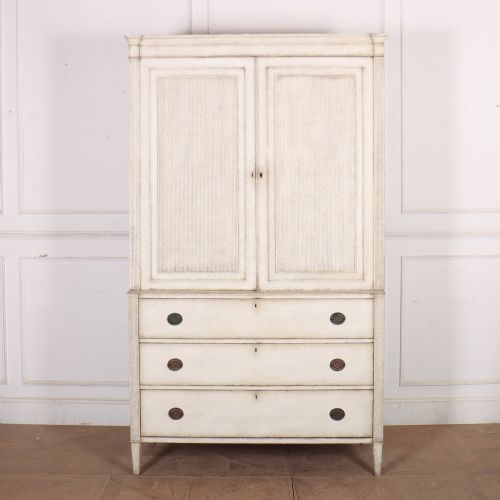
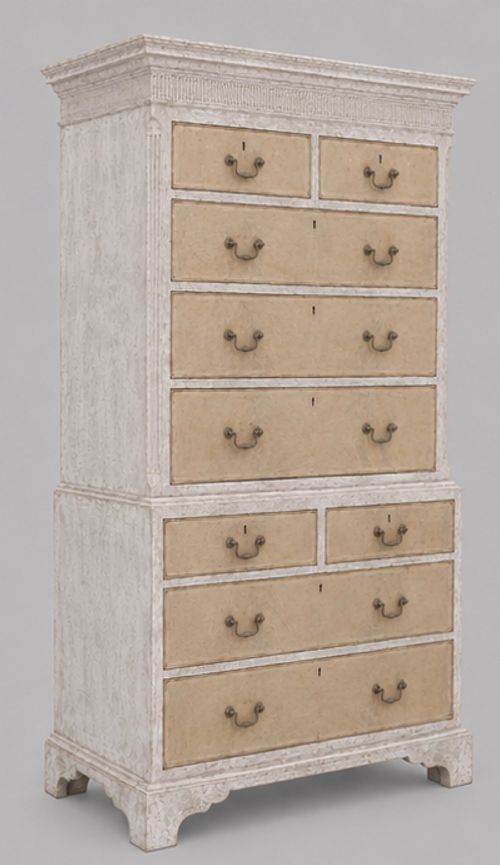
Distressed painted bedroom storage encompasses chests of drawers, commodis, linen presses and wardrobes originating from British, French, Italian, Scandinavian and Hungarian workshops. These pieces span the eighteenth, nineteenth and early twentieth centuries, reflecting regional cabinet-making traditions from country styles to formal revival periods.
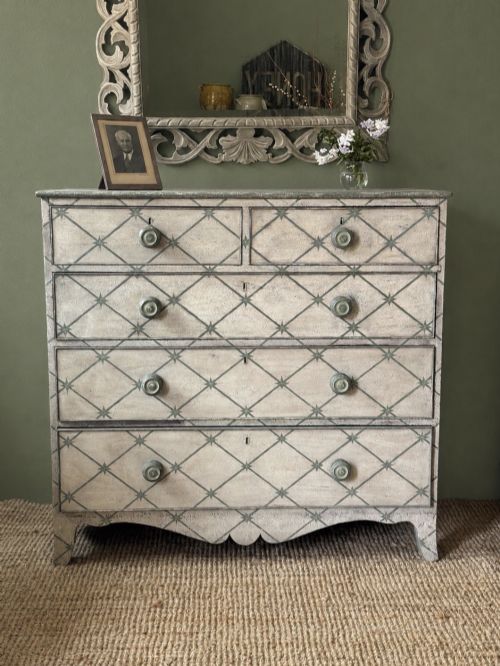
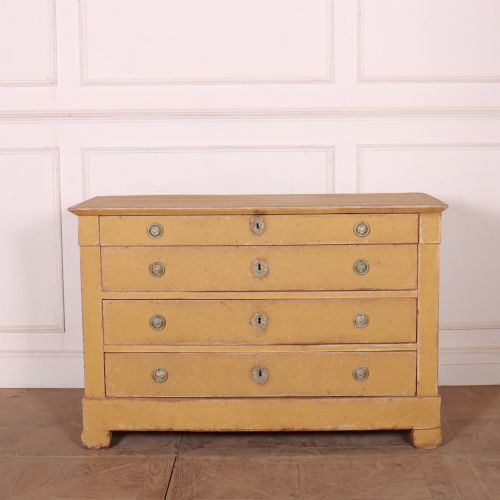
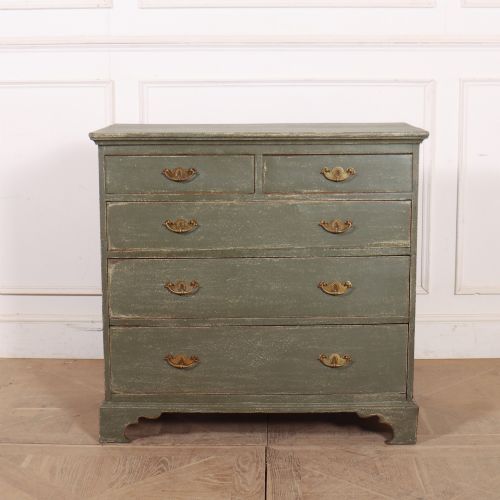
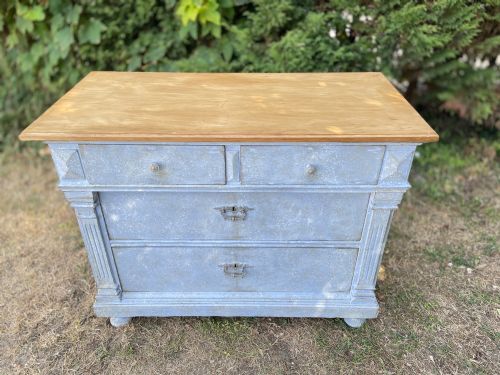
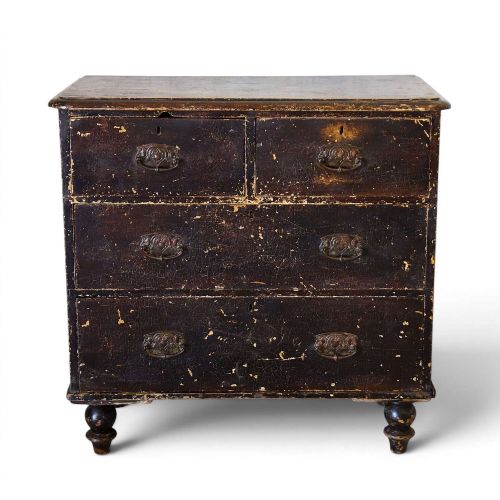
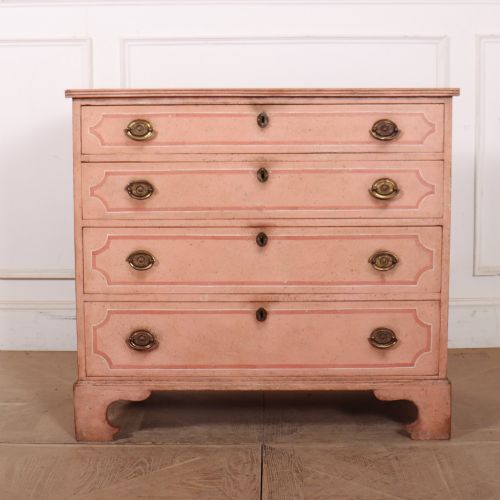
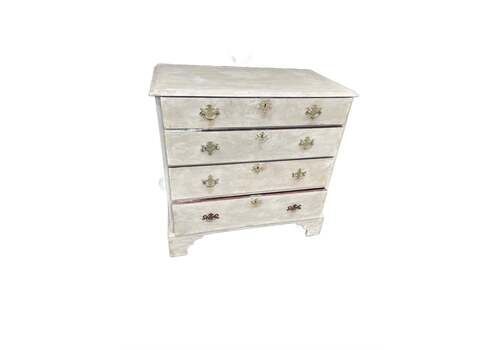
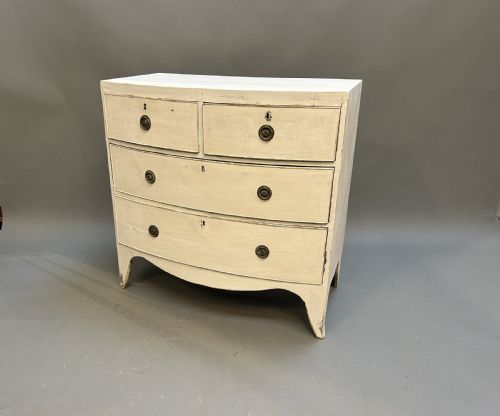
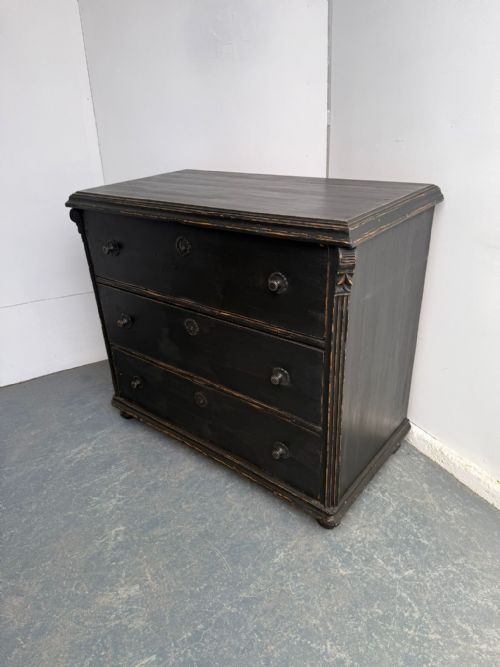
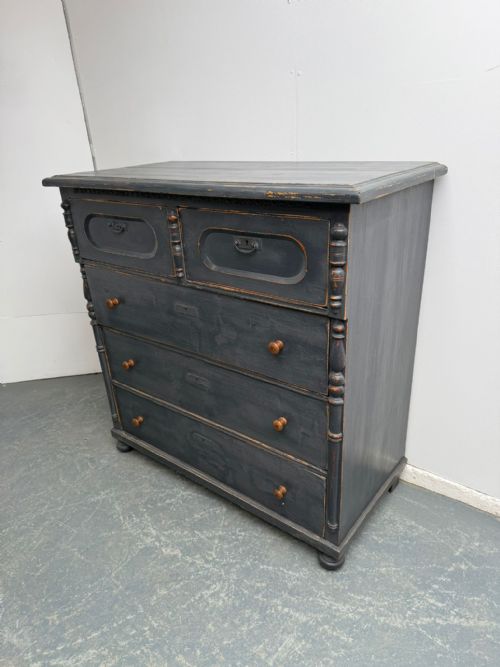
The version most commonly encountered on this page is the painted chest of drawers or commode, usually constructed from pine or mahogany and finished with aged paint surfaces. Styles range from French Provincial and Gustavian to English Country and Victorian Country, providing varied storage capacities for domestic settings.
Materials and Construction
Makers utilised solid timbers including pine, mahogany and oak to build the carcasses of these storage items, often incorporating brass hardware for drawer pulls and handles. Construction methods rely on traditional joinery techniques appropriate to each period, from eighteenth-century carcase work to Victorian drawer assemblies.
Surfaces received decorative coats of paint, scumble finishes or polychrome details, which have acquired natural distress and patination over decades of use. Paint types include original brown scumble, light grey schemes and polychrome decoration applied to wood substrates.
Listings feature eighteenth, nineteenth and early twentieth-century pieces in pine, mahogany and oak with painted wood surfaces.
Distinctions in Execution
Quality resides in the integrity of the original timber construction and the authenticity of the surface finish. Pieces retaining their early or original paint layers demonstrate greater historical value than those with modern repainting.
The refinement of regional detailing, such as carved elements on French commodes or diamond-point panels on Gustavian pieces, separates standard utility furniture from sophisticated examples produced by notable makers.
Edwards and Roberts
The Distressed Painted Bedroom Storage Glossary
- Commode
- A low chest of drawers or cabinet, typically French in origin and dating from the eighteenth or nineteenth century. These items often feature serpentine fronts or decorative painted finishes.
- Scumble paint
- A translucent or semi-opaque glaze applied over a base coat and manipulated with combs or brushes to imitate wood grain or create textured patterns. This technique appears on nineteenth-century English pine furniture.
- Linen press
- A tall bedroom storage piece designed for folding textiles, combining upper cupboard doors with lower drawer sections. They are constructed in wood and frequently carry painted or bleached surfaces.
- Gustavian style
- A Swedish interpretation of French neoclassical design characterised by pale painted finishes, restrained carving and functional elegance. Pieces from this tradition often utilise pine timbers.
- Polychrome
- The practice of decorating surfaces in multiple colours, seen on Italian and continental European storage pieces. This finish adds visual complexity to wardrobes and commodes.
Distressed Painted Bedroom Storage: Frequently Asked Questions
How do I clean a painted finish?
Dust surfaces gently with a soft, dry cloth to prevent accumulation of grit. Avoid harsh chemical cleaners or abrasive pads that can damage aged paint layers.
For stubborn marks, use a slightly damp cloth with mild soap, drying the wood immediately afterwards to protect the timber substrate.
Where were these pieces used?
These storage items served primarily in domestic bedrooms and dressing rooms for organising garments, linens and personal items. Their decorative painted exteriors allowed them to coordinate with regional interior schemes.
Larger wardrobes and linen presses provided substantial hanging and folding space in period homes before fitted closets became standard.
How do I identify a scumble paint finish?
Scumble paint involves applying a tinted glaze over a lighter ground coat, then working the wet layer with tools to create mottled or grained effects. This finish protects the underlying pine while adding decorative depth.
On nineteenth-century pieces, genuine scumble displays natural wear patterns and softening around frequently handled areas.
What is the difference between a commode and a chest of drawers?
A commode generally refers to a low French or continental chest of drawers, often featuring decorative hardware and curved serpentine fronts. They originated as refined furniture for upper-class chambers.
A chest of drawers is a broader term encompassing British and regional pieces with straightforward rectangular carcases designed purely for utilitarian storage.