




Distressed Mercury Mirror
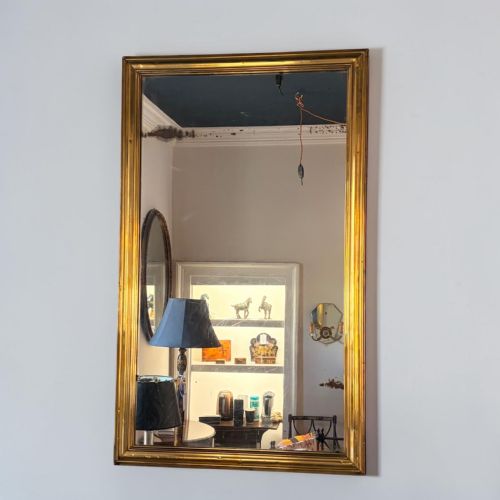
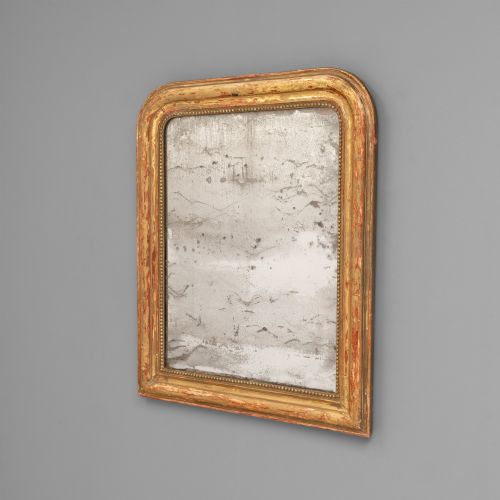
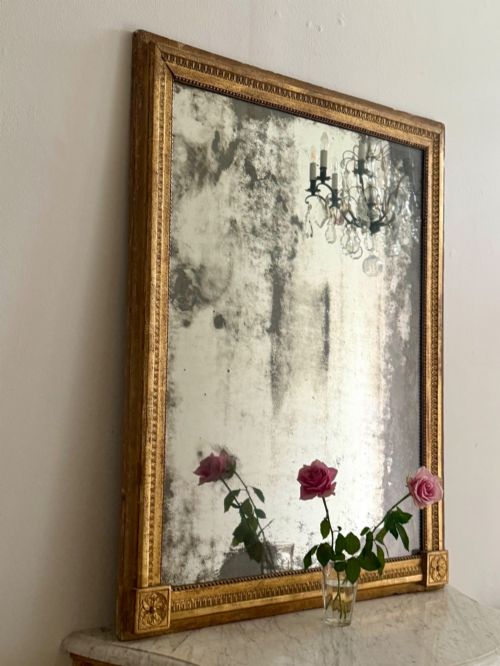
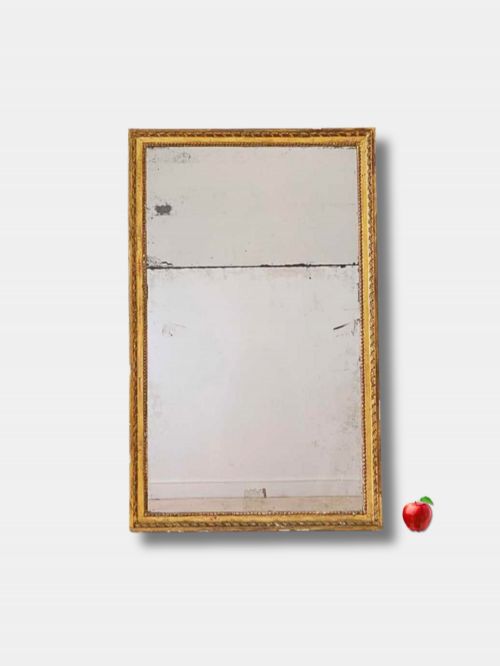
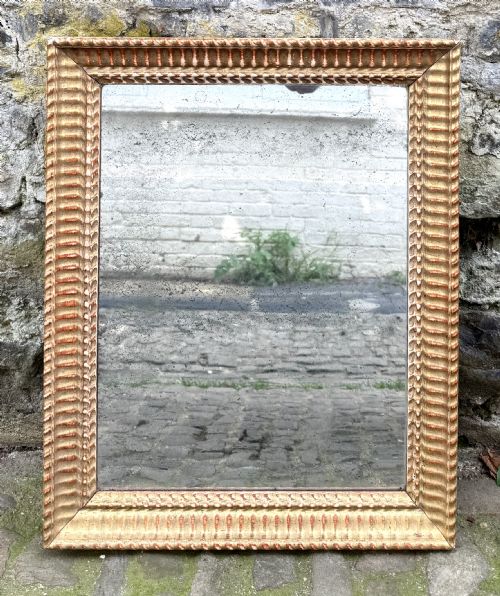
A distressed mercury mirror brings deep, atmospheric reflection into a room, showing the characteristic dark foxing that collectors prize.
Distressed Mercury Mirror
When you search for a distressed mercury mirror, you are looking at antique and vintage looking-glasses defined by their aged silvering and mottled plates. The versions most commonly met on this page originate from French workshops spanning the eighteenth and nineteenth centuries, alongside Georgian, Regency, and later Italian examples.
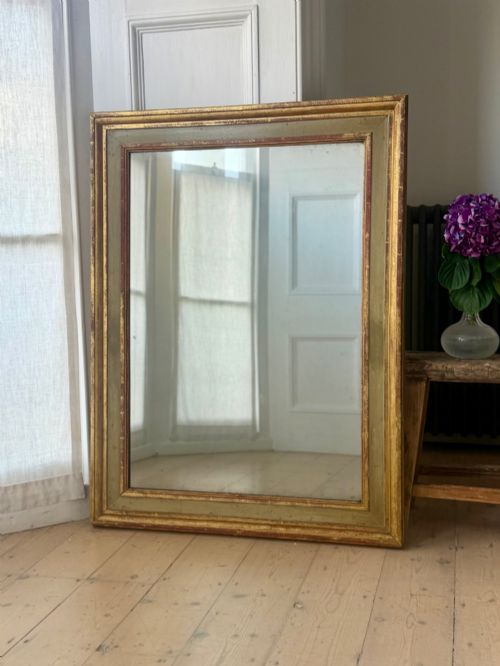
The selection here encompasses wall mirrors, large pier and overmantel forms, trumeau panels, and smaller dressing table mirrors. Frames range from simple painted wood and black-framed pieces to elaborate giltwood and gesso carvings in French Neoclassical, Louis XVI, and Baroque revival styles.
These pieces draw attention for their authentic signs of age rather than pristine perfection. The glass shows varying degrees of foxing, while the frames carry the historic wear of centuries.
How they were made
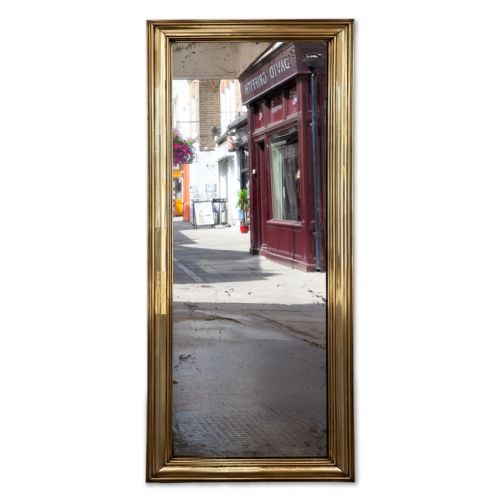
Makers constructed the primary frames using timber such as wood, often applying layers of gesso before finishing them with gold leaf, giltwood, or paint. Brass and gilded metal also appear in specific bistro and dressing table formats.
The mirror plates utilise historic techniques involving glass backed with reflective metallic layers, which over time oxidise and develop the characteristic foxed spots and dark patches seen today.
Some bistro mirrors retain their original distressed plates, having spent a century reflecting the lively clatter of French cafés.
What varies in quality
The distinction between ordinary and exceptional pieces lies in the harmony between the frame and the glass plate. Hand-carved giltwood frames with deep relief work and original mercury plates command greater attention than simpler painted or later timber iterations.
The character of the distressing itself dictates much of the visual appeal. Naturally aged foxing that creates a shimmering, cloud-like depth differs significantly from heavy damage, separating superior historic examples from lesser ones.
The Distressed Mercury Mirror Glossary
- Mercury glass
- A type of silvered glass produced during the nineteenth century, though typically containing a silver and tin amalgam rather than actual mercury. It is celebrated for the way it darkens and spots over time.
- Foxing
- The speckled brown or black oxidation spots that form on antique mirror plates as moisture affects the backing. In these mirrors, it creates a desirable atmospheric effect.
- Trumeau
- A decorative wall mirror combined with a painted panel or oil painting above the glass plate. These architectural pieces originated in French interiors.
- Giltwood
- Timber carved and coated with a thin layer of gold leaf or gold paint. It provides the luxurious sheen seen on many period frames.
- Gesso
- A plaster-like mixture applied to wood frames to create a smooth surface for gilding and carving. Its preservation helps date the piece.
Distressed Mercury Mirror: Frequently Asked Questions
What causes mercury mirror foxing?
Foxing occurs when air and moisture seep behind the glass over decades, reacting with the metallic backing and causing dark, mottled spots.
This natural oxidation process is precisely what gives antique plates their distinct, shimmering depth.
Are these mirrors actually made of mercury?
Most historic pieces use a silver and tin solution, though the historic term mercury glass persists for plates produced in the nineteenth century.
True mercury backing was largely phased out due to toxicity concerns during manufacturing.
How do I style a trumeau mirror?
Trumeau mirrors work well mounted above mantelpieces or console tables where their height and integrated painted panels can serve as a focal point.
Their substantial proportions anchor a room and reflect ambient light across the space.
How do I clean an antique mirror plate?
Clean the glass gently with a soft dry cloth, avoiding harsh modern chemical cleaners that might damage the fragile aged backing.
Take care around the edges where the silvering is most vulnerable to moisture intrusion.