





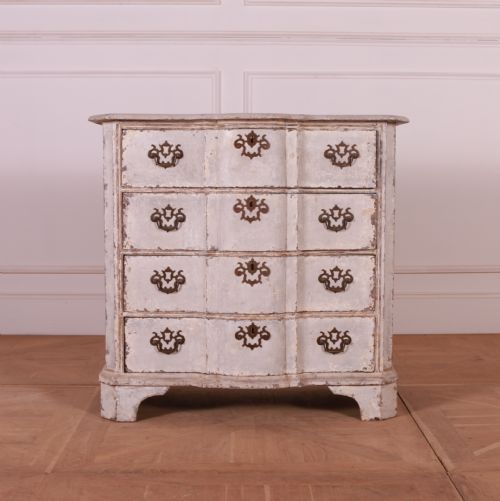
Distressed Grey Dresser
A distressed grey dresser brings muted continental charm and practical storage to a room through weathered paintwork and traditional timber construction.
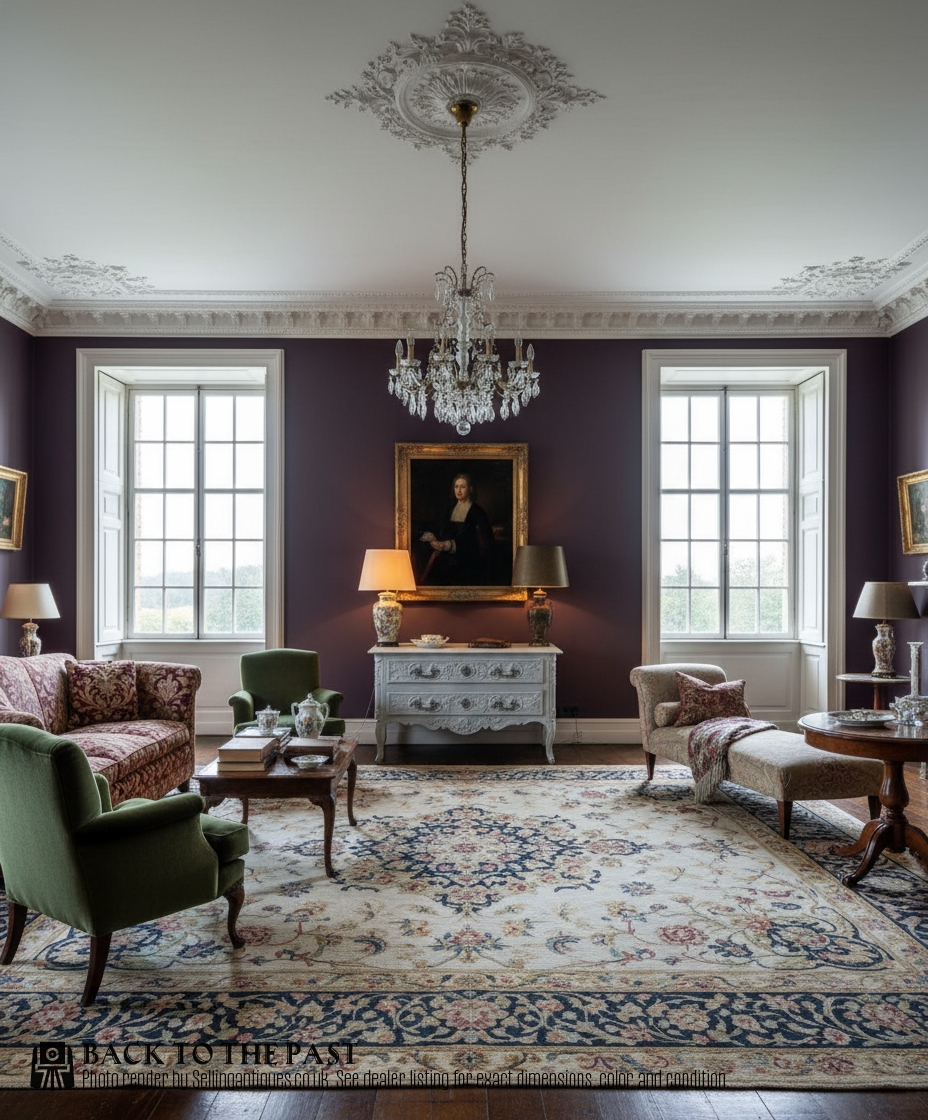
Distressed Grey Dresser
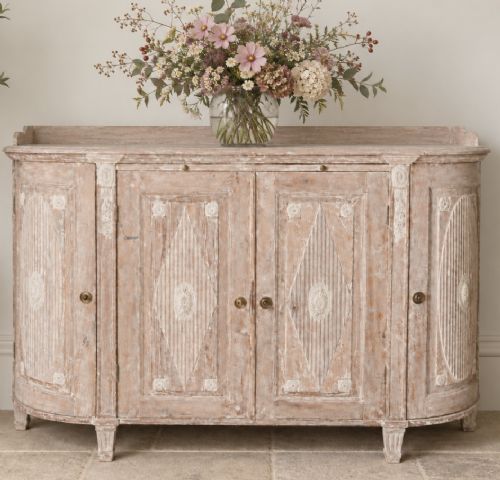
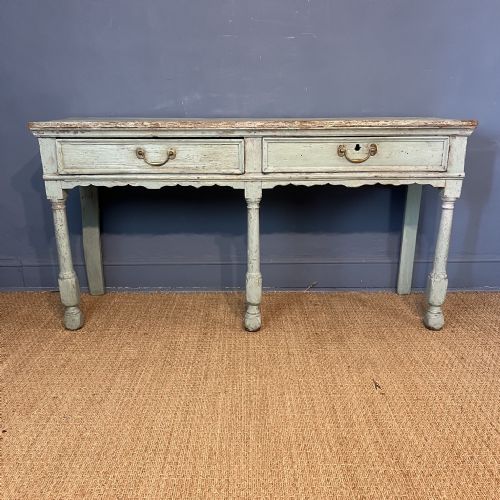
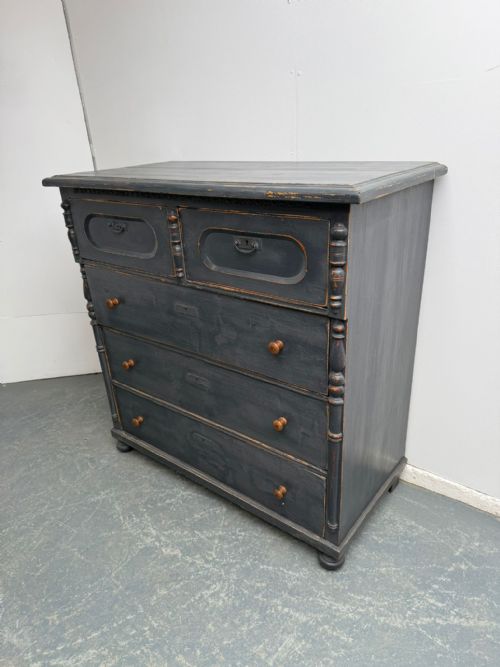
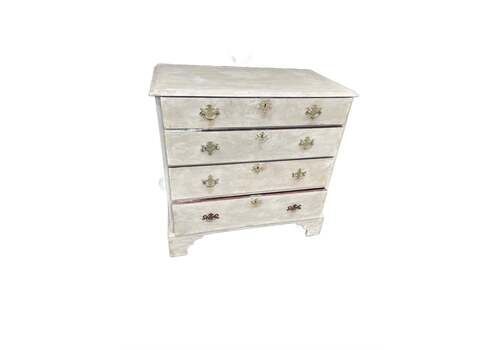
A distressed grey dresser encompasses a variety of storage furniture including tall chests of drawers, commodes, and low dresser bases finished in aged grey paint. These pieces draw heavily on 18th century and 19th century regional aesthetics, spanning English, French, Dutch, and Scandinavian traditions.
The specific form you are most likely to encounter here is the painted pine or oak chest of drawers and the serpentine commode. These forms often feature classic decorative details such as bow fronts or carved accents originating from periods like the Georgian and Victorian eras.
Origin plays a strong role in determining the overall silhouette, with Swedish and French pieces often showing softer curved lines. Meanwhile, English examples tend toward more robust proportions in pine and oak.
Materials and construction methods
Construction relies primarily on solid timber frames built from pine, oak, and painted wood. Cabinetmakers utilised traditional joinery techniques to assemble these carcases, ensuring stability across centuries of use.
Surface finishes involve layered paint applications over wood, sometimes complemented by faux marble tops or brass hardware. The characteristic distressed appearance develops naturally through decades of wear or through historic decorative painting styles.
Distressed Grey Dresser Retail Price Guide 2026
Typical asking prices for distressed grey dresser among the pieces listed under this phrase on Sellingantiques today, from the lower quarter to the upper quarter. They describe what is for sale here now, not the wider market.
Several pieces include faux marble tops, proving that past owners loved the look of stone long before laminate worktops were invented.
Distinguishing quality across pieces
Quality reveals itself in the integrity of the timber joinery and the subtlety of the painted surface. Superior examples demonstrate careful proportions, harmonious curves like serpentine or bow fronts, and well-executed decorative details.
The refinement of hardware, such as original brass handles and escutcheons, separates standard utility items from higher-status commissions. Consistency in drawer construction and timber selection further marks out the better examples on the market.
Edwards and Roberts
The Distressed Grey Dresser Glossary
- Commode
- A low cabinet or chest of drawers, typically featuring multiple tiers for storage. Originating in French design, these pieces often incorporate decorative fronts and shaped tops.
- Serpentine front
- A furniture front surface that curves outward in the centre and inward at the sides, or vice versa. This undulating shape requires skilled carpentry and adds visual movement to a chest.
- Dresser base
- The lower portion of a traditional kitchen or dining room dresser, often fitted with drawers and cupboards. These heavy timber units served practical domestic storage functions.
- Bow front
- A convex, outwardly curving furniture front that projects forward in a smooth arc. It gained popularity during the Georgian and Victorian periods for chests of drawers.
- Gustavian
- A Swedish neoclassical style developed under King Gustav III during the late 18th century. It reinterprets French fashions with lighter proportions and pale, restrained paint finishes.
Distressed Grey Dresser: Frequently Asked Questions
What is a distressed grey dresser?
A distressed grey dresser is a piece of antique storage furniture finished with aged, weathered grey paintwork. These items range from English oak dresser bases to continental commodes and tall chests of drawers.
They combine utilitarian storage capacity with a decorative finish that suits both traditional and contemporary interiors. The weathered surface provides a softer visual impact than heavily varnished timber.
How do I date a painted antique chest?
Dating involves examining the timber species, construction joinery, and the style of the hardware and feet. Pieces from the 18th century often feature hand-cut dovetails and pegged frames.
Later Victorian and 19th-century examples display different proportions and machine-assisted timber preparation. Paint layers themselves can sometimes show historic composition beneath the top finish.
Where were these painted pieces made?
The inventory includes items originating from England, France, Sweden, the Netherlands, and Denmark. Each region imparted distinct regional traits to the furniture.
Swedish pieces frequently reflect Gustavian or Baroque revival designs with pale palettes, while French workshops favoured serpentine commodes and carved oak.
How do I care for antique painted wood?
Maintain painted furniture by keeping it away from direct heat sources and strong sunlight, which can dry out the underlying timber and crack the finish. Dust gently with a dry or slightly damp cloth.
Avoid using harsh modern chemical polishes or abrasive cleaners that might strip the historic paint layers. Wax can be used sparingly on unpainted wooden elements where appropriate.